
Vintage Sterling Silver
Vintage sterling silver encompasses items created from precious metal across decades of changing design, offering utility and ornamentation for daily life.
Vintage Sterling Silver
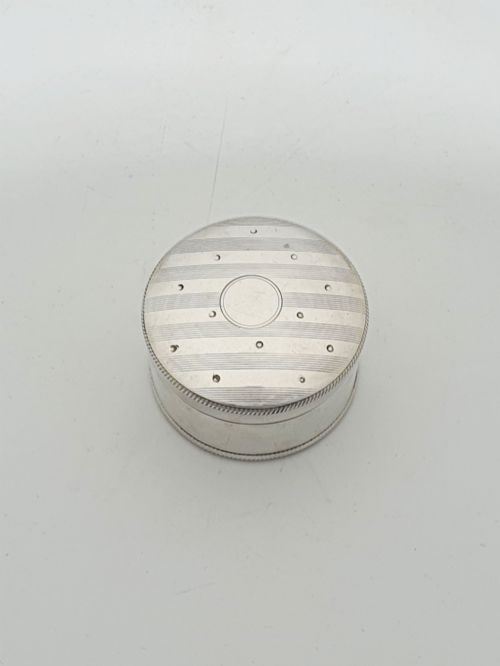
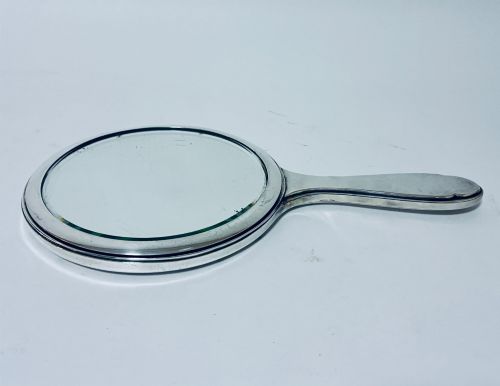
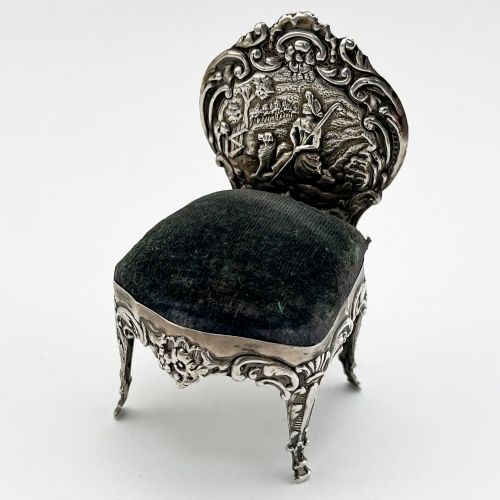
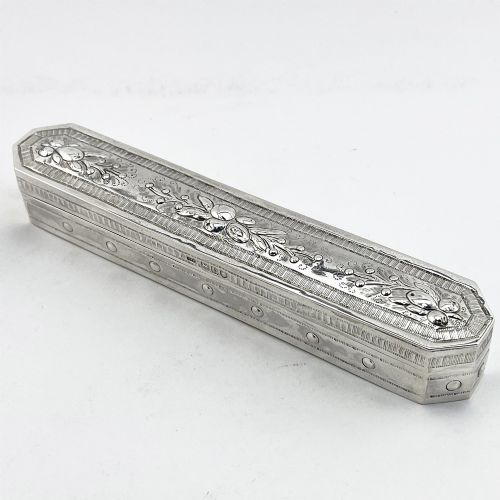
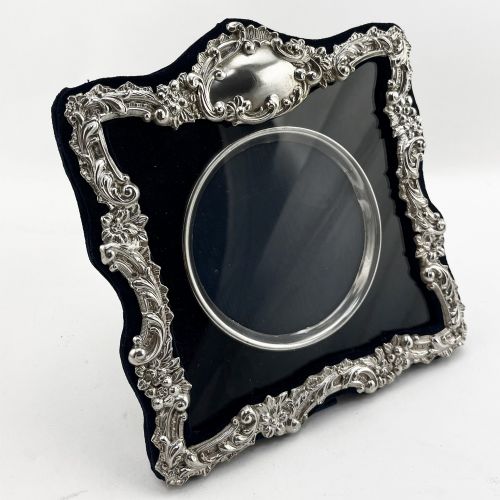
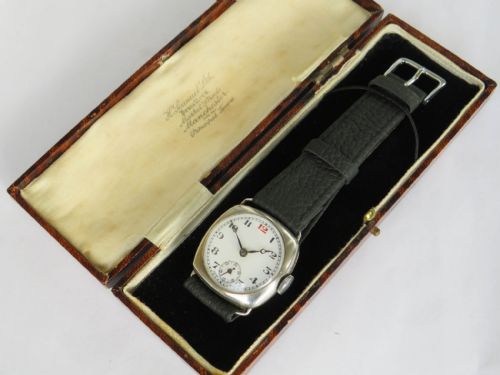
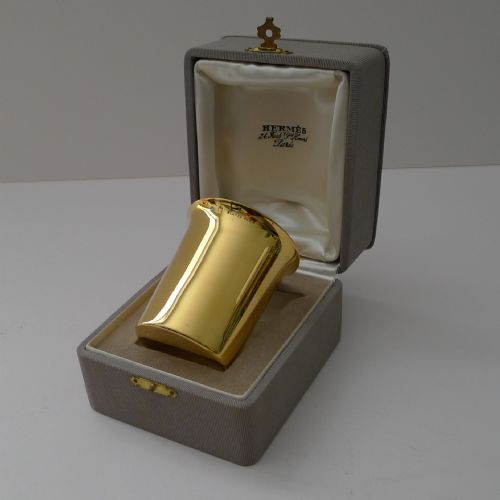
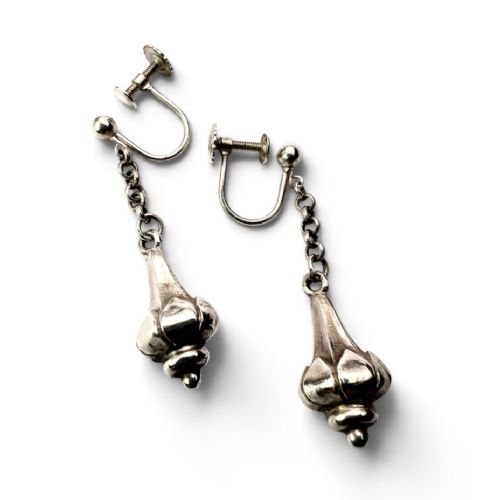
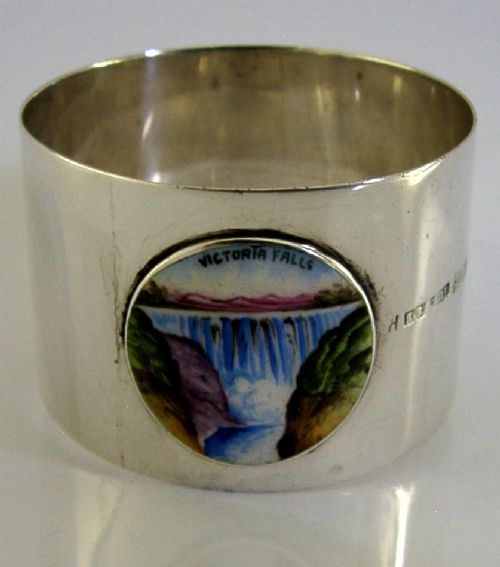
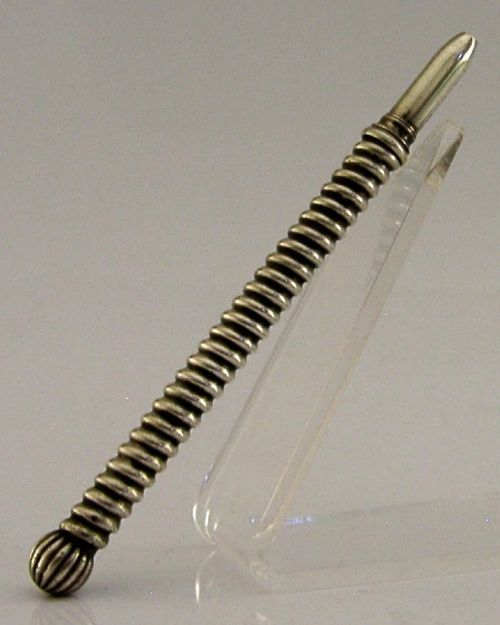
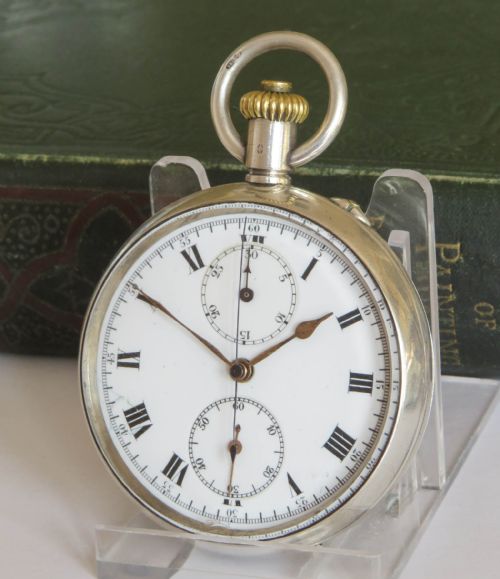
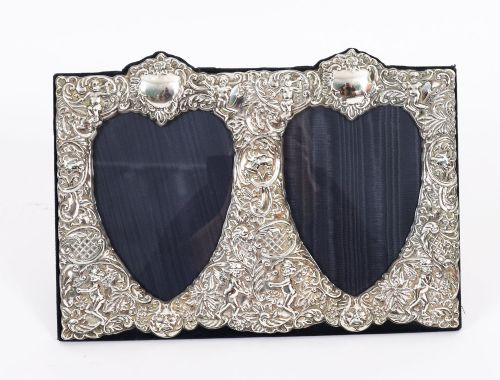
Searching for vintage sterling silver reveals a diverse selection of decorative and utilitarian items spanning the Victorian, Edwardian, and mid-century periods. Buyers encounter pocket watches, napkin rings, caddy spoons, trinket boxes, brooches, and tableware produced by notable makers.
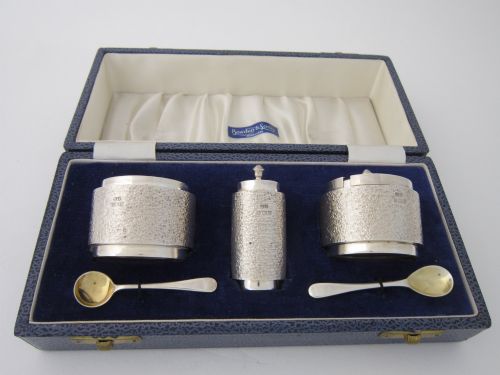
The objects on this page frequently originate from early twentieth-century workshops, reflecting Art Nouveau, Art Deco, and Arts and Crafts movements. Items range from personal accessories like compacts and cigarette cases to dining table accessories such as coasters and cruet sets.
Mid-century iterations also appear alongside older Victorian designs, offering choices between ornate Edwardian engraving and the clean, functional lines typical of later decades.
Materials and construction methods
Objects utilise solid sterling silver alongside supplementary materials like glass, enamel, wood, velvet, and semi-precious stones such as Blue John and moonstone. Enamelled pieces often feature hand-painted floral motifs or guilloché patterns applied to the metal surface.
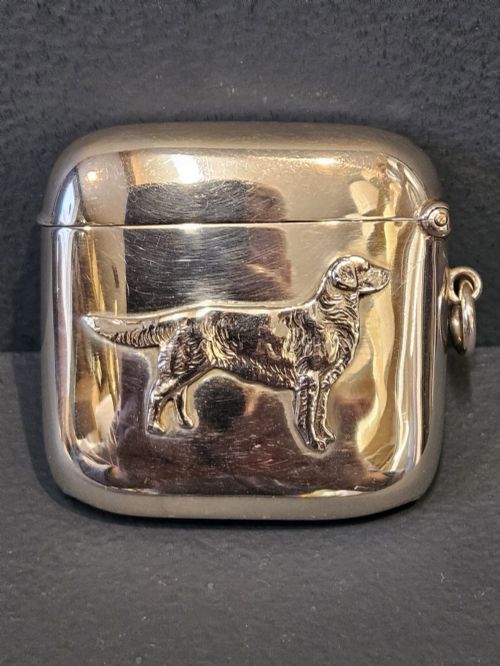
Techniques recorded in the pieces include planishing, where hammer marks remain visible on bowls and quaichs, and casting for intricate novelty items shaped as animals or hunting horns.
Listings incorporate items from the Victorian, Edwardian, Art Deco, and mid-century periods utilising glass, enamel, and sterling silver.
Quality factors in silver manufacture
The standard of an item depends on the weight of the metal and the precision of the maker's handwork. Substantial gauge silver provides structural integrity, while crispness in chased or engraved decoration distinguishes superior output from routine commercial production.
Makers known for exceptional design standards, such as Georg Jensen or Liberty, demonstrate meticulous attention to surface finish and stone setting that elevates standard utilitarian objects into notable examples of decorative metalwork.
Hamilton & Inches·Kendal & Dent·Elizabeth Morley·R E Stone·Georg Jensen·Mappin & Webb·Tiffany & Co
The Vintage Sterling Silver Glossary
- Sterling silver
- An alloy comprising ninety-two point five percent silver and seven point five percent other metals, usually copper, chosen to impart durability.
- Hallmark
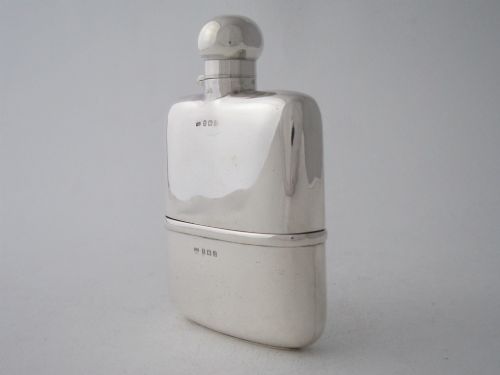
- A system of official marks stamped on precious metals to guarantee purity, origin year, and the maker or assay office.
- Planishing
- A silversmithing technique using a hammer to smooth metal while leaving subtle, deliberate facets across the surface.
- Guilloché
- An ornamental technique where a precise, intricate pattern is mechanically engraved into the underlying metal before translucent enamel is applied.
- Caddy spoon
- A short-handled spoon specifically designed for measuring loose tea leaves from a storage caddy.
Vintage Sterling Silver: Frequently Asked Questions
How do I clean tarnished sterling silver?
Use a soft cloth and a specialised silver cleaning polish to remove surface oxidation without damaging engraved details.
Avoid abrasive household cleaners that can strip away thin plating or scratch softer alloy surfaces.
Can I use vintage silver items daily?
Many items like napkin rings, cutlery, and tankards were built for functional use and withstand regular handling.
Delicate pieces featuring enamel or antique mechanisms require more careful treatment to preserve their condition.
What does a hallmark tell me?
Hallmarks indicate the metal standard, the town where the piece was tested, and a specific date letter corresponding to the year of manufacture.
Additional maker's marks identify the silversmith or retailing firm responsible for the finished object.
How do I identify Art Deco pieces?
Art Deco items rely on geometric shapes, symmetry, and stylized motifs that contrast with the organic curves of earlier Art Nouveau designs.
These pieces typically date from the nineteen-twenties and nineteen-thirties.