

Vintage Sterling Silver Watch
A vintage sterling silver watch brings reliable mechanical timekeeping and crisp metalwork straight from the wrist or pocket of the past.
Vintage Sterling Silver Watch
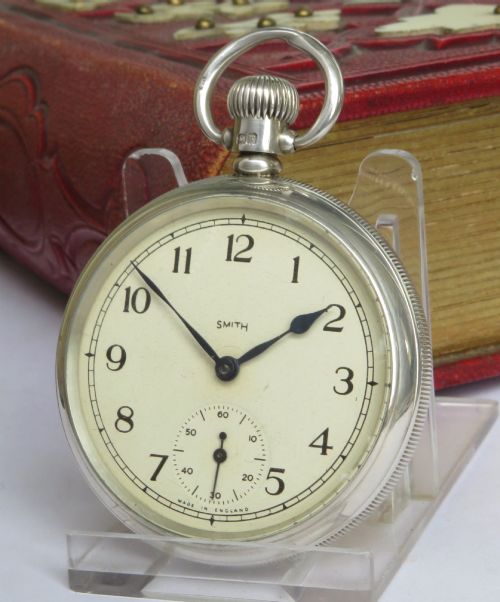
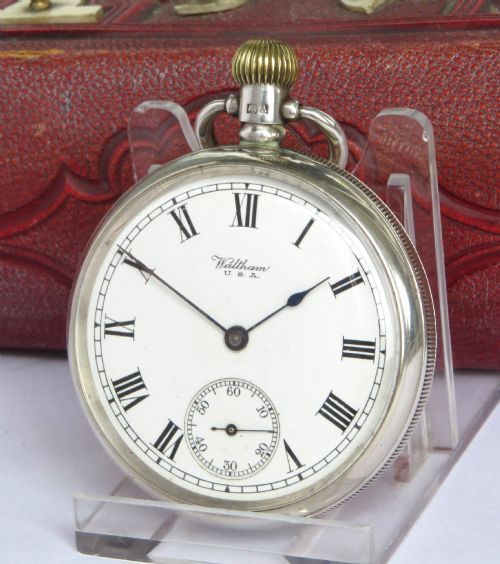
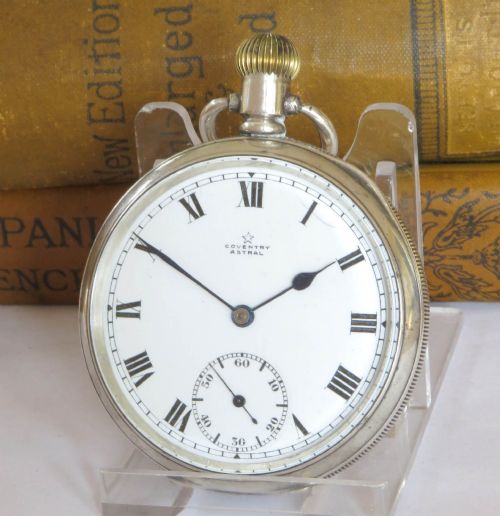
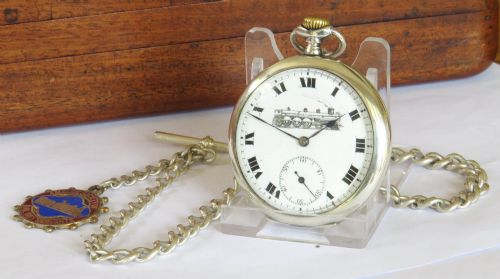
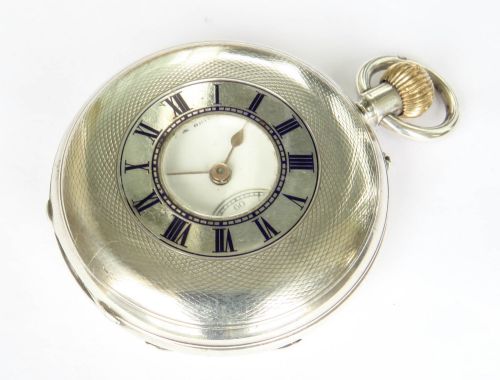
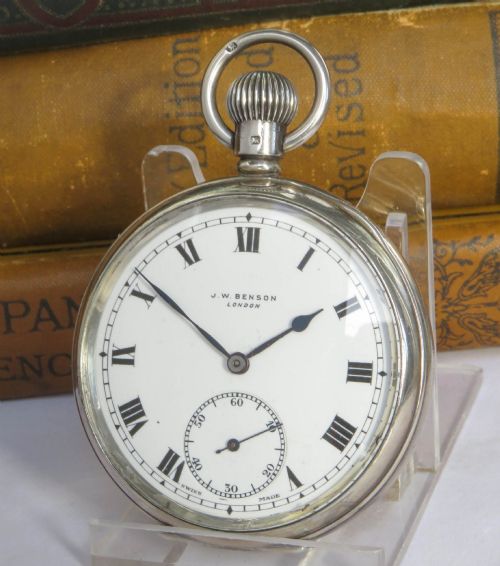
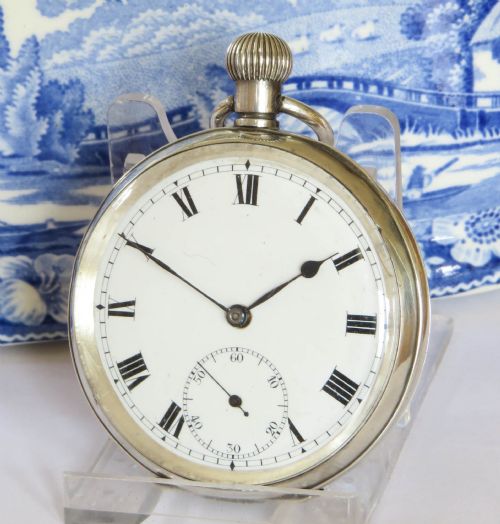
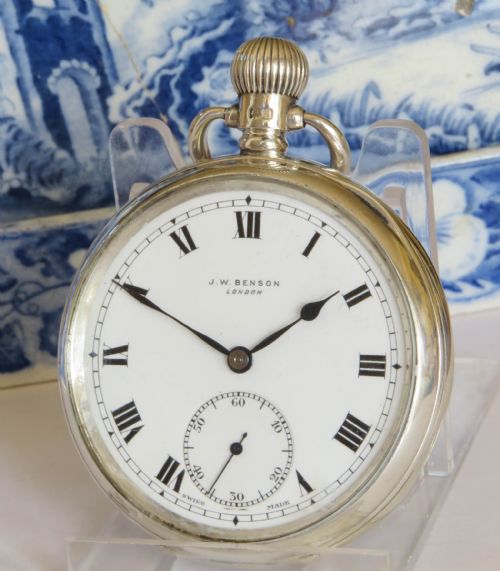
A vintage sterling silver watch encompasses traditional pocket watches, full and half hunters, pendant fob watches, and early wristwatches spanning from the late Victorian and Edwardian eras through the Art Deco period.
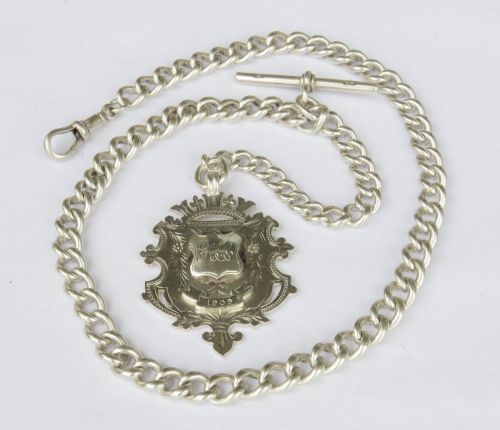
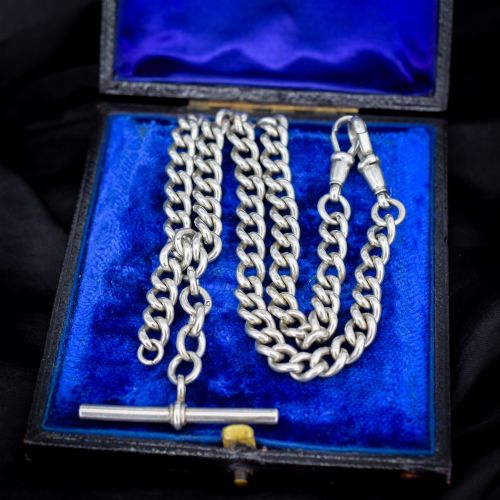
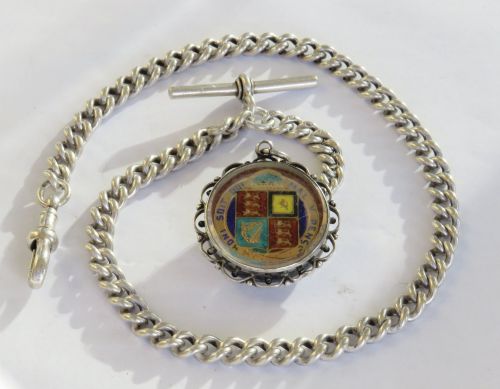
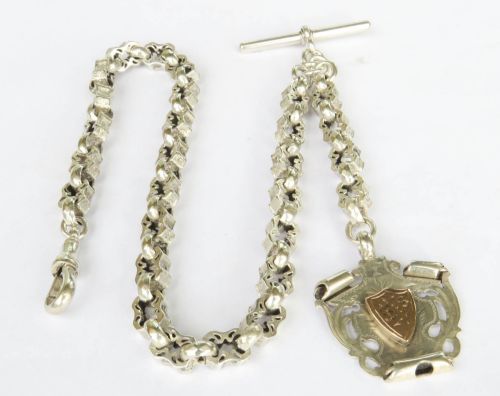
The selections on this page lean heavily toward nineteenth and early twentieth century pocket timepieces alongside associated albert chains, sovereign cases, and modified necklaces.
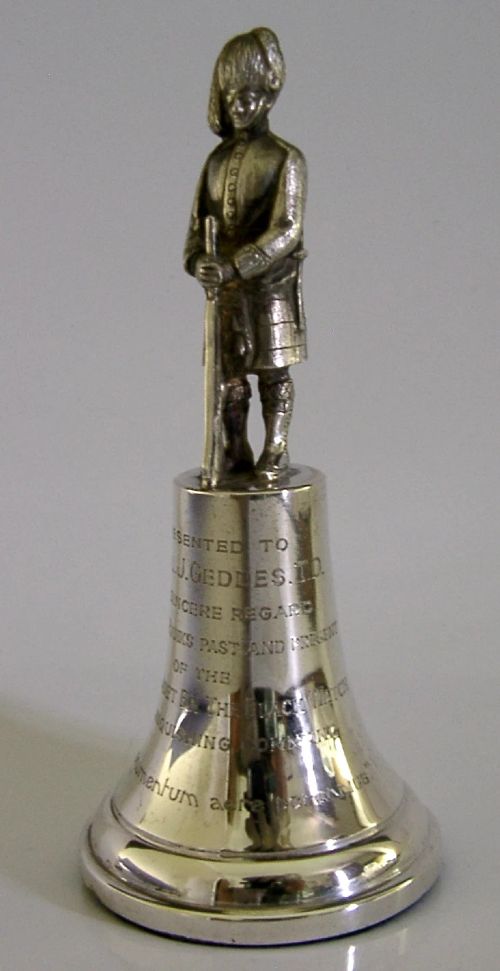
Makers and hubs range from local English watchmakers to Swiss houses and Lancashire firms, accompanied by related silver medals, whistles, and stamp cases.
How they were made
Cases and associated chains utilise sterling silver, often hallmarked at assay offices such as Chester and Birmingham, while components incorporate steel internal movements, glass crystals, and occasional rose gold highlights or enamel dials.
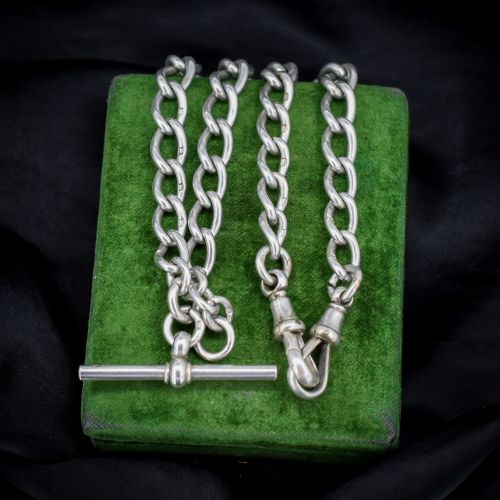
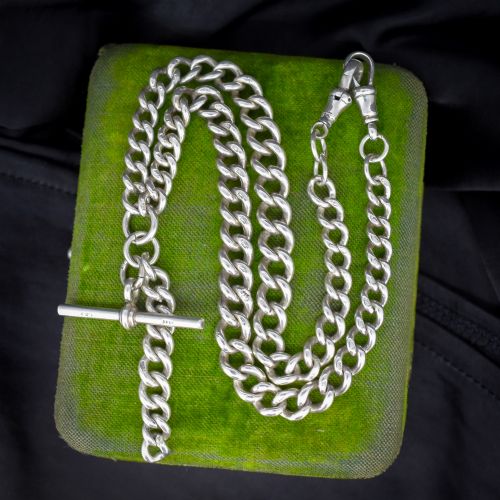
Metals are shaped into curb links, trombone love knots, and hinged hunter cases designed to protect delicate mechanical gears.
Vintage Sterling Silver Watch Retail Price Guide 2026
Typical asking prices for vintage sterling silver watch among the pieces listed under this phrase on Sellingantiques today, from the lower quarter to the upper quarter. They describe what is for sale here now, not the wider market.
Listings feature silver items spanning the Victorian, Edwardian, and Art Deco periods, incorporating base materials such as brass, steel, and enamel.
What varies in quality
Quality rests in the crispness of the hallmarking, the weight and complexity of the silver link work, and the reputation of the movement maker engraved on the watch plate.
Pieces that retain complete sets of matching components, such as a pocket watch paired with its original albert chain and fob, stand apart from individual items.
Thomas Russell·J W Benson·Aaron Lufkin Dennison·Crisford & Norris
The Vintage Sterling Silver Watch Glossary
- Full hunter
- A pocket watch featuring a spring-loaded metal cover that protects the glass dial face from scratches. Pressing the crown opens the case to reveal the time.
- Half hunter
- A pocket watch with a front cover containing a small glass or open aperture in the centre, allowing the wearer to read the hands without opening the case.
- Albert chain
- A heavy watch chain designed to secure a pocket watch to a waistcoat buttonhole, named after Prince Albert. It frequently carries a T-bar and decorative fobs.
- Sovereign case
- A small round metal container engineered to hold British sovereign and half-sovereign gold coins securely on a watch chain. Many feature internal spring mechanisms.
- Fusee
- A conical pulley mechanism inside older mechanical watches that equalises the declining power of the mainspring as it unwinds. This improves timekeeping accuracy across the power reserve.
Vintage Sterling Silver Watch: Frequently Asked Questions
How do I wind a mechanical pocket watch?
Pocket watches from the Victorian and Edwardian periods utilise a mainspring that requires gentle turning via the crown until resistance is felt. Overwinding can damage the internal gearing.
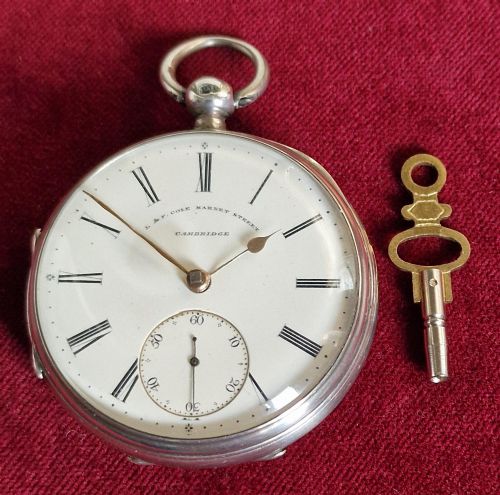
Some older fusee models require a small key inserted through the dial or rear dust cover to tension the movement rather than twisting the pendant crown.
What is the difference between a hunter and an open face watch?
An open face watch exposes the glass crystal and dial directly to the elements without a protective metal lid. It allows immediate time checks at a glance.
Hunter models enclose the dial behind a hinged metal cover for protection against knocks and pocket debris, requiring the wearer to press a button to view the hands.
How do I wear a pocket watch chain today?
Pocket watch chains, often called albert chains, thread through a buttonhole on a waistcoat or jacket, with the watch resting safely in the pocket. The T-bar anchors the chain in place.
Shorter lengths and double albert chains are frequently adapted to wear around the neck as statement necklaces or attached to belt loops.
How do I read silver hallmarks on these watches?
British silver hallmarks stamped inside the watch cases indicate the assay office, such as Chester or Birmingham, alongside a date letter revealing the exact year of manufacture. Sterling standards are usually denoted by a walking lion.
Maker marks also appear alongside these stamps, identifying the specific silversmith or firm responsible for the outer case.