



Vintage Sterling Silver Tankard
A vintage sterling silver tankard brings heft and historic British craft straight to the desk, sideboard or bar.
Vintage Sterling Silver Tankard
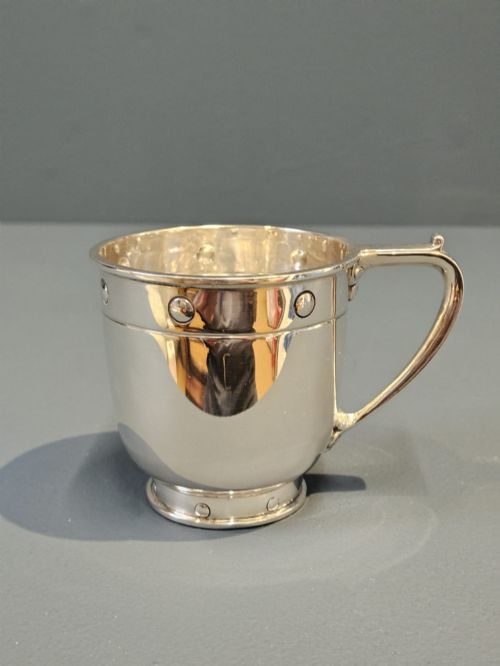
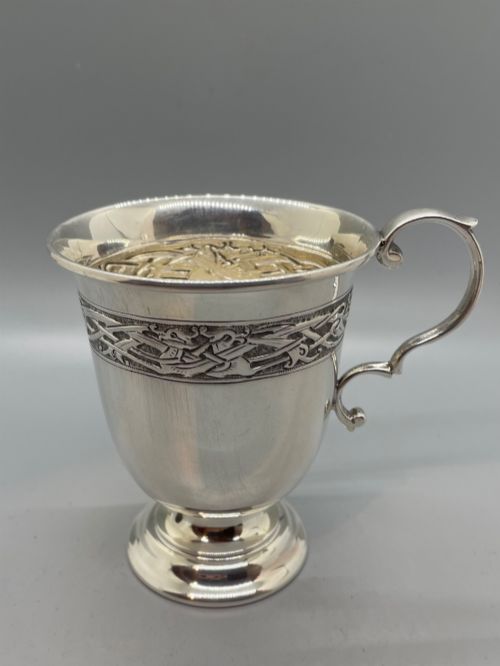
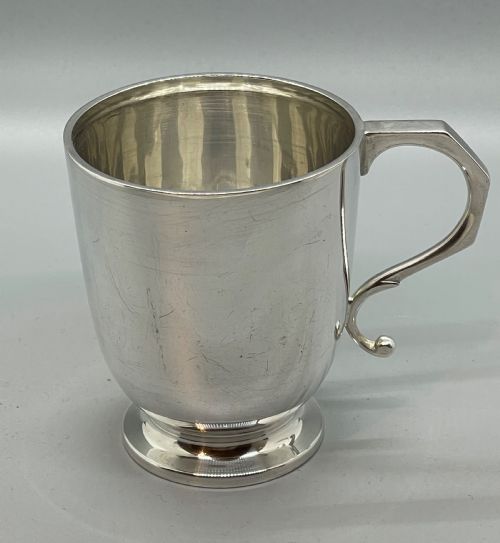
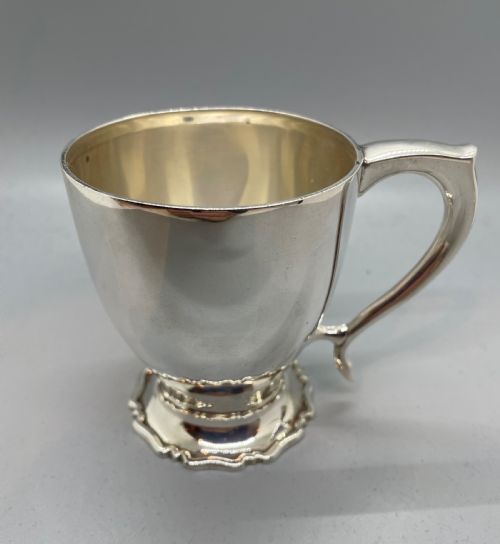
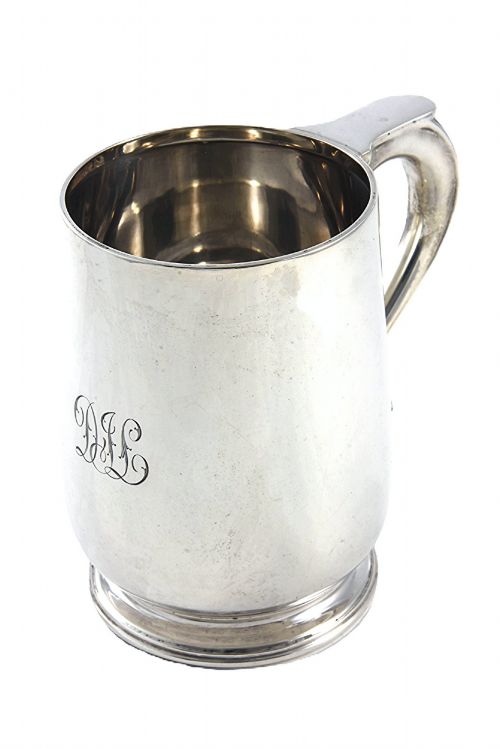
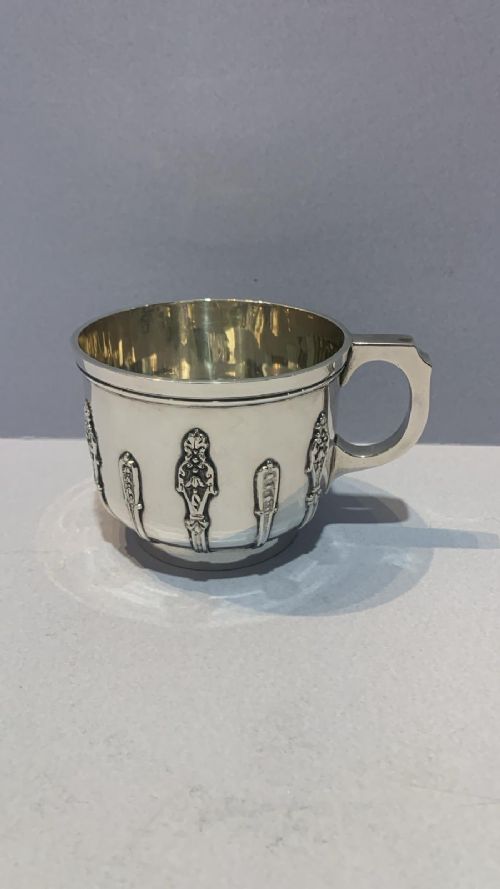
A vintage sterling silver tankard spans drinking vessels, christening mugs and barware produced across the nineteenth and twentieth centuries. These cylindrical or baluster forms serve as commemorative gifts, display pieces or functional drinking vessels.
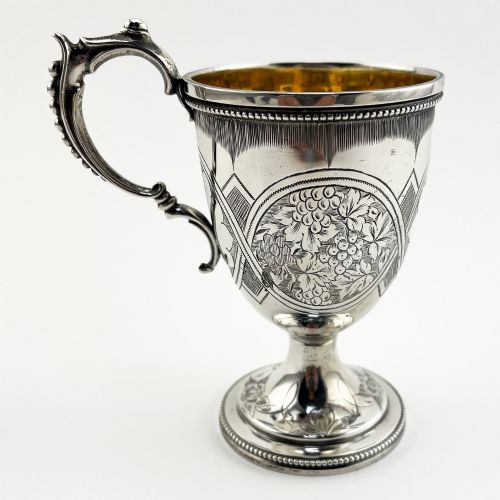
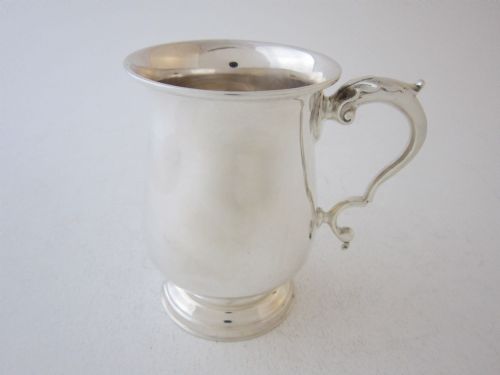
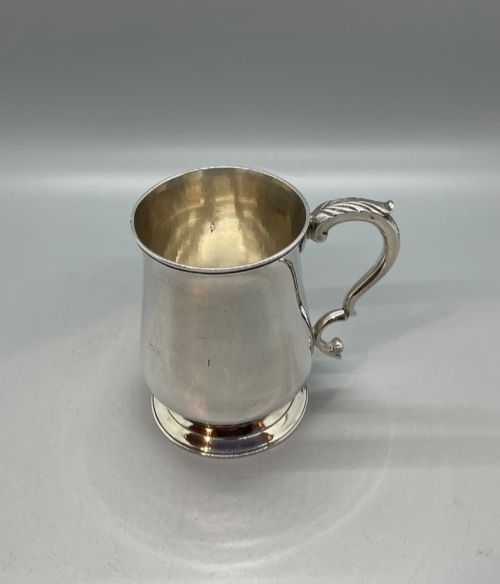
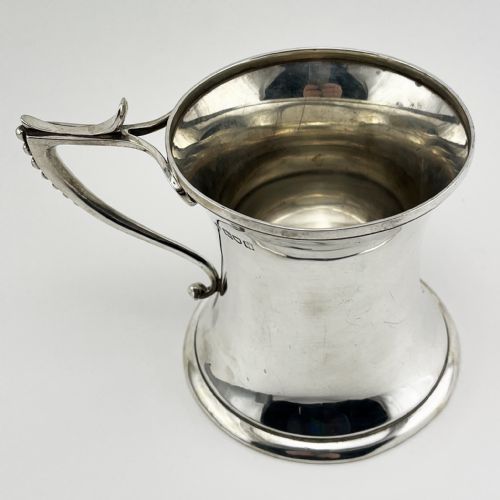
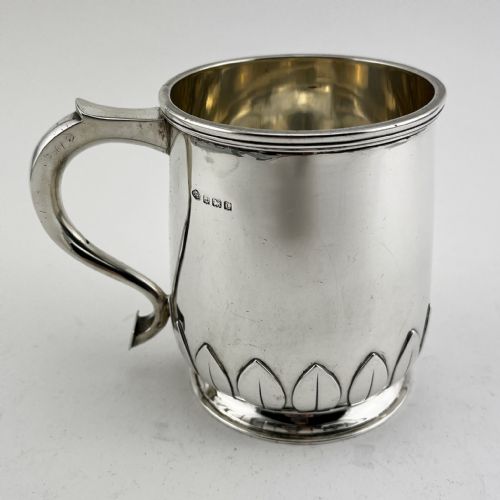
The selections here range from compact Edwardian christening cups to substantial George V pint tankards, alongside Georgian and Victorian examples. Many pieces display simple plain bodies, whilst others feature scroll handles and engraved decoration.
How they were made
Silversmiths constructed these vessels primarily from solid sterling silver, occasionally applying silver gilt or interior gilding to the metal surface. Makers shaped the bodies using traditional smithing techniques, mounting applied scroll handles onto the side.
Assay offices in London, Birmingham, Sheffield and Chester struck hallmarks directly onto the sterling silver, recording the standard, city and date of manufacture.
Match your pint tankard with a pair of antique novelty pepper pots shaped like birds or vegetables for a truly eccentric dining table.
What varies in quality
The distinction between standard examples and finer pieces rests upon wall thickness, handle attachment and the clarity of the maker punch. Substantial gauge silver provides a heavier weight in the hand, resisting dents and distortion during daily use.
Design sophistication separates mass-produced vessels from bespoke items, particularly where silversmiths integrated rococo scroll handles, baluster profiles or hand-engraved armorials.
Barker Bros·R E Stone·William Bateman
The Vintage Sterling Silver Tankard Glossary
- Sterling silver
- A silver alloy containing 92.5 percent pure silver and 7.5 percent other metals, usually copper, chosen for durability. This standard forms the baseline for British silver tankards.
- Hallmark
- A set of official marks stamped onto precious metal items to guarantee the metal standard, assay office, and year of manufacture. These small punches provide the primary dating evidence.
- Baluster
- A vase-like architectural form with a swelling lower body and a narrower neck, seen on many antique silver mugs. This curved silhouette derives from classical architecture.
- Silver gilt
- Sterling silver that has been coated with a thin layer of gold on its interior or exterior surface. This technique protects the silver from beverage corrosion and adds a warm interior tone.
- Christening mug
- A small presentation cup given to infants to mark a baptism, often inscribed with initials or dates. These smaller vessels frequently mirror the proportions of full-size pint tankards.
Vintage Sterling Silver Tankard: Frequently Asked Questions
How do I clean a silver tankard?
Wash the vessel in warm soapy water using a soft cloth, avoiding abrasive pads that scratch the metal surface. Dry thoroughly with a lint-free cloth to maintain the natural shine.
Use a specialist silver polish sparingly only when tarnish accumulates, taking care around engraved details and maker punches where residue can gather.
Can I drink from an antique tankard?
Sterling silver conducts temperature rapidly, meaning cold beverages chill the handle quickly whilst hot liquids make the vessel very warm to hold. Many owners utilise these pieces for beverages at room temperature or display them.
Check the interior for any gilding wear or historic repairs before everyday use, particularly on older Georgian or Victorian examples.
What is the difference between a mug and a tankard?
Historically, tankards often featured hinged lids and heavy capacities, whilst mugs remained open-topped drinking vessels. Over time, silversmiths and makers used these terms interchangeably for handled drinking vessels.
Many listings combine both labels to describe cylindrical silver vessels intended for household use or presentation.
How do I date a silver tankard?
Locate the hallmark punches stamped into the base, rim or handle of the sterling silver body. Match the assay office symbol and the date letter against official hallmarking tables.
Stylistic cues such as Edwardian plain bodies or George V Arts and Crafts influence provide secondary confirmation of the manufacturing era.