

Vintage Sterling Silver Frame
A vintage sterling silver frame turns a cherished portrait into a focal point, bringing tactile warmth and period elegance to a desk or mantelpiece.
Vintage Sterling Silver Frame
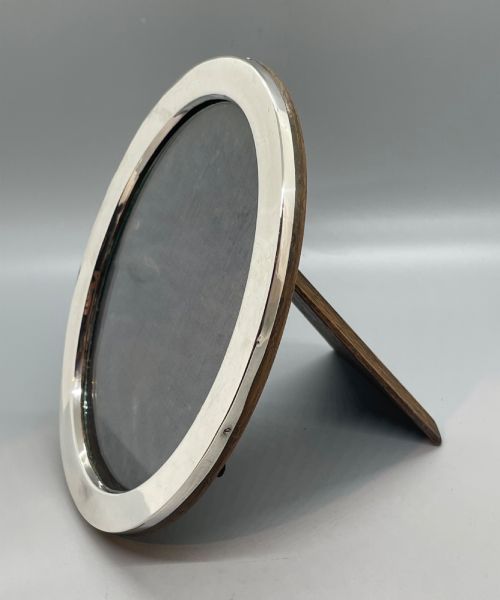
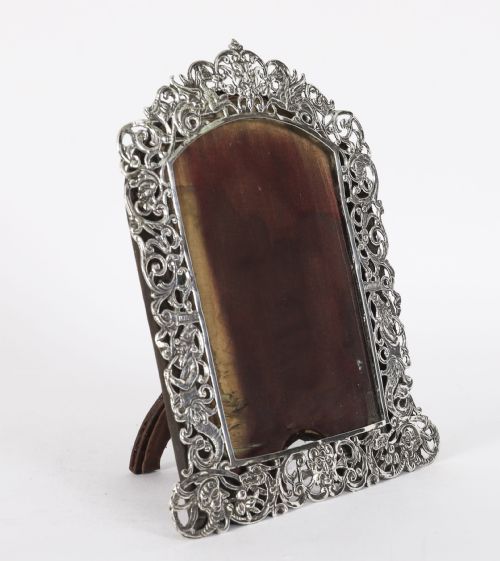
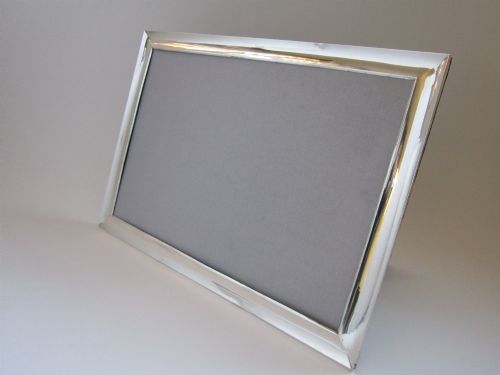
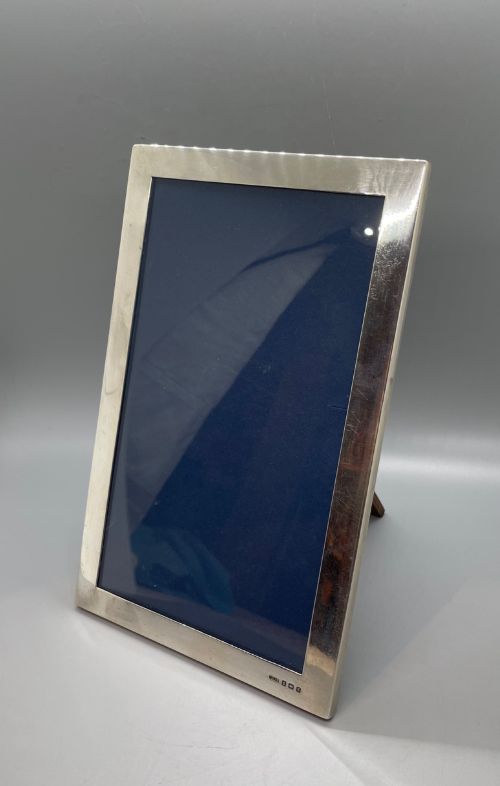
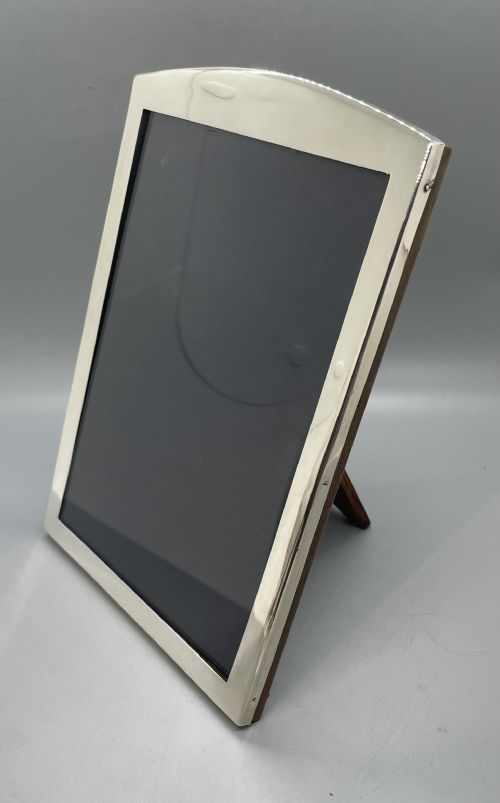
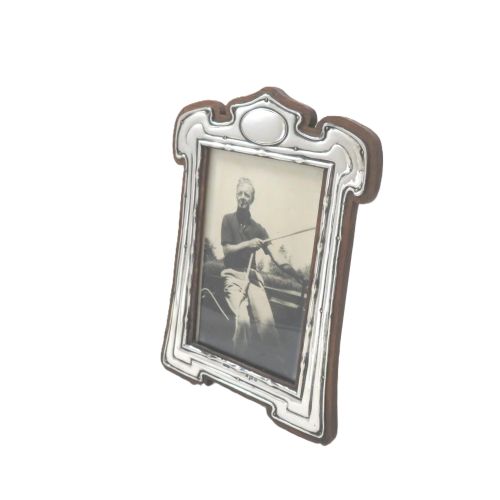
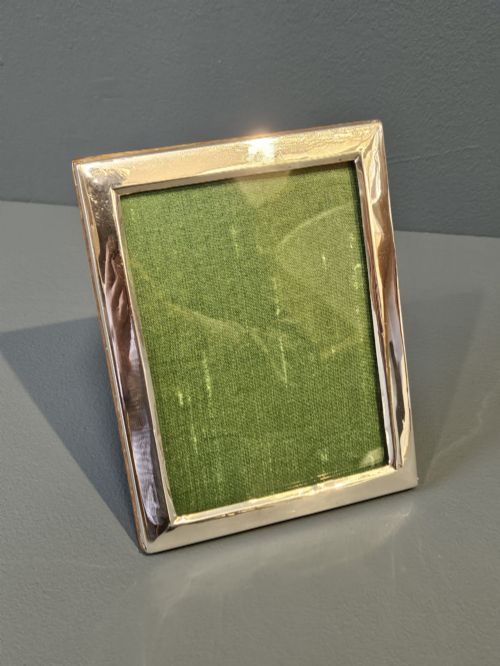
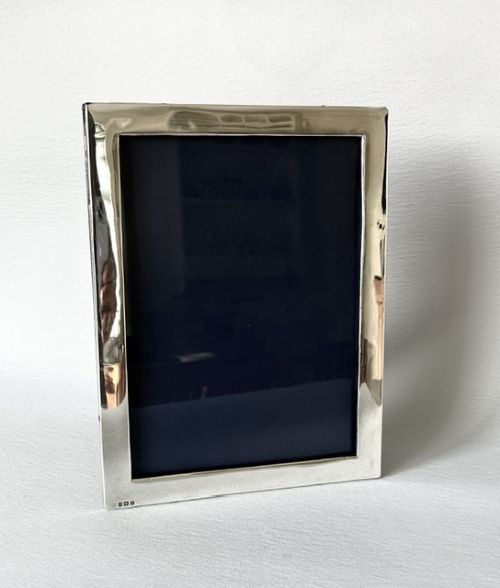
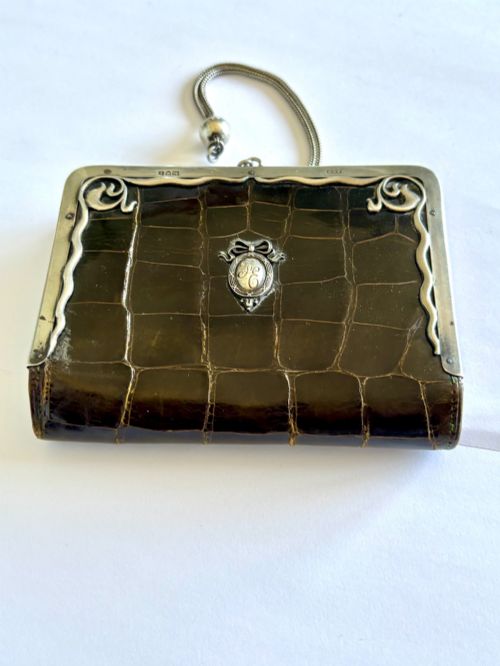
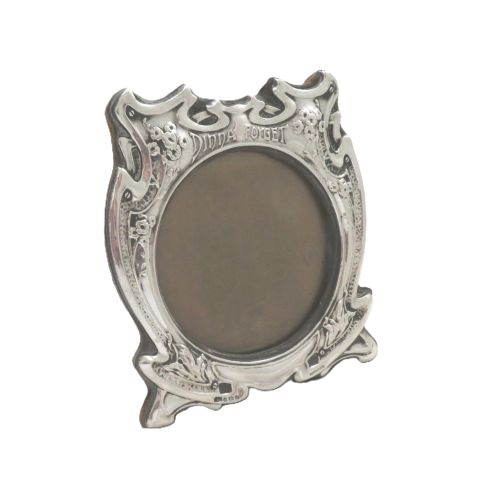
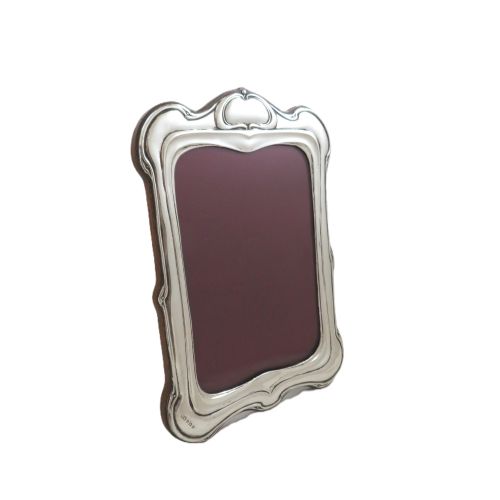
When you search for a vintage sterling silver frame, you encounter a selection of picture and photograph holders spanning the Victorian, Edwardian, and Art Deco eras, alongside mid-century examples. The pieces on this page primarily take the form of upright portrait and landscape photo frames, supplemented by occasional pocket watch holders and table mirrors.
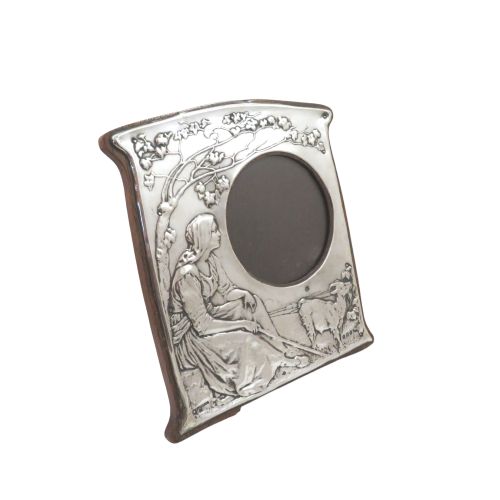
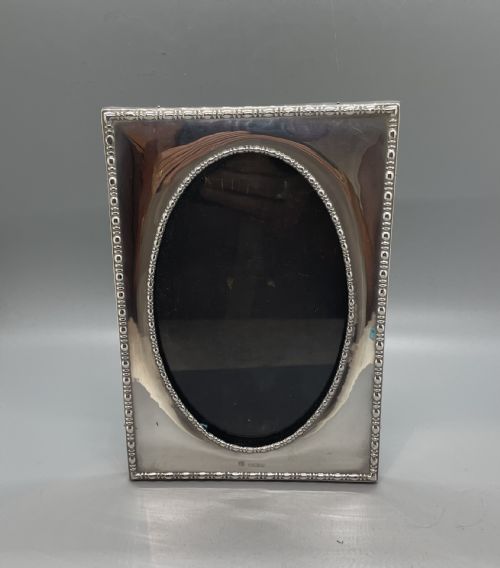
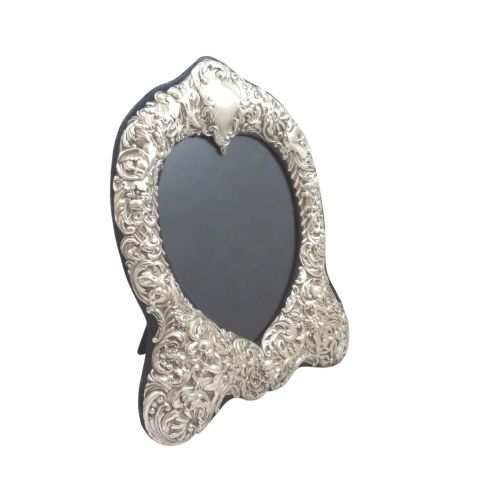
Most examples rely on wooden backs fitted with fabric struts, utilising materials such as velvet, leather, and hardwood to support the silver front. Styles range from flowing Art Nouveau motifs and embossed floral borders to the clean geometric patterns of the 1920s.
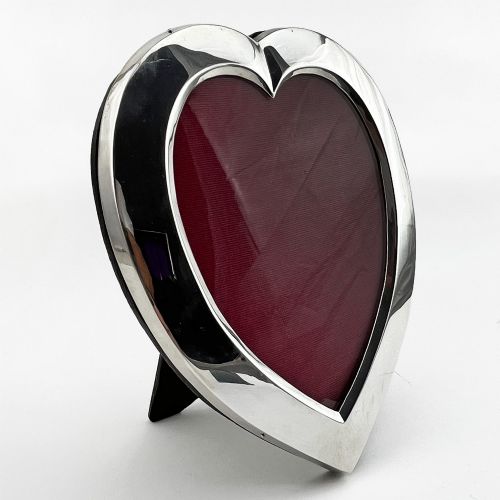
Makers utilised hallmarks to stamp city origins like Birmingham, Sheffield, and London, giving clear clues to date and manufacture. Buyers find both rectangular and shaped designs, including heart-shaped borders and circular formats.
How they were made
Silversmiths constructed these items by stamping, embossing, or engine-turning sheet sterling silver, then mounting the precious metal over a sturdy wooden interior shell. Artisans soldered decorative mounts and borders onto the main plate, often incorporating hinged struts made of wood and covered in velvet, leather, or fabric.
Makers applied glass fronts to protect the photographs inside, securing the paper contents behind removable wooden backs held by metal turn-pins. Hallmarks were punched directly into the silver border to denote purity and assay office origin.
Listings feature items from Victorian, Edwardian, and Art Deco periods, utilising sterling silver, wood, glass, velvet, and leather.
What varies in quality
The distinction between standard production pieces and superior examples lies in the depth of the metalwork and the complexity of the motifs. Hand-chased floral borders, figural scenes involving animals or cherubs, and crisp engine-turned geometric patterns demand higher skill than plain stamped surrounds.
The integrity of the backing materials also dictates the grade of the piece, with substantial hardwood backs covered in original leather or velvet standing apart from later replacements. Pieces bearing the marks of renowned makers command attention through heavier gauge silver and meticulous finishing.
Rosenthal, Jacob and Company·William Comyns·John Collard Vickery·Mappin Brothers·W. I. Broadway and Company·Asprey and Company
The Vintage Sterling Silver Frame Glossary
- Sterling silver
- An alloy containing 92.5 percent silver and 7.5 percent other metals, usually copper, chosen for durability in decorative objects.
- Hallmark
- A series of official marks stamped on precious metals indicating the maker, assay office, purity, and year of manufacture.
- Strut
- The hinged rear support leg that allows a frame to stand upright on a flat surface, frequently covered in velvet or leather.
- Engine-turned
- A decorative technique involving precise geometric patterns engraved into the metal surface by a specialised machine.
- Assay office
- An official body that tested and stamped precious metals to guarantee their standard of purity before sale.
Vintage Sterling Silver Frame: Frequently Asked Questions
How do I date a silver photo frame?
You date a silver photo frame by inspecting the hallmarks stamped along the border or edge. These small symbols reveal the assay office, standard mark, and a specific date letter corresponding to the year of manufacture.
Additional clues come from the overall style, such as flowing Art Nouveau floral motifs typical of the early 1900s or geometric engine-turned patterns from the Art Deco period.
What backs are original to these frames?
Original backs typically consist of oak, mahogany, or other hardwoods covered in dark velvet, watered silk, or leather. They feature an integrated hinged strut for desk display and metal turn-buttons to secure the glass and photograph.
Plain cardboard replacements or modern fixings usually indicate that the backing material has been changed over the decades of use.
Can I polish my sterling silver frame?
You can polish sterling silver frames gently using a specialised soft microfibre cloth and a mild, non-abrasive silver polish. Avoid aggressive rubbing on embossed areas or near fabric and glass components to protect the surrounding materials.
Many collectors prefer to leave a light, natural patina in the recessed corners as evidence of age and honest handling.
How were these frames displayed originally?
These frames were designed primarily to sit upright on dressing tables, writing desks, and mantelpieces in Edwardian and Victorian interiors. The sturdy wooden strut allowed them to maintain a stable vertical position on any flat surface.
Some larger examples functioned as table mirrors or desk accessories, while smaller versions were carried as pocket items or handbags.