

Vintage Sterling Jewellery
Vintage sterling jewellery brings together decades of silverwork, from Victorian bangles to Scandinavian modernism, offering enduring style and tangible history.
Vintage Sterling Jewellery
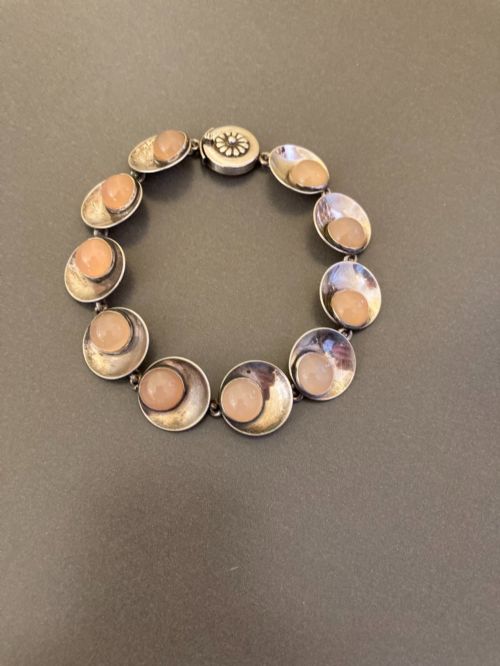
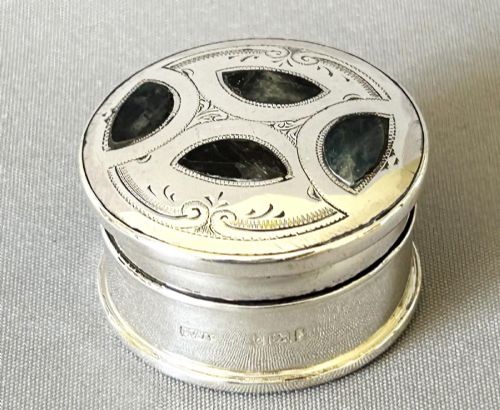
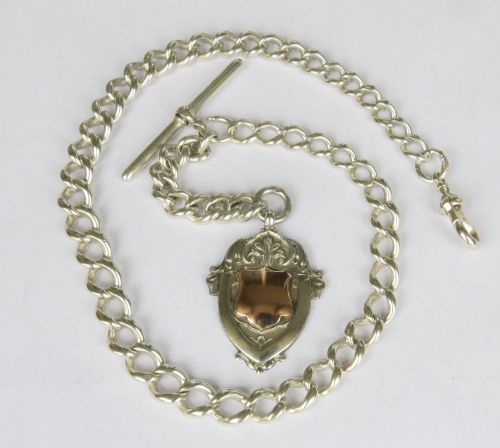
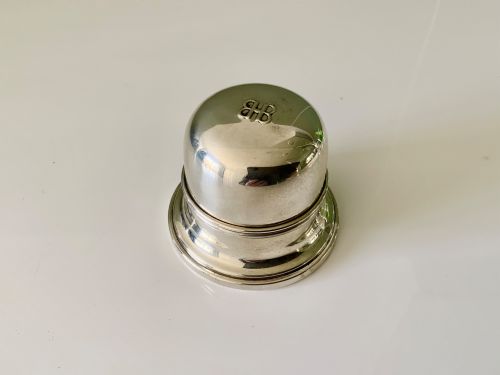
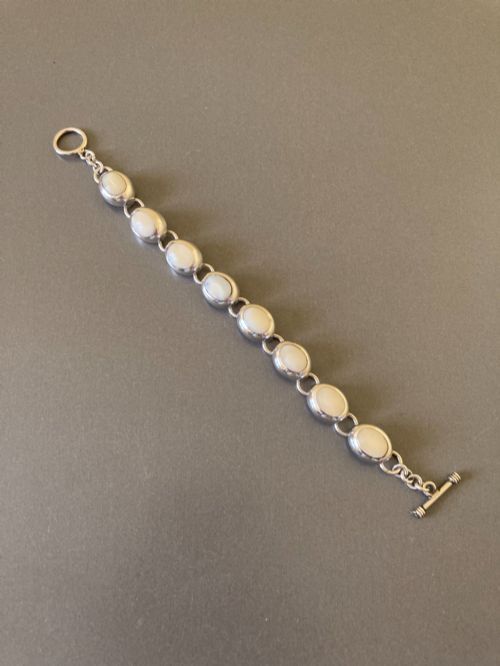
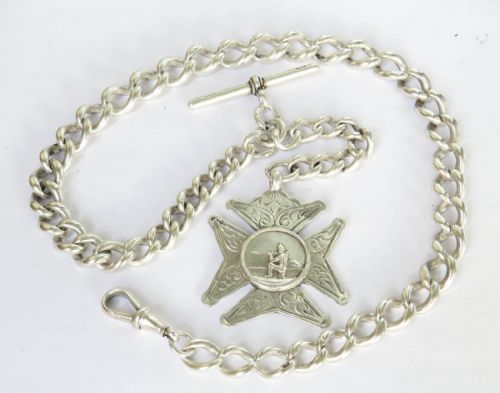
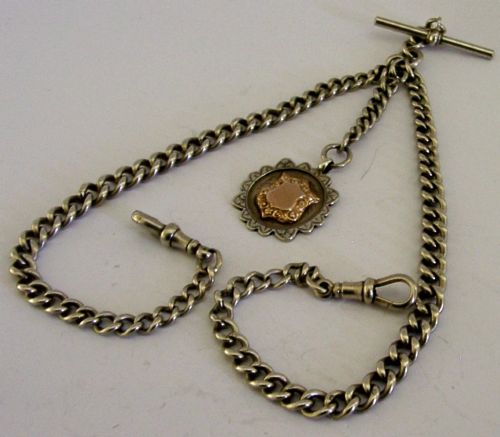
Vintage sterling jewellery encompasses wearable silver adornments alongside related items like trinket boxes, spanning periods from the Victorian era through the 1960s. Buyers searching for vintage sterling jewellery encounter diverse forms including bangles, brooches, necklaces, rings, and pocket watch chains.
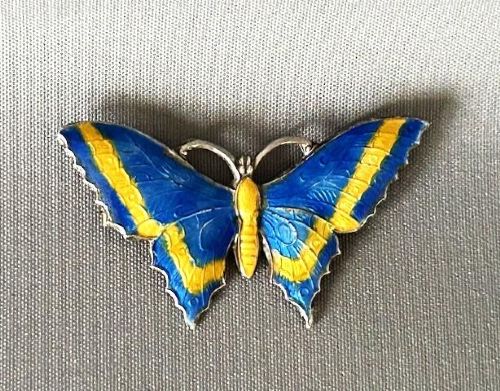
The selection ranges from heavy curb link bracelets with dog clips to geometric Art Deco pieces and modernist Danish designs. Common motifs include floral engravings, celestial stars, and figurative animal brooches set alongside functional boxes intended for storage.
How they were made
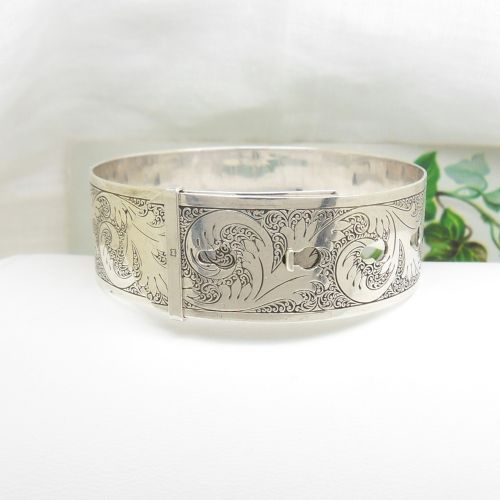
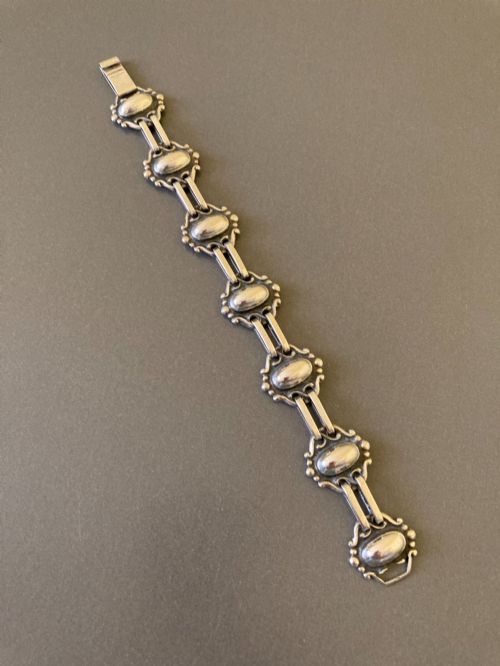
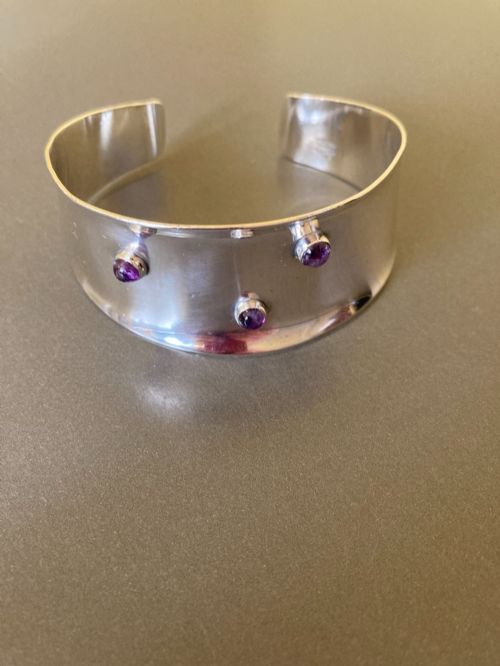
Items rely heavily on solid sterling silver and silver construction, often shaped into heavy belcher links, hinged cuffs, or intricate filigree. Workshops utilise traditional techniques such as hand engraving, stone setting, and link assembly to build robust chains and clasps.
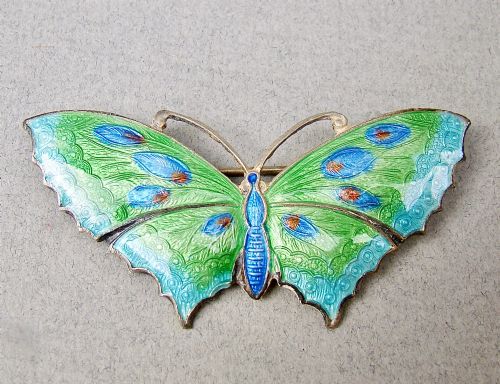
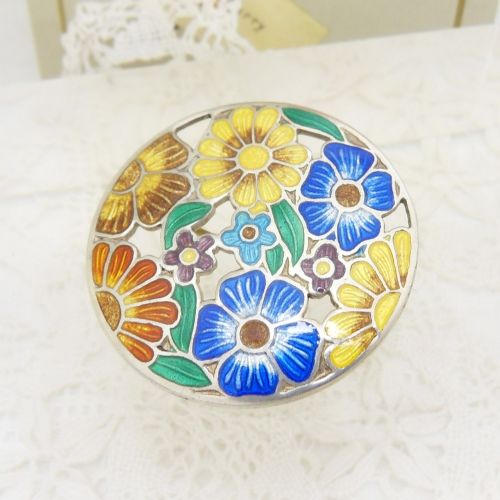
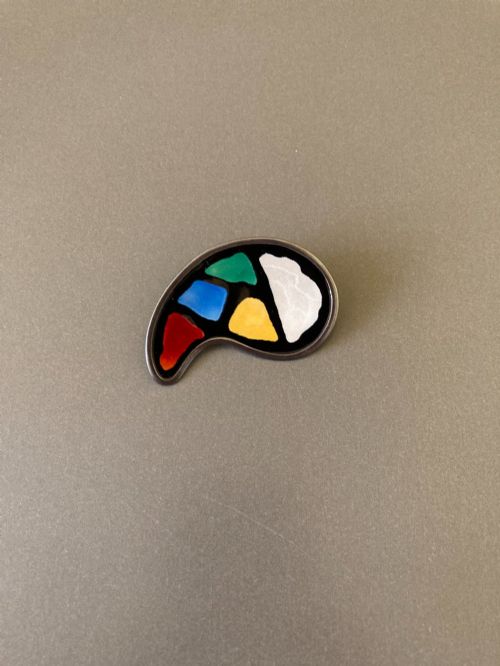
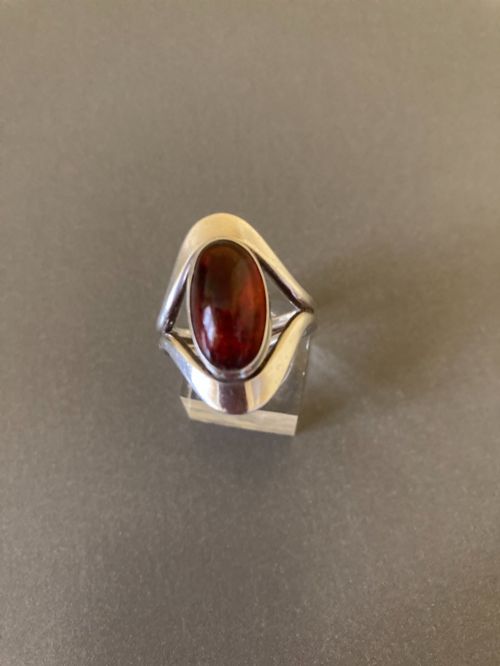
Colour is introduced through vitreous enamel, guilloche enamel, and butterfly wing panels. Makers also mount natural stones including amethyst, moonstone, jade, amber, onyx, and marcasite within the silver framework.
Vintage Sterling Jewellery Retail Price Guide 2026
Typical asking prices for vintage sterling jewellery among the pieces listed under this phrase on Sellingantiques today, from the lower quarter to the upper quarter. They describe what is for sale here now, not the wider market.
Materials recorded across the inventory include sterling silver, vitreous enamel, amethyst, moonstone, jade, amber, and onyx.
What varies in quality
Quality rests upon the weight of the silver gauge and the crispness of the hand-engraved or stamped details. Substantial pieces with solid construction and intact components hold greater distinction than lighter iterations.
The precision of enamelling and the secure, flush setting of cabochon or faceted stones distinguish standard work from finer studio output. Maker attribution and well-preserved original patination also elevate individual examples.
N E From·Georg Jensen·Vivianna Torun Bulow Hube·Mappin & Webb·Aksel Holmsen·A H Darby & Son
The Vintage Sterling Jewellery Glossary
- Sterling silver
- An alloy consisting of silver and other metals, typically copper, meeting a specific fineness standard. This metal forms the primary body for the majority of items.
- Cabochon
- A gem polished to a smooth convex dome rather than faceted. This cut appears frequently on amethysts and moonstones.
- Marcasite
- Small, faceted pyrite stones polished and set closely into silver mounts. They provide a dark metallic sparkle common in Art Deco designs.
- Guilloche
- A decorative technique where a precise pattern is mechanically engraved into metal beneath a translucent layer of enamel. This method creates repeating geometric waves of colour.
- Dog clip
- A spring-loaded swivel clasp utilised on watch chains and heavy bracelets. It secures the ends of curb link chains and pocket watch attachments.
Vintage Sterling Jewellery: Frequently Asked Questions
How do I date these pieces?
Dating relies on stylistic markers, such as geometric Art Deco lines or mid-century modernist forms, combined with hallmarks where present.
Specific design cues, including safety clasps or specific stone cuts, help narrow down the decade of production.
Were watch chains worn as necklaces?
Pocket watch albert chains were originally designed to anchor timepieces to waistcoats or lapels in the Victorian and Edwardian periods.
Contemporary wearers frequently adapt these double albert chains to serve as substantial necklaces.
What is a trinket box used for?
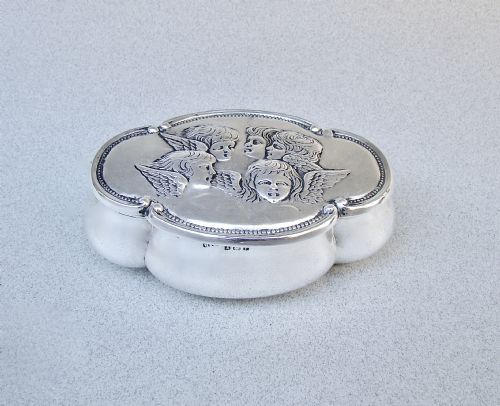
Trinket boxes and caskets made from solid silver were produced to house smaller personal valuables on dressing tables.
Regimental boxes and lined caskets served both decorative display and practical storage functions.
How should I clean silver jewellery?
Standard maintenance involves gentle wiping with a soft microfibre cloth to remove daily tarnish.
Harsh chemical dips should be avoided, particularly on pieces containing enamel, pearls, or softer stones like amber.