

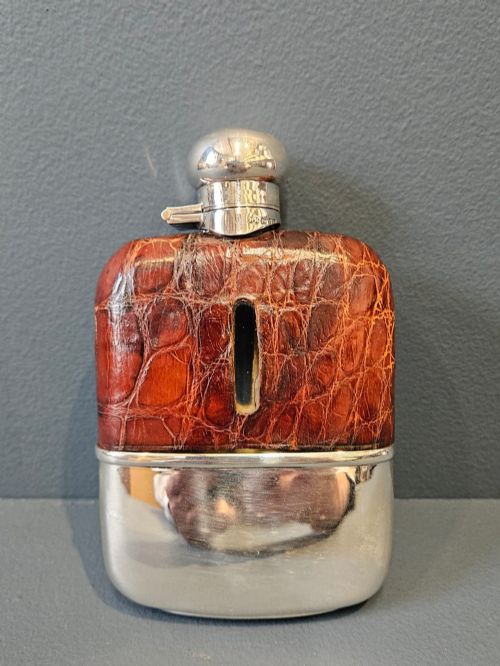


Vintage Sterling Flask
Vintage sterling flask examples combine solid silver mounts with glass, crystal or crocodile leather for carrying spirits and scents.
Vintage Sterling Flask
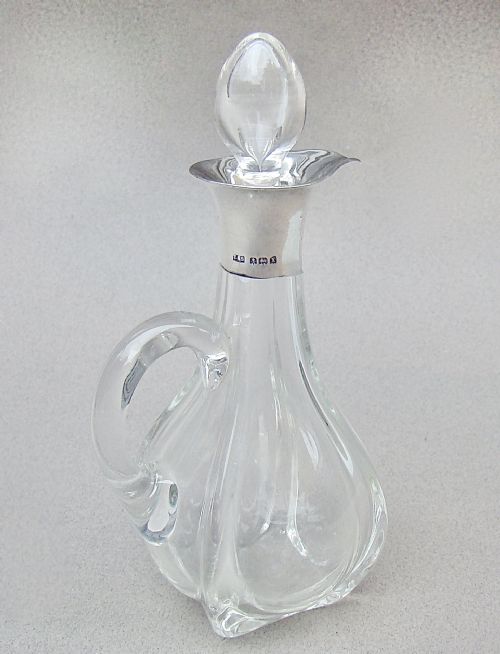
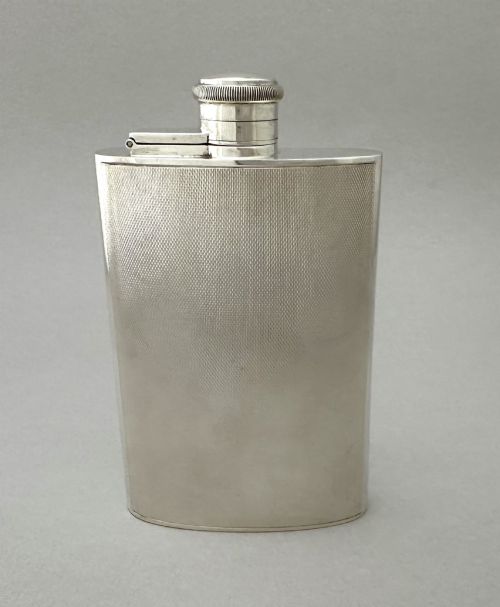
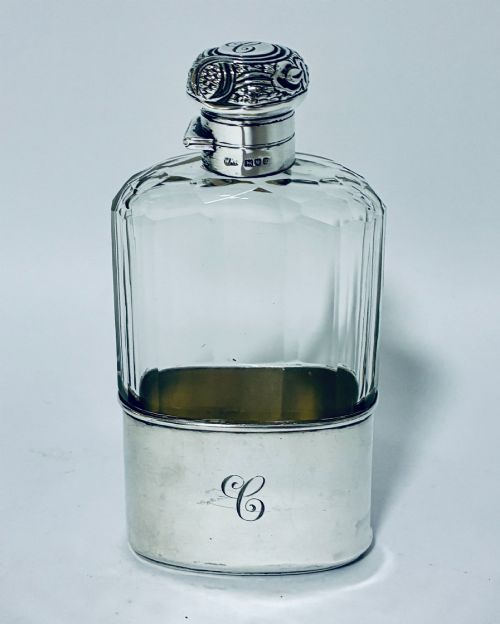
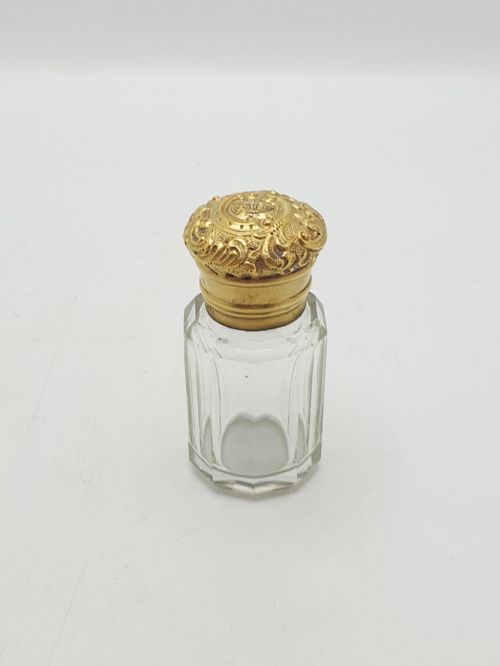
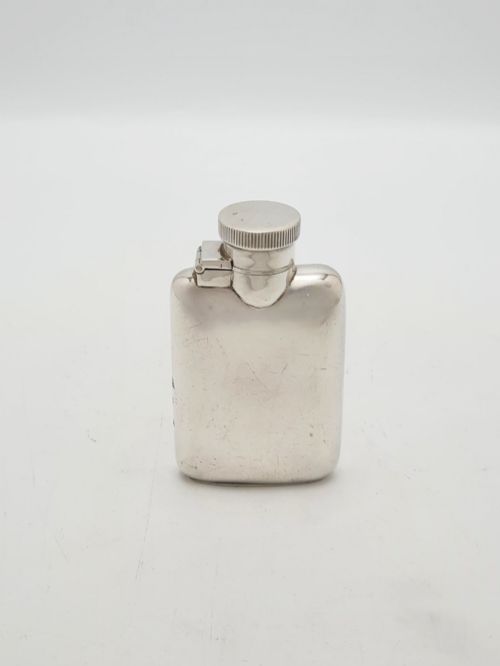
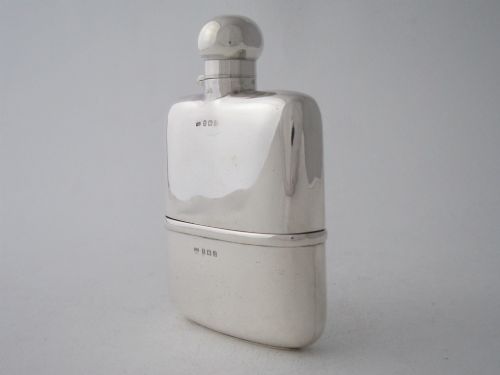
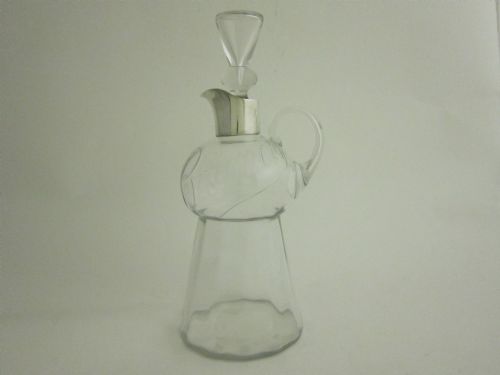
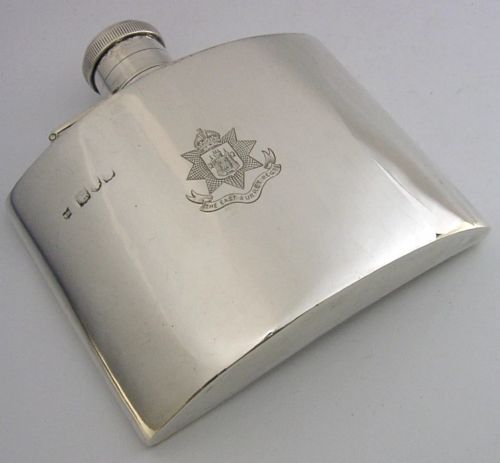
A vintage sterling flask encompasses items like hip flasks, spirit flasks, and scent bottles created during the Victorian, Edwardian, and Art Deco periods. Buyers seeking a vintage sterling flask typically encounter forms fashioned from sterling silver combined with glass, cut crystal, or crocodile leather.
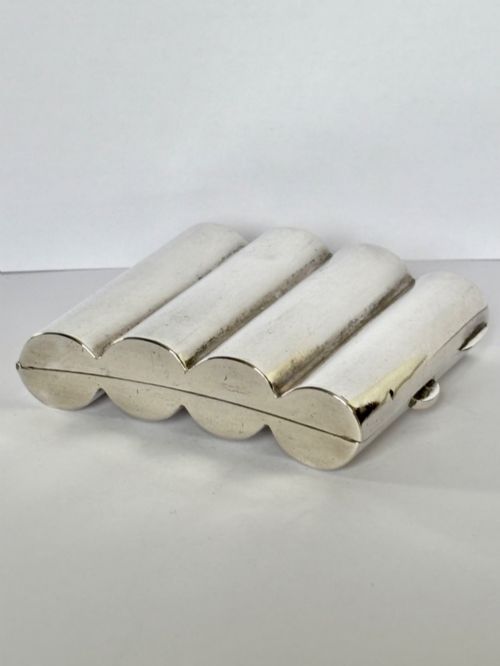
The selections span from late 19th-century hunting styles and military pieces to geometric Art Deco designs from the 1920s and 1930s. These vessels served practical uses for carrying spirits or perfumes, originating from workshops in London, Birmingham, and Chester alongside continental makers.
Materials and construction methods
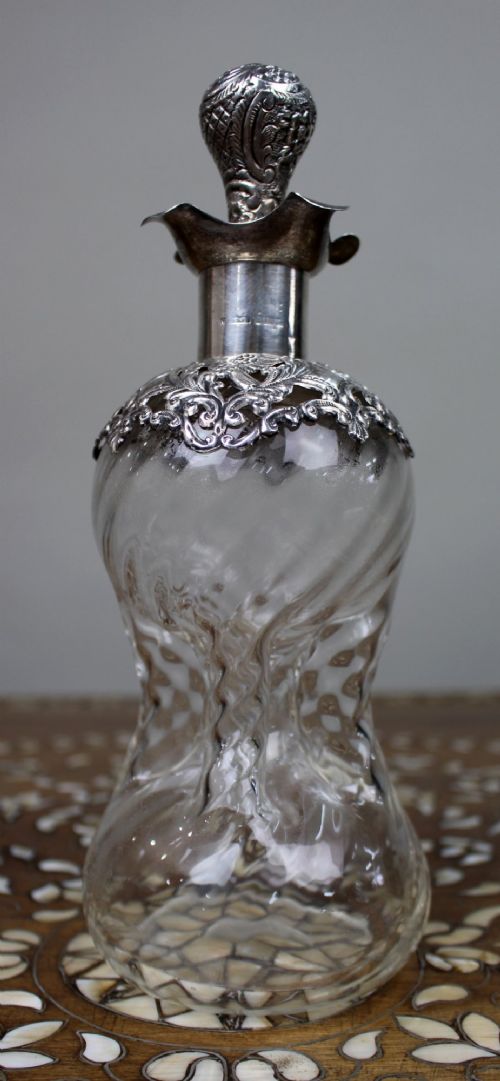
Maker workshops utilised sterling silver for caps, collars, removable cups, and metal body overlays, frequently pairing the metal with clear cut glass or robust crystal bodies. Certain examples incorporate crocodile leather wraps or tortoiseshell panels fitted tightly around the glass interiors.
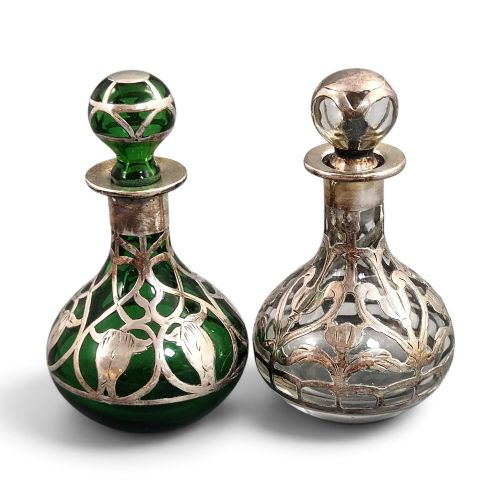
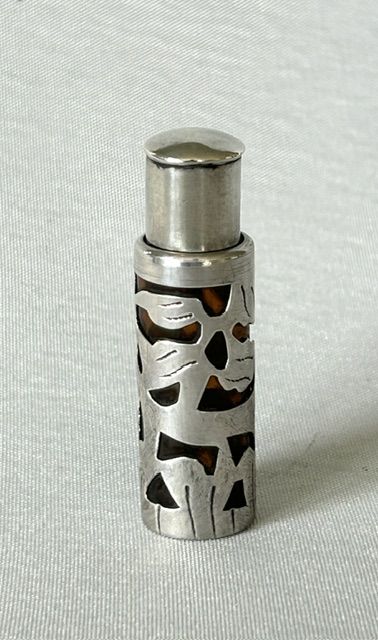
Surface decoration relies on techniques such as hammer finishing, guilloche enamel work, and delicate silver overlay designs applied in organic Art Nouveau or linear Art Deco motifs. Cork stoppers and flip-top mechanisms provide seals for the liquid contents inside.
Vintage Sterling Flask Retail Price Guide 2026
Typical asking prices for vintage sterling flask among the pieces listed under this phrase on Sellingantiques today, from the lower quarter to the upper quarter. They describe what is for sale here now, not the wider market.
Listings include items from the Victorian, Edwardian, and George V eras, utilising sterling silver, cut glass, enamel, and crocodile leather.
Distinctions in construction and finish
Quality differences emerge in the weight of the sterling silver mounts and the intricacy of decorative treatments like hand-applied guilloche enamel or complex silver overlays. Examples featuring complete matching removable cups or specialised leatherwork demonstrate higher levels of original craftsmanship.
The clarity of the cut glass bodies and the precision of the hallmarking stamps stamped by assay offices in Birmingham, Chester, or London further distinguish the execution of individual pieces.
Gorham·Hukin & Heath·Asprey London·William Neale·JB Chatterley & Sons·Barnsley & Co·G H James & Co·W A Ellwick Ltd
The Vintage Sterling Flask Glossary
- Sterling silver
- An alloy containing 92.5 percent silver by mass, utilised extensively for the caps and bodies of these flasks. This standard material is marked with specific assay office hallmarks.
- Guilloche enamel
- A decorative technique where intricate patterns are engine-turned onto metal beneath translucent enamel layers. This method appears on decorative perfume bottles and scent flasks.
- Removable cup
- A small drinking vessel fitted to the base of a hip flask that slides off for use. It is commonly found on Victorian hunting style containers.
- Whisky noggin
- A small vessel designed for serving spirits, often featuring a silver cap and a glass body. These items function as barware for individual portions.
- Silver overlay
- A decorative process where sterling silver is applied over a glass or crystal core in floral or abstract patterns. This technique characterises Art Nouveau pieces.
Vintage Sterling Flask: Frequently Asked Questions
What are vintage sterling flasks made of?
These pieces combine sterling silver mounts, caps, and cups with bodies formed from clear glass, cut crystal, or crocodile leather. Tortoiseshell and enamel also appear on select continental and domestic examples.
Internal stoppers frequently utilise cork to secure liquid contents inside the silver collars.
How do I identify the date of a flask?
Assay office hallmarks stamped onto the silver components provide specific town marks, standard marks, and date letters corresponding to the year of manufacture. Stylistic indicators like Art Deco geometry or Victorian ornamentation also help narrow down the period.
Makers' marks stamped alongside the hallmarks point to the specific workshop or silversmith responsible for the item.
Were these flasks used for hunting?
Certain forms were specifically designed for hunting and military use, featuring durable crocodile leather wraps or removable base cups for drinking in the field. Other variations served as portable containers for personal scents and perfume.
Their robust construction allowed riders and travellers to carry spirits securely during outdoor excursions.
How do I care for silver and glass flasks?
Clean the silver components gently using appropriate polish while avoiding contact with fragile enamel or leather wraps. Rinse the glass or crystal interiors carefully and ensure cork stoppers remain dry during storage.
Displaying the pieces away from direct moisture preserves both the metal finishes and the organic materials.