




Vintage Sterling Casket
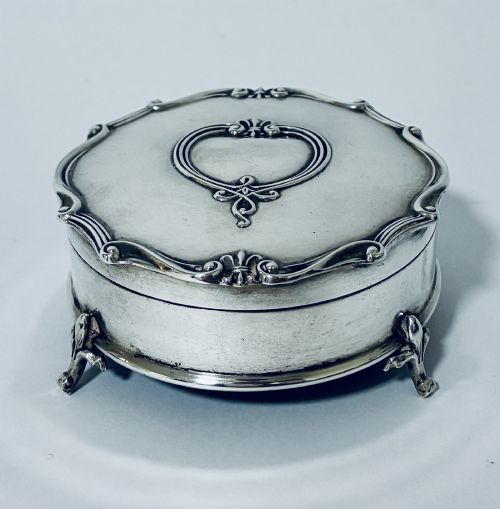
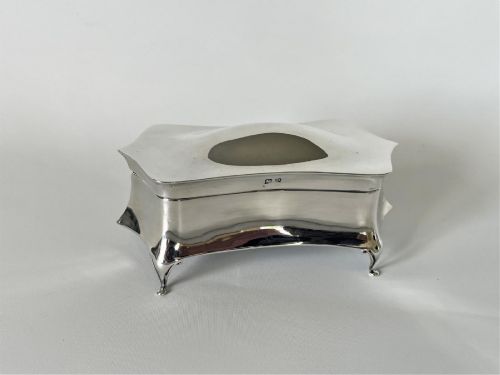
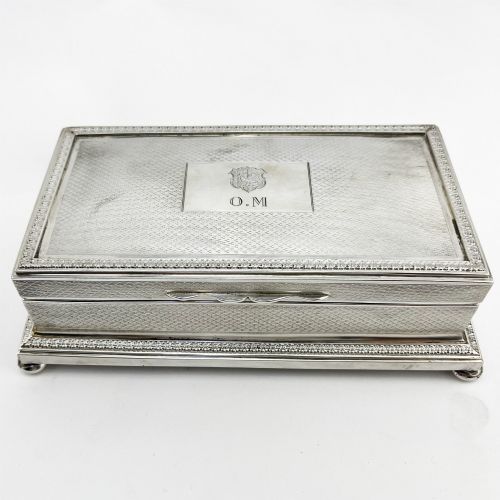
A vintage sterling casket sits upon a dressing table or desk to hold rings, trinkets, cards, or cigarettes.
Vintage Sterling Casket
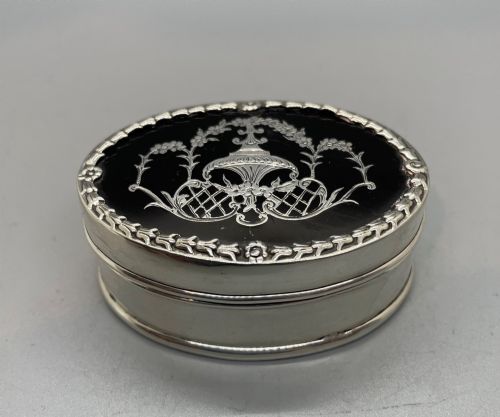
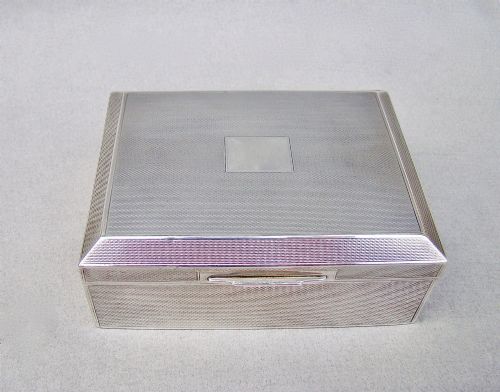
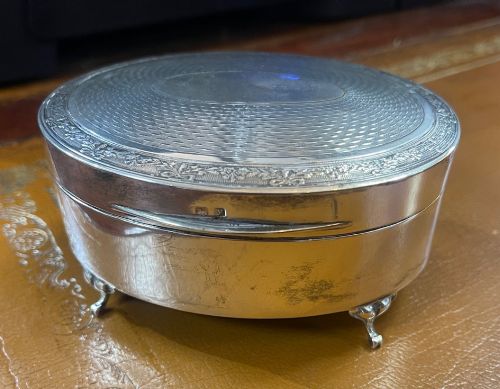
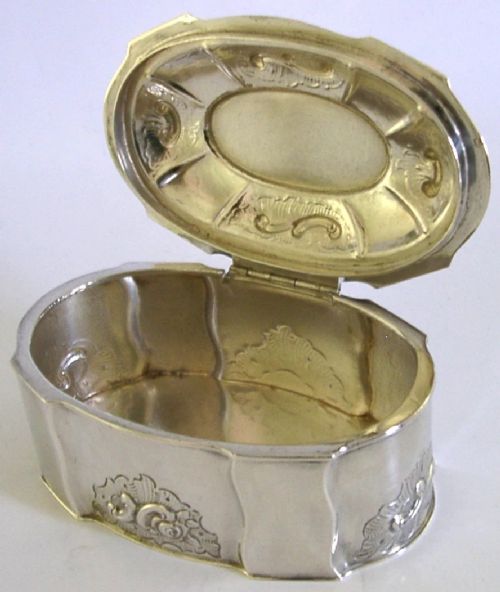
When searching for a vintage sterling casket, a buyer encounters a variety of small lidded containers designed for vanity and desk use. These pieces include jewellery boxes, trinket boxes, cigarette boxes, and playing card boxes made from silver and related materials.
The versions met most frequently on this page span the Victorian, Edwardian, and Art Deco periods, stretching from the late nineteenth century through the mid-twentieth century. Origin points range from English assay offices such as Birmingham and Chester to Danish workshops and Chinese export makers.
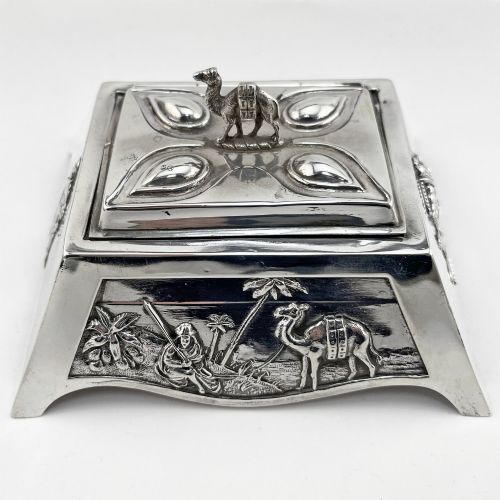
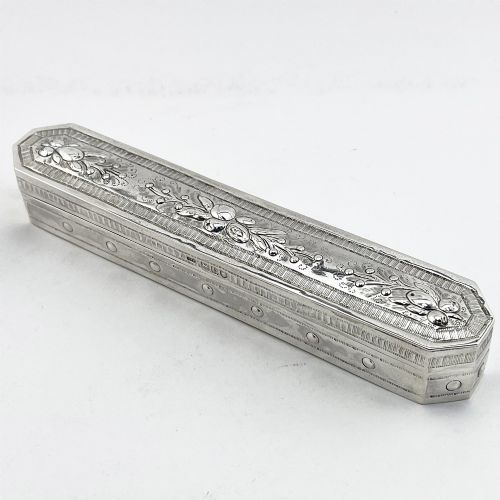
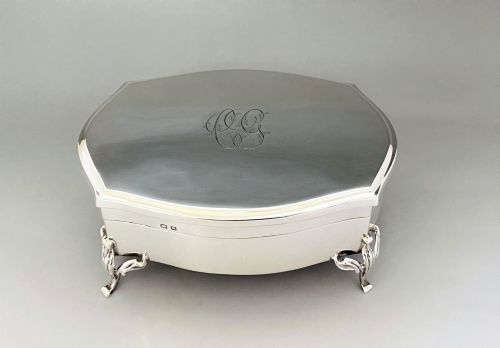
Forms vary from simple oval and heart-shaped vessels to larger footed caskets and dresser-style boxes with specialised internal trays. Many function as receptacles for personal valuables, while others serve specific purposes like housing playing cards or tobacco.
How they were made
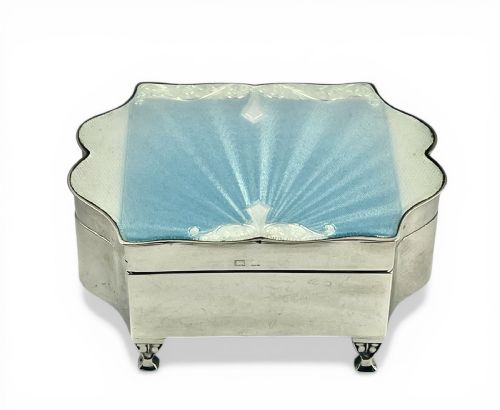
Maker workshops construct these vessels primarily from sterling silver, solid silver, and standard silver, often employing a good gauge of metal for structural integrity. Exterior surfaces frequently incorporate decorative panels of enamel, tortoiseshell, white onyx, lapis lazuli, or cut crystal inset into the silver frame.
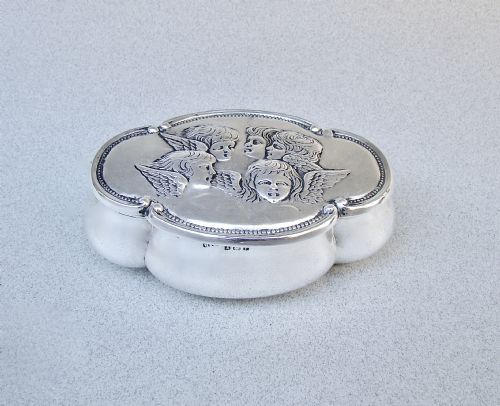
Silversmiths utilise techniques such as repoussé work, seen in figurative motifs like Reynolds' angels or twin dragons, alongside geometric Art Deco styling and clean Scandinavian mid-century lines. Hallmarks stamped into the metal record the assay town, purity standard, and year of manufacture.
Vintage Sterling Casket Retail Price Guide 2026
Typical asking prices for vintage sterling casket among the pieces listed under this phrase on Sellingantiques today, from the lower quarter to the upper quarter. They describe what is for sale here now, not the wider market.
Materials appearing across the collection include sterling silver, enamel, tortoiseshell, porcelain, white onyx, lapis lazuli, and cut crystal.
What varies in quality
The thickness of the metal plate determines the tactile substance of the box, distinguishing heavy, substantial pieces from lighter, more pliable ones. Superior examples maintain crisp detail in embossed or chased ornamentation, such as figurative panels or geometric borders.
The integration of secondary materials like enamel, tortoiseshell, or white onyx dictates the refinement of the piece. Impeccably fitted lids, intact interior linings, and clear, legible hallmarks separate ordinary utility boxes from finer decorative caskets.
B & Co·Henry Matthews·Mappin & Webb·Wang Hing & Co·William Neale & Sons·Deakin & Francis
The Vintage Sterling Casket Glossary
- Sterling silver
- A silver alloy containing 92.5 percent pure silver and 7.5 percent other metals, usually copper, to increase durability.
- Hallmark
- A series of official marks stamped on items made of precious metals, indicating the maker, purity, assay office, and year.
- Repoussé
- A metalworking technique in which a malleable metal is ornamented or shaped by hammering from the reverse side.
- Assay office
- A body that tests the purity of precious metals and stamps items with the appropriate hallmarks before sale.
- Casket
- A small decorative box or chest used for storing jewellery, trinkets, or other valuable items.
Vintage Sterling Casket: Frequently Asked Questions
What were sterling caskets used for originally?
These boxes held precious personal items on dressing tables, desks, and sideboards. Owners stored rings, brooches, visiting cards, cigarettes, or loose trinkets inside them.
Larger caskets served as general receptacles for dressing table accessories. Specialised versions contained internal trays specifically designed for playing cards.
How can I tell the date of a silver box?
British pieces carry hallmarks that include a specific letter code denoting the year of manufacture. Assay office marks from locations like Birmingham or Chester help narrow down the provenance.
Stylistic indicators such as Edwardian floral motifs or Art Deco geometric lines also point to particular decades.
What materials are combined with silver in these boxes?
Silversmiths frequently paired sterling silver with natural and decorative materials on lid inserts and body panels. Tortoiseshell, coloured enamel, and cut crystal appear regularly across Edwardian and Art Deco examples.
Mid-century pieces sometimes incorporate hardstones like white onyx and lapis lazuli into the metal framework.
How do I care for a vintage silver casket?
Keep the silver clean using a soft cloth designed for precious metals to remove natural tarnish. Avoid abrasive cleaners that can damage engraved details or delicate enamel and tortoiseshell panels.
Place the box away from direct heat and moisture to protect any organic materials or fabric linings housed inside.