



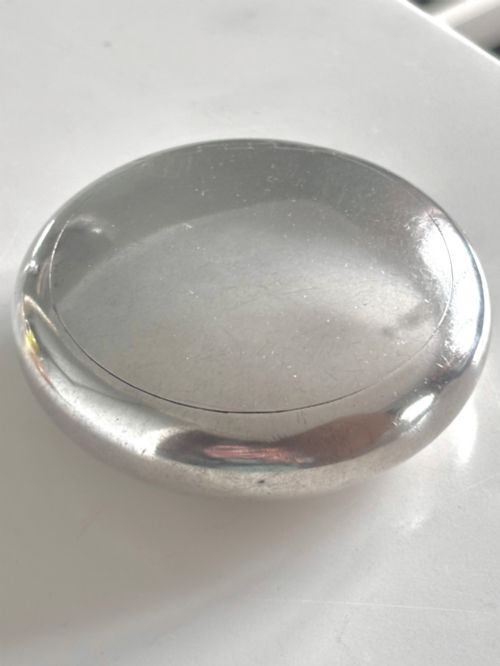
Vintage Sterling Box
When you search for vintage sterling box, you discover receptacles designed to contain vanity items, cigarettes, pills, and trinkets in precious metal.
Vintage Sterling Box
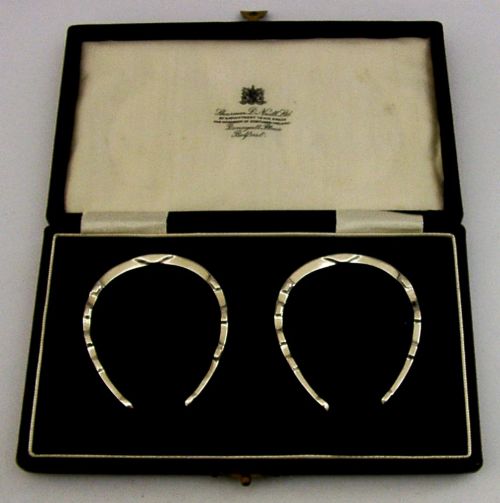
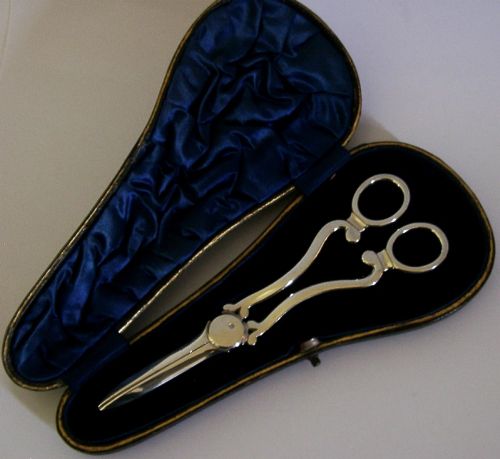
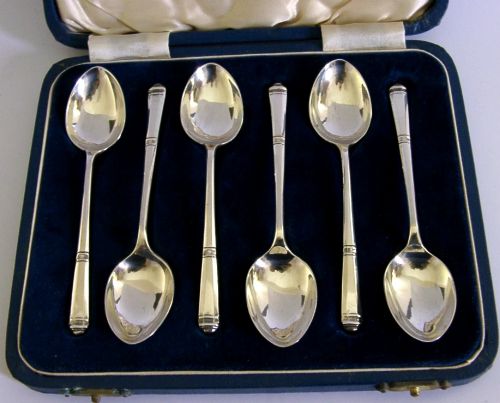
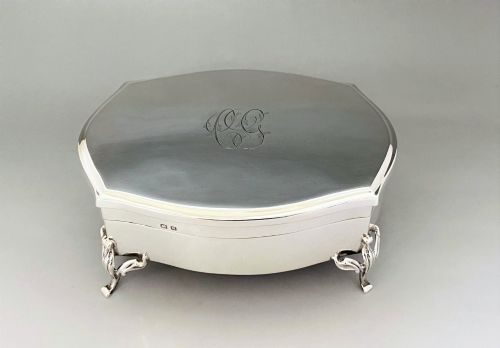
A buyer examining a vintage sterling box encounters items spanning from the late Victorian period through the mid-twentieth century, with strong representation from the Edwardian era and the 1920s and 1930s. The assortment encompasses trinket boxes, cigarette dispensers, vanity jars, tea caddies, and specialised containers like pyx boxes and pill boxes.
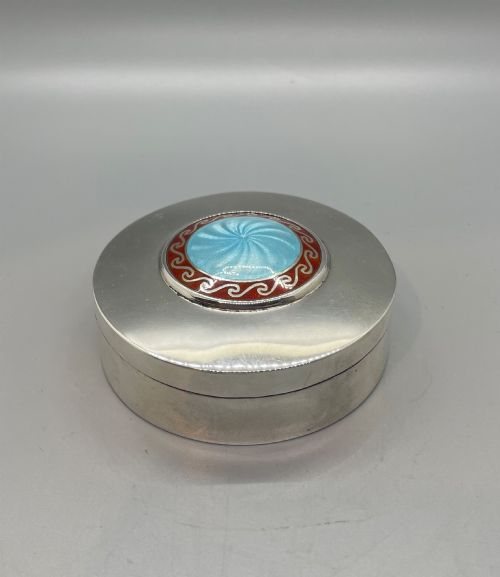
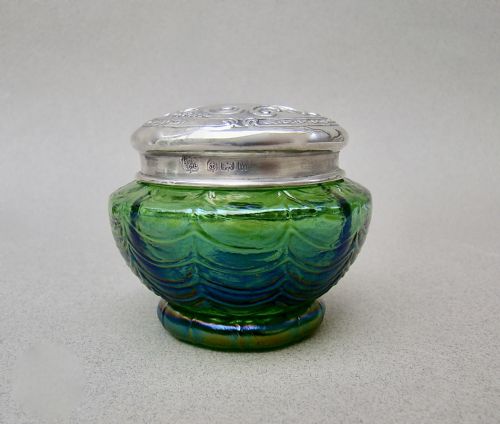
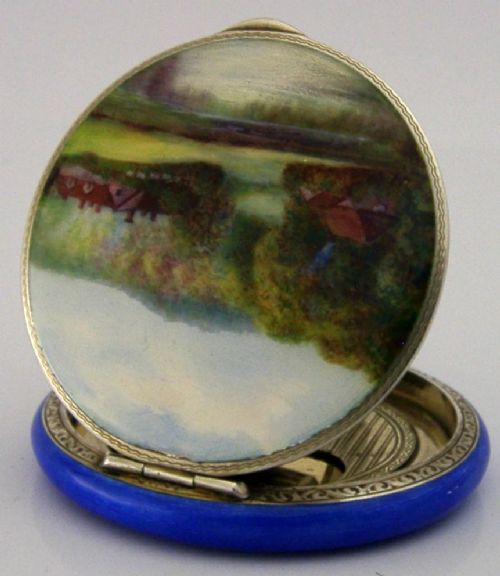
Many examples incorporate glass, enamel, or mother of pearl alongside the primary metalwork, reflecting the decorative priorities of their respective decades. The forms range from simple geometric shapes of the Art Deco period to ornate Edwardian designs and specialised novelty configurations.
Materials and construction
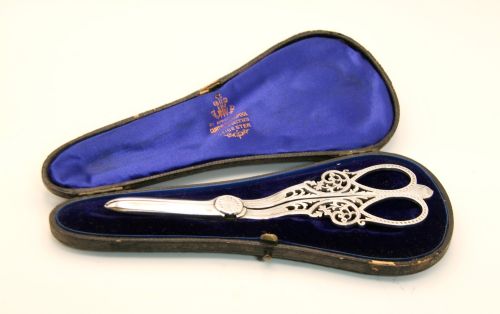
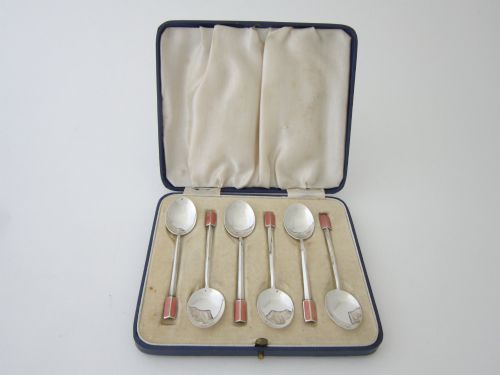
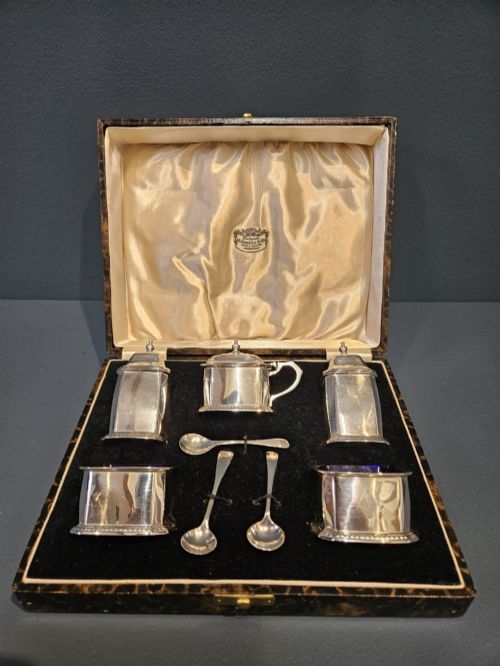
The objects are constructed predominantly from sterling silver, frequently paired with interior linings of velvet, silk, satin, or leatherette to protect delicate contents. Makers utilised glass bodies with silver lids, alongside specialist techniques such as guilloché enamel work and hand-painted miniature decoration.
Structural elements rely on traditional silversmithing methods including stamping, casting, and hinge-fitting, often augmented by gilding or parcel-gilding on ecclesiastical and luxury pieces.
Among the small receptacles hide curious animal-shaped pill boxes and silver snipe figures.
Markers of standard
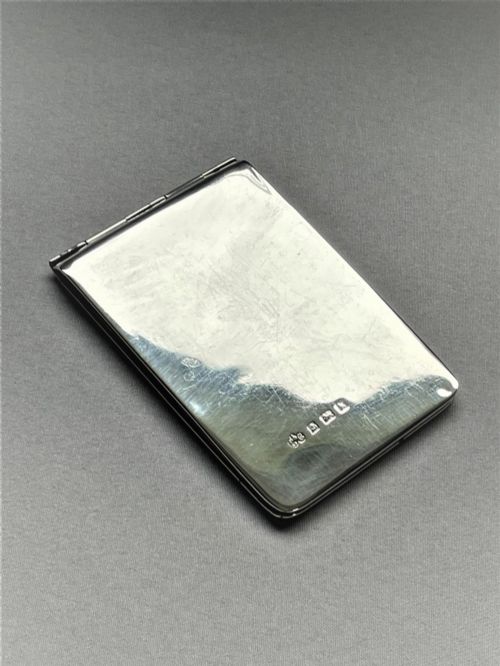
The standard of a vintage sterling box is distinguished by the crispness of its hallmarks, the weight and gauge of the silver sheet used in its construction, and the integrity of any applied enamel or glass components. Pieces featuring crisp hand-engraving, intact interior linings, and smoothly operating hinges demonstrate superior original manufacture.
A. J. Pepper & Co·Mappin & Webb·Henry Clifford Davis·Aaron Lufkin Dennison·Goldsmiths and Silversmiths Co.·Turner & Simpson Ltd·F. Osbourne & Co·Burns, Oats & Washbourne
The Vintage Sterling Box Glossary
- Sterling silver
- A silver alloy containing 92.5 percent pure silver and 7.5 percent other metals, usually copper, to add strength. This standard is indicated by the lion passant hallmark on British items.
- Guilloché enamel
- A decorative technique where a precise, intricate pattern is mechanically engraved into the metal surface beneath a translucent layer of coloured enamel. This method was widely utilised during the Art Deco period on vanity jars and compacts.
- Hallmark
- An official stamp or series of stamps applied to precious metals in Britain, indicating the maker, the assay office, the purity of the metal, and the year of production. These marks allow precise dating of the item.
- Pyx box
- A small round container used in Christian churches to carry the Eucharistic host. In sterling silver, these often feature gilt interiors and religious engraving.
- Trinket box
- A small lidded receptacle designed for storing jewellery and small personal accessories. They frequently appear lined with velvet or satin.
Vintage Sterling Box: Frequently Asked Questions
How do I date a silver box?
Dating relies primarily on the stamped hallmarks found on the body or lid of the item, which correspond to specific assay offices and date letters.
Additional clues come from the stylistic indicators of periods like Art Deco or Edwardian design, alongside the type of interior lining used.
What were small silver boxes used for?
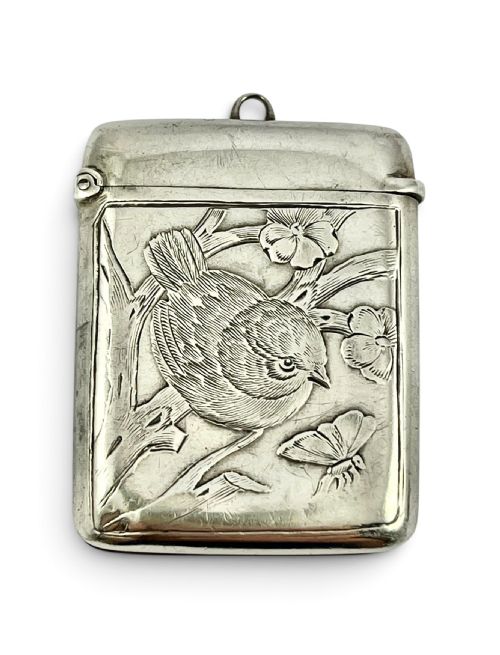
These receptacles served various domestic and personal functions, from holding stamps, cigarettes, and vestas to containing trinkets, powder, and pills.
Specialised versions were also made for ecclesiastical purposes or as tea caddies for dry goods.
How should I clean my silver box?
Maintenance requires a soft cloth and a reputable silver polish, applied gently to avoid wearing away thin plating, hallmarks, or delicate engraving.
Enamel surfaces and fabric linings must be kept away from liquid cleaners and moisture to prevent staining or structural damage.
Are enamel panels fragile?
Guilloché and painted enamel can chip or crack if the item is dropped or subjected to sharp impacts against hard surfaces.
Careful handling ensures the glass-based enamel remains intact across decorative lids and compacts.