





Vintage Stationery Chest
A vintage stationery chest organises correspondence and documents, bringing period craftsmanship and practical desk storage into a modern room.
Vintage Stationery Chest
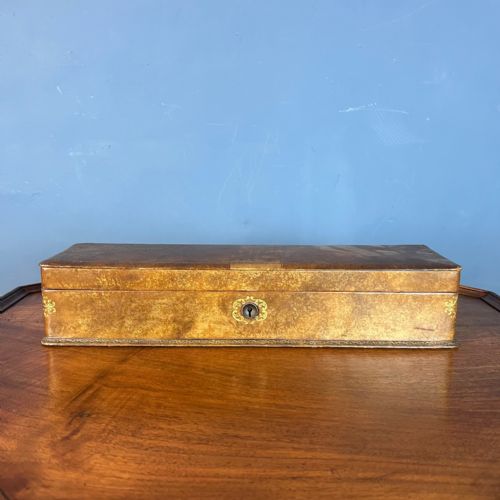
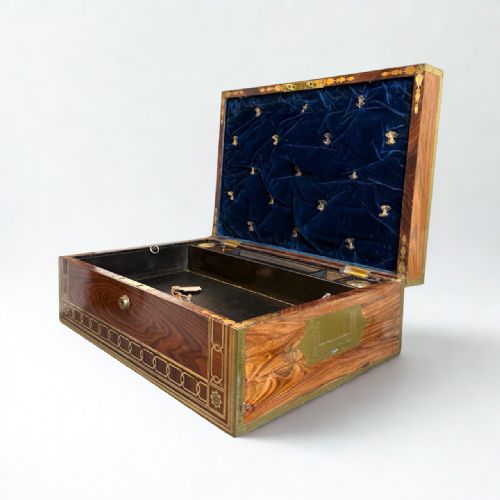
A vintage stationery chest encompasses desktop storage forms like writing boxes, slopes, filing cabinets, and document boxes originating from the nineteenth and early twentieth centuries. These pieces reflect the writing and administrative habits of periods spanning the Regency, Victorian, and Edwardian eras.
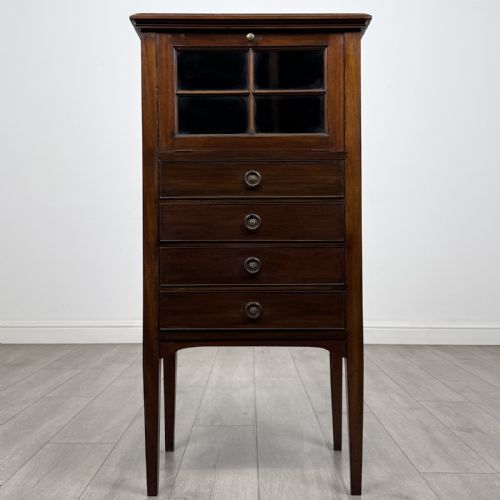
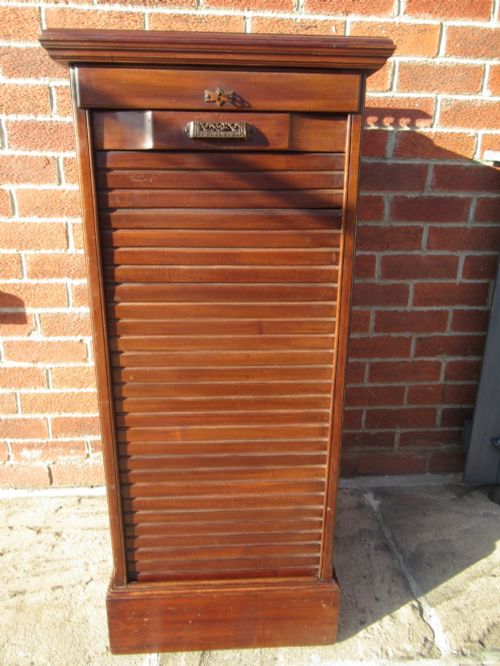
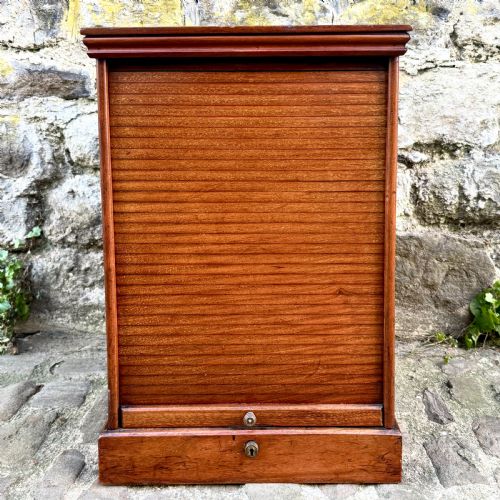
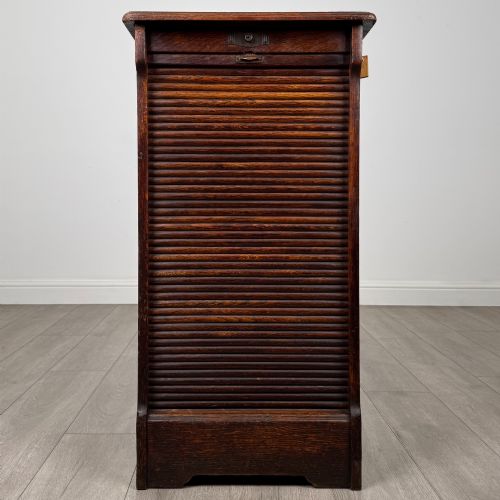
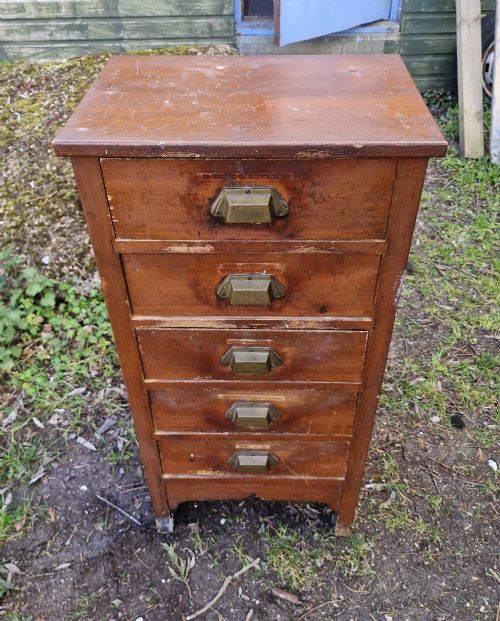
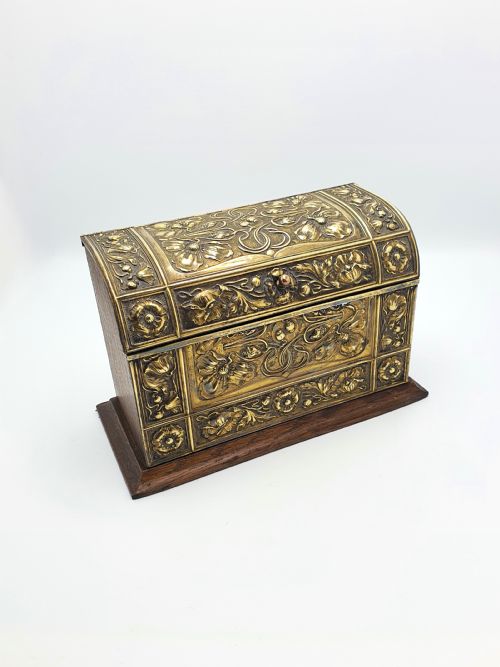
Buyers meet variations ranging from compact oak and mahogany tambour front file cabinets to intricately decorated Anglo-Indian ebony writing slopes and French cartonnier filing cabinets. The selection includes domestic correspondence boxes alongside utilitarian office cabinets fitted with multiple drawers.
Originating from English country houses, continental workshops, and distant colonial centres, each vintage stationery chest served to keep letters, pens, and paper orderly before the advent of modern office furniture.
Materials and construction
Cabinetmakers utilised hardwoods such as mahogany, oak, rosewood, walnut, and ebony, often selecting dense timbers that endured frequent handling. These woods were occasionally enhanced with exotic veneers, marquetry, or intricate brass mounts.
Functional detailing involved tambour slats sliding in grooves, brass hinges, inset carrying handles, and tooled leather writing surfaces. Interiors frequently incorporated adjustable shelving, secret compartments, glass inkwells, and bone or ivory fitted elements.
Vintage Stationery Chest Retail Price Guide 2026
Typical asking prices for vintage stationery chest among the pieces listed under this phrase on Sellingantiques today, from the lower quarter to the upper quarter. They describe what is for sale here now, not the wider market.
Many pieces retain traces of old ink stains inside their pen trays, quietly recording centuries of hurried letter-writing.
Quality and execution
Superior examples demonstrate precision in the joinery of tambour fronts and drawer construction, ensuring smooth operation across decades of use. The choice of timber grain and the crispness of brass hardware or inlaid decoration distinguish finer workshops from standard production.
Condition of the original leather tooling, internal fittings, and structural integrity without replacement panels elevates certain pieces. The harmony between exterior decoration and internal utility marks the distinction within these desk accessories.
The Vintage Stationery Chest Glossary
- Tambour
- A flexible shutter door formed of narrow strips of wood glued to canvas, allowing smooth access to internal filing cabinet shelves.
- Writing slope
- A box with a hinged sloping lid that opens to reveal a slanted surface for writing, alongside compartments for pens and ink.
- Cartonnier
- A structured piece of furniture designed specifically for holding loose papers, documents, and cartons in an office or library setting.
- Raised gallery
- A low decorative railing around the top edge of a cabinet or desk top that prevents small items from rolling off.
Vintage Stationery Chest: Frequently Asked Questions
What fits inside a stationery chest?
These chests accommodate letters, documents, and writing implements within dedicated compartments, drawers, or sloped interiors.
Larger filing cabinets manage broader office paperwork, while smaller boxes suit modern correspondence and desk organisation.
How do I date a wooden box?
Dating relies on timber choices, construction techniques like dovetailing, and the style of brass handles or escutcheons.
Period characteristics such as Edwardian tambour fronts or Victorian marquetry offer clear chronological reference points.
Are writing slopes difficult to maintain?
Maintenance involves simple dusting and occasional conditioning of wooden surfaces with suitable beeswax or furniture polish.
Leather writing surfaces benefit from minimal moisture exposure to preserve the original tooling and gilding.
Where were these pieces used?
They originated in country house studies, corporate offices, and colonial administrative outposts for managing daily correspondence.
Today they function as practical desktop storage or decorative focal points in residential settings.