



Vintage Star Set Ring
A vintage star set ring brings celestial charm to the hand, offering flush-set stones embedded directly into precious metal bands.
Vintage Star Set Ring
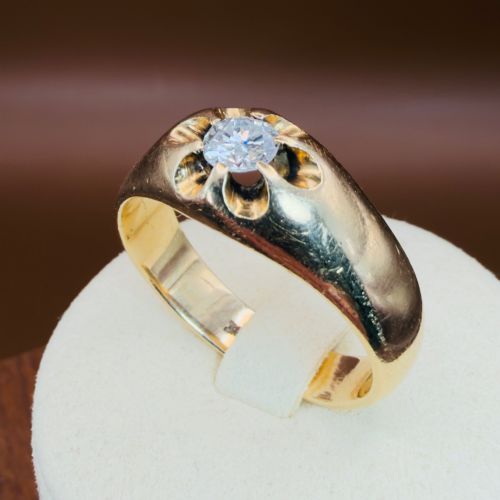
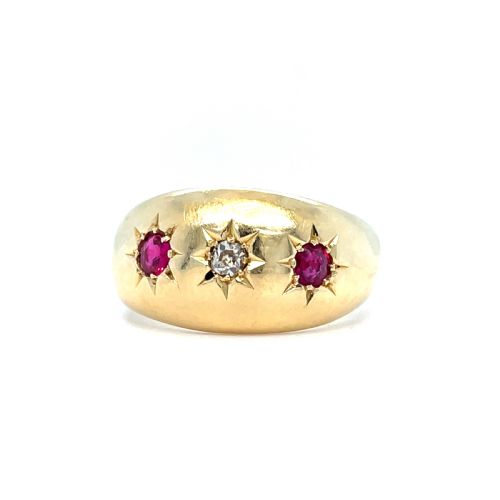
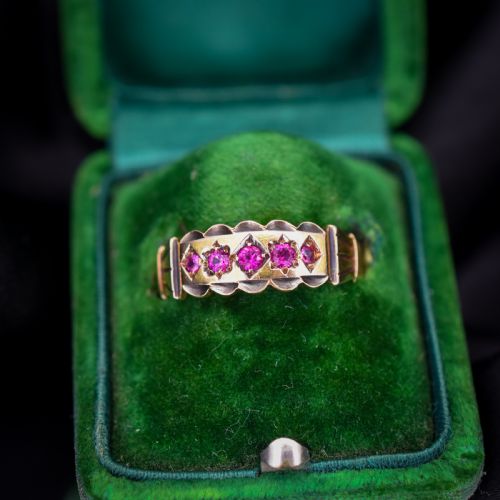
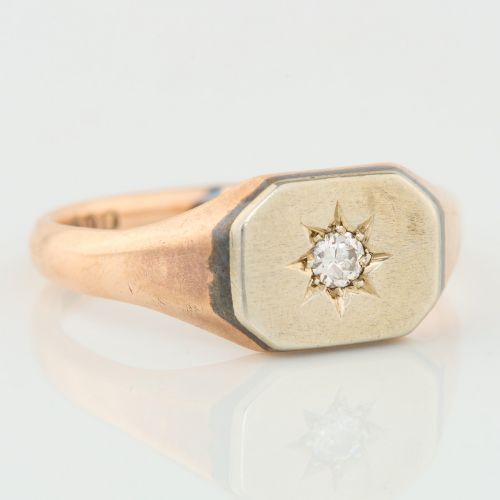
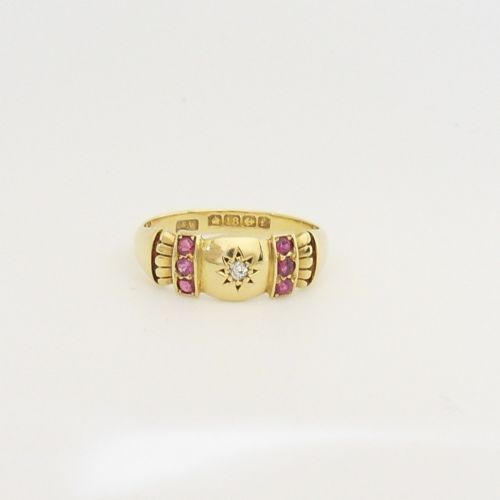
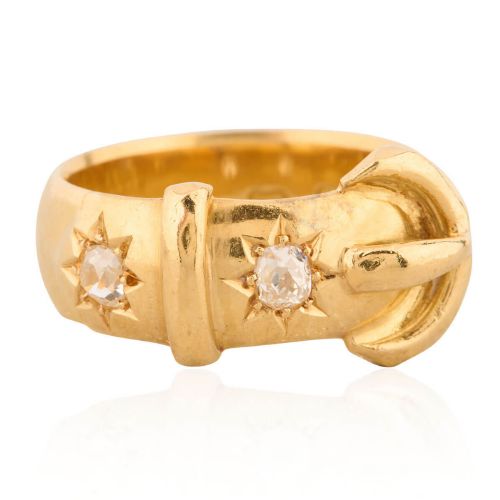
Most examples encountered on this page utilise yellow gold or white precious metals set with diamonds, rubies, sapphires, or emeralds. The stones sit level with or slightly below the metal plane, protected by sturdy star-shaped incisions hammered around the girdle.
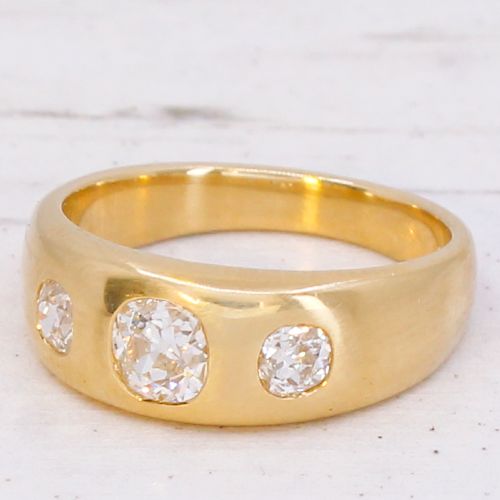
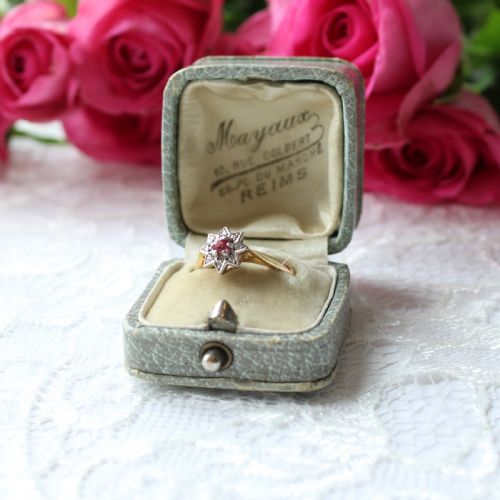
Formats range from heavy men's signet rings and three-stone gypsy bands to ornate Edwardian cluster bands and slender solitaire rings. The celestial engraving frames the central gem, creating the optical illusion of a larger stone while maintaining a smooth profile.
Materials and construction methods
Goldsmiths constructed these rings primarily using 9ct and 18ct yellow gold, occasionally incorporating platinum or palladium settings over gold shanks. Stones such as old-cut diamonds and rubies were inserted directly into thick metal gypsy bands or starburst motifs.
Artisans hammered and graved the metal around each gem to form precise star points, securing the stone without traditional raised claws. This flush technique protected the girdle of the diamond or coloured gemstone during daily wear.
Celestial enthusiasm prompted Victorian jewellers to carve starry heavens directly into gold bands, letting wearers carry their own private constellations.
Factors that distinguish finer pieces
Quality rests upon the crispness of the hand-engraved star facets and the thickness of the original gold band. Crisply defined star rays and substantial metal weight indicate superior workshop execution from Victorian or Edwardian makers.
The selection of old-cut diamonds and natural unheated sapphires or rubies elevates a piece. Settings that retain deep, sharp engraving without excessive wear to the surrounding star points command greater regard.
The Vintage Star Set Ring Glossary
- Gypsy ring
- A style of ring where the stone is flush-set into a heavy band that tapers towards the back. This setting style gained immense popularity during the Victorian period.
- Old cut
- A diamond cut characteristic of older periods, featuring a smaller table, higher crown, and open culet. These stones display distinctive hand-polished facets tailored for candlelight.
- Illusion set
- A mounting technique where a metal plate surrounds a smaller diamond to create the optical illusion of a larger stone. It was widely utilised in Edwardian and Art Deco jewellery.
Vintage Star Set Ring: Frequently Asked Questions
What is a vintage star set ring?
A vintage star set ring is a finger ring featuring gemstones embedded flush into the metal and framed by hand-engraved starburst rays. These designs protect the stone within a smooth, low-profile band.
Such pieces date predominantly from the Victorian, Edwardian, and mid-century eras, showcasing traditional craftsmanship in yellow gold.
How do I wear a star set ring daily?
These rings suit daily wear exceptionally well because the flush star setting leaves no high claws to catch on clothing. Their smooth profile makes them practical choices for continuous everyday use.
Pairs or single bands stack comfortably alongside plain wedding rings or other antique gold bands without causing friction damage.
How do I date a star set ring?
Dating relies on examining the shank thickness, gemstone cuts, and engraving styles characteristic of periods like the Victorian era or 1950. Hallmarks stamped inside the band often provide specific assay office marks and production years.
Old-cut diamonds and heavy gypsy bands typically point towards nineteenth or early twentieth-century origins, while platinum-topped palladium settings suggest later Art Deco manufacture.
Are star set rings durable?
Star set rings rank among the most durable antique jewellery types due to their secure flush mountings. The surrounding metal walls firmly lock the gemstone in place.
Solid gold shanks from the Victorian and Edwardian periods offer structural integrity that withstands generations of regular wear when properly maintained.