


Vintage Staffordshire Ceramic
These vintage staffordshire ceramic pieces bring midland potters' artistry into the home through figures, animals, and blue and white serving wares.
Vintage Staffordshire Ceramic
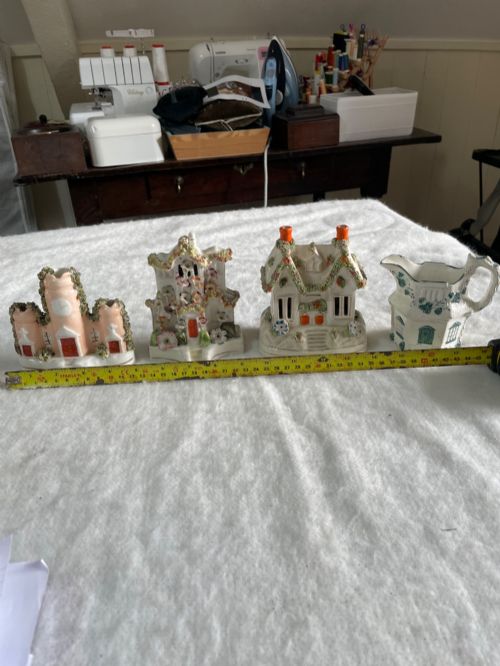
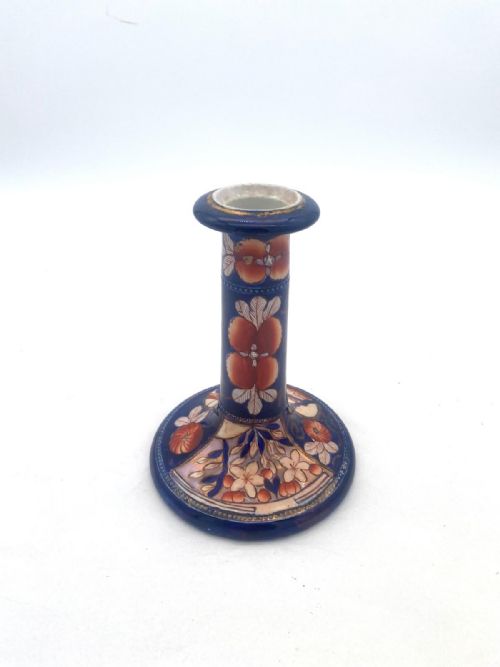
When you search for vintage staffordshire ceramic, you encounter a varied selection of nineteenth-century earthenware, transferware serving pieces, and mantel ornaments. The pieces range from utilitarian kitchen and table items to decorative animal figures and figural jugs.
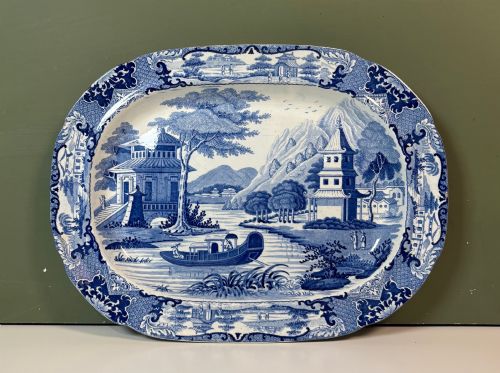
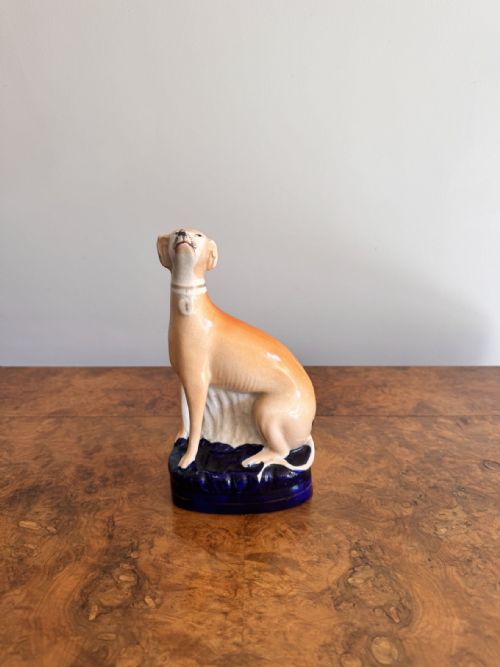
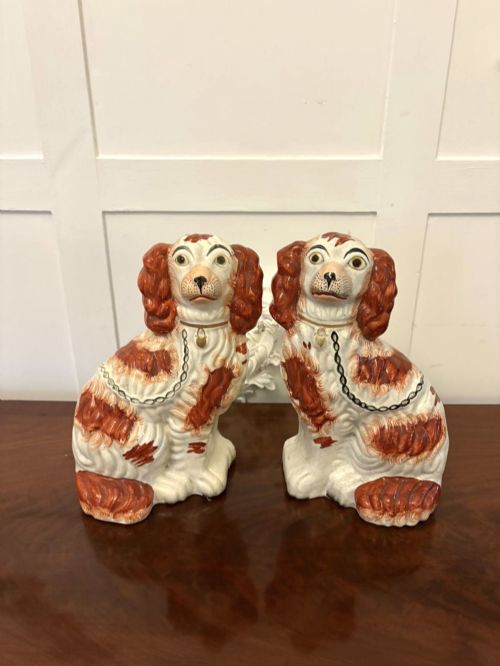
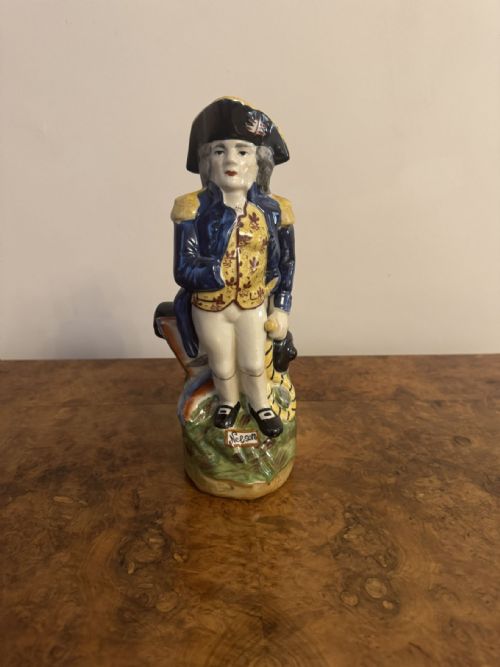
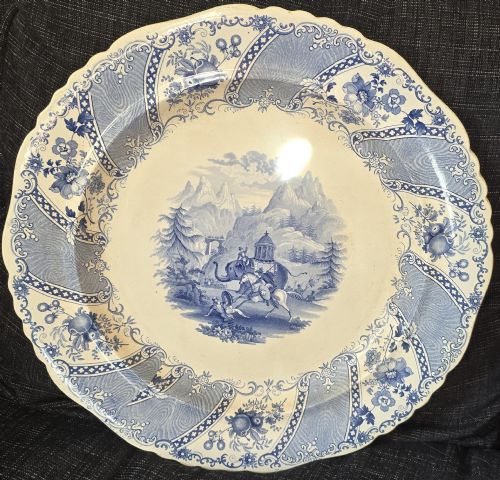
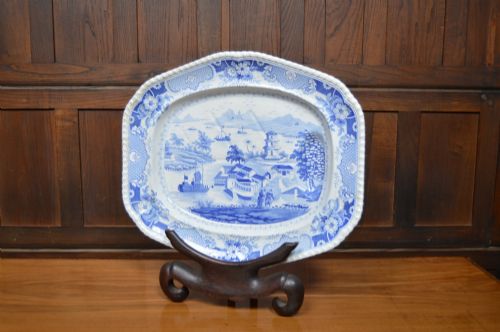
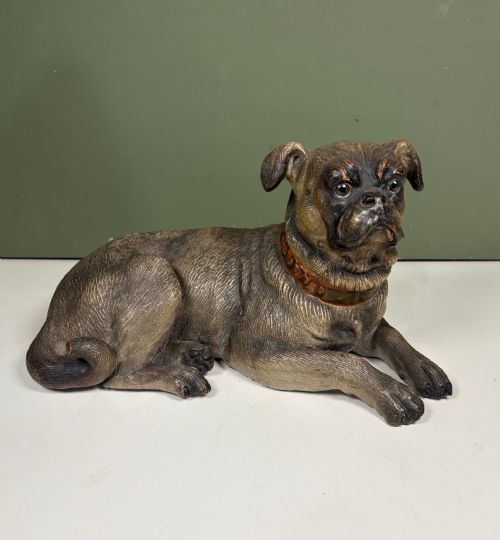
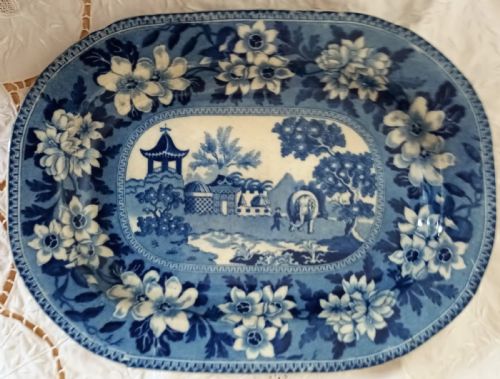
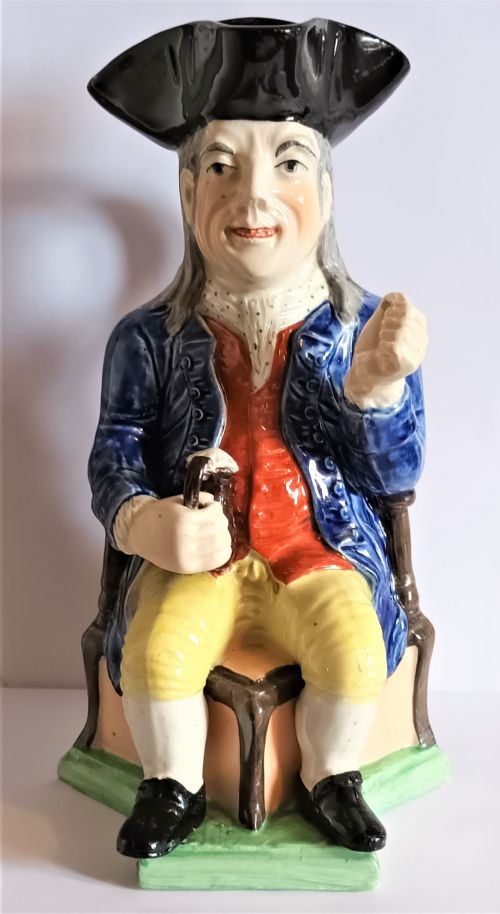
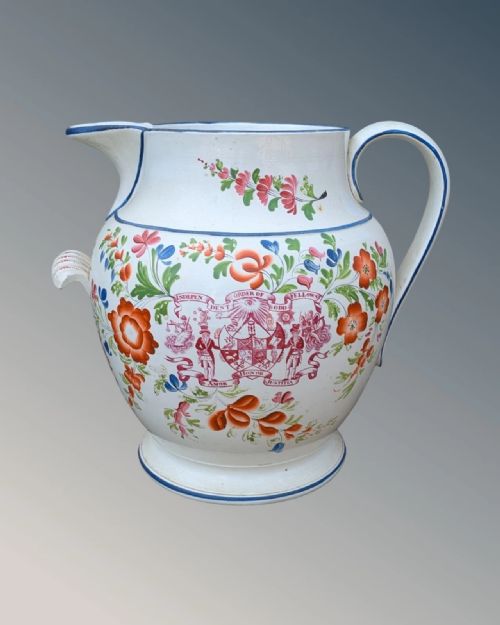
You are most likely to meet figures of spaniels, greyhounds, and lions alongside blue and white transfer-printed platters, chargers, and toby jugs. These items span the Georgian, Regency, and Victorian periods, reflecting the shifting tastes of domestic interiors.
How they were made
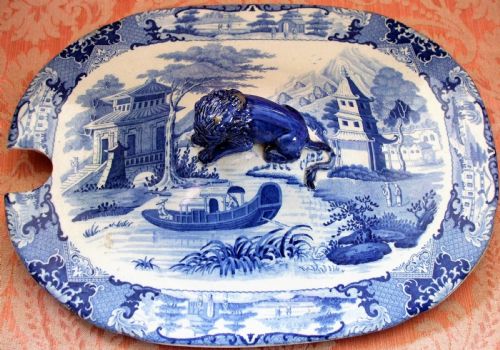
Potters shaped these objects using earthenware, pearlware, creamware, and ironstone, applying fluid glaze layers to seal the porous clay body. Many items received transfer-printed decoration in blue, magenta, or mulberry, transferring detailed pictorial scenes from copper plates onto the ceramic surface.
Figurines and animal models were often cast in moulds, then hand-painted with enamel colours and finished with touches of gold leaf. Jelly moulds, jugs, and platters relied on durable ceramic bodies designed for daily household use or decorative display.
Vintage Staffordshire Ceramic Retail Price Guide 2026
Typical asking prices for vintage staffordshire ceramic among the pieces listed under this phrase on Sellingantiques today, from the lower quarter to the upper quarter. They describe what is for sale here now, not the wider market.
Listings feature earthenware, pearlware, ironstone, and creamware ceramics spanning the Georgian, Regency, and Victorian periods.
What varies in quality
The clarity of the glaze and the preservation of original enamel and gold leaf influence the visual impact of each ceramic. Transfer-printed platters and tureens depend on the sharpness of the pattern and the evenness of the kiln firing during production.
William Smith And Co·Masons Ironstone·Robert Hamilton·John Rogers And Son·Hicks And Meigh·New Hall·John And Richard Riley·Booths
The Vintage Staffordshire Ceramic Glossary
- Transferware
- Ceramic pottery decorated by applying a printed design from an engraved copper plate via tissue paper. This technique allowed potteries to produce complex pictorial scenes in blue and other colours consistently.
- Pearlware
- A refined earthenware developed in the late eighteenth century featuring a subtle bluish glaze that pooled in recesses. It bridged the gap between creamware and later white ironstone.
- Toby Jug
- A ceramic jug moulded in the form of a stout, cheerful man, typically seated and holding a mug of beer or a pipe. These figural vessels date widely across the Georgian and Victorian eras.
- Flat Back
- A category of Staffordshire figurine moulded with a plain, unglazed, or minimally decorated rear side meant for display against a wall. This construction method saved clay and simplified production for mantelpiece ornaments.
- Creamware
- A fine, cream-coloured earthenware perfected by Staffordshire potters for domestic tableware. Its warm tone provided a popular background for hand-painted or printed decoration.
Vintage Staffordshire Ceramic: Frequently Asked Questions
What are Staffordshire flat back figures?
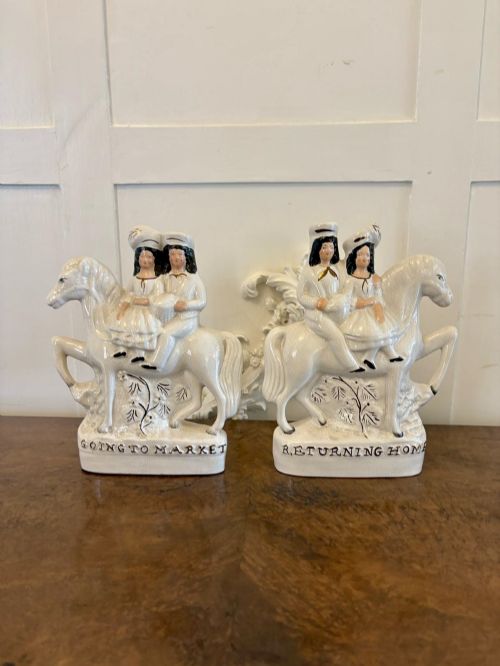
Staffordshire flat back figures are ceramic ornaments designed specifically for display on mantelpieces or shelves against a wall. Their unadorned backs reflect their intended placement in nineteenth-century parlours.
Potters cast these pieces in moulds and decorated them with hand-painted enamels. They depict historical characters, animals, and literary scenes for domestic display.
How do I care for antique transferware?
Antique transferware requires gentle cleaning by hand using warm water and mild soap rather than mechanical dishwashing. Protecting the historic glaze and ironstone body preserves the printed pattern.
Avoid soaking pieces with existing hairline cracks or historic repairs. Careful handling prevents damage to the earthenware edges and surfaces.
What is a toby jug?
A toby jug is a pottery vessel shaped like a cheerful, heavy-set person wearing eighteenth-century attire. These jugs served functional roles at taverns and homes before becoming collectible mantel ornaments.
Potters painted the moulded earthenware figures with coloured glazes to highlight clothing details and facial expressions. They represent traditional character types from Georgian and Victorian social life.