


Vintage Square Table
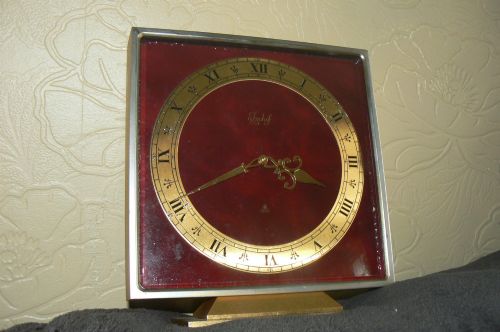
A vintage square table provides compact surface space and brings geometric balance to a room, drawing on periods from the nineteenth century to the 1930s.
Vintage Square Table
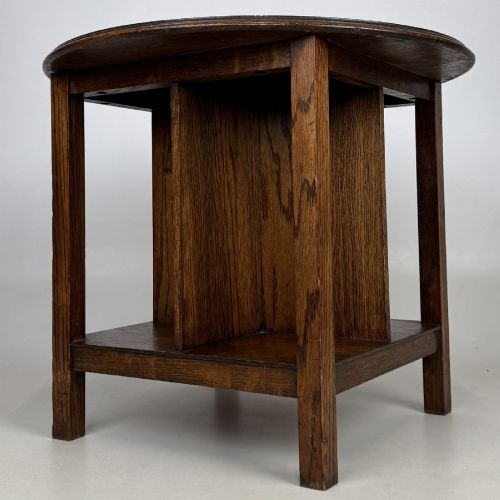
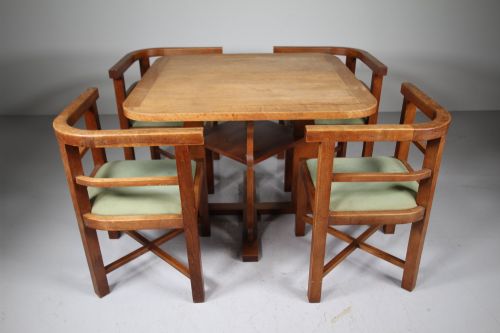
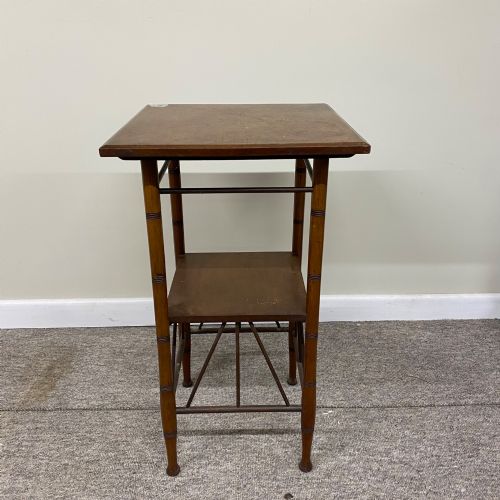
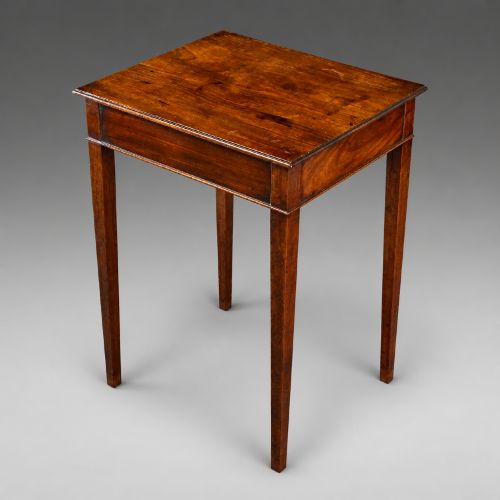
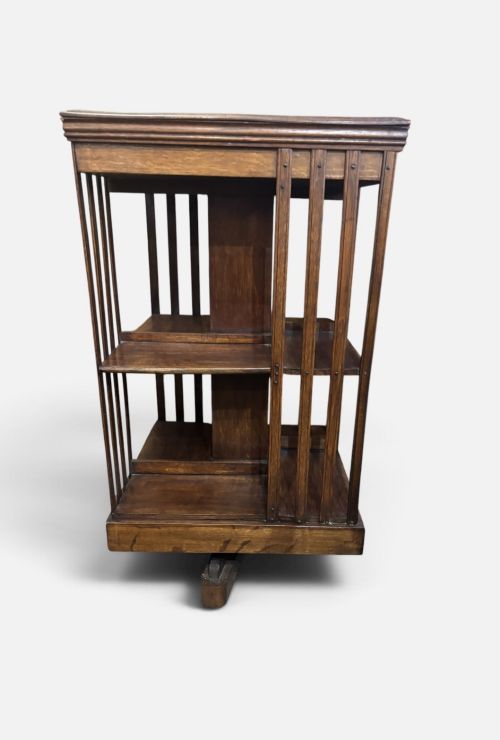
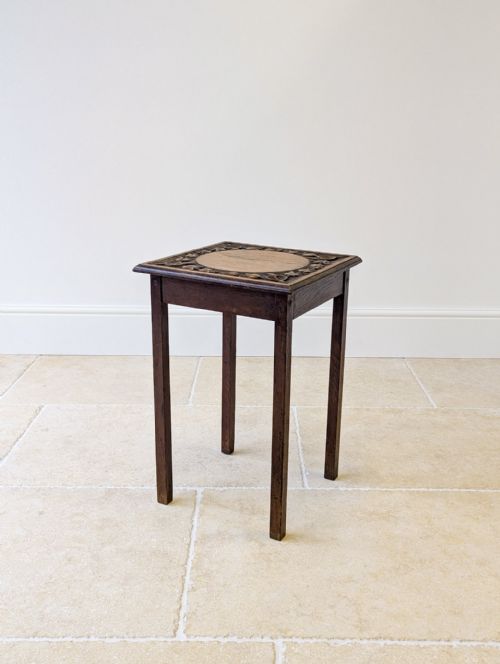
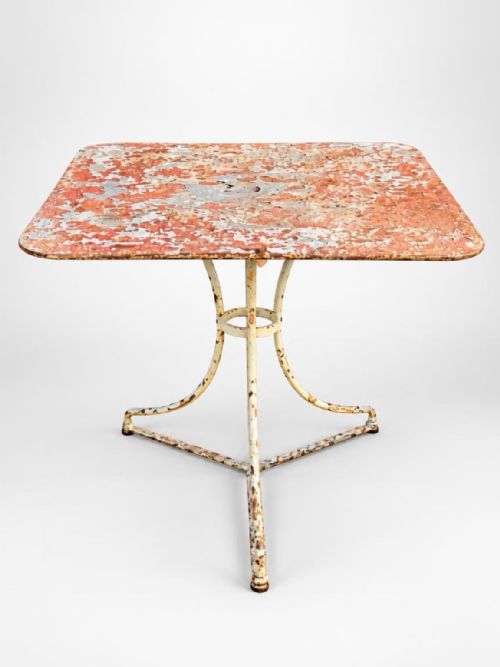
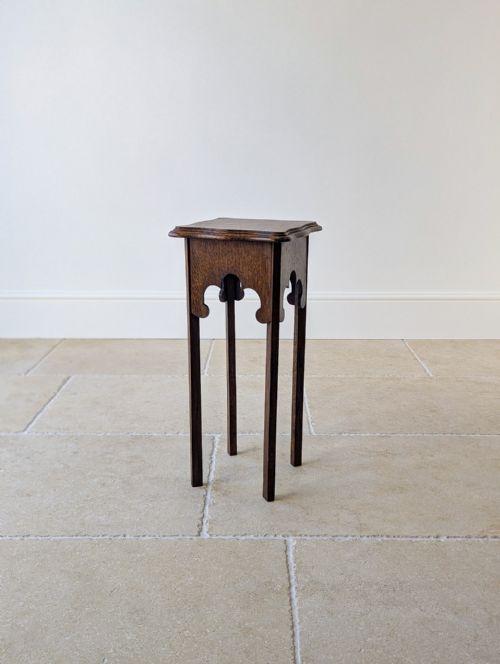
A vintage square table encompasses compact side tables, lamp tables, card tables, and occasional tables spanning the Edwardian era, the 1920s, and the nineteenth century. These forms originate from diverse stylistic traditions including Arts and Crafts, Art Deco, and rustic farmhouse designs.
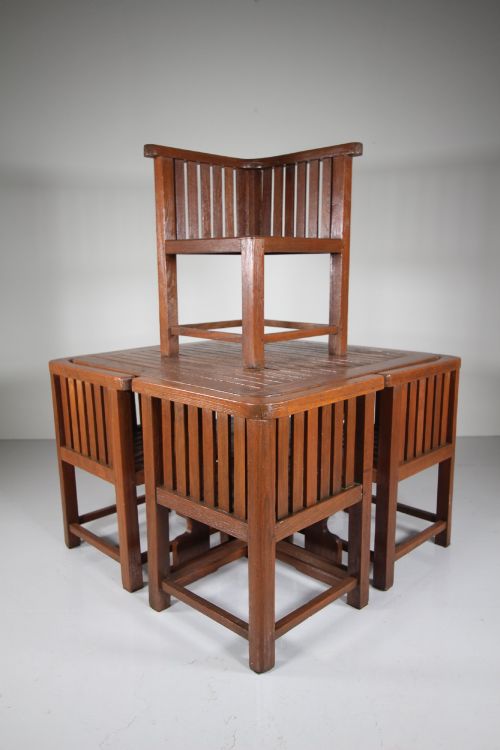
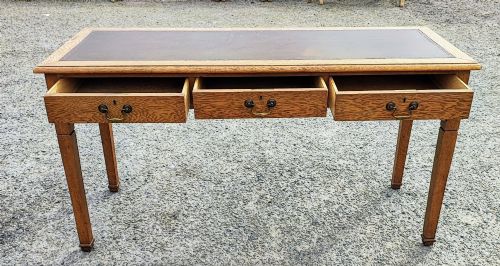
The version most frequently met on this page is the Edwardian or early twentieth-century oak or mahogany side table, often fitted with a lower shelf or hidden drawer. These pieces reflect the domestic requirements of their period, offering practical utility in a modest footprint.
Materials and construction
Carpenters utilised solid timber and veneers such as oak, mahogany, walnut, and satinwood, occasionally incorporating boxwood stringing and brass fittings for decorative contrast. Surfaces reveal traditional joinery methods suited to the demands of domestic furniture production.
Secondary elements such as glass tops and caned sections appear alongside timber supports, demonstrating the variety of materials employed across different workshops and stylistic revivals.
Vintage Square Table Retail Price Guide 2026
Typical asking prices for vintage square table among the pieces listed under this phrase on Sellingantiques today, from the lower quarter to the upper quarter. They describe what is for sale here now, not the wider market.
Listings feature timber varieties including oak, mahogany, walnut, satinwood, and elm, spanning the Edwardian period and the 1920s.
Quality and execution
The distinction between standard domestic production and superior work rests on the selection of timber grain, the precision of inlay or carving, and the integrity of the structural joints. Finer examples display thoughtful proportion and careful matching of veneers across the top surface.
Simpler utility items meet basic domestic needs with plain construction, whereas pieces attributed to notable designers or specific artistic movements exhibit more refined detailing and considered proportion.
Elkington & Co·Liberty of London·Heals·Betty Joel·Frederick J Smith & Co
The Vintage Square Table Glossary
- Side table
- A small table designed to stand against a wall or beside seating, offering a convenient surface for lamps and everyday items.
- Card table
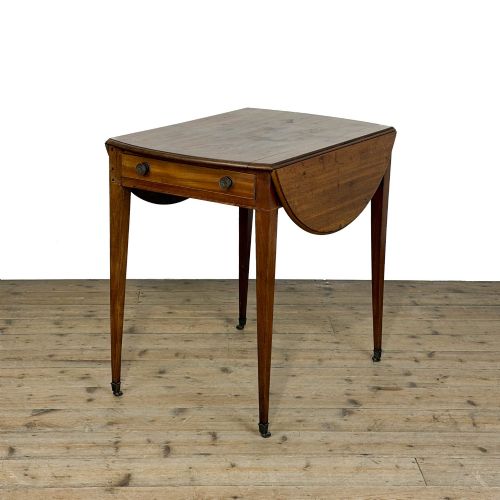
- A folding or envelope table constructed for parlour games, featuring a hinged top that opens to reveal a baize or timber playing surface.
- Inlay
- A decorative technique where contrasting woods or materials are set flush into the primary surface to form patterns.
- Boxwood
- A dense, pale wood frequently utilised for fine stringing lines and delicate decorative borders on mahogany and walnut furniture.
- Draw leaf table
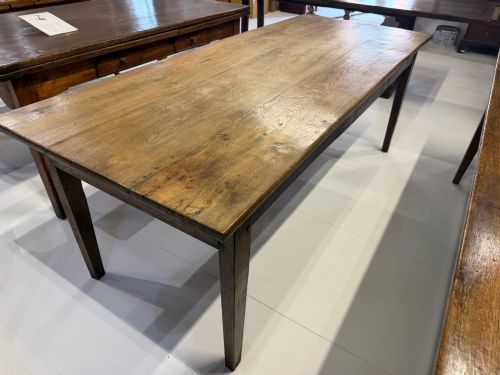
- A dining table fitted with concealed leaves beneath the main top that pull out to extend the surface area.
Vintage Square Table: Frequently Asked Questions
How do I place a square table in a small room?
A square footprint fits neatly into corners or against flat walls without dominating the floor space, making it practical for compact interiors.
Positioning one beside a sofa or armchair provides an accessible surface for lighting and books while maintaining clear circulation routes.
What is the difference between an Edwardian and a Victorian table?
Victorian pieces tend to feature heavier proportions, darker finishes, and more ornate carved details reflecting nineteenth-century tastes.
Edwardian furniture often adopts lighter woods, simpler geometry, and inlaid stringing influenced by the Arts and Crafts movement.
Can I use an antique card table for dining?
Card tables offer a compact surface but generally lack the robust leg clearance and structural bracing required for daily dining use.
They function well as occasional writing desks or display surfaces rather than primary meal tables.
How do I care for polished mahogany and oak surfaces?
Regular dusting with a soft, dry cloth prevents the accumulation of abrasive particles on the polished timber finish.
Avoid placing items in direct sunlight or near heat sources to protect the wood and veneer from drying out.