


Vintage Square Accent Table
A vintage square accent table brings compact utility and period character to a room, offering a surface that anchors a corner or sits easily beside a chair.
Vintage Square Accent Table
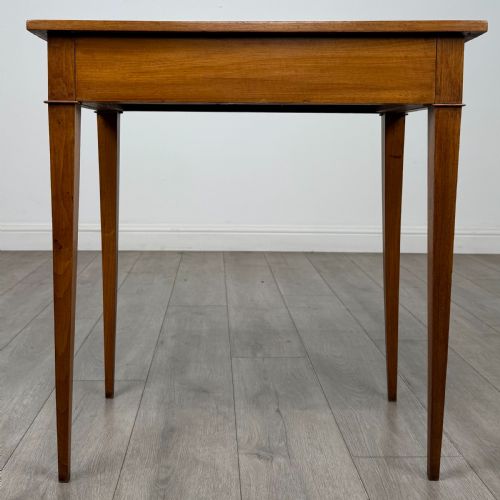
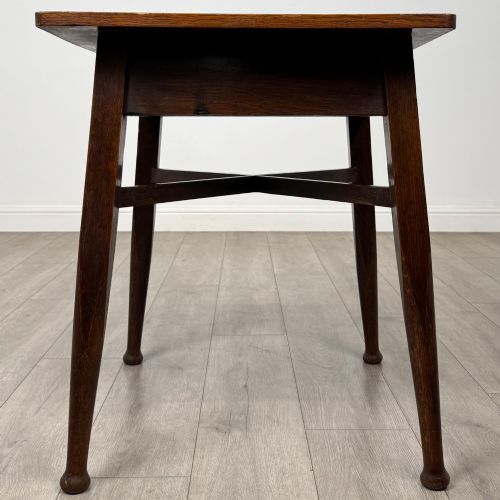
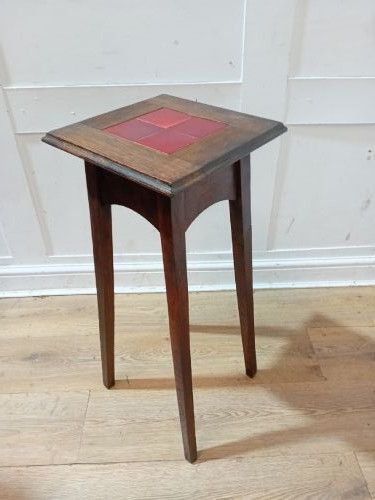
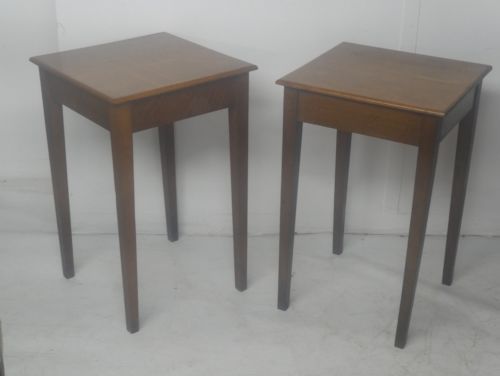
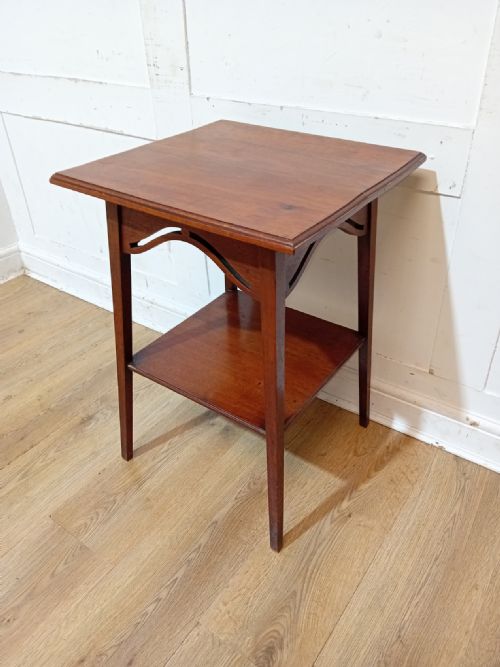
When you search for a vintage square accent table, you are looking at small functional furniture spanning the nineteenth and twentieth centuries, including Edwardian, Arts and Crafts, and Art Deco periods. These forms serve as side tables, lamp tables, occasional stands, and plant supports rather than primary dining surfaces.
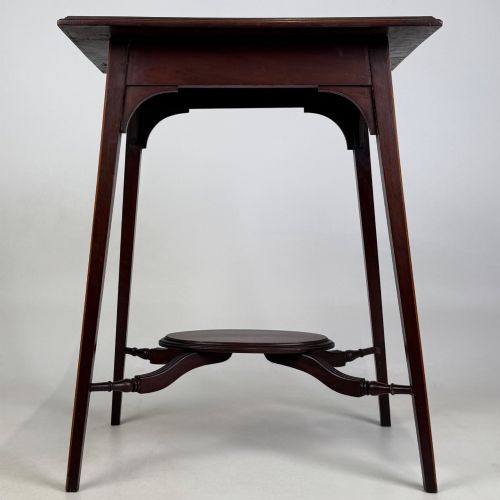
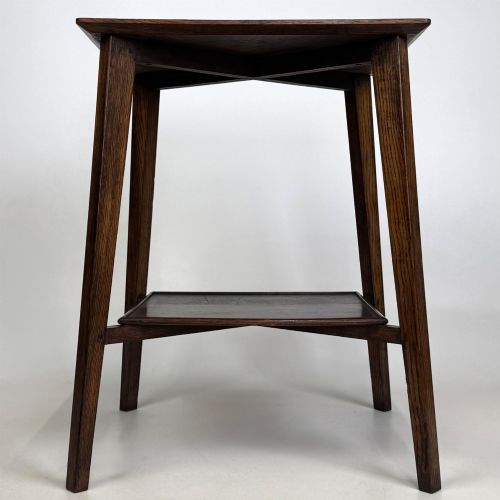
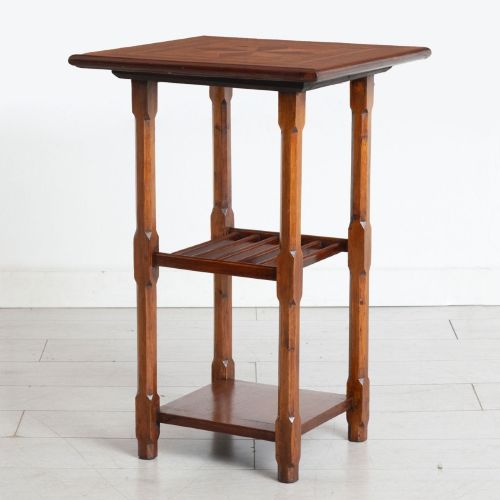
The most common version met on this page is the Edwardian or early twentieth-century occasional table in mahogany or oak. These often incorporate modest proportions, inlaid satinwood or boxwood details, and simple or barley twist legs suited to domestic spaces.
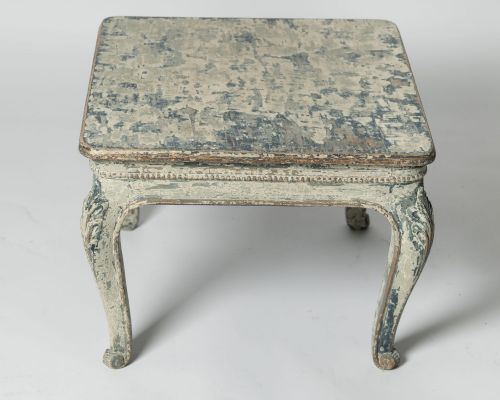
Origins vary widely across the selection, ranging from English workshops and Scottish oak designs to French marble-topped pieces, Anglo-Indian carved tables, and Japanese elm chabudai forms. Each geographic origin brings distinct timber choices and carving traditions to the basic form.
How they were made
Construction relies on traditional hardwoods such as mahogany, oak, walnut, and occasional exotic timbers like palm wood or elm. Cabinetmakers joined these materials using standard mortise and tenon joints or sturdy dowel construction to ensure stability in everyday use.
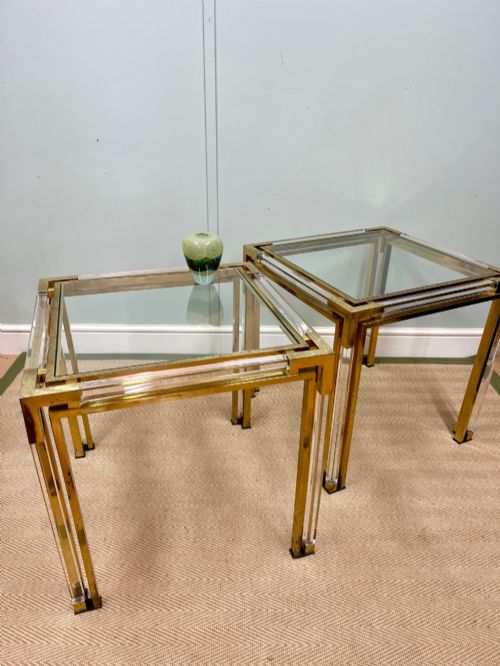
Surface decoration frequently involves marquetry and inlay using contrasting light woods like boxwood and satinwood, alongside hand carving in Arts and Crafts or Anglo-Indian examples. Brass mounts, glass inserts, and marble tops appear on select French and modernist pieces to introduce varied textures.
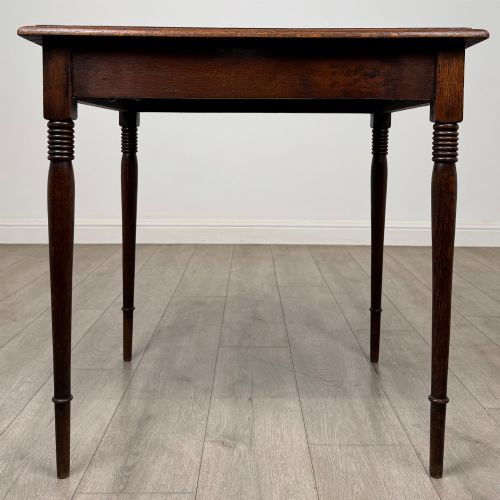
Turned wooden elements, notably barley twist legs, demonstrate the lathe work common in early twentieth-century production. Finishes generally consist of applied polishes or waxes that protect the timber while highlighting the natural grain.
Listings feature timbers including mahogany, oak, walnut, satinwood, boxwood, glass, brass, and hardwood.
What varies in quality
The distinction between standard production and finer pieces lies in the precision of the joinery and the selection of timber figures. Superior examples display tightly fitted joints and well-matched grain patterns across the primary surfaces.
Execution of decorative details separates workshop output, particularly in inlaid marquetry or intricate hand carving. Crisp edges on carved motifs and precise, clean inlay without filler indicate higher craftsmanship by the maker.
Integrity of materials also marks quality, such as solid brass fittings rather than plated base metals, and thick, unblemished marble or glass inserts where utilised in lamp and occasional tables.
Liberty of London
The Vintage Square Accent Table Glossary
- Occasional table
- A small, movable table designed for intermittent use around a sitting room or parlour. It frequently takes the form of a lamp table or plant stand.
- Marquetry
- The art of applying pieces of veneer to a structure to form decorative patterns and pictures. It is commonly seen on Edwardian table tops.
- Barley twist
- A spiral turning carved into wooden table legs or columns. This technique gained popularity during the late nineteenth and early twentieth centuries.
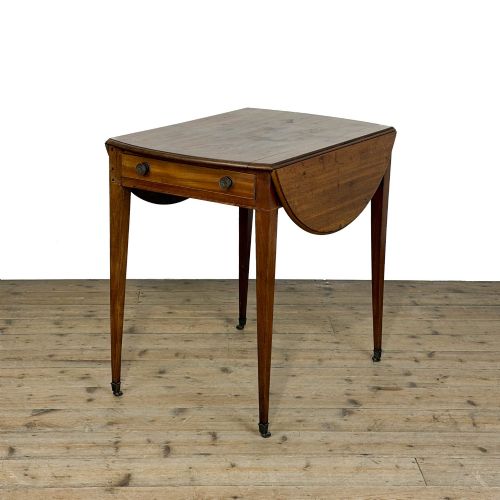
- Pembroke table
- A small table with hinged drop leaves on two opposing sides. These leaves can be raised to increase surface area or lowered for compact storage.
- Inlay
- A technique where contrasting materials are set into recesses flush with the surface of the wood. Boxwood and satinwood are typical inlay materials found on mahogany pieces.
Vintage Square Accent Table: Frequently Asked Questions
What is a vintage square accent table used for?
These pieces serve primarily as auxiliary surfaces in living spaces, holding lamps, decorative plants, books, or drinks next to seating.
Their compact footprints allow them to fit into tight corners or beside armchairs without crowding a room.
How do I identify an Edwardian table?
Edwardian tables typically date from the early twentieth century and frequently feature light mahogany construction with subtle satinwood stringing or floral inlay.
They favour delicate proportions and slender tapered or turned legs compared to heavier Victorian styles.
Are these tables solid wood?
Many examples utilise solid timbers like oak, walnut, or mahogany, particularly in Arts and Crafts and earlier nineteenth-century pieces.
Later or more decorative models may employ high-quality mahogany veneers over stable secondary timbers to achieve smooth, figured surfaces.
How do I care for a vintage wooden table?
Maintain the finish by dusting with a soft, dry cloth and avoiding placement near direct heat sources or strong sunlight that can dry the timber.
Occasional application of appropriate wax polish helps nourish the wood and preserves its natural sheen.