


Vintage Sporting Wall Art
Vintage sporting wall art brings together centuries of equestrian portraits, hunting scenes and racing prints framed in wood, glass and gilt.
Vintage Sporting Wall Art
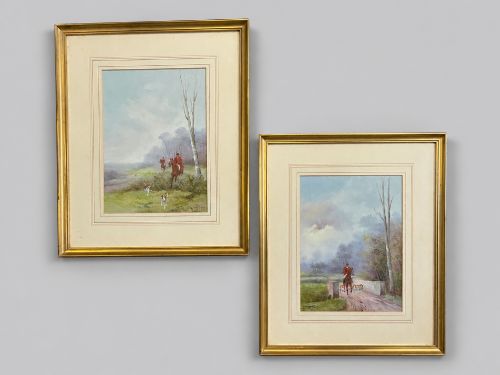
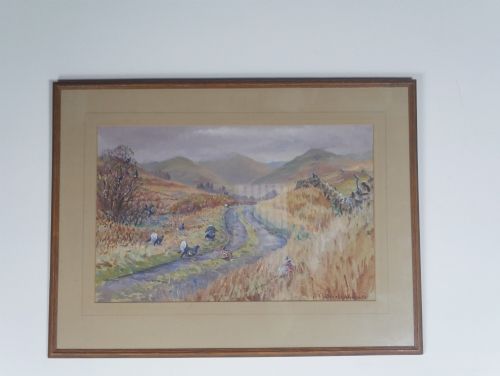
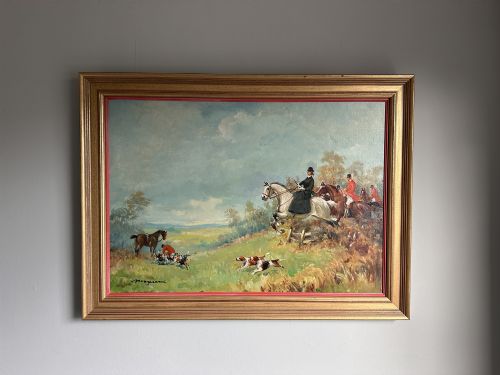
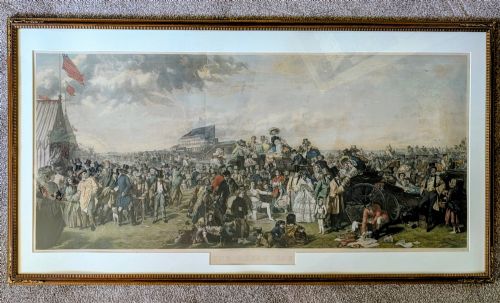
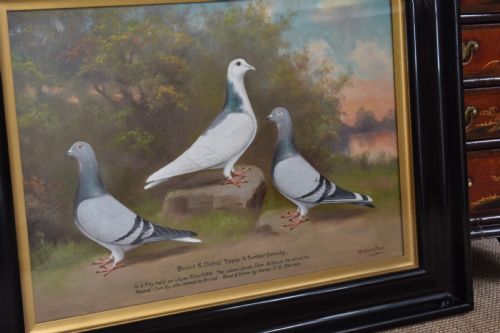
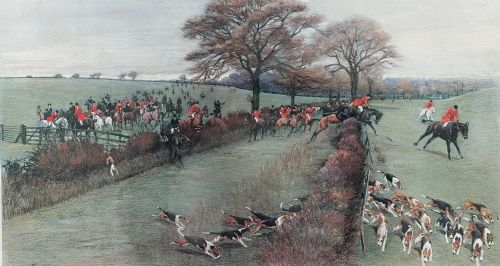
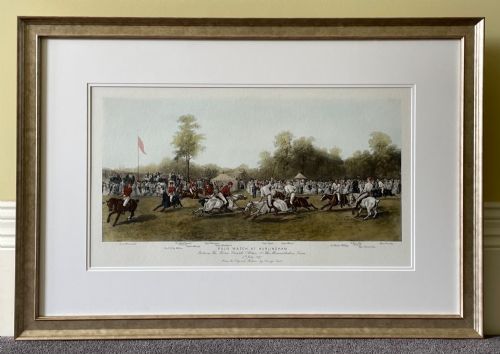
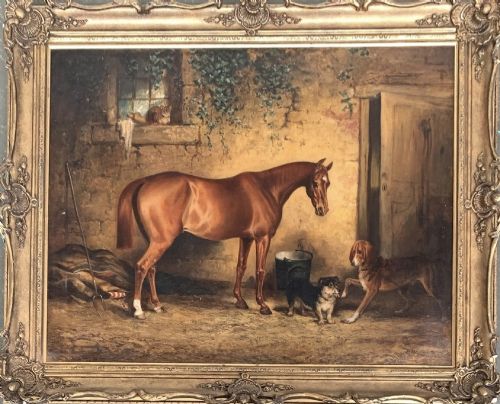
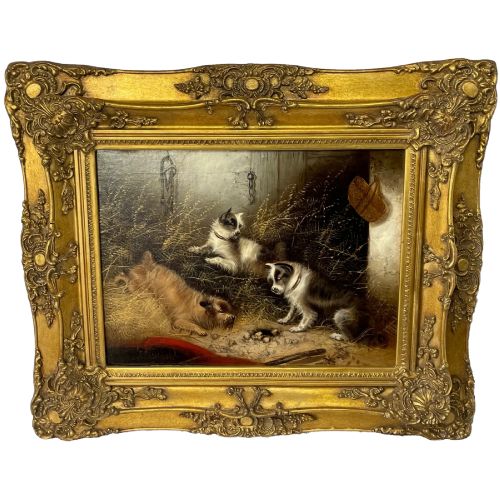
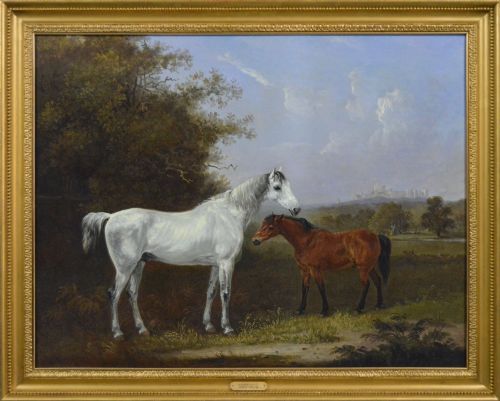
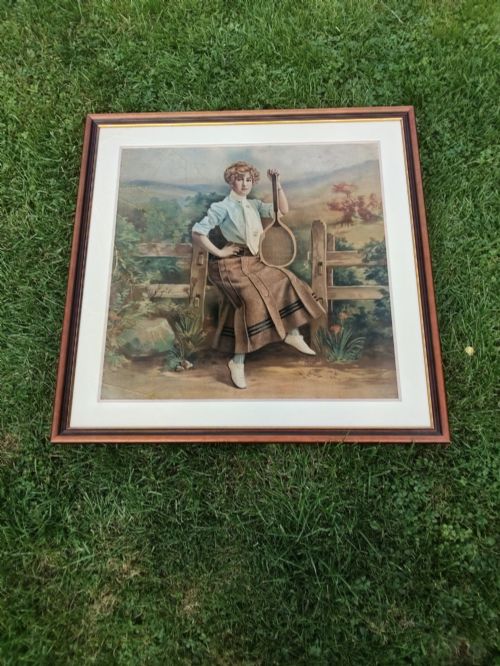
Vintage sporting wall art spans oil paintings, watercolours, engravings and lithographs produced across the nineteenth and twentieth centuries. Buyers encounter framed prints alongside original canvases depicting horses, hounds, tennis players and cycling events.
The material record on this page draws heavily from Victorian and Edwardian periods, stretching from Georgian compositions to mid-century modern interpretations. Works range from intimate pastel drawings of dogs to large framed hunting scenes and cycling posters.
Materials and techniques
Makers utilised oil paint on canvas or board, watercolour and ink on paper, and wood block printing or engraving. Many pieces combine paper elements under glass with oak, giltwood or simple moulded frames.
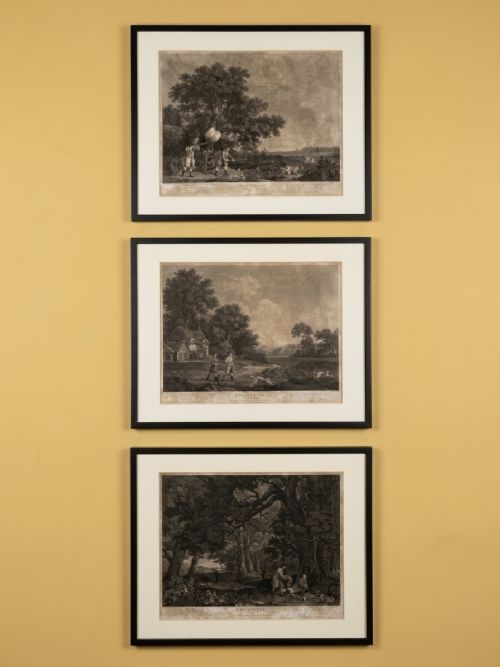
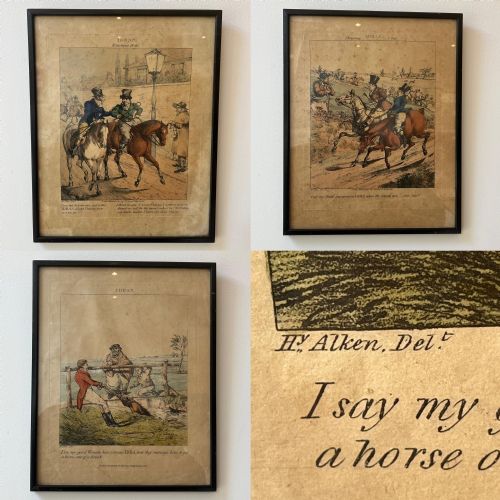
Techniques run from hand-painted oil portraits and watercolours to mass-produced lithographs, aquatints and printed advertising posters distributed in the nineteenth and early twentieth centuries.
Vintage Sporting Wall Art Retail Price Guide 2026
Typical asking prices for vintage sporting wall art among the pieces listed under this phrase on Sellingantiques today, from the lower quarter to the upper quarter. They describe what is for sale here now, not the wider market.
Listings incorporate oil on canvas, paper, wood, glass and giltwood across Victorian, Edwardian and mid-century periods.
Evaluating the pieces
Quality rests on the precision of the draughtsmanship, the vitality of the subject matter and the originality of the medium. Hand-painted oil portraits by recorded artists stand apart from later mechanical reproductions.
The integrity of the framing, the preservation of the paper or canvas under glass, and clear signatures or historical provenance elevate individual works above standard decorative prints.
Andrew Beer·Cecil Charles Windsor Aldin·Charles Bilger Spalding·Lionel Ellis·Henry Barraud·Thomas Smythe·Francois Faber·James Stroudley·George Finch Mason·Samuel Rabin·George Wright·Fred Fitzpatrick·Ernest Payne·George Rankin·John Frederick Herring Snr
The Vintage Sporting Wall Art Glossary
- Aquatint
- An intaglio printmaking technique that produces areas of tone resembling watercolour washes. It was frequently used for reproducing sporting paintings in the nineteenth century.
- Giltwood
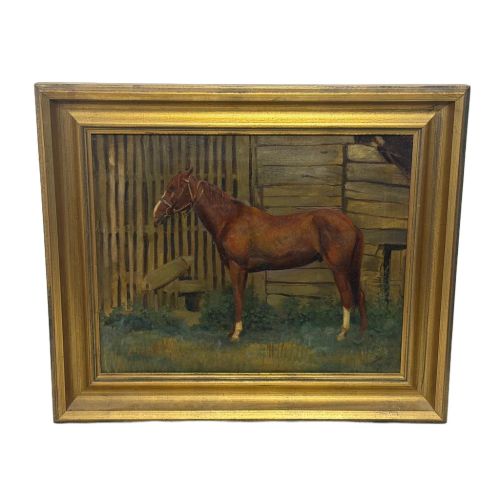
- Wood that has been treated with gold leaf or a gold-coloured metallic finish. It is commonly found on traditional frames enclosing nineteenth-century oil paintings.
- Lithograph
- A planographic print made from stone or metal plates. This method was widely utilised for sporting posters and illustrated plates during the Victorian and Edwardian eras.
- Provenance
- The documented history of ownership attached to a work of art. It connects a painting or print to past galleries, estates or collections.
- Triptych
- A work of art divided into three sections or panels. Such pieces are typically hinged or displayed together as a single cohesive narrative.
Vintage Sporting Wall Art: Frequently Asked Questions
What subjects appear in vintage sporting wall art?
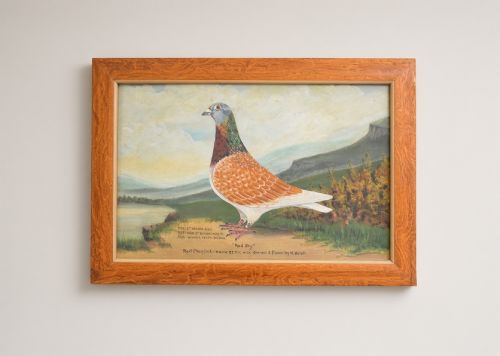
These works depict horse racing, fox hunting, polo matches, tennis, fishing and cycling. Animals such as hunters, working terriers and racing pigeons also feature prominently.
Artists captured these pursuits in oil, watercolour, engraving and lithography, reflecting the recreational interests of the nineteenth and twentieth centuries.
How should these pieces be framed and displayed?
Many works arrive in period oak, giltwood or glazed frames that suit their age. Paper items benefit from glass protection to prevent fading and moisture damage.
Display them away from direct sunlight on stable interior walls to preserve both the canvas or paper and the surrounding frame.
How can I tell a print from an original painting?
Close inspection under magnification reveals the brushstrokes and texture of oil paint or watercolour. Prints display uniform dot patterns, plate marks or flat ink surfaces.
Engravings and lithographs show fine lines or stippling characteristic of reproduction techniques rather than direct hand application.
Which periods are represented in this selection?
The listings include Georgian, Victorian, Edwardian and mid-century works. Dates span from early nineteenth-century equestrian portraits to 1950s modernist interpretations.
Each era brings distinct printing methods, framing styles and artistic conventions to the sporting genre.