







Vintage Spice Container
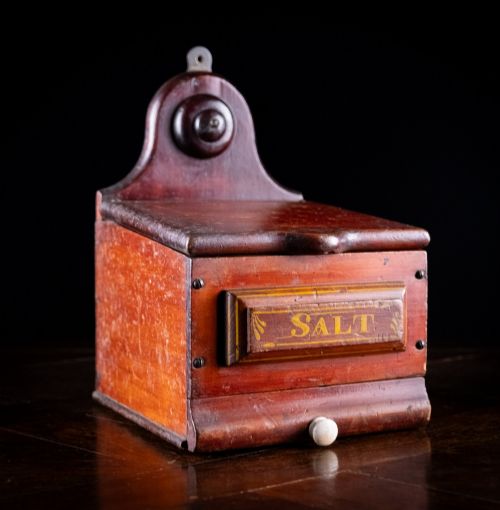
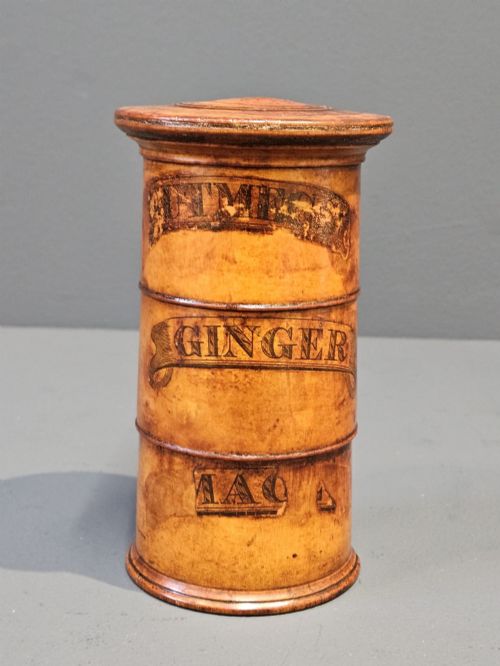
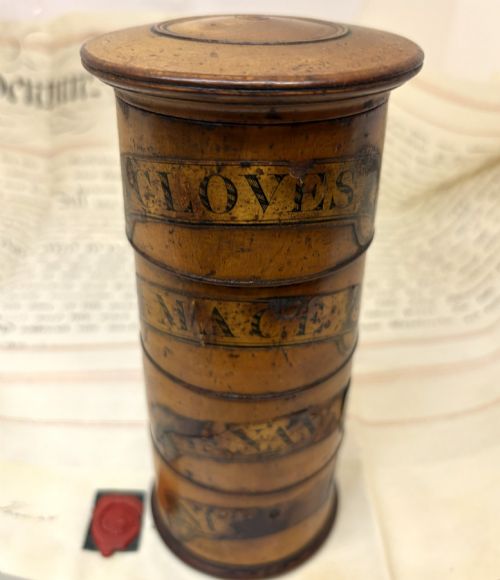
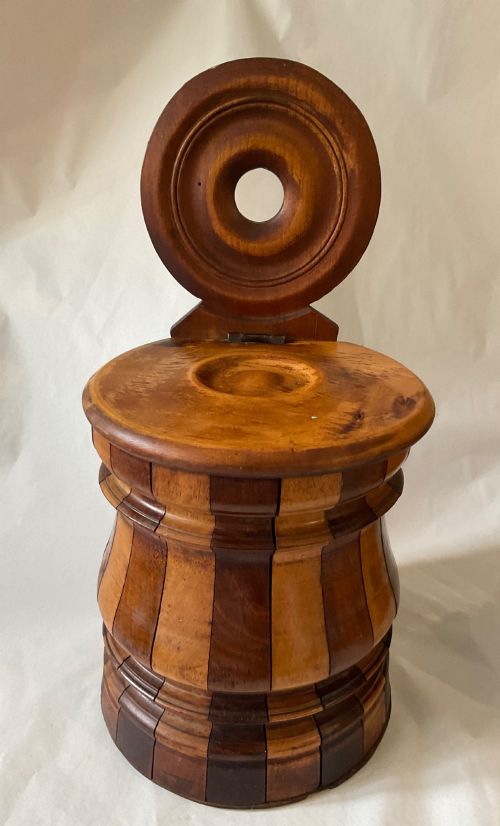
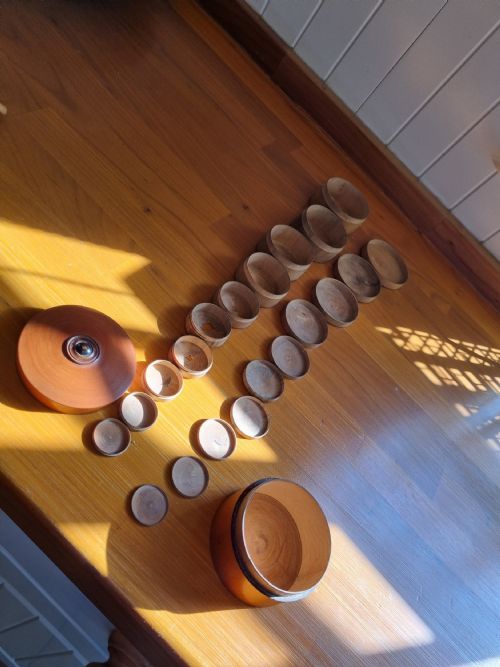
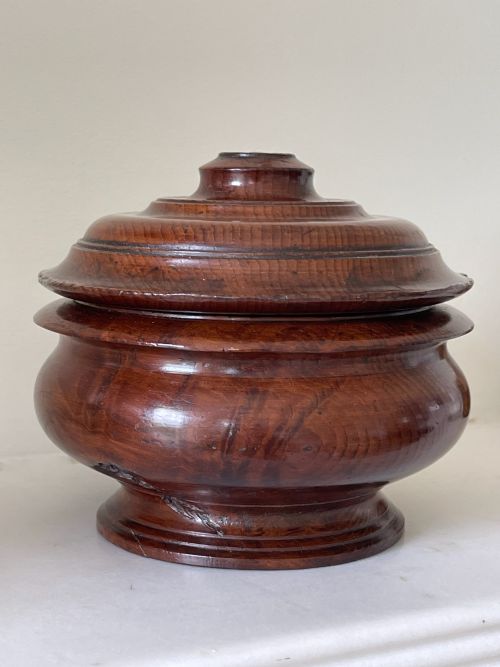
These vintage spice container pieces are turned treen towers and boxes that hold seasoning with tactile domestic charm.
Vintage Spice Container
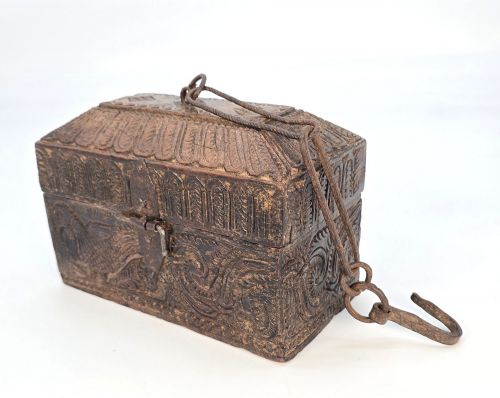
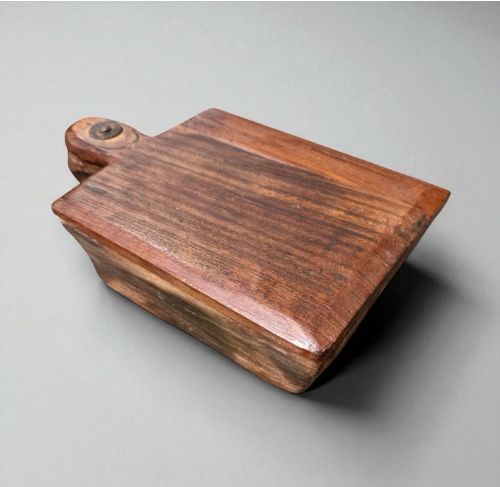
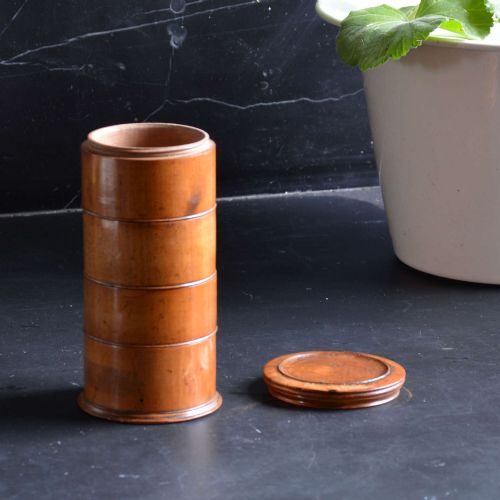
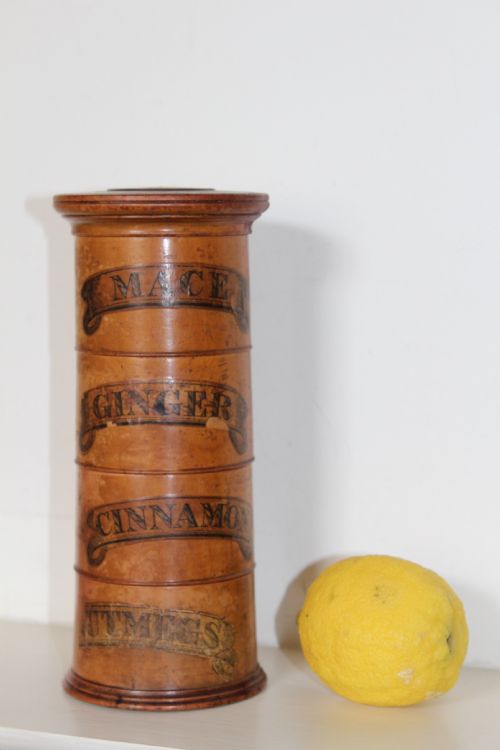
A vintage spice container encompasses turned treen towers, sectional boxes, and smaller culinary vessels intended for domestic kitchen use. The selections here include multi-tiered wooden towers, carved Indian boxes, and silver ritual containers.
Most examples originate from the Georgian, Victorian, and Edwardian eras, constructed from dense domestic hardwoods or imported timber. Buyers frequently encounter stacked wooden spice towers alongside regional metalwork containers.
The category extends from British turned treen to Anglo-Indian carved teak and silver-plated receptacles. These items served both practical storage and decorative display in period interiors.
Materials and construction
Makers utilised dense timbers such as boxwood, fruitwood, teak, yew, and sycamore, often shaping them on a lathe into multi-tiered stacking towers. Selected pieces incorporate iron, toleware, silver, or enamel to provide contrast and durability.
Turned wooden sections fit together with precision threads or friction lids, creating airtight chambers for aromatic powders. Carved Indian and Kashmiri examples employ hand-chiselled detailing and painted finishes across multiple nested receptacles.
Vintage Spice Container Retail Price Guide 2026
Typical asking prices for vintage spice container among the pieces listed under this phrase on Sellingantiques today, from the lower quarter to the upper quarter. They describe what is for sale here now, not the wider market.
The selection includes items spanning from Georgian treen to Edwardian silver and mid-twentieth-century enamel.
Judging quality and execution
Quality rests in the crispness of the turning and the snugness with which stacked tiers align. Superior examples retain their original internal compartments and matching lids without warping.
The distinction between ordinary utility items and finer pieces lies in the subtlety of the woodwork, such as fine grain selection in boxwood and fruitwood, or intricate filigree work in silver items.
The Vintage Spice Container Glossary
- Treen
- Small handmade wooden domestic objects. These items display the grain and tool marks of early turning and carving.
- Spice tower
- A vertical multi-tiered wooden or metal container with stacking compartments. Such objects were used for storing various culinary or ritual powders.
- Boxwood
- A dense, pale hardwood favoured by turners. This material allows for exceptionally fine detail on miniature vessels.
- Toleware
- Lacquered or enamelled sheet metal. This technique provides a colourful surface for kitchen storage boxes.
- Pandan box
- An Asian container designed for holding aromatic leaves and spices. These pieces frequently employ silver plating or carved hardwood.
Vintage Spice Container: Frequently Asked Questions
What are spice towers used for?
These stacked containers held individual aromatic seasonings within separate compartments in domestic kitchens. The vertical design saved valuable counter space while keeping multiple flavours close at hand.
Religious variants also exist, such as silver Havdalah towers utilised in ritual ceremonies to store sweet spices. Both domestic and ceremonial versions prioritized portability and compact storage.
How do I date a wooden spice container?
Dating relies on observing wood species, tool marks, and overall turning style relative to known historical periods. Georgian and Victorian examples typically exhibit hand-turned ridges and older patination from handling.
Later pieces often show more uniform mechanical turning or alternative materials like sterling silver. Comparing construction methods against documented treen helps establish an approximate decade.
Are these containers still usable for spices?
Historic wooden and metal vessels are primarily collected as decorative items and examples of early treen craftsmanship. Many older timbers absorb aromas over centuries, which can alter modern food contents.
Gentle cleaning with dry cloths maintains the historic finish without damaging the porous interior surfaces. Displaying them empty preserves the integrity of the original wood or metal.
What woods were commonly used?
Turners selected dense, stable hardwoods that resisted splitting when hollowed out on a lathe. Boxwood, fruitwood, sycamore, and yew appear frequently among British kitchen treen.
Imported timbers like teak feature in pieces originating from Anglo-Indian workshops. Each wood imparts a distinct colour and grain pattern to the finished vessel.