


Vintage Soup Tureen
These vintage soup tureen examples bring stately presence to a dining table, offering generous service vessels shaped by centuries of dining tradition.
Vintage Soup Tureen
A vintage soup tureen represents a covered serving bowl designed for domestic dining, often accompanied by matching covers or stands. When exploring this selection, buyers encounter various forms ranging from substantial earthenware service pieces to delicate porcelain broth cups.
The objects spanning this category date across the Georgian, Regency, Victorian, and Edwardian eras, alongside pieces from the nineteen-forties. Ceramic materials predominate, utilising earthenware, ironstone, and porcelain alongside silver-plated metal and cut glass.
English Staffordshire potteries and European factories shape the bulk of these items. Buyers also find transferred scenes, blue and white patterns, and formal dinner services containing associated tureens.
Materials and production
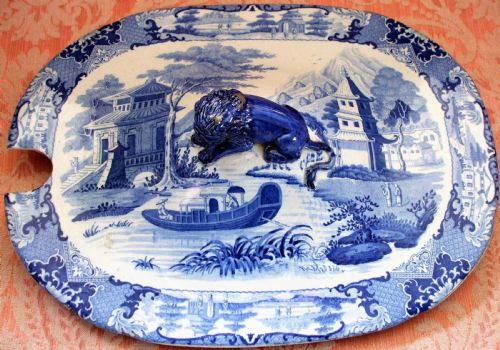
Ceramic pieces rely on earthenware, ironstone, and porcelain bodies shaped by potters and fired in kilns. Many examples employ blue and white transfer printing to apply intricate scenery onto the glazed surfaces.
Metal variations utilise silver plating or old Sheffield plate over a base metal, frequently shaped with applied crests and handles. Gilding and gold leaf occasionally accent porcelain bodies, while glass items utilise cutting techniques.
One unexpected item joins the pottery and silver: a large cubist modernist interior painting depicting a soup tureen.
Judging execution and finish
Quality manifests in the crispness of transfer printing, the evenness of the glaze, and the precision of moulded details on ceramic bodies. Superior metal examples demonstrate careful plating, balanced weight, and refined handles.
The presence of matching covers, stands, or ladles alters the completeness of a piece. Finer works display harmonious proportions and clear maker attribution stamped or marked into the paste.
Robert Hamilton·Coalport or Coalbrookdale·Booths·Mappin and Webb·Richard Ginori·Mason·Ridgways·Copeland and Garrett
The Vintage Soup Tureen Glossary
- Tureen
- A deep covered vessel used for serving soups, sauces, or stews at the table. These pieces usually feature two side handles and a fitted lid.
- Ironstone
- A heavy, durable type of earthenware patented in the nineteenth century. It resists chipping better than standard porcelain while maintaining a formal appearance.
- Transfer print
- A decorative technique where an engraved metal plate transfers a design onto paper, which is then pressed onto the ceramic body before glazing. This method allowed for consistent, detailed patterns like blue and white landscapes.
- Old Sheffield plate
- An early method of fusing a thin sheet of silver to a copper core by heating and rolling them together. This process creates a distinct metallic character visible where the silver layer wears thin.
- Broth cup
- A small two-handled vessel designed for serving individual portions of broth or thin soup. These items frequently include a matching saucer or cover.
Vintage Soup Tureen: Frequently Asked Questions
How were soup tureens used historically?
These vessels stood at the centre of the dining table during formal meals to hold and distribute soup to guests. Servants would lift the heavy cover to ladle the contents into individual bowls.
Beyond formal dining, large covered tureens functioned as decorative centrepieces on sideboards when not actively serving food at banquets.
Can I use an antique tureen for serving food?
Most ceramic and metal tureens remain entirely suitable for holding dry foods or warm liquids during modern gatherings. Care must be taken with older glazes and antique metal plating when washing.
Silver-plated examples require gentle cleaning agents, while heavily crazed earthenware benefits from hand washing rather than immersion in automated dishwashers.
How do I distinguish ironstone from porcelain?
Ironstone possesses a heavier, opaque body that lacks the translucency found in fine porcelain when held to the light. It feels dense and sturdy in the hand.
Porcelain rings with a higher pitch when struck gently and shows a finer, vitreous fracture if chipped, whereas ironstone presents a granular, absorbent-looking paste underneath the glaze.
What defines a sauce tureen?
Sauce tureens function as scaled-down versions of main soup vessels, specifically built for gravies, melted butter, or savoury sauces. They generally sit upon an attached or separate matching ceramic stand.
These smaller pieces often appear as pairs within larger dinner services to serve multiple guests seated along an extended table.