


Vintage Solitaire Band
A vintage solitaire band carries a single, focused stone set to draw the eye, making it the definitive choice for an engagement ring.
Vintage Solitaire Band
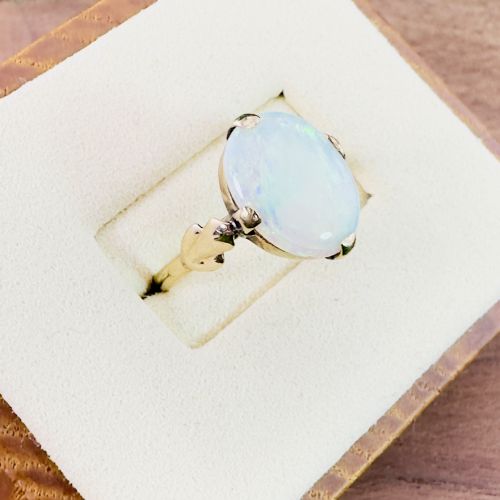
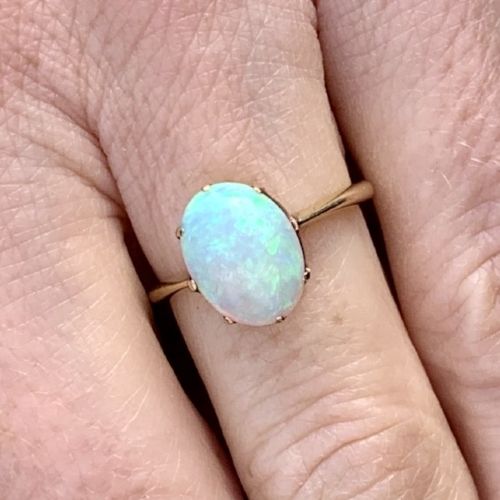
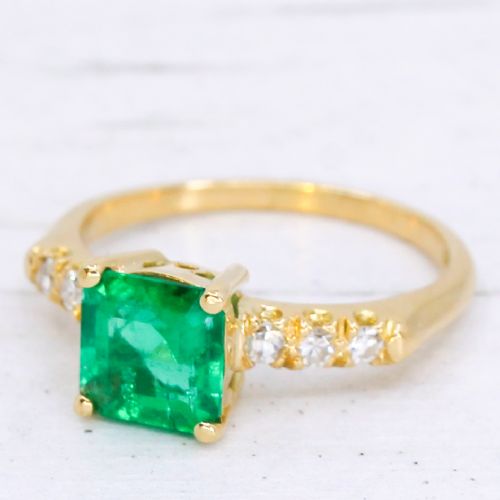
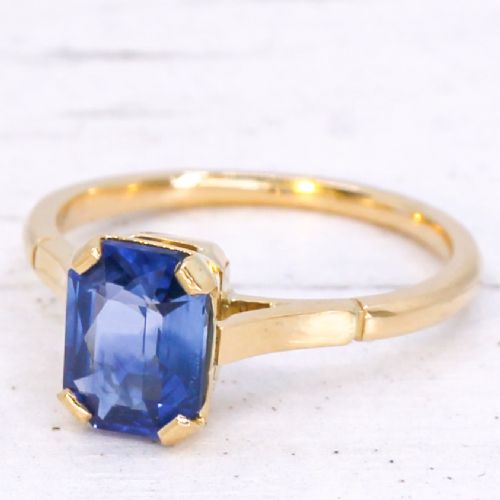
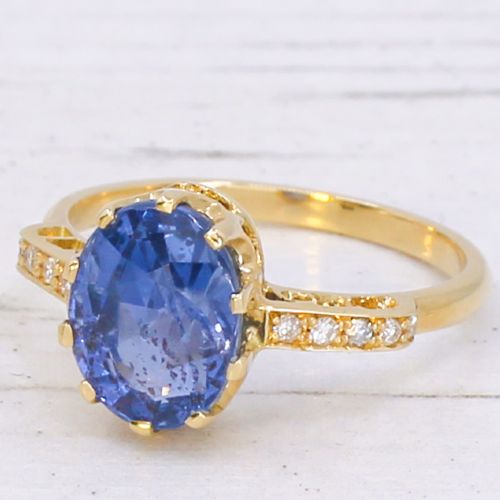
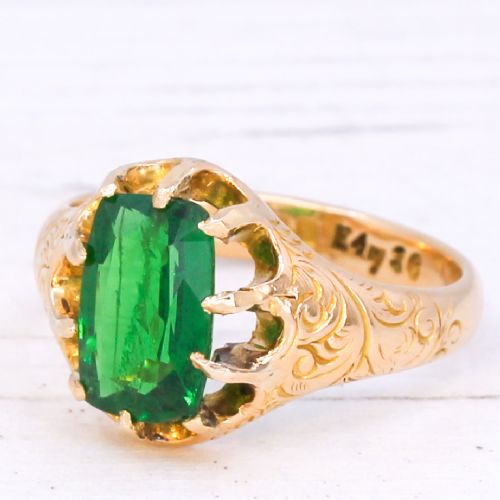
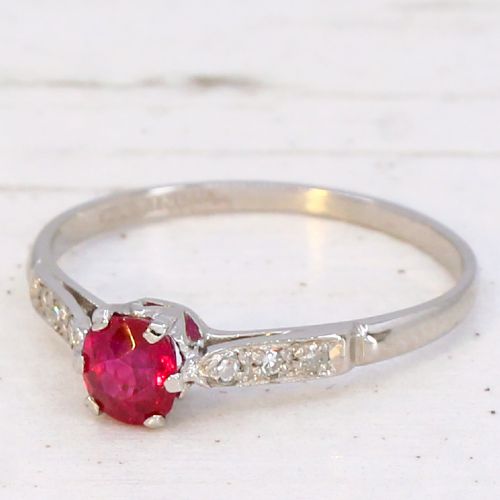
A vintage solitaire band focuses entirely on one central gem, typically a diamond or a coloured stone such as sapphire or ruby. These rings span periods from the Victorian era through Edwardian, Art Deco, and Mid-Century designs.
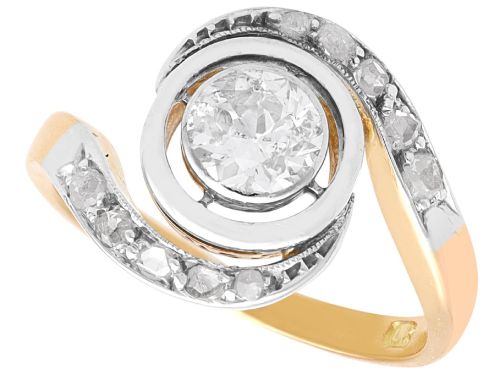
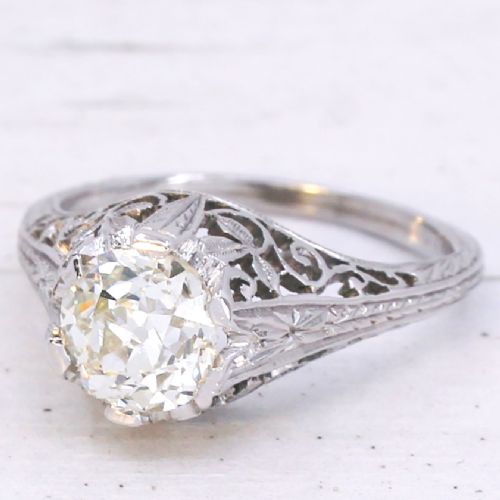
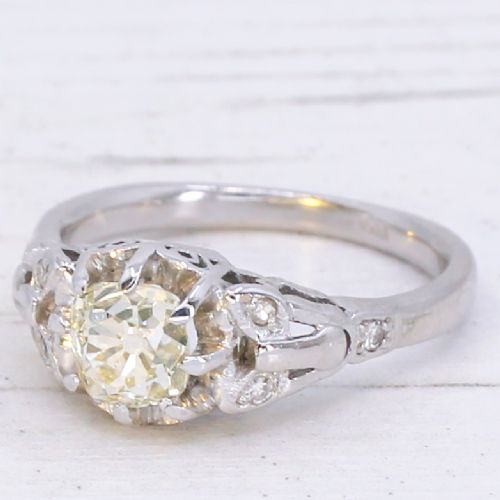
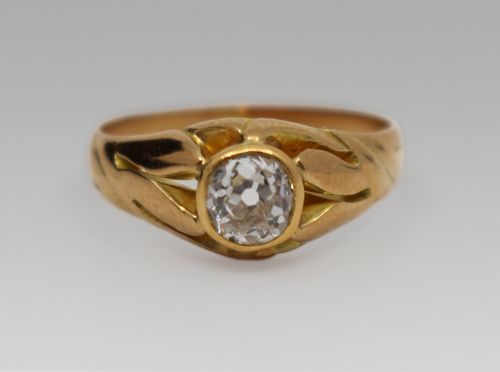
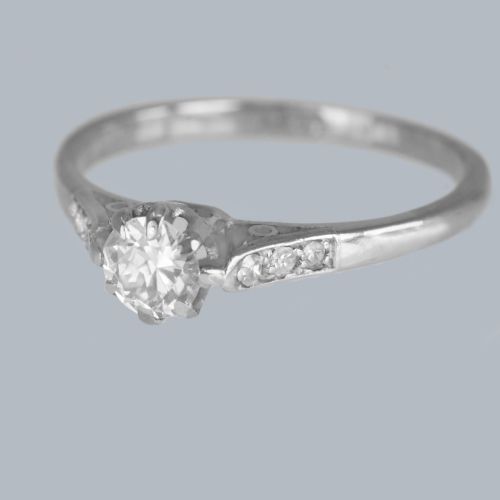
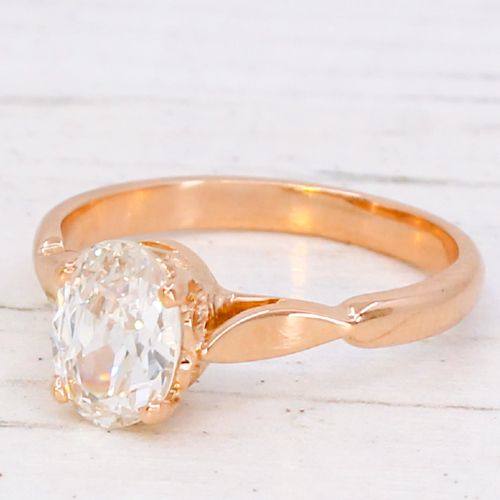
The most common iterations on this page feature old cut diamonds set in combinations of 18ct gold and platinum, reflecting the shifts in metal choice throughout the early to mid-twentieth century.
Forms range from delicate Edwardian mountings to chunkier mid-century bands, capturing distinct aesthetic movements in a single mounting.
Materials and construction methods
Goldsmiths utilised yellow gold, white gold, 18ct and 9ct gold alongside platinum to mount the central stones securely.
Gemstones received hand-cut facets, such as old European cuts, old mine cuts, and transitional cuts, which interact with light differently than modern machine-cut stones.
Settings often combined metals, pairing yellow or white gold bands with platinum heads to ensure both durability and a bright white frame for diamonds.
Vintage Solitaire Band Retail Price Guide 2026
Typical asking prices for vintage solitaire band among the pieces listed under this phrase on Sellingantiques today, from the lower quarter to the upper quarter. They describe what is for sale here now, not the wider market.
Several rings preserve the subtle hand-marks of early twentieth-century bench jewellers who shaped platinum claws entirely by eye.
Distinctions in construction and material standard
Quality rests in the relationship between the stone's cut and the precision of the metalwork holding it. Hand-cut stones display unique facet patterns that demand careful claw placement from the maker.
The integrity of the shank and the security of the setting differentiate standard production from finer workshop pieces. Heavier gauge metals and crisp detailing indicate superior initial craftsmanship.
The Vintage Solitaire Band Glossary
- Solitaire
- A ring setting designed to hold a single main gemstone. This layout places total visual emphasis on the central stone.
- Old mine cut
- An antique diamond cut with a roughly square or cushion outline and a high crown. These stones were shaped by hand before modern symmetrical standards emerged.
- Transition cut
- A diamond cut utilised during the period between old European cuts and modern brilliant cuts. It bridges older hand-faceted proportions with later standardised optical symmetry.
- Cabochon
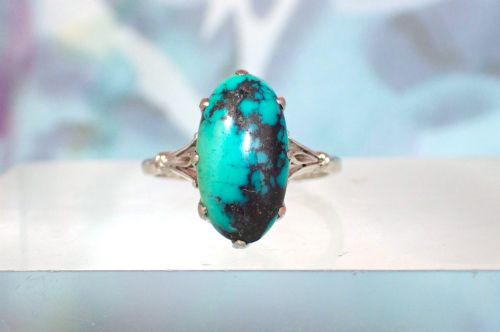
- A gemstone polished to a smooth, rounded convex top rather than faceted into flat planes. This style is typical for opaque or translucent stones like moonstone and turquoise.
Vintage Solitaire Band: Frequently Asked Questions
How do I identify the period of my ring?
Period identification relies on observing metal combinations, stone cuts, and overall design motifs. Platinum paired with yellow gold often points toward the Edwardian or Art Deco eras.
Hand-cut diamonds such as old mine or old European cuts similarly indicate manufacture before the mid-twentieth century.
Can I wear a vintage solitaire daily?
Most vintage solitaire bands suit everyday wear provided the setting remains secure and the metal maintains adequate thickness. Inspecting the claws and band ensures the ring withstands daily routines.
Softer gemstones require extra care compared to diamonds.
What is an old cut diamond?
An old cut diamond is a stone faceted by hand prior to the invention of modern mechanical cutting standards. These cuts feature smaller tables and larger facets that produce a softer, warmer glow under candlelight.
Each stone possesses unique symmetry due to manual shaping.