
Vintage Solid Silver Spoon
A vintage solid silver spoon brings weight and form to the table, connecting everyday dining with centuries of silversmithing.
Vintage Solid Silver Spoon
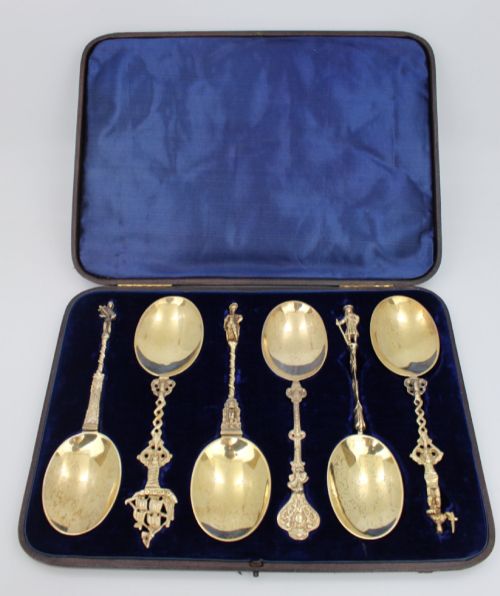
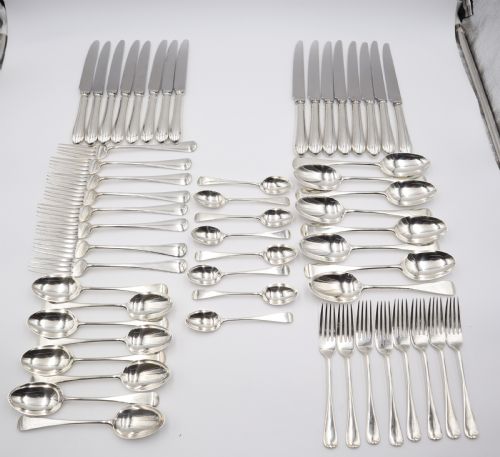
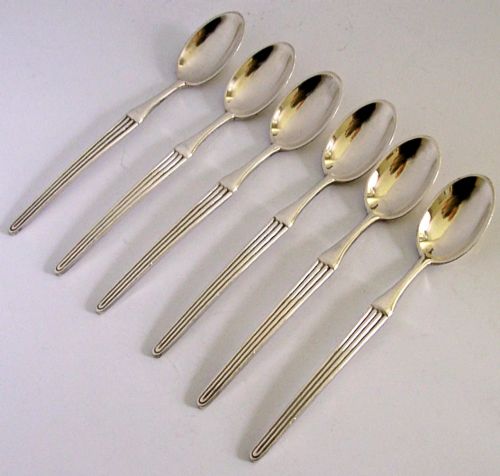
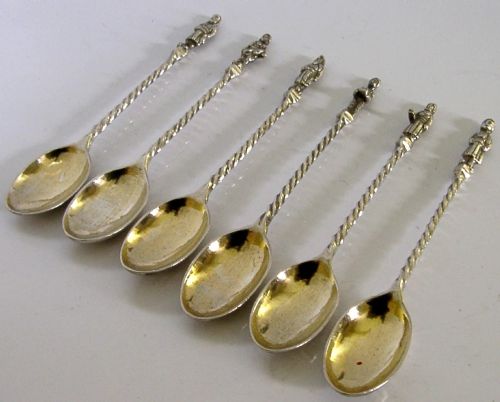
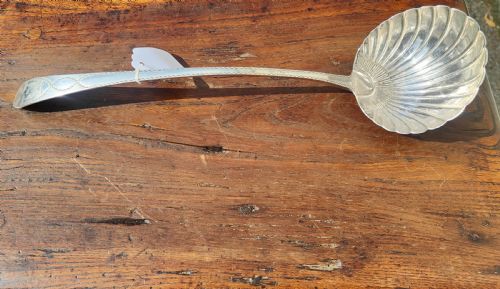
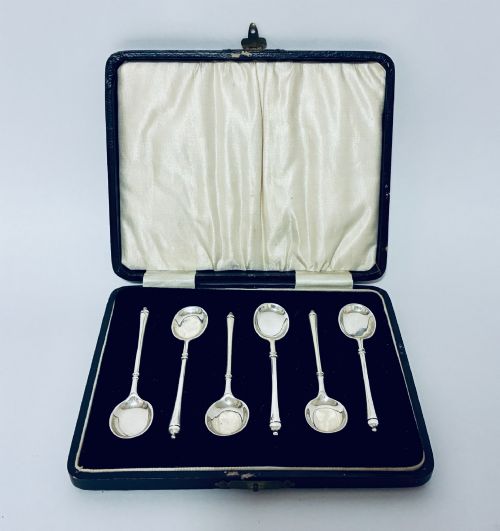
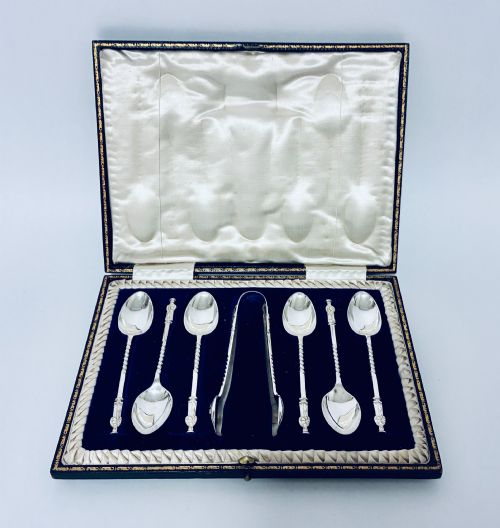
The pieces appearing on this page stretch from the Georgian period through the Victorian and Edwardian eras into the twentieth century, including Art Deco, Arts and Crafts, and mid-century modern movements. Caddy spoons, teaspoons, and cased sets dominate the offerings, alongside larger serving pieces and figural designs.
Origins vary broadly across English, Scottish, Irish, Dutch, Danish, Swedish, and Ottoman makers. Buyers regularly find single examples for daily use alongside complete cased sets intended for display or special occasions.
How They Were Made
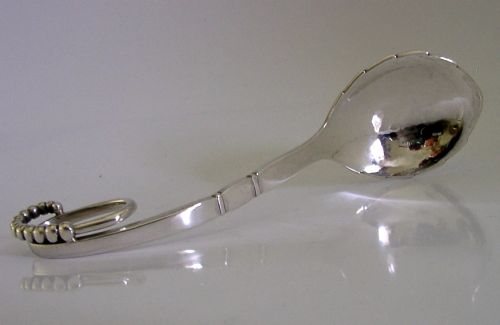
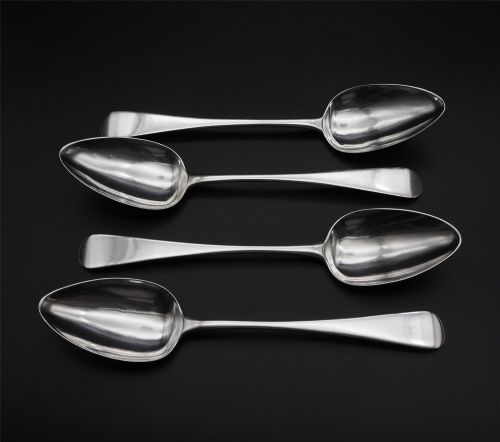
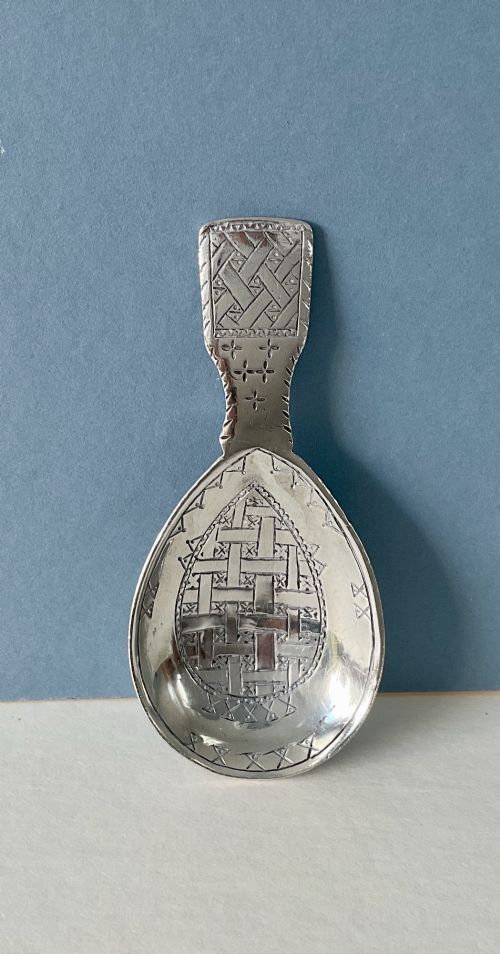
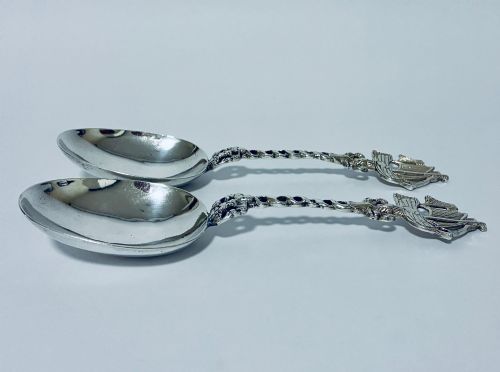
The pieces on record are formed primarily from sterling silver and solid silver, utilising traditional smithing techniques such as casting, hammering, and hand-engraving. Handles and bowls often display distinct stylistic hallmarks of their respective periods, from plain Old English profiles to intricate Art Nouveau and Arts and Crafts motifs.
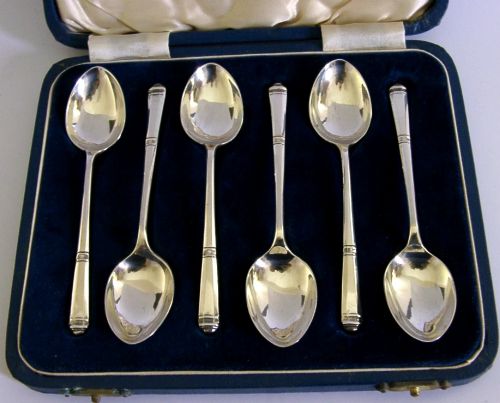
Fitted presentation cases lined in velvet, silk, satin, leather, or leatherette accompany many of the boxed sets, reflecting the care taken in housing these metal wares.
Some travel sets squeezed a medical kit and a spoon into the same leatherette box for the Victorian gentleman on the move.
What Varies in Quality
Quality rests upon the crispness of the maker's marks, the weight of the metal in the hand, and the clarity of any hand-engraved or repoussé decoration on the bowl and handle. Substantial gauge silver provides a reassuring heft, whereas lighter pieces rely more on surface pattern than structural thickness.
The integrity of the original fitted case, where present, alongside the preservation of surface detail without over-polishing, distinguishes standard examples from exceptional ones.
GEORG JENSEN·Liberty·Worshipful Company of Harberdashers·CONNELL·Hamilton & Inches·D&A·THE GOLDSMITHS & SILVERSMITHS
The Vintage Solid Silver Spoon Glossary
- Caddy Spoon
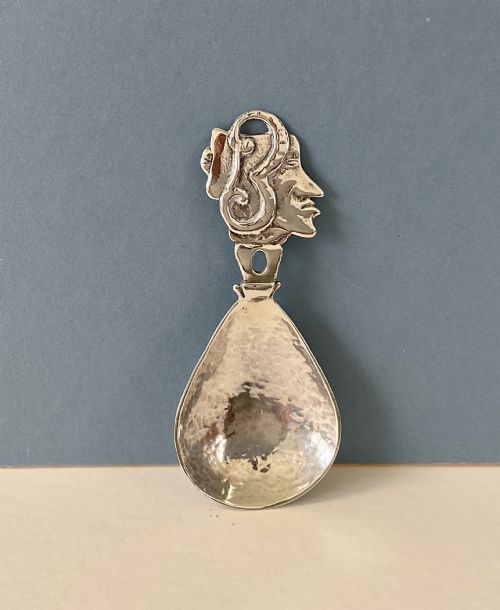
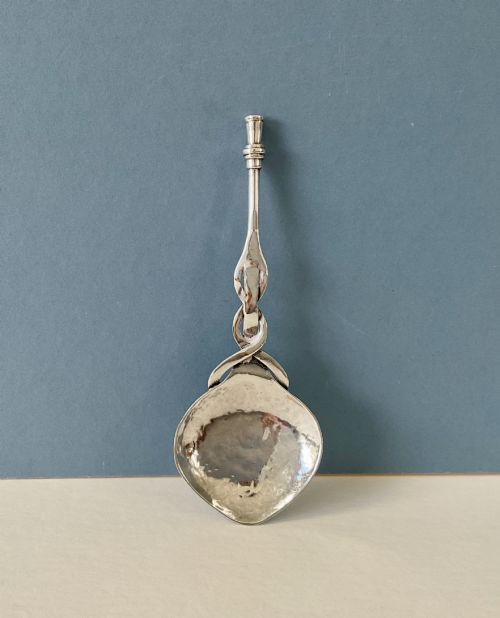
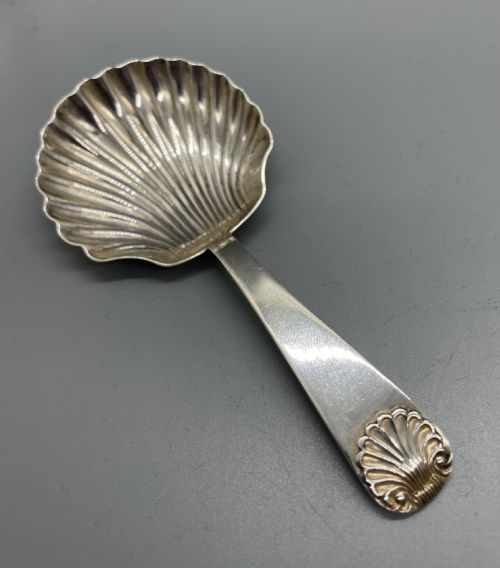
- A short-handled spoon specifically designed for measuring loose tea leaves from a caddy. These often feature decorative shell or figural bowls.
- Marrow Scoop
- A narrow, elongated utensil with troughs at both ends, used originally for extracting marrow from bones. They date frequently to the Georgian period.
- Hallmark
- An official stamp applied to silver items to guarantee the purity of the metal, the maker, and the year of assay. These marks provide the key to dating each piece.
- Repoussé
- A metalworking technique where the artist hammers the design from the reverse side to form a raised pattern in relief on the front.
Vintage Solid Silver Spoon: Frequently Asked Questions
How do I clean tarnished solid silver spoons safely?
Use a soft microfiber cloth and a mild, non-abrasive silver polish formulated specifically for antique metals. Avoid harsh scrubbing that can wear away crisp hallmarks or delicate hand-engraving.
Store pieces in tarnish-resistant wraps or lined boxes when not in use to minimise exposure to air and moisture.
Can I use vintage silver spoons for everyday dining?
Solid silver spoons are durable enough for regular daily meals, provided you wash them by hand promptly after use. Avoid dishwashers, as high heat and harsh detergents can pit the metal and ruin fitted presentation cases.
Dry them thoroughly with a soft cloth to prevent water spots and maintain the natural lustre of the silver.
What does a caddy spoon do?
A caddy spoon measures out loose-leaf tea from a storage container known as a tea caddy. Their short handles and wide bowls allowed them to sit conveniently inside or on top of the tea canister.
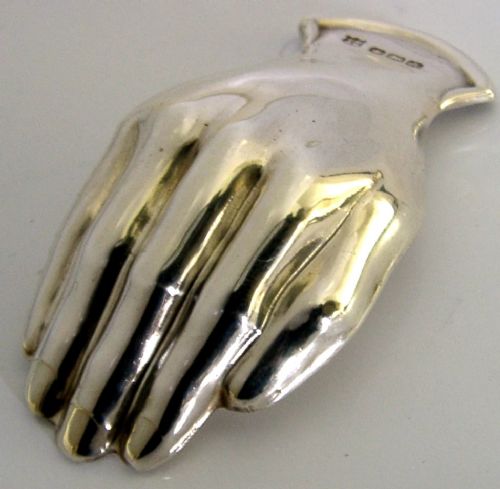
Collectors prize them for their variety of imaginative shapes, including leaves, hands, and shells.
How do I identify the age of a silver spoon?
Examine the stamped hallmarks on the reverse of the handle or bowl for city symbols, date letters, and maker marks. Reference guides map these specific symbols to exact assay years and maker workshops.
Stylistic cues such as the geometric lines of Art Deco or the organic motifs of Arts and Crafts also point toward specific decades.