

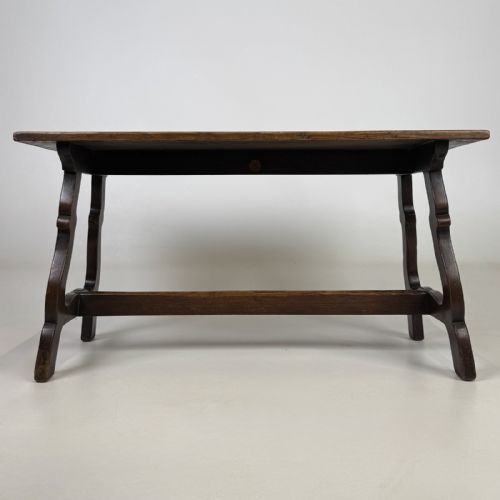
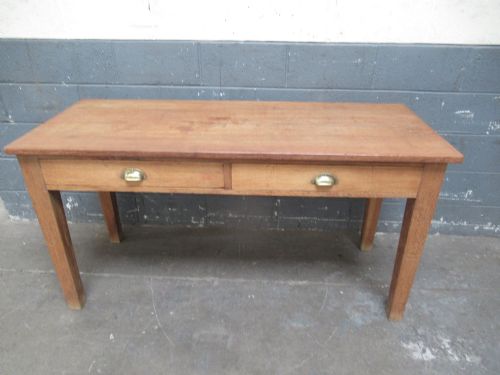
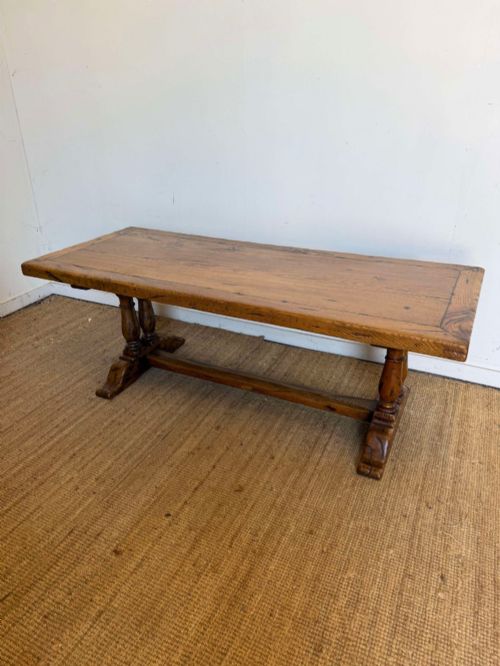
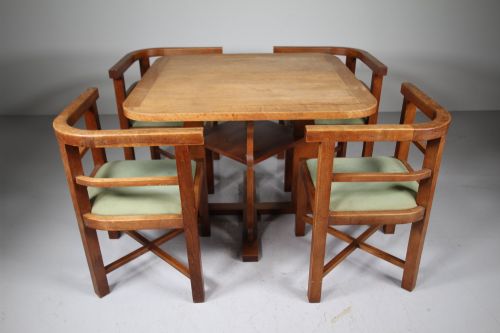
Vintage Solid Oak Table
A vintage solid oak table brings heavy timber, honest joinery, and practical daily surface space into a room.
Vintage Solid Oak Table
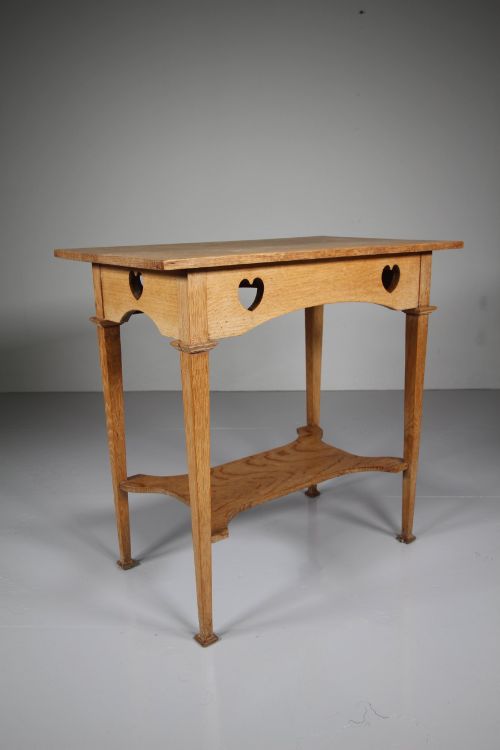
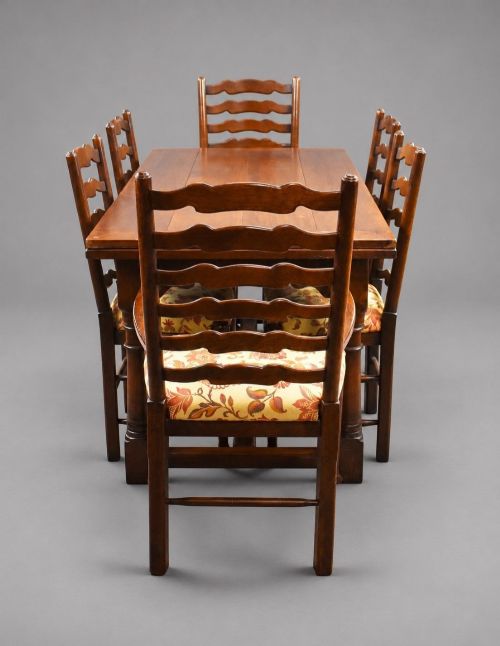
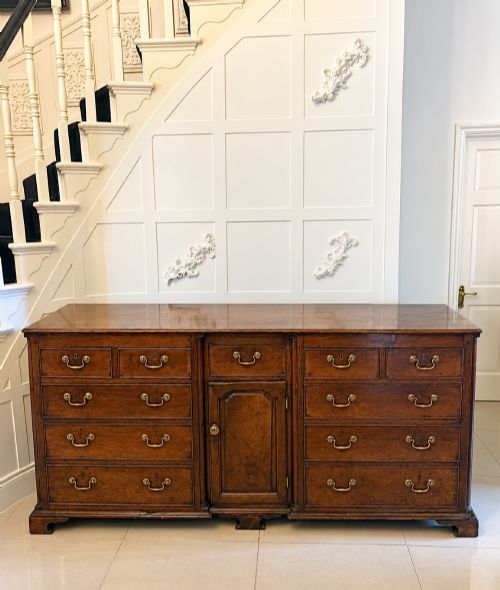
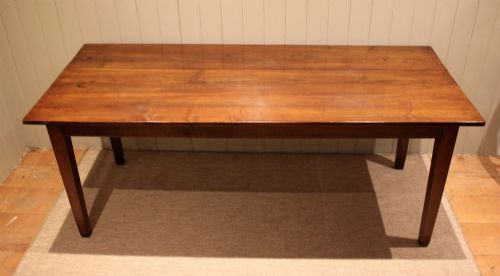
A vintage solid oak table encompasses forms ranging from compact side tables and coffee tables to substantial refectory and farmhouse dining tables. These pieces span periods from the nineteenth century through the Edwardian era and into the 1920s and 1930s, reflecting shifts in domestic utility.
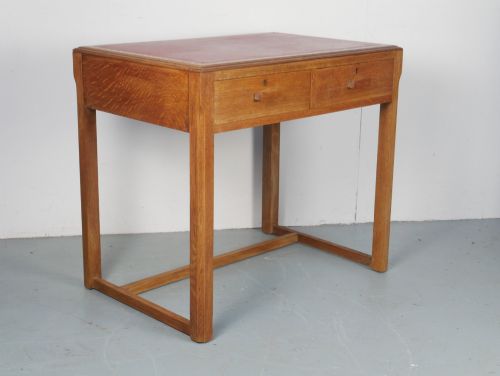
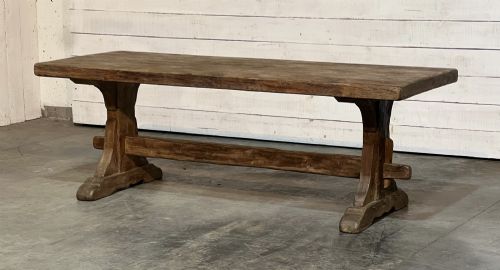
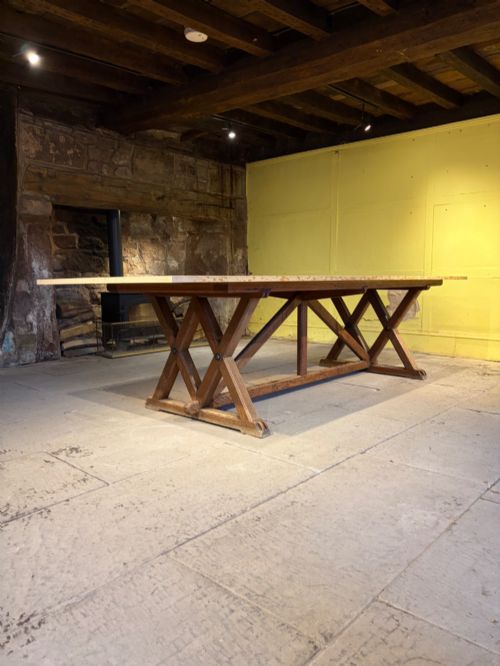
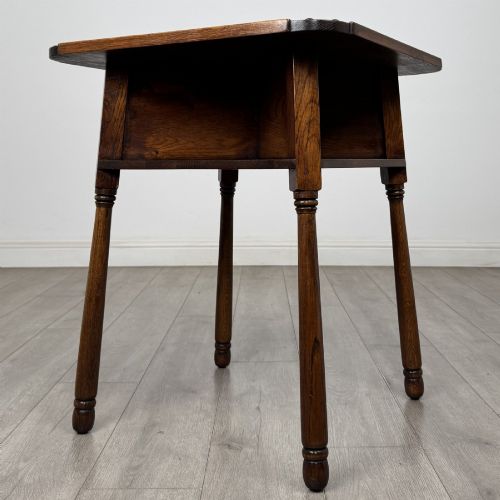
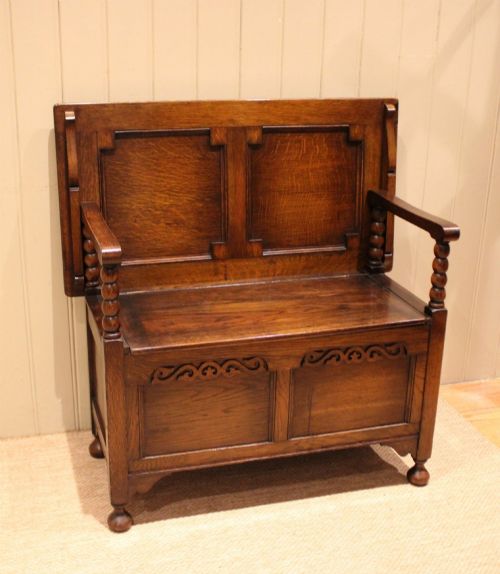
The version most commonly met on this page is the sturdy dining or refectory table, alongside smaller writing desks, coffee tables, and occasional tables. Stylistic influences vary widely, drawing on Arts and Crafts simplicity, Jacobean and Tudor revivals, and rustic farmhouse traditions.
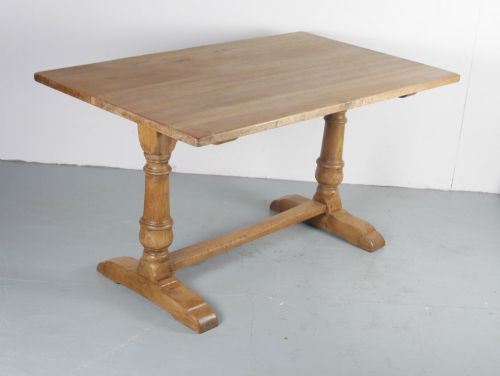
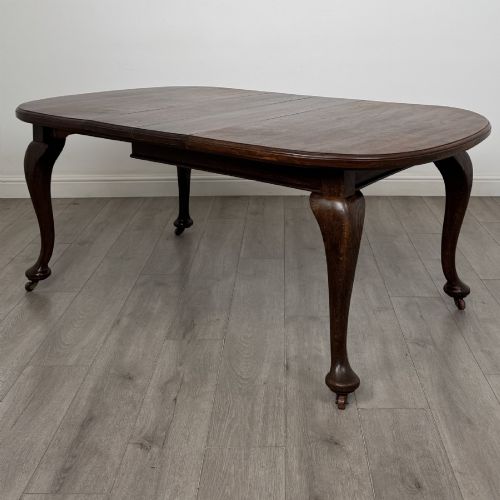
Makers and workshops of the early twentieth century, alongside anonymous cabinetmakers, utilised durable timber to construct furniture intended for hard daily use. Buyers encounter surfaces supported by turned legs, trestle ends, or pedestal bases, often featuring drop leaves or draw mechanisms.
Factors influencing quality
The execution of decorative elements, such as carved legs, turned supports, and functional mechanisms like draw leaves or drop sides, dictates the distinction between standard workshop output and superior design.
Vintage Solid Oak Table Retail Price Guide 2026
Typical asking prices for vintage solid oak table among the pieces listed under this phrase on Sellingantiques today, from the lower quarter to the upper quarter. They describe what is for sale here now, not the wider market.
Listings feature oak, chestnut, brass, and iron across dining tables, desks, coffee tables, and side tables.
Heals·G.T. Rackstraw·Arthur Reynolds·Finnigans
The Vintage Solid Oak Table Glossary
- Refectory table
- A long, narrow dining table originally built for communal dining halls. These tables typically feature sturdy stretcher bases and heavy wooden tops.
- Draw leaf table
- A table equipped with underleaves that pull out from beneath the main top to extend the surface length. This mechanism allows a compact table to seat more people.
- Arts and Crafts
- A design movement prioritising traditional craftsmanship, visible construction, and simple forms. Pieces from this style often shun heavy ornamentation in favour of honest material expression.
- Linenfold
- A style of wood carving that mimics folded fabric or linen. It is frequently seen on panels adorning desks and cabinets from revivalist periods.
- Demilune
- A half-moon shaped furniture form. These tables fit flush against walls as side or console tables.
Vintage Solid Oak Table: Frequently Asked Questions
How do I care for a solid oak surface?
Maintain the timber by keeping it away from direct heat sources and sudden humidity changes. Regular dusting and occasional application of appropriate wax preserve the finish.
Avoid using harsh chemical sprays that strip natural oils from the wood. Simple damp wiping followed by immediate drying protects the grain.
What periods do these tables represent?
The listings span from the nineteenth century through the Edwardian era into the 1920s and 1930s. Each era brings distinct stylistic touches, from heavy farmhouse builds to lighter Arts and Crafts forms.
Tracing these dates helps identify whether a piece belongs to the Victorian period, the Edwardian decades, or the interwar years.
How are drop leaf tables used?
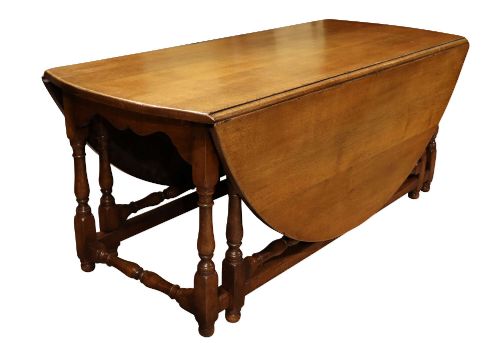
Drop leaf tables provide flexible surface area for smaller rooms or multi-purpose spaces. The hinged flaps raise when needed and drop down to save space.
They serve effectively as side tables, breakfast tables, or occasional desks depending on the room layout.
Can I use a refectory table daily?
Refectory tables were originally built for heavy daily use and withstand regular dining demands easily. Their solid oak construction provides a stable, durable platform.
Using heat mats and placemats protects the aged wooden surface from accidental damage while maintaining everyday utility.