
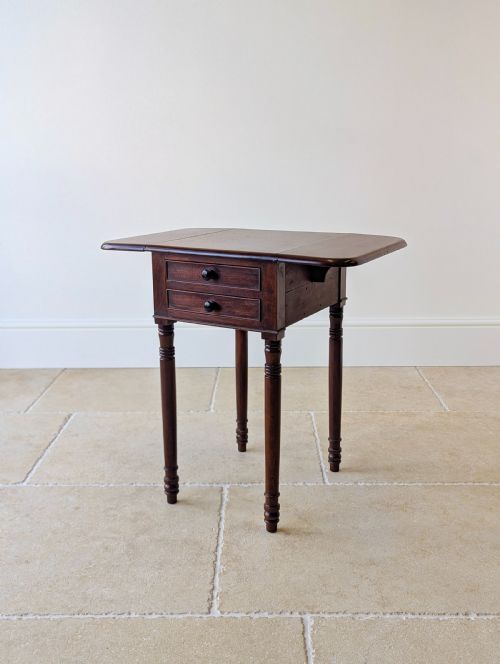


Vintage Sofa End Table
These vintage sofa end table designs bring compact surface space and period character directly beside seating, making them practical for modern rooms.
Vintage Sofa End Table
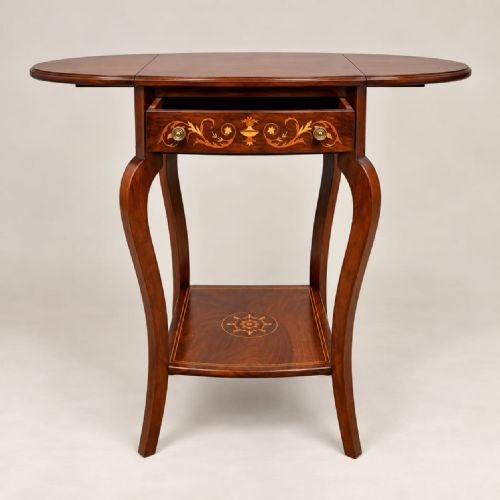
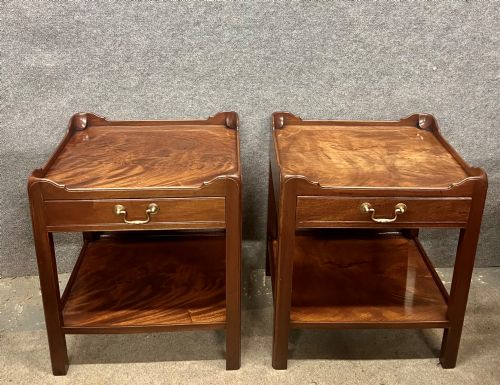
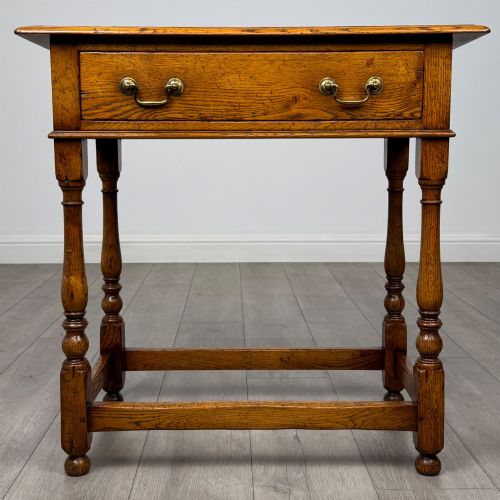
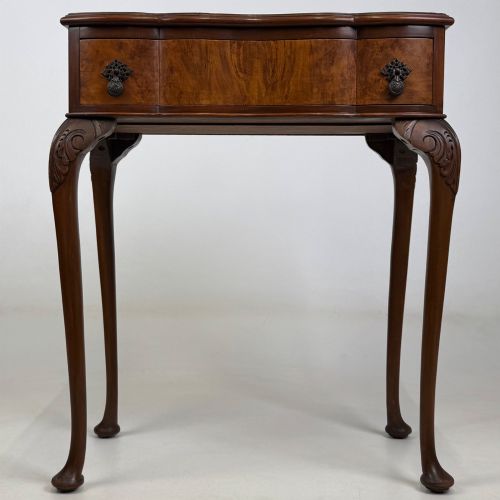
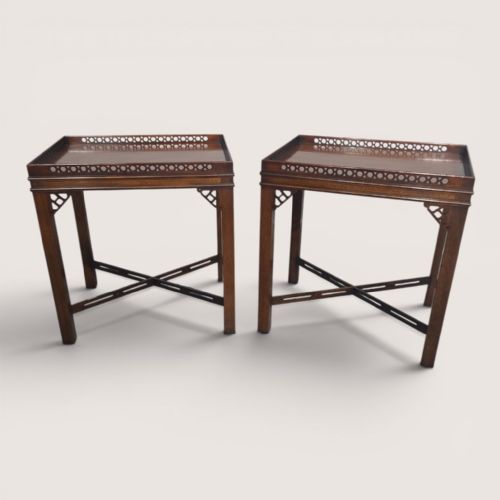
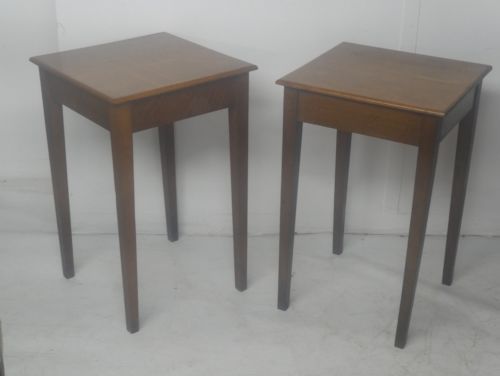
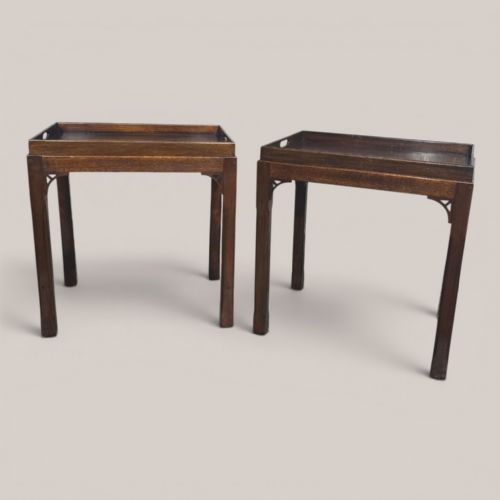
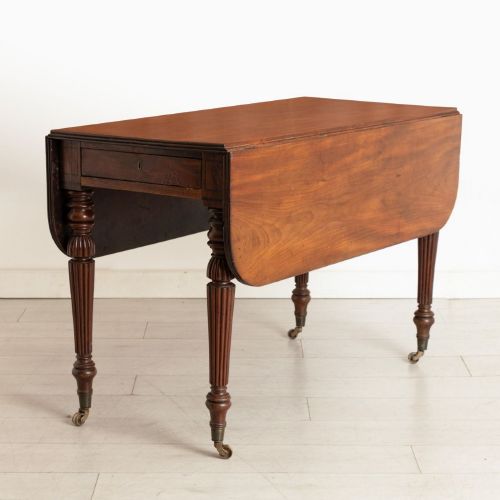
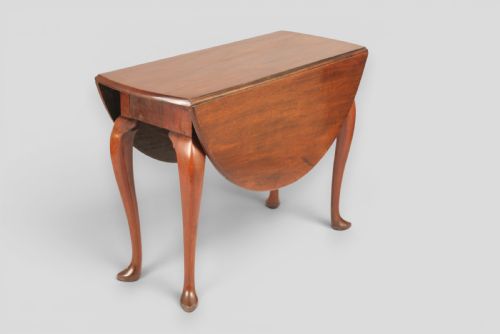
A vintage sofa end table covers a diverse array of compact occasional forms, including side tables, lamp tables, and drop-leaf designs intended to sit beside seating. Buyers searching this phrase meet pieces originating from the Georgian, Victorian, Edwardian, and Art Deco periods, alongside later twentieth-century iterations.
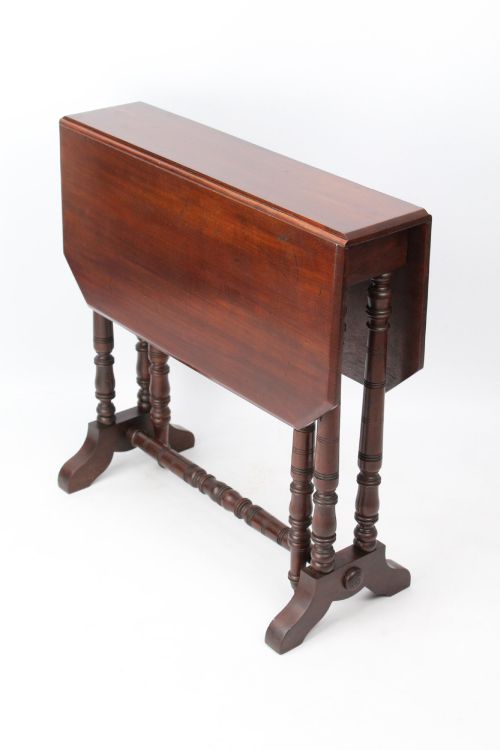
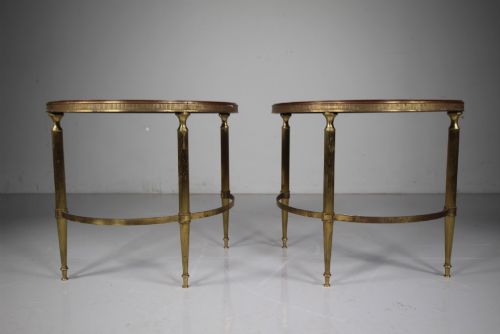
The selection ranges from narrow pembroke and Sutherland formats to low demi-lune shapes and multi-tiered occasional tables. Oak, mahogany, and walnut dominate the forms, frequently joined by brass, ceramic, marble, and chrome accents.
Makers and designers from various European origins produced these pieces to fit domestic spaces requiring movable surfaces for lamps and books. The physical evidence shows drop-leaf mechanisms, stretcher bases, and gate-leg constructions adapted for close placement next to upholstery.
Materials and construction methods
Cabinet makers utilised dense hardwoods such as mahogany, walnut, and oak, frequently selecting figured veneers and burr sections for decorative surfaces. Inlaid marquetry and contrasting satinwood banding appear on Edwardian and Georgian revival examples.
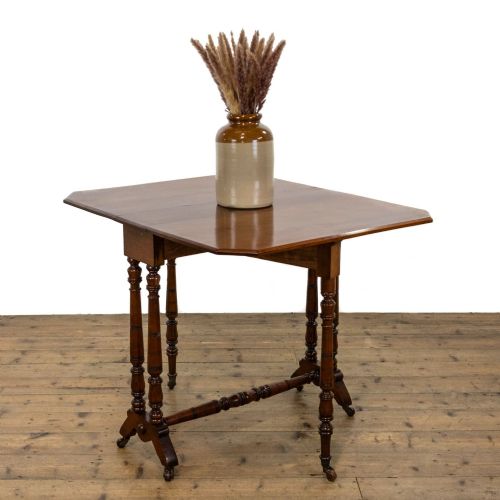
Structural elements include turned wooden legs, bobbin turnings, and stretcher supports, while drop-leaf versions rely on pivoting wooden brackets or swing legs to support hinged flaps. Later Art Deco iterations incorporate modern industrial materials like chrome alongside glass tops and illuminated panels.
Secondary materials such as brass fittings, ceramic castors, and inset marble slabs provide functional reinforcement and decorative contrast to the timber frames. Joinery methods reflect the period of origin, from traditional hand-cut joints in nineteenth-century pieces to twentieth-century manufactured frames.
Materials represented across the inventory include solid mahogany, burr walnut, oak, brass, marble, and chrome.
Assessing quality and craftsmanship
Quality rests upon the selection of timber, where tightly figured walnut and solid Cuban mahogany distinguish superior examples from standard utility furniture. The crispness of carved details, such as rope twists or restrained edging, indicates the level of artisan attention during manufacture.
Construction integrity determines daily utility, visible in the smooth operation of drop-leaf hinges, drawers, and folding brackets. Solid joints and stable stretcher bases separate enduring pieces from those compromised by loose framing or excessive past repairs.
Gilbert Rohde
The Vintage Sofa End Table Glossary
- Pembroke table
- A small rectangular table featuring two hinged drop leaves on opposing sides. It often includes one or two small drawers.
- Sutherland table
- A narrow drop-leaf table with exceptionally wide leaves and a gate-leg frame designed to fold down flat when not in use.
- Demi-lune
- A half-moon shape used for console and side tables intended to stand flush against a wall or the back of a sofa.
- Marquetry
- The art of applying pieces of veneer to a structure to form decorative patterns and pictorial designs.
- Stretcher
- A horizontal support connecting the legs of a table to provide additional structural rigidity and stability.
Vintage Sofa End Table: Frequently Asked Questions
How were these tables used originally?
Historically, owners placed these movable tables near upholstery to hold lighting, reading materials, or tea service items. Drop-leaf and gate-leg variants allowed households to expand surface space only when needed.
In reception rooms and parlours, they served as flexible furniture that could be repositioned easily around the hearth or seating arrangements.
How do I date a wooden table?
Dating relies on examining timber species, construction techniques, and characteristic stylistic details associated with periods like the Victorian era or Art Deco. Materials such as chrome and glass point firmly towards twentieth-century modernism.
Secondary woods, fixings, and the wear patterns on drawer linings also provide reliable indicators of age and origin.
Can I use an antique table daily?
These sturdy timber and metal designs suit regular daily placement for lamps and cups, provided they receive appropriate care. Treating surfaces with care and avoiding excessive moisture protects historic polishes and veneers.
Their original function as practical household furniture makes them well suited for contemporary living spaces.