




Vintage Small Sofa
A vintage small sofa offers compact seating rooted in Victorian, Edwardian, and nineteenth-century design.
Vintage Small Sofa
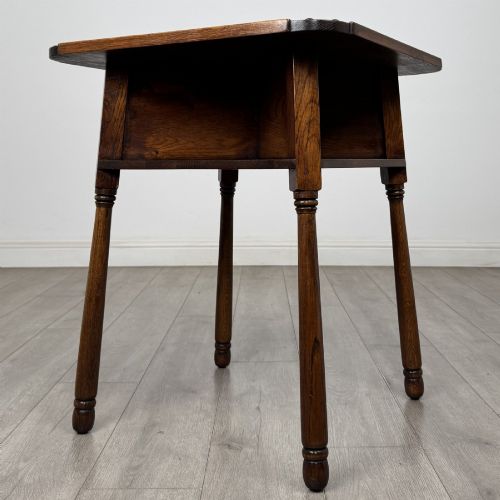
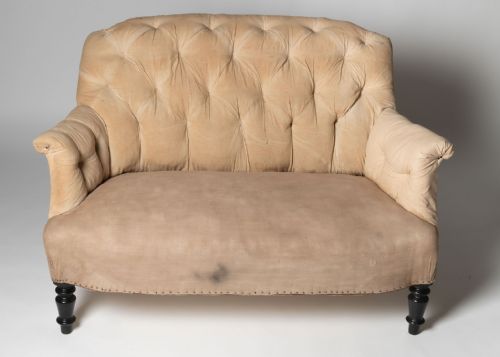
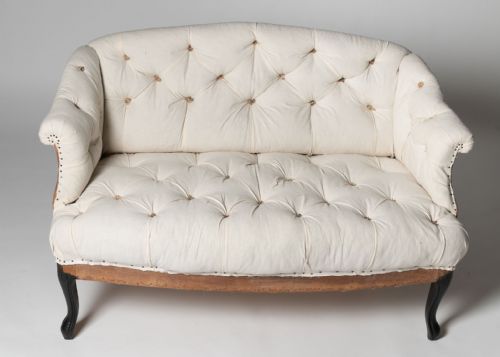
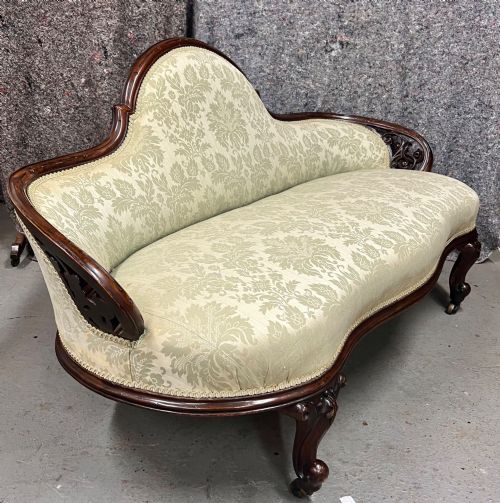
A vintage small sofa represents compact seating designed for intimate spaces, drawing from Victorian, Edwardian, and nineteenth-century traditions. These pieces appear as two-seater settees, petite couches, and button-backed canapes, often reflecting styles such as Louis XV Revival, French Chateau, and English Country. Buyers seeking this phrase encounter seating that balances restrained proportions with decorative woodwork and upholstery.
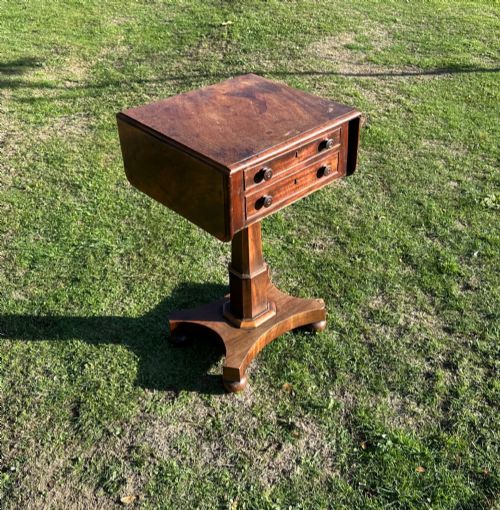
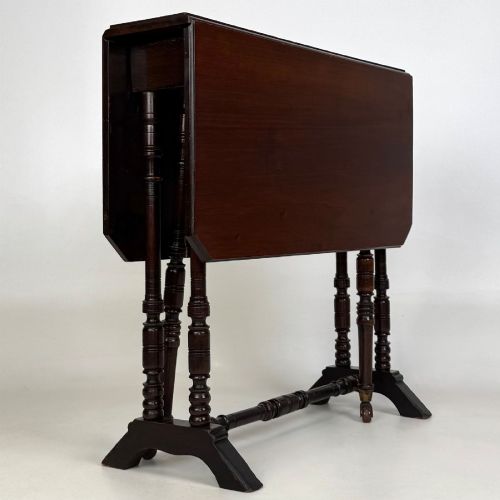
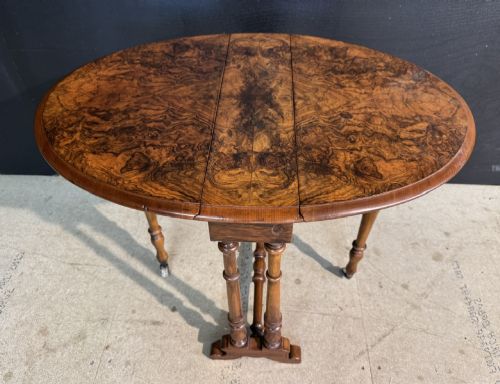
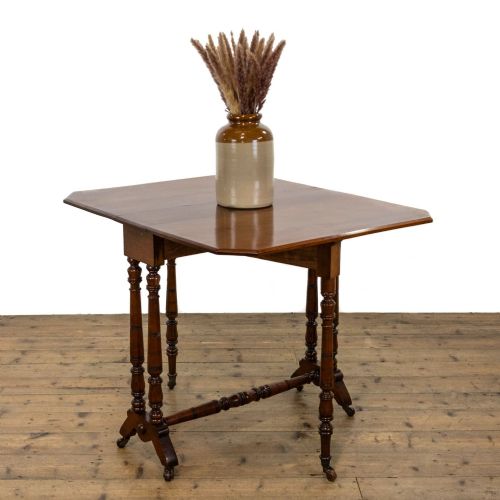
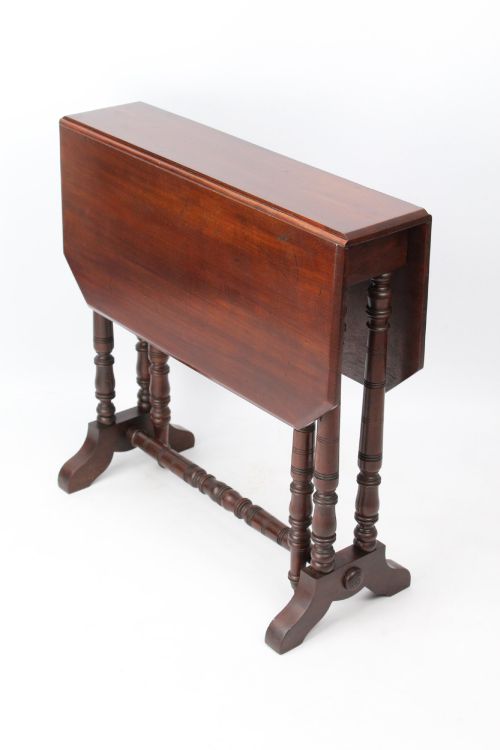
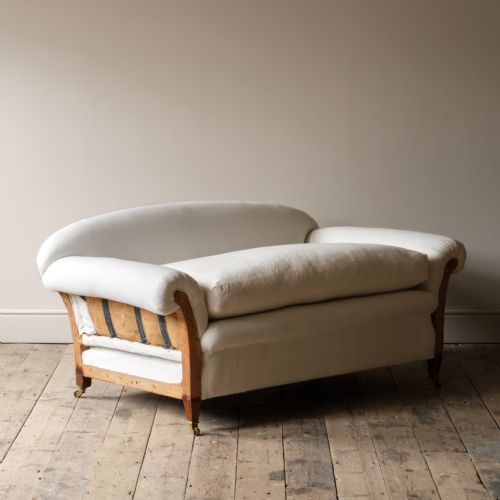
The selections on this page lean heavily towards Edwardian and Victorian forms alongside nineteenth-century French variants. Common configurations include drop-leaf frameworks, deep-seated country house models, and diminutive button-backed frames. Each piece provides the utility of full-scale seating scaled down for smaller rooms or bedroom placement.
How they were made
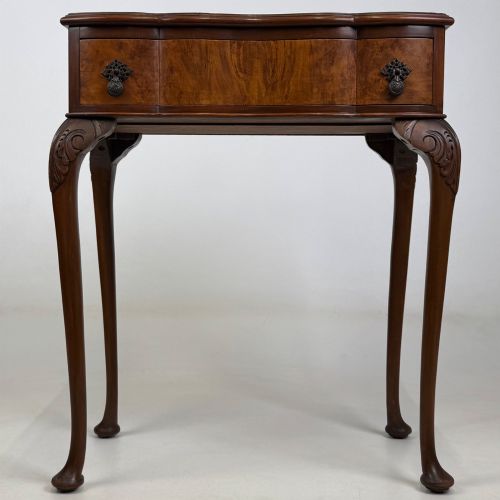
Cabinetmakers and upholsterers built these frames using dense hardwoods like mahogany, walnut, burr walnut, oak, and fruitwood. Structural integrity relied on traditional joinery, occasionally enhanced by turned or bulbous legs, cabriole supports, and intricate marquetry inlay. Gilt finishes and painted surfaces also appear on specific continental frames from the nineteenth century.
Upholstery techniques involved traditional stuffing and spring systems finished in durable fabrics, blue velvet with tassel trim, or canework. Caning required careful weaving of natural fibres through pierced wooden frames, while button-backed styles demanded precise tensioning to secure the textile grid.
Vintage Small Sofa Retail Price Guide 2026
Typical asking prices for vintage small sofa among the pieces listed under this phrase on Sellingantiques today, from the lower quarter to the upper quarter. They describe what is for sale here now, not the wider market.
What varies in quality
The standard of timber selection largely dictates a piece's visual weight, with figured walnut, burr walnut, and rich mahogany sitting at the upper end. Grain alignment, matched veneers, and fine marquetry inlay separate standard workshop output from exceptional creations. Secondary woods used in internal framing also reflect the original maker's commitment to durability.
Upholstery execution and carving depth distinguish finer examples. Crisp hand-carved details on cabriole legs or gilt frames show superior craftsmanship compared to softer, more mechanical moulding. Similarly, the tautness of buttoning and the choice of textile finishing indicate the level of care invested in the seating.
Howard And Sons
The Vintage Small Sofa Glossary
- Settee
- A small upholstered sofa or bench with a back and arms designed for multiple occupants. These pieces often feature decorative wooden frames and exposed legs.
- Canapé
- A decorative French upholstered sofa, typically featuring an exposed carved wooden frame and an open back. These pieces date frequently to the nineteenth century.
- Marquetry
- Decorative veneer work arranged in pictorial or geometric patterns using various woods. Craftsmen cut thin slices of timber to create detailed surfaces on tabletops and furniture panels.
- Canework
- Woven rattan or cane material utilised for chair seats and back panels. This technique provides a resilient yet lightweight surface.
- Cabriole leg
- A furniture leg that curves outward and then tapers inward, inspired by the shape of an animal's leg. This form appears frequently on eighteenth-century and revival seating.
Vintage Small Sofa: Frequently Asked Questions
Where should I place a small vintage sofa?
These compact seats suit bedrooms, narrow hallways, or drawing rooms where standard furniture overwhelms the floor plan. Their reduced scale permits placement at the foot of a bed or within a cosy reading corner.
Because many examples measure under standard sofa lengths, they fit comfortably into alcoves and bay windows. Positioning them away from direct sunlight protects the historical fabric and wood finishes.
How do I identify an Edwardian small sofa?
Edwardian seating, produced around the turn of the twentieth century, often displays lighter proportions and brighter mahogany or satinwood timbers. Look for delicate inlaid decoration, tapered legs, and influences from earlier revival styles.
These pieces typically feel less heavy than their Victorian predecessors while maintaining sturdy hardwood frames. Upholstery on Edwardian models frequently employs simpler tailored finishes rather than deep buttoning.
How do I care for antique wood and upholstery?
Maintain wooden frames by dusting with a dry cloth and applying appropriate beeswax sparingly to nourish the grain. Avoid chemical polishes that can degrade nineteenth-century finishes.
Protect upholstered surfaces by gentle vacuuming with a soft brush attachment to remove surface debris. Professional cleaning is recommended for delicate textiles like velvet and silk.