
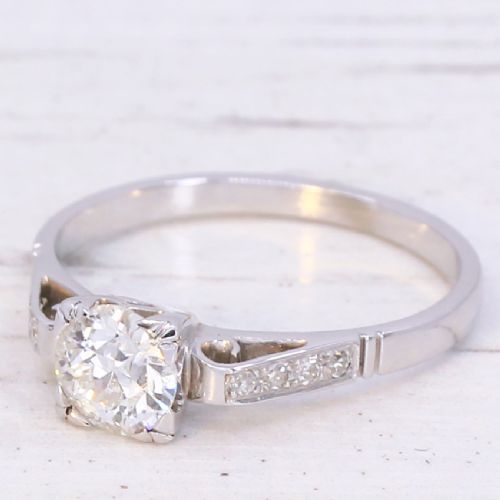
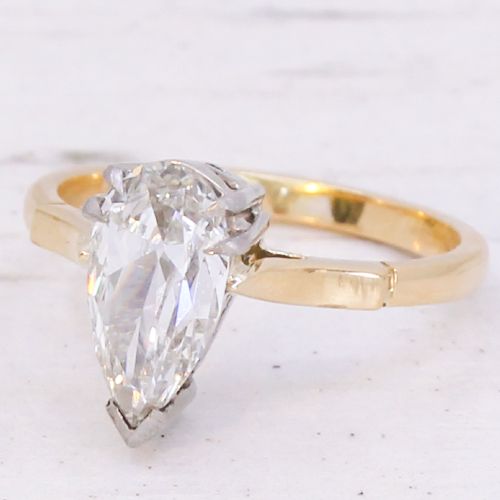
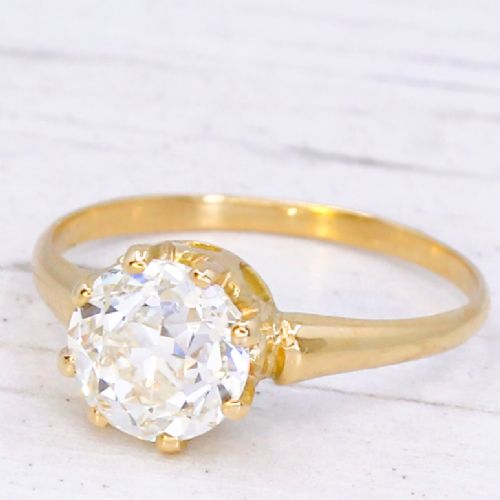
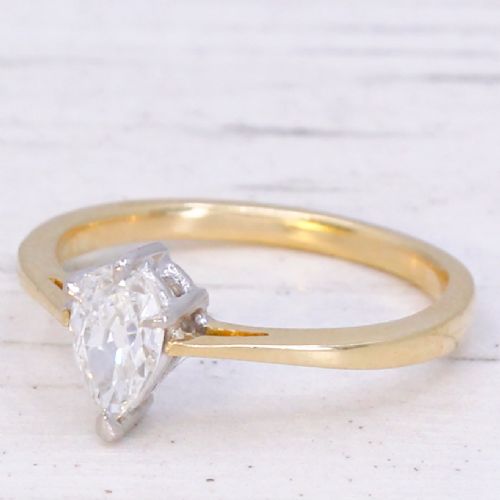


Vintage Single Stone Ring
A vintage single stone ring centres on a single prominent gem, most often a diamond set in platinum or gold.
Vintage Single Stone Ring
A vintage single stone ring focuses attention entirely on one principal gemstone, most commonly configured as an engagement ring or dress ring. When exploring a vintage single stone ring, you encounter pieces spanning from the Victorian and Edwardian eras through the Art Deco period and mid-century modern decades.
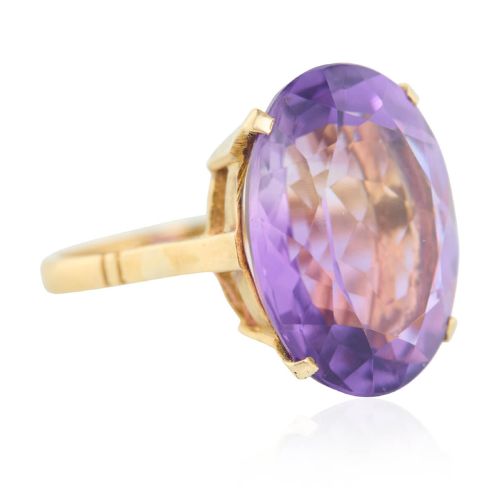
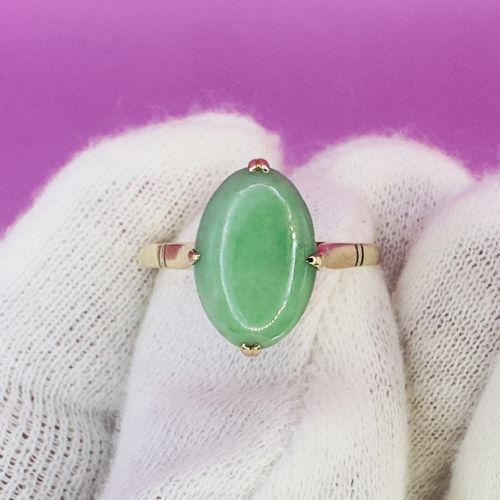
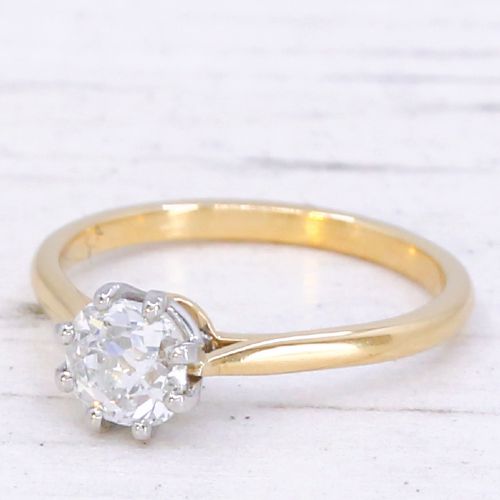
The prevailing form on this page is the diamond solitaire, mounted securely in platinum or various tones of gold. Alongside diamonds, examples emerge featuring alternatives such as emerald, amethyst, jade, and black onyx.
Origins stretch across the late nineteenth century and proceed through the 1920s, 1930s, 1940s, 1950s, and 1960s. These items demonstrate the distinct aesthetic shifts of their respective decades, moving from ornate Edwardian wirework to sleek mid-century geometry.
How they were made
Goldsmiths and platinum smiths utilised durable precious metals to construct secure settings that elevate the central stone. Platinum gained widespread favour during the Art Deco period for its strength, allowing delicate yet robust claw and bezel mounts.
Stones were shaped by hand using traditional cutting techniques appropriate to their period. Old European cuts, old mine cuts, transitional cuts, and old pear cuts define the character of these stones, displaying hand-faceted depths distinct from modern machine cutting.
Listings span multiple decades, incorporating Victorian, Edwardian, Art Deco, and mid-century styles fashioned from platinum and yellow or white gold.
What varies in quality
The quality of a piece rests in the integration of the gemstone with its metal mount. Superior examples exhibit precise stone symmetry, secure prongs, and metalwork that complements the optical performance of the central gem without unnecessary bulk.
The character and condition of the central gemstone determine the standing of the piece. Stones with balanced proportions, good clarity, and historically appropriate cutting styles elevate the execution of the entire ring.
The Vintage Single Stone Ring Glossary
- Solitaire
- A ring featuring a single set gemstone, typically a diamond. This setting style maximises the visual impact of the central stone.
- Old European cut
- An early round brilliant diamond cut characterised by a small table, high crown, and large culet facet. This cut predates modern standard brilliant geometry.
- Platinum
- A dense, strong, and malleable white metal utilised extensively in antique and vintage high-value jewellery settings. It holds small claw work securely over extended periods of wear.
- Illusion setting
- A mounting technique where metal surrounding a smaller diamond is faceted or polished to create the optical impression of a larger stone. This method was popular in Victorian and early twentieth-century designs.
- Transition cut
- A diamond cut bridging the older old European style and the modern brilliant cut, appearing primarily in pieces from the mid-twentieth century.
Vintage Single Stone Ring: Frequently Asked Questions
How do I clean a vintage ring?
Clean your ring using warm soapy water and a soft brush to remove everyday debris from beneath the setting. Avoid harsh chemical dips that can damage softer gemstones or delicate antique metals.
Inspect the prongs periodically to ensure the centre stone remains firmly anchored in its mounting.
Can these rings be resized easily?
Most gold and platinum bands can be altered by a skilled jeweller to fit different finger sizes. The feasibility depends on the band thickness and whether the shoulders carry intricate engraved details.
Consult a specialist who understands vintage construction methods to preserve the integrity of the original metalwork.
Are these suitable for daily wear?
Diamonds, platinum, and high-carat golds possess the durability required for everyday use. Care should still be taken during strenuous physical activities to prevent impact damage to the central stone.
Softer gems like amethyst or jade require additional caution against sharp knocks and scratching.
How do I identify the period?
Examine the mounting style, metal choices, and the cutting technique of the gemstone for period-specific clues. Art Deco pieces show geometric lines and platinum use, while Edwardian examples favour delicate floral motifs.
Hallmarks stamped inside the band provide official assay marks and date letters for accurate attribution.