


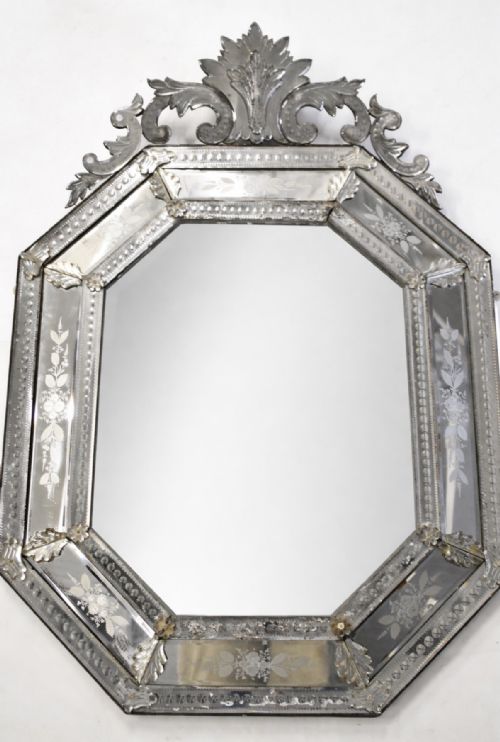

Vintage Silvered Glass Mirror
A vintage silvered glass mirror brings deep historical character and a luminous reflective quality to a room, drawing on decades of skilled craftsmanship.
Vintage Silvered Glass Mirror
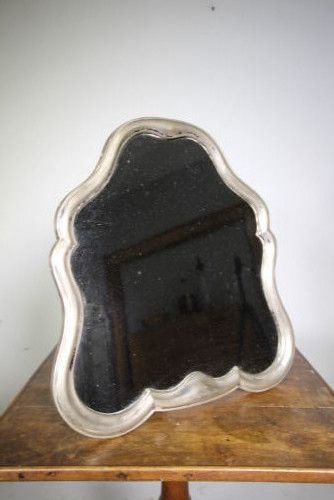
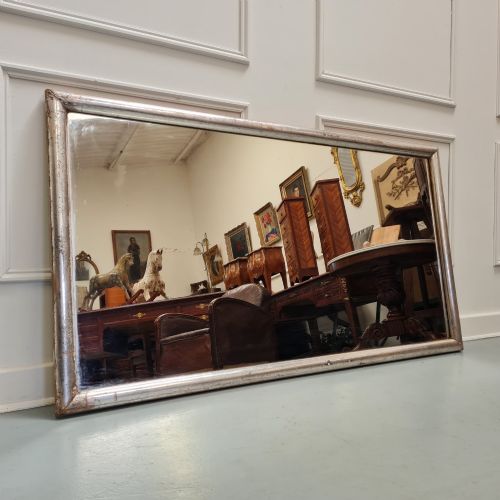
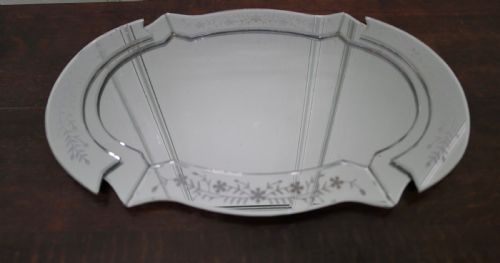
A vintage silvered glass mirror encompasses various forms designed to reflect light and enhance interior spaces. When exploring this selection, buyers encounter pieces that range from wall-mounted items to decorative trays and lighting elements.
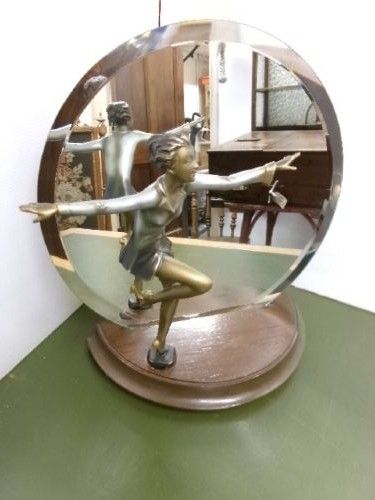
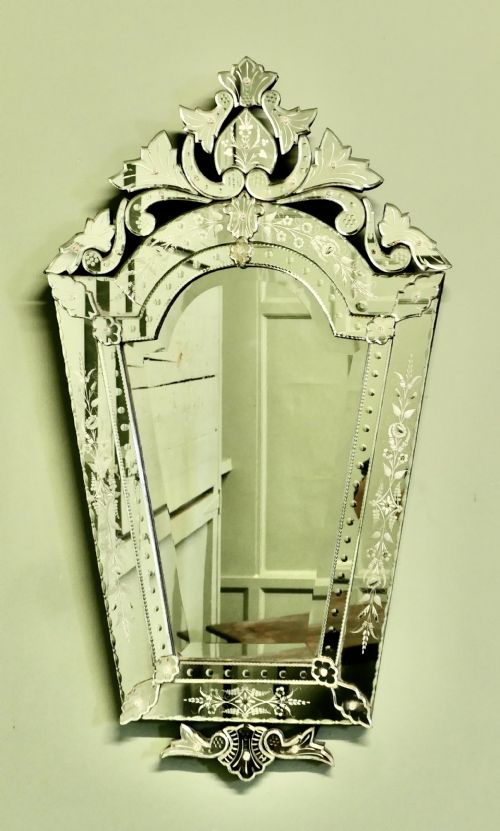
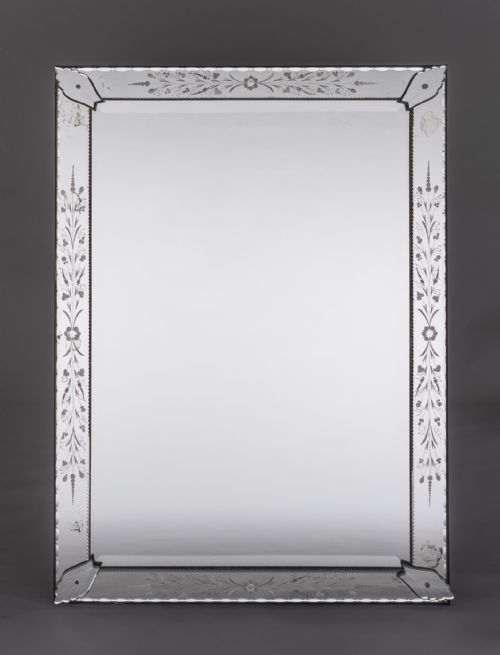
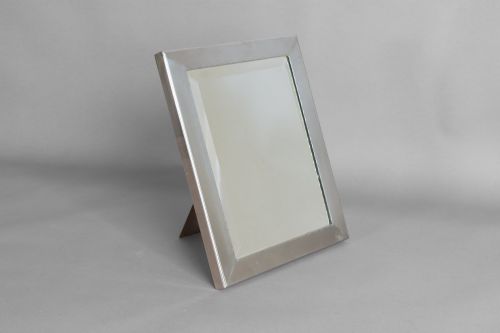
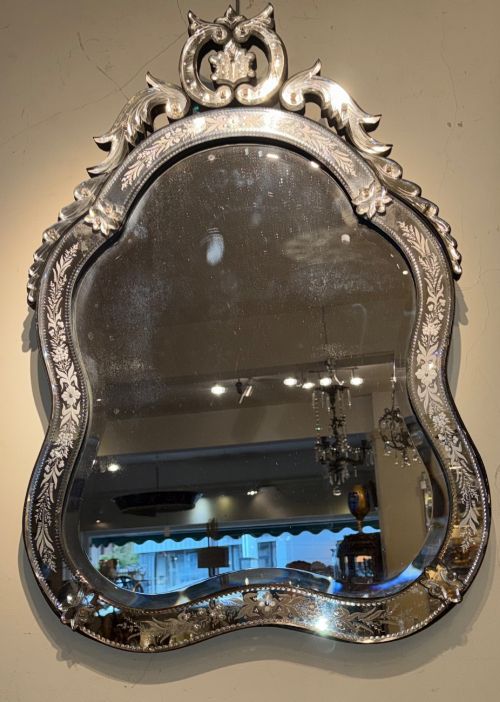
The objects represented span multiple decades, incorporating periods such as the Victorian era, the Edwardian period, and the Art Deco movement. Wall mirrors and cushion mirrors dominate the selection, often reflecting Venetian or French origins.
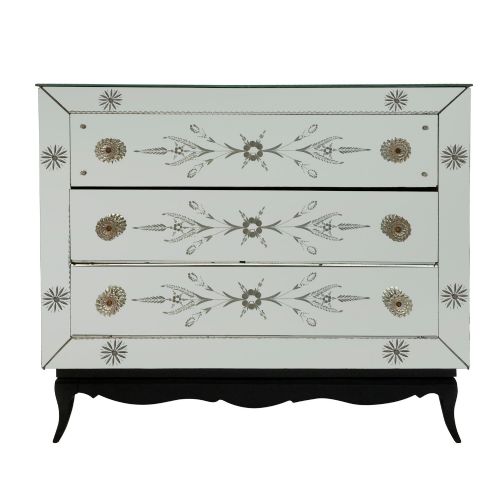
Beyond standard wall mirrors, the category includes unusual items like sorcerer mirrors, vanity mirrors, and mirrored furniture. These variations demonstrate the broad utility and diverse design languages preserved within the material.
Materials and construction
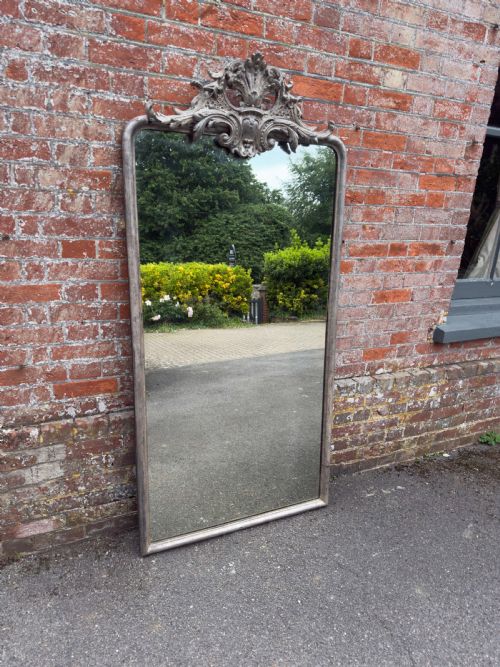
Makers utilised combinations of wood, metal, brass, and chrome to construct robust frames that support heavy glass plates. Silver leaf, silver gilt, and mercury mirrored glass provide the distinct reflective surfaces seen across the pieces.
Techniques involve bevelled glass cutting, intricate etching, and carved wood and gesso frameworks. Original fittings and foxed plates often remain intact, revealing the authentic period manufacturing methods used by makers.
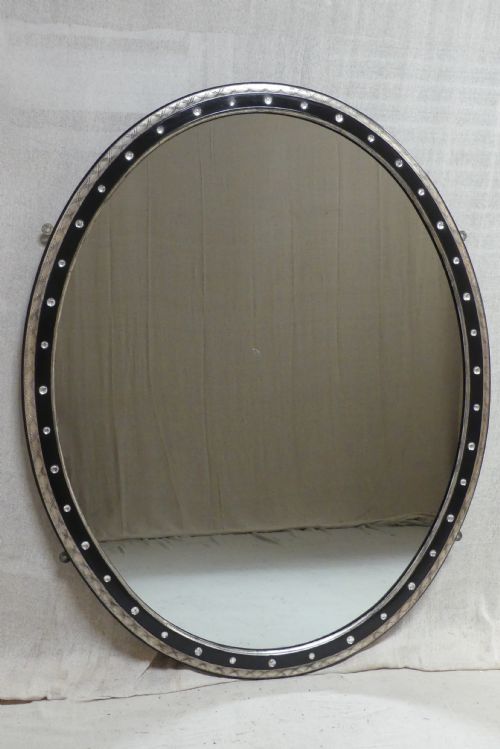
Several pieces include circular sorcerer mirrors, once used by Victorians to keep a watchful eye on guests across the room.
Assessing the craftsmanship
The standard of execution depends heavily on the depth of hand-engraving and the complexity of the frame construction, such as carved wood and gesso details. Pieces featuring cushion designs or detailed Venetian cut glass demonstrate higher levels of artisan labour.
The integrity of the silvered glass and the presence of original fittings contribute significantly to the character of each piece. Age-related changes like foxing on bevelled plates indicate authenticity rather than diminished standard.
The Vintage Silvered Glass Mirror Glossary
- Silvered glass
- Glass treated with a reflective metallic coating to create a mirror. This technique forms the primary optical surface for the items in this category.
- Foxed plate
- Glass displaying dark spots or patches resulting from the degradation of the silver backing over time. This chemical alteration is often prized for authenticity.
- Cushion mirror
- A mirror featuring a convex or sloping border composed of separate glass panels fixed around a central plate. This design creates multidirectional light reflection.
- Overmantel mirror
- A large horizontal mirror designed specifically to hang above a fireplace mantelpiece. These pieces often anchor the decorative scheme of a period room.
- Sorcerer mirror
- A convex mirror traditionally used to view a wider field of vision in a room. Victorian examples frequently utilise this optical property for decorative effect.
Vintage Silvered Glass Mirror: Frequently Asked Questions
How do I hang a heavy mirror safely?
Heavy period mirrors require robust wall fixings secured directly into masonry or wall studs to bear the substantial weight of the wood and glass frame.
Professional installation is recommended for large items, particularly those featuring original fittings or delicate gesso work.
What causes spots on vintage mirrors?
Spots and discoloration, known as foxing, occur when moisture seeps behind the glass and reacts with the silvered backing over decades.
Many collectors value this natural ageing process because it confirms the genuine historical age of the reflective plate.
How should I clean silvered glass?
Clean the glass surface gently with a soft, dry cloth to remove dust without disturbing the edges or any exposed backing.
Avoid harsh chemical sprays or abrasive liquids that might seep behind the frame and accelerate degradation of the silver layer.
Are Art Deco mirrors different from Victorian ones?
Art Deco mirrors favour geometric shapes, frameless octagonal designs, and etched motifs that reflect the modernist tastes of the 1920s and 1930s.
Victorian and Edwardian pieces lean towards ornate carved wood, heavy gilt frames, and traditional cushion or overmantel proportions.