


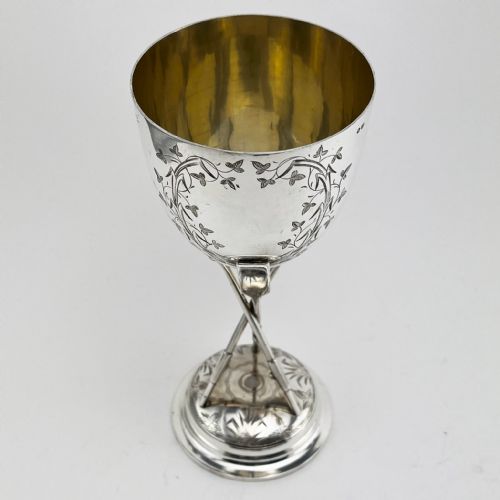


Vintage Silver Trophy
A vintage silver trophy brings sporting history and domestic display together, offering tangible evidence of past victories in sterling silver and silver plate.
Vintage Silver Trophy
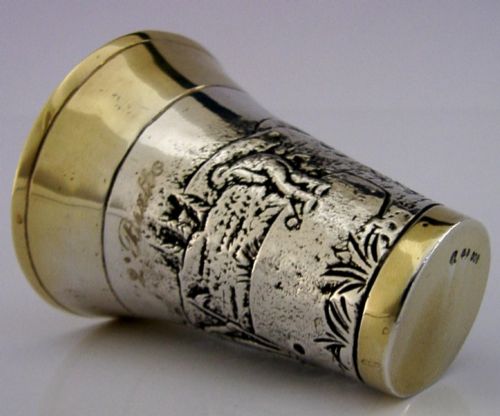
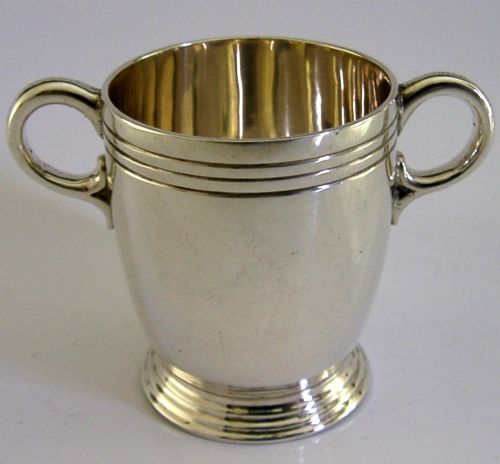
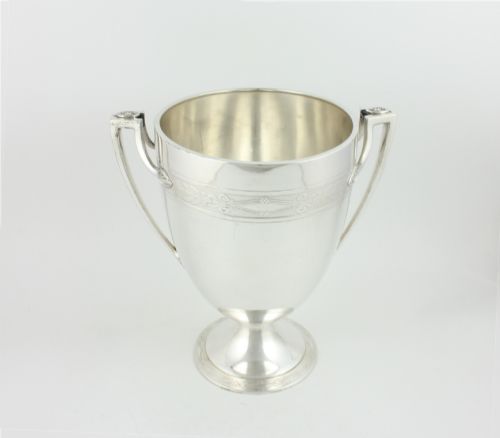
A vintage silver trophy encompasses presentation cups, loving cups, goblets, and specialised sporting awards spanning the nineteenth and twentieth centuries. These pieces record competitive triumphs across golf, cricket, football, horse racing, and rowing, alongside military and regimental events.
The selections encountered here range from early nineteenth-century Old Sheffield Plate loving cups to Art Deco sterling silver beakers and Edwardian presentation bowls. English sterling silver from London and provincial assay offices appears frequently alongside Continental 800 silver and silver plate.
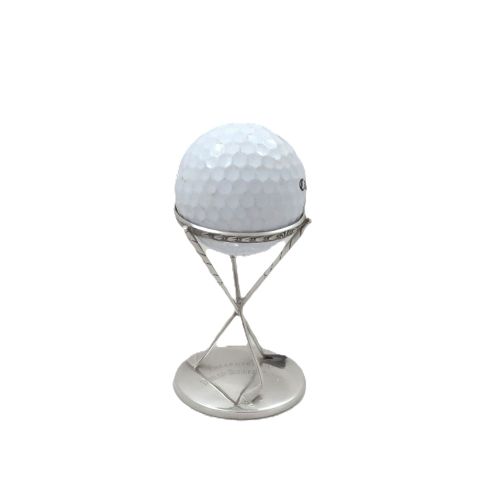
Beyond standard cups, the category extends to themed items such as golf ball holders, model aircraft, and taxidermy mounts adapted for display. These objects bridge the gap between functional silverware and commemorative sculpture.
Materials and construction
Makers utilised sterling silver, silver plate, and 800 silver, often mounting metal vessels on turned wood bases or incorporating marble plinths. Subsidiary materials such as ceramic liners, oak, and copper appear in composite presentation pieces and bowls.
Techniques combine traditional silversmithing methods such as spinning, casting, and hand-chasing with applied decorative details. Plated items utilise Old Sheffield Plate or electroplating on base metals, while specific presentation models employ detailed casting to render aircraft, horses, and figures.
Materials in these listings include sterling silver, silver plate, wood, marble, deer hoof, copper, and 800 silver.
Distinctions in quality
Quality rests upon the weight of the metal, the crispness of chased or engraved lettering, and the integrity of the maker's marks. Heavier gauge sterling silver vessels maintain their structural form without distortion, whereas thin plated items show wear over extended handling.
The artistic ambition of the form separates standard production items from bespoke presentation pieces. Modelled trophies featuring seaplanes, aircraft, or equestrian figures demonstrate superior sculptural execution compared to generic stamped cups.
Christofle·James Deakin and Sons·Joseph Rodgers and Sons
The Vintage Silver Trophy Glossary
- Sterling silver
- A silver alloy containing 92.5 percent pure silver and 7.5 percent other metals, typically copper, used for durable domestic and presentation silverware. British pieces carry hallmark stamps indicating the assay office and year.
- Silver plate
- A base metal substrate coated with a thin layer of silver, encompassing both early Old Sheffield Plate created by fusing silver to copper and later electroplated items. This method offered the visual weight of silver at a lower cost.
- Loving cup
- A large drinking vessel with two or more handles, traditionally passed among guests at banquets and sporting celebrations. These pieces frequently appear in nineteenth and early twentieth-century presentation contexts.
- Assay office
- An official body responsible for testing the purity of precious metal items and stamping them with hallmark guarantees. Towns such as London, Sheffield, and Birmingham operated distinct offices.
Vintage Silver Trophy: Frequently Asked Questions
What periods do these trophies date from?
The listed items span from the nineteenth century through the 1950s, covering Victorian, Edwardian, and mid-twentieth-century eras.
Specific dates are often confirmed by hallmarks, engraved inscriptions, or stylistic markers associated with Art Deco and Art Nouveau movements.
Are these pieces made of solid silver?
The selection includes both solid sterling silver and silver-plated items, alongside Continental 800 silver pieces.
Listings specify the material makeup, distinguishing English sterling items with hallmarks from silver-plated and base metal alternatives.
What sports are commonly represented?
Golf, cricket, football, horse racing, and rowing form the primary sporting themes found across the engraved inscriptions and figural designs.
Dedicated items include golf ball stands, rowing goblets, and specific equestrian presentation pieces dated to race meetings.
How can I identify the maker or origin?
Makers' marks, town marks, and date letters stamped into the metal provide precise attribution for British sterling silver pieces.
Unmarked items or plated wares rely on maker stamps, retailer names, and stylistic evidence to indicate their origin.