

Vintage Silver Tool
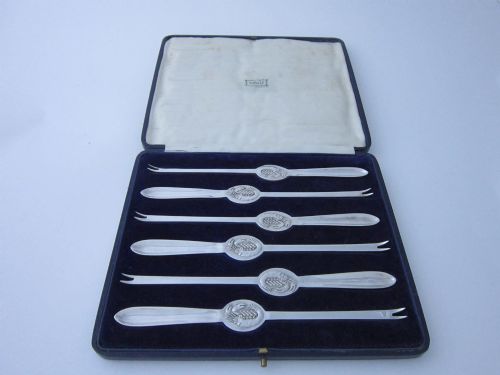
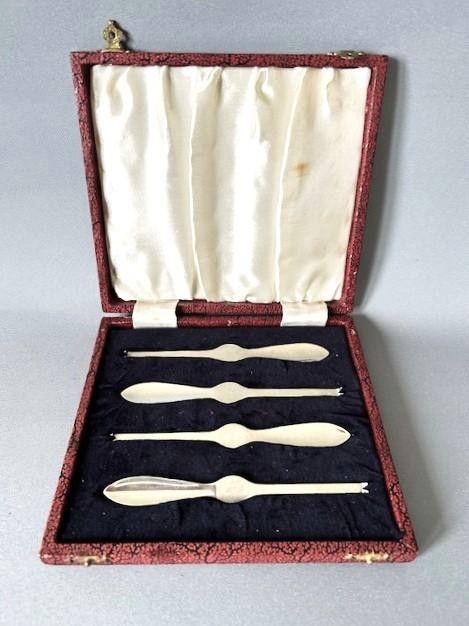
A vintage silver tool brings refined utility to the desk, vanity, or bar through enduring craftsmanship.
Vintage Silver Tool
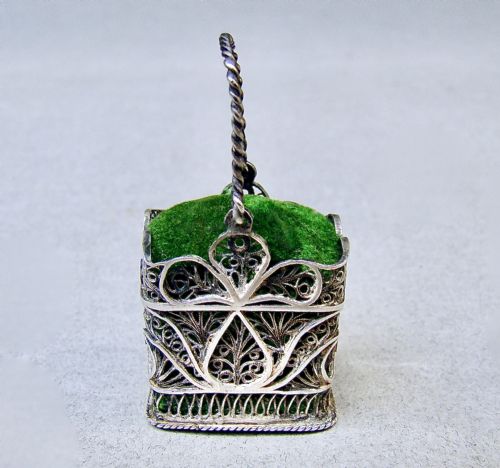
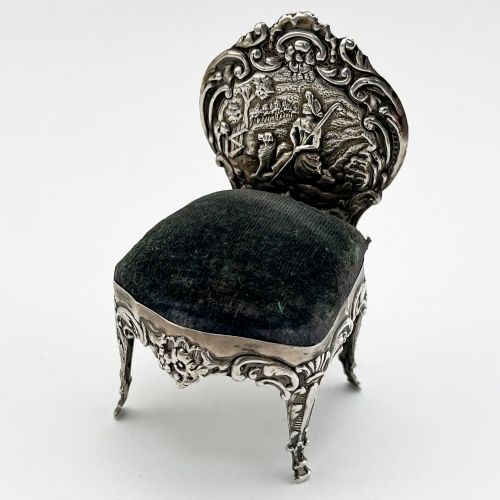
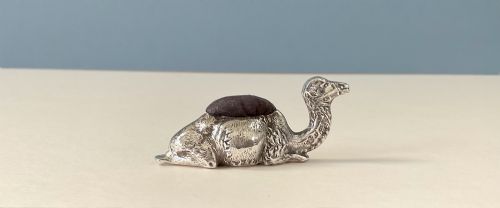
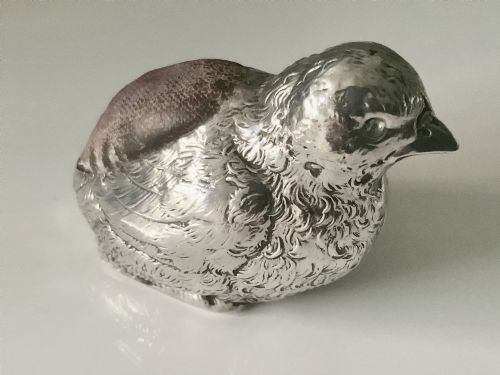
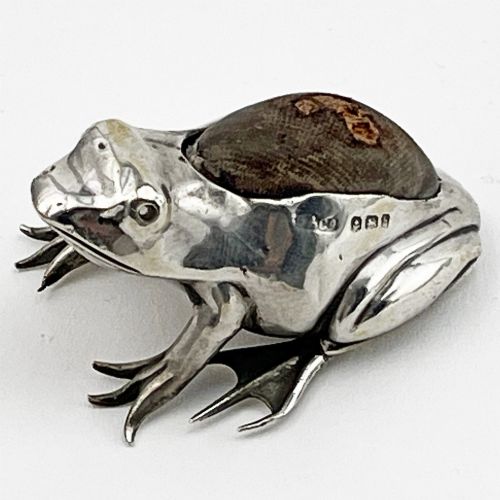
Novelty pieces form a distinct category within this selection, frequently appearing as figural pin cushions shaped like animals, chairs, and railway lamps. These objects bridge the gap between practical utility and decorative display, reflecting the detailed craftsmanship of the Victorian, Edwardian, and Art Deco periods.
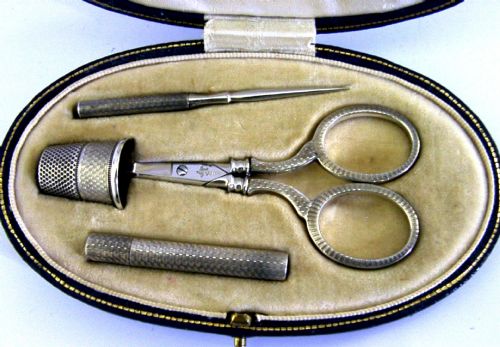
The assortment on this page draws from multiple eras, ranging from nineteenth-century French sewing compendiums to mid-century barware. Buyers are most likely to encounter Edwardian novelty pin cushions, sterling sewing kits, and twentieth-century desk or bar accessories.
Materials and Techniques
Makers utilised sterling silver and silver plate for the structural housings, handles, and decorative mounts of these instruments. These metals were frequently combined with contrasting materials such as steel for cutting edges, velvet and fabric for pin cushion interiors, and natural elements including corozo nut, stone, and bone.
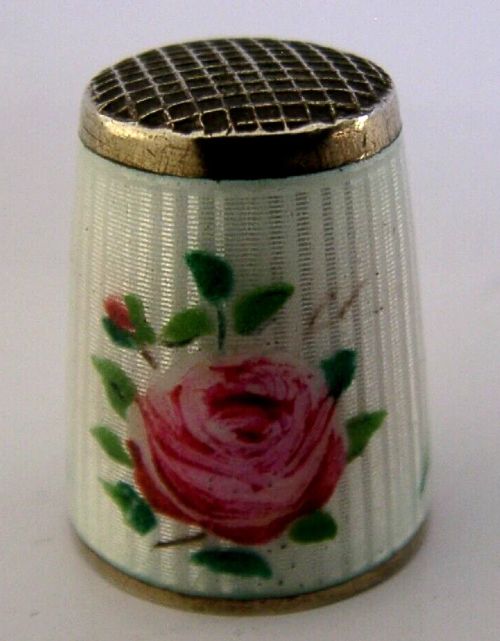
Enamelling techniques, such as guilloché enamel, added vibrant colour to items like thimbles and magnifying glasses. Silversmiths employed casting for figural novelty pieces, hammering and chasing for decorative detail, and specialised mountings to secure glass, leather, and steel components firmly into place.
Vintage Silver Tool Retail Price Guide 2026
Typical asking prices for vintage silver tool among the pieces listed under this phrase on Sellingantiques today, from the lower quarter to the upper quarter. They describe what is for sale here now, not the wider market.
The listings span the Victorian, Edwardian, and Art Deco periods, utilising materials from sterling silver and velvet to steel and corozo nut.
Distinctions in Quality
Quality in these pieces rests upon the crispness of the silversmith's cast or chased detail, particularly on figural novelty items and figural handles. Finer examples display sharp anatomical definition in animal forms and precise registration in enamel work rather than soft, worn contours.
The integrity of the original components also determines the standing of a piece. Complete sets with matching makers' marks, intact velvet or fabric linings in fitted cases, and original functional parts command greater appreciation among collectors.
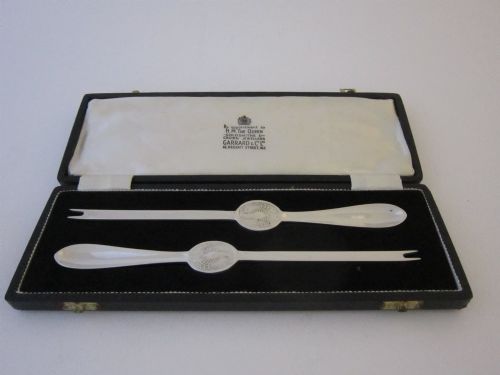
Asprey·Richard Comyns·David Andersen·Garrard·Broadway & Co·Walter & George Myers·Hermes
The Vintage Silver Tool Glossary
- Etui
- A small ornamental box or case used for holding needles, cosmetics, or small implements. These fitted containers often house complete sewing kits with specialised silver tools.
- Guilloché
- A decorative engineering technique in which a precise, intricate pattern is mechanically engraved into a metal surface. It is frequently seen beneath a translucent layer of enamel on twentieth-century accessories.
- Chatelaine
- A decorative belt hook worn with a series of suspended chains from which small utilitarian items like scissors and thimbles hung. This wearable accessory kept household tools close at hand.
- Page Turner
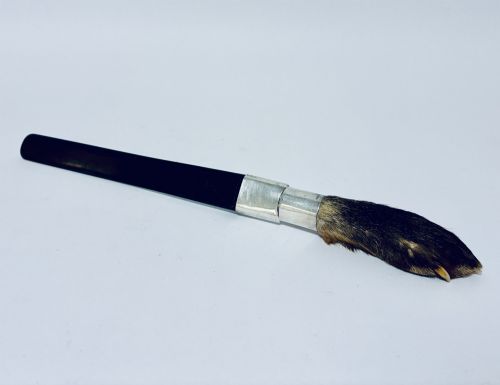
- A long, flat implement with a handle, designed for easing the uncut pages of books open. They often feature silver mounts paired with materials like bone or horn.
- Pin Cushion
- A padded receptacle used to hold sewing pins securely during tailoring or needlework. In silver collections, these frequently take whimsical figural shapes such as animals and miniature furniture.
Vintage Silver Tool: Frequently Asked Questions
How were novelty pin cushions used?
Novelty pin cushions served a dual purpose as both functional sewing accessories and decorative ornaments for the dressing table or desk. Their whimsical forms provided an easy way to store pins while adding a touch of personality to a room.
Owners kept them within arm's reach during needlework. The stuffed fabric core accepted pins repeatedly without damaging the surrounding metal frame.
How do I care for silver tools?
Silver tools require gentle cleaning with a specialised soft polishing cloth to remove tarnish without abrading the surface details. Avoid harsh chemical dips, especially on pieces that incorporate fabric, enamel, leather, or steel components.
Store them in dry conditions away from direct sunlight and humidity. For items with velvet or silk interiors, ensure the storage environment remains free from moisture to protect the organic fabrics.
Can I still use these items today?
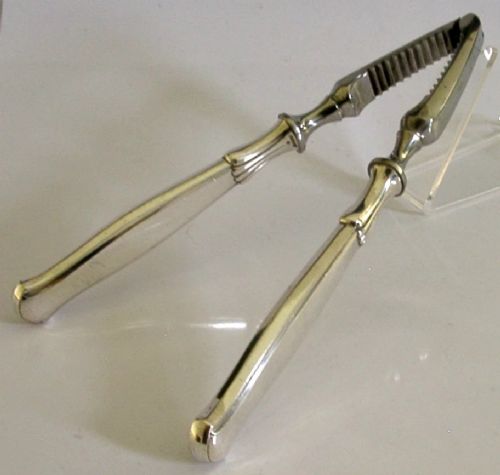
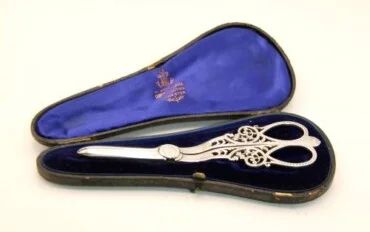
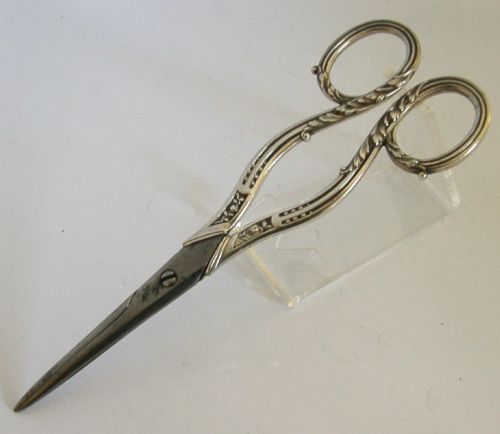
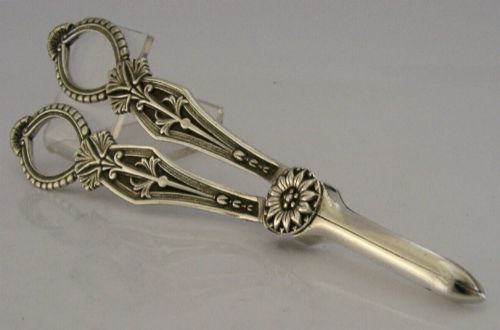
Many of these pieces remain fully functional for daily tasks, such as opening letters, serving drinks, or cutting grapes. Desk accessories and barware transfer easily into modern routines without losing their original utility.
Delicate novelty items and antique sewing tools are often displayed as cabinet pieces rather than put to heavy use. Their practical application depends largely on the sturdiness of the specific material and mechanism.
How do I date a silver tool?
Dating silver relies on identifying the hallmarks stamped into the metal, which indicate the assay office, date letter, and maker's mark. British pieces typically carry distinct sovereign and leopard heads alongside year ciphers.
Stylistic cues also help narrow down the period when hallmarks are absent or faint. Art Deco items display geometric symmetry, while Edwardian and Victorian pieces often feature ornate, naturalistic flora and fauna.