

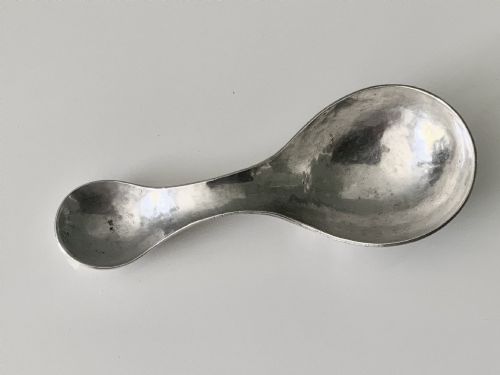
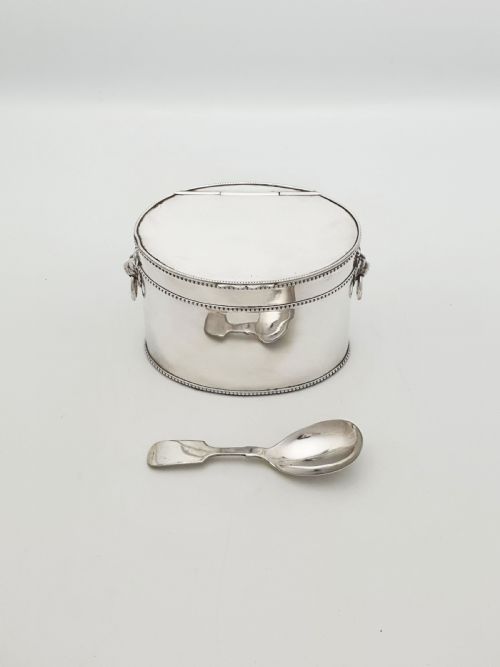


Vintage Silver Tea Caddy Spoon
These vintage silver tea caddy spoons bring tactile charm to tea service, offering miniature craftsmanship from Georgian, Victorian, and mid-century workshops.
Vintage Silver Tea Caddy Spoon
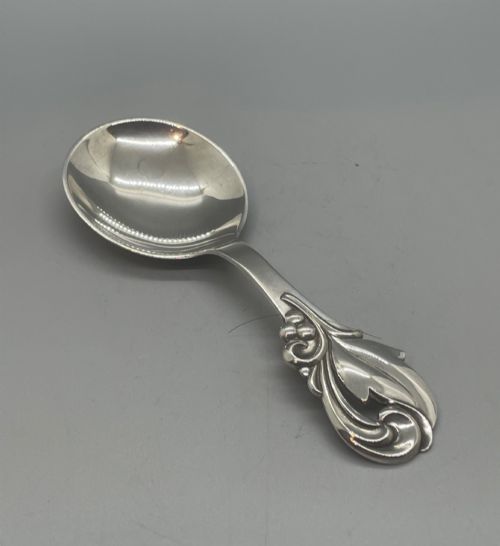
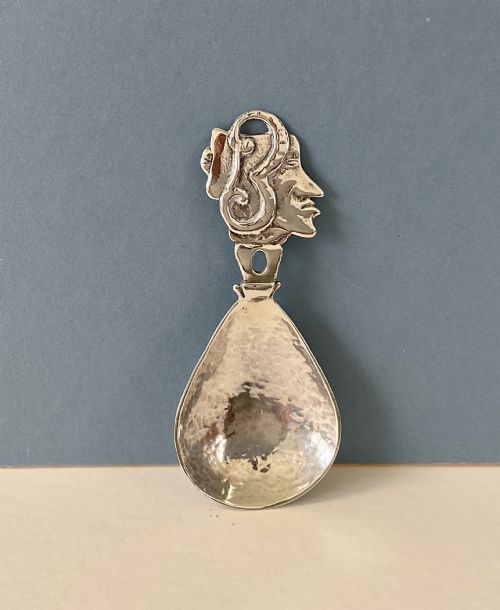
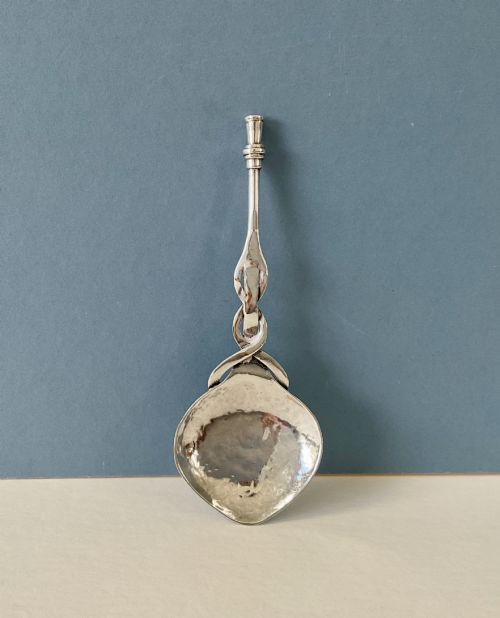
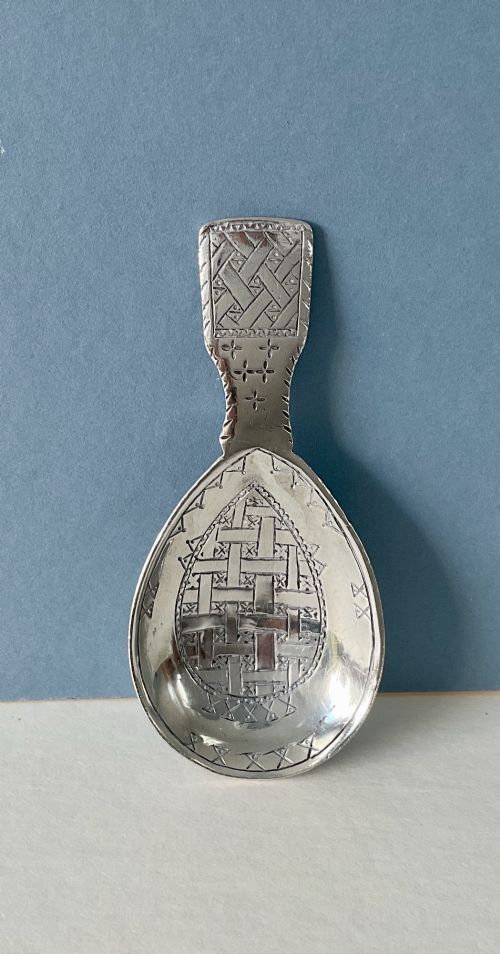
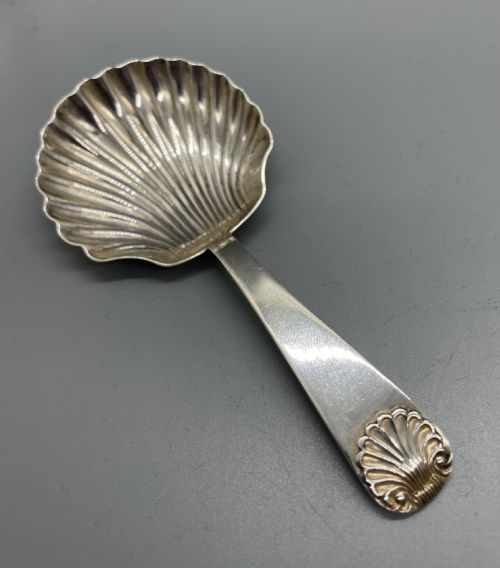
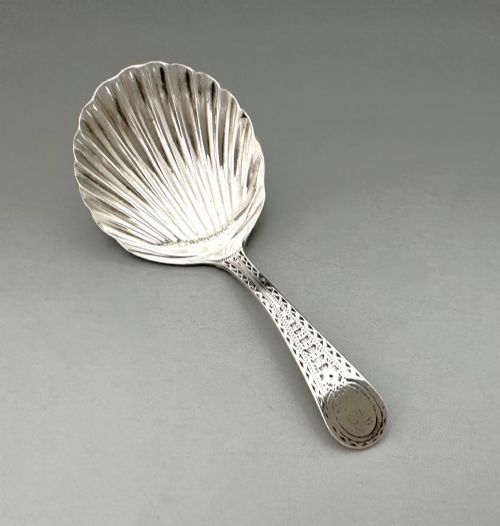
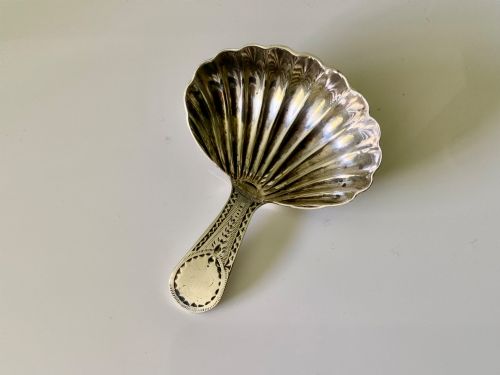
A vintage silver tea caddy spoon is a small scoop designed to measure loose tea leaves from a caddy into a pot. When searching for this phrase, you encounter pieces ranging from plain Georgian shell bowls to elaborate Arts and Crafts designs.
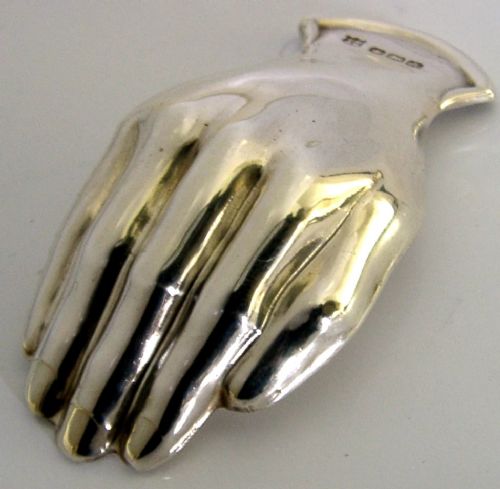
The selections on this page span several stylistic eras, including Edwardian, Art Deco, and Danish Modern. Simpler utility pieces sit alongside novelty items such as jockey caps and hand shapes.
Origin points vary widely across the inventory, encompassing English provincial towns, London assay offices, and Scandinavian design houses. Collectors often focus on specific decades or particular manufacturing styles.
Materials and construction methods
Silversmiths constructed these spoons primarily from sterling silver, silver gilt, and silver plate, occasionally incorporating enamel for colour. Metal was hammered, cast, or pressed into bowls and handles before receiving hand-engraved details.
Makers utilised traditional techniques such as double striking for handles and piercing for decorative strainers. Hallmarks stamped directly into the metal record the assay office, year, and sterling standard of the silver.
Several tiny spoons wear jockey caps on their handles, letting miniature horse racing fans preside over the afternoon teapot.
Judging quality and craftsmanship
Quality rests upon the crispness of the bowl's form, the weight of the silver in the hand, and the clarity of the hallmarks. Superior examples display deliberate hand-chased engraving rather than shallow machine stamping.
Design distinction separates standard production items from masterworks produced by prominent silversmiths or notable Scandinavian firms. Intricate elements like applied wirework or intact enamel sections elevate a piece's visual impact.
David Andersen·Georg Jensen·Plucknett·Liberty
The Vintage Silver Tea Caddy Spoon Glossary
- Hallmark
- A set of official marks stamped on precious metals to indicate the standard of purity, the assay office, and the year of manufacture. These small symbols provide the primary method for dating older silverware.
- Silver Gilt
- Silver that has been coated with a thin layer of gold on its surface, often referred to as vermeil. This technique protects the underlying silver and provides a rich two-tone appearance inside the bowl.
- Assay Office
- An official body responsible for testing the purity of precious metals and stamping them with statutory marks. Towns such as Sheffield and London operated historic offices that stamped local pieces.
- Double Struck
- A manufacturing method where dies strike a piece on both sides to create heavy, high-relief decoration on the handle. This process yields a substantial item with ornamentation visible from every angle.
Vintage Silver Tea Caddy Spoon: Frequently Asked Questions
What is a tea caddy spoon used for?
These small utensils measure loose tea leaves from storage containers directly into a teapot.
Their short handles and wide bowls allowed users to reach inside deep ceramic or wooden caddies with ease.
How do I date an antique silver spoon?
Dating relies on the stamped hallmarks that indicate the specific assay office and active year cycle.
Stylistic cues such as Georgian shell bowls or Edwardian engraving also point toward particular decades of production.
Are these spoons made of solid silver?
Many examples consist of sterling silver, while others utilise silver plate or partial silver gilt.
Checking the hallmarks reveals whether a piece is solid sterling or plated base metal.
How should I display a caddy spoon collection?
Collectors often store them flat in shallow cabinet drawers lined with tarnish-resistant fabric.
Alternatively, specialised wall mounts or small shadow boxes showcase the diverse bowl shapes and detailed handles.