




Vintage Silver Taper Stands
Vintage silver taper stands bring refined illumination to a room, offering the charm of period candlelight in sterling, plate, and pewter forms.
Vintage Silver Taper Stands
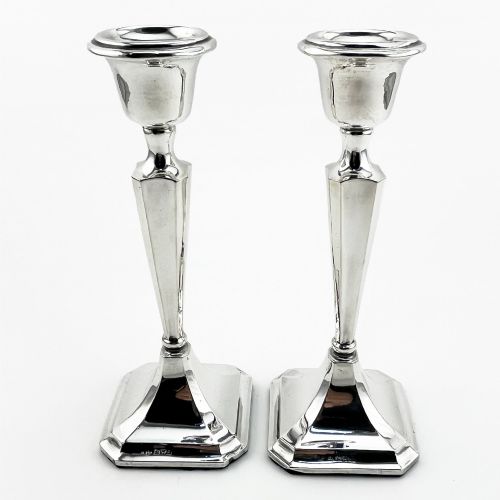
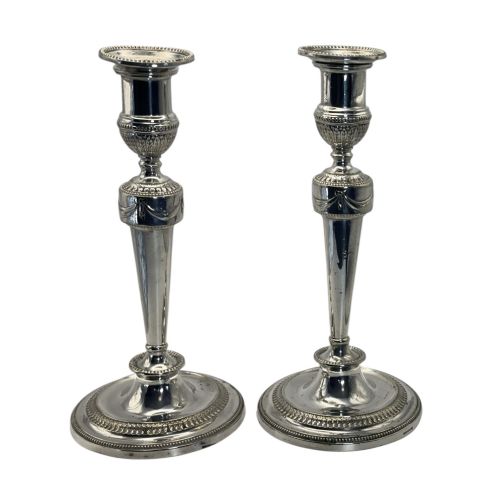
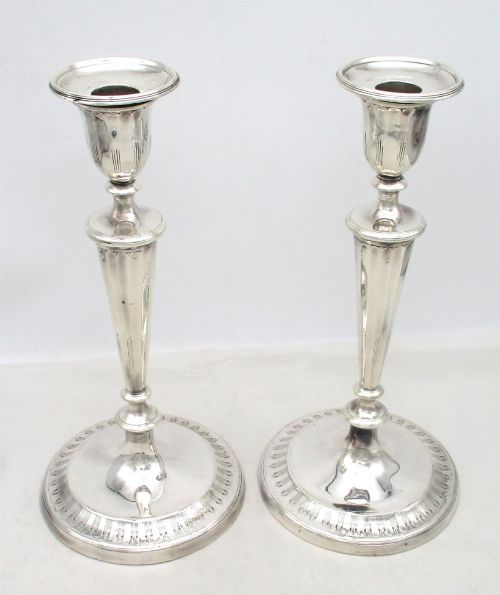
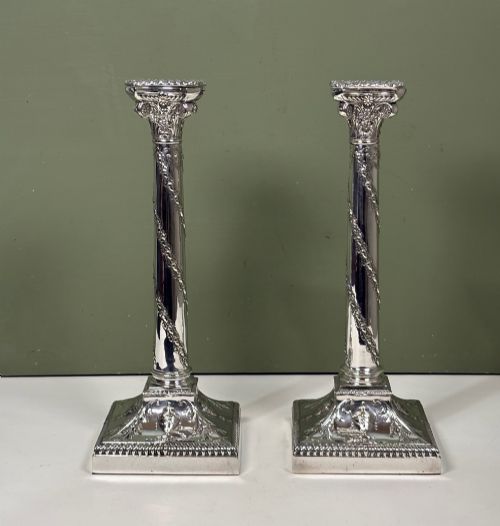
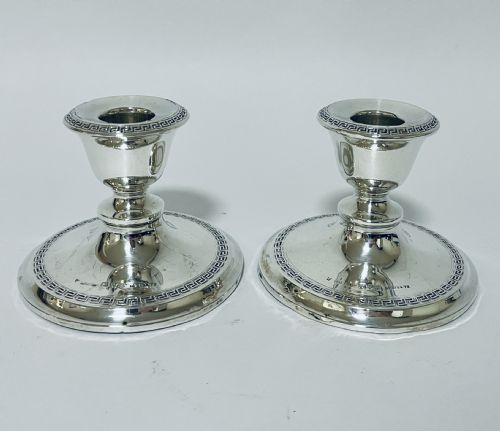
When you search for vintage silver taper stands, you encounter a variety of traditional candle holders designed for smaller wax lights. These pieces span the nineteenth and twentieth centuries, encompassing Victorian, Edwardian, and Art Deco designs.
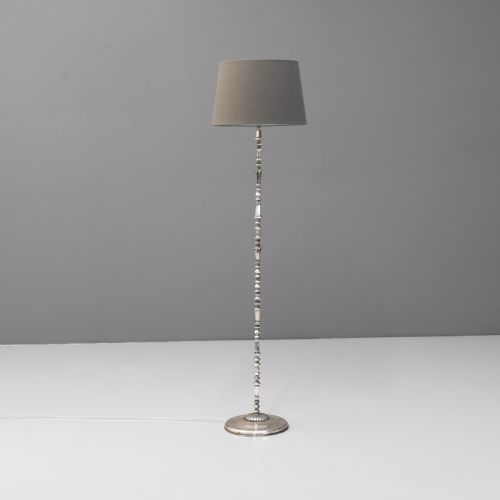
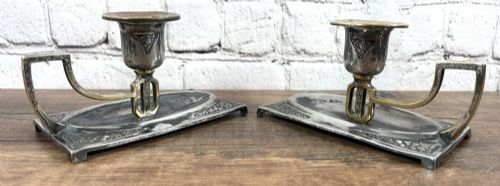
The selections on this page predominantly include pairs of candlesticks and desk pieces rather than solitary floor lamps. They originate from British workshops and international manufacturers, reflecting stylistic shifts from Georgian revivals to modern movements.
Makers ranged from major silversmiths to specialised pewter guilds, producing items intended for writing desks, mantelpieces, and dining tables. Buyers select them for their historical utility and decorative presence in traditional or eclectic interiors.
Materials and construction methods
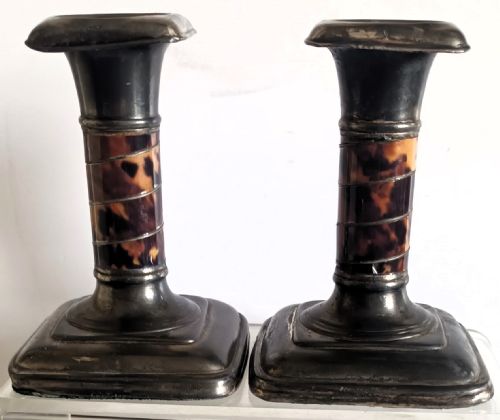
Silversmiths utilised sterling silver, silver plate, Old Sheffield plate, and copper alongside alternative media like pewter and tortoiseshell. Plated items frequently relied on a base metal foundation fused with a thin layer of silver.
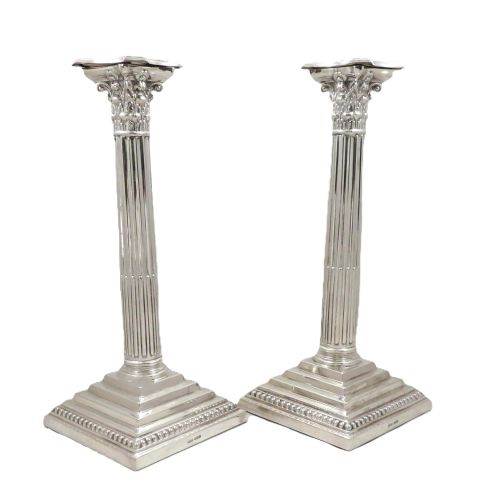
Techniques involved casting columns, spinning metal bodies, and assembling components with soldered joints. Decorative elements such as Corinthian capitals or enamel inserts demonstrate specialised metalworking skills from distinct periods.
Vintage Silver Taper Stands Retail Price Guide 2026
Typical asking prices for vintage silver taper stands among the pieces listed under this phrase on Sellingantiques today, from the lower quarter to the upper quarter. They describe what is for sale here now, not the wider market.
Listings feature materials spanning sterling silver, silver plate, copper, pewter, brass, and tortoiseshell across the nineteenth and twentieth centuries.
Evaluating standard and craftsmanship
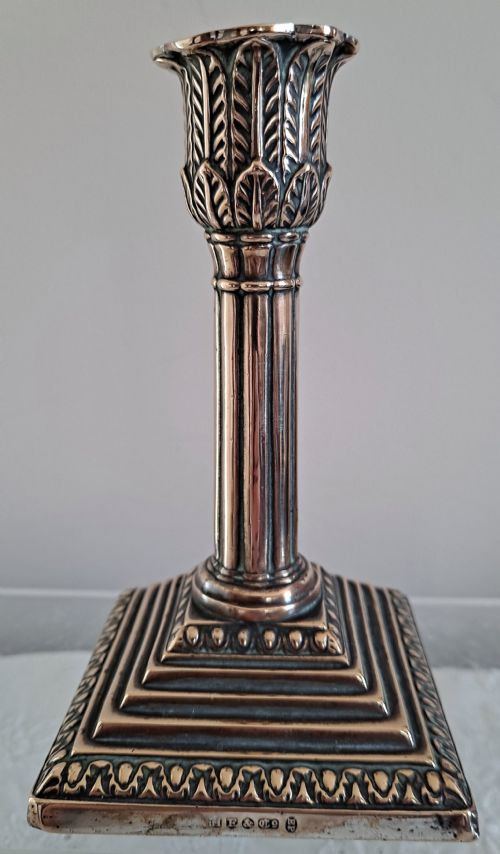
Quality separates mass-produced items from pieces bearing distinct maker marks and careful chasing. Weight and balance indicate the substance of the metal used in the shaft and base.
The crispness of architectural details, such as fluting on column designs, reveals the skill invested during manufacture. Preservation of the original plating or untouched pewter surfaces also influences the standing of an item.
WMF·Mappin & Webb·Liberty & Co·Elkington & Co·Barker Ellis
The Vintage Silver Taper Stands Glossary
- Sterling silver
- A metal alloy containing ninety-two point five percent silver by mass, typically stamped with hallmarks to verify its standard. This material ensures lasting durability and a distinctive lustre.
- Silver plate
- A base metal object coated with a thin layer of silver through mechanical or electrochemical processes. This technique provided an accessible alternative to solid silver items.
- Old Sheffield plate
- An early method of fusing a layer of silver to a copper core before shaping the piece. It is recognised by a subtle copper show-through along edges and seams.
- Corinthian column
- A classical architectural order featuring ornate capitals decorated with acanthus leaves. Candlesticks utilising this form mimic ancient stone columns in miniature metal proportions.
Vintage Silver Taper Stands: Frequently Asked Questions
What are vintage silver taper stands used for?
These objects were originally created to hold slender wax candles for reading, writing, or moving through dimly lit rooms at night. Today, they serve primarily as decorative table accents that provide ambient lighting.
Collectors place them on desks, mantelpieces, and dining surfaces to introduce period character and metallic reflection into interior spaces.
How do I identify the period of a candlestick?
Dating relies on stylistic clues such as the neoclassical motifs of the Georgian style, the ornate detailing of the Victorian era, or the geometric lines of Art Deco. Maker marks and silver hallmarks offer precise chronological markers when present.
Material composition also aids identification, as specific plating techniques and alloy mixtures correspond to distinct decades of production.
Are these pieces made of solid silver?
The listings include a mix of solid sterling silver and silver-plated base metals, alongside alternative materials like pewter and copper. Hallmarks stamped directly onto the metal indicate solid sterling composition.
Plated items feature a silver coating over copper, brass, or Britannia metal, which allows for heavier forms at a different weight and value.
How should I care for silver and pewter holders?
Maintenance requires gentle cleaning with appropriate cloths to remove tarnish without stripping thin silver plating or historical patinas. Polishing creams should be used sparingly, avoiding abrasive pads that scratch soft metals.
Pewter surfaces benefit from dusting and occasional wiping with a soft, damp cloth rather than aggressive chemical polishing.