

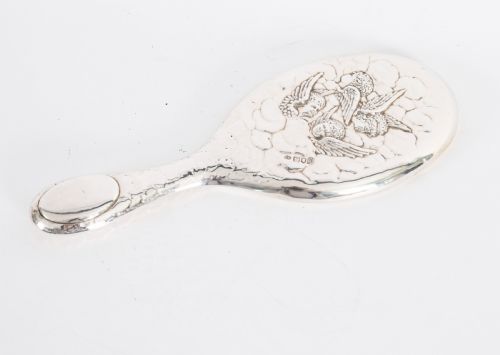
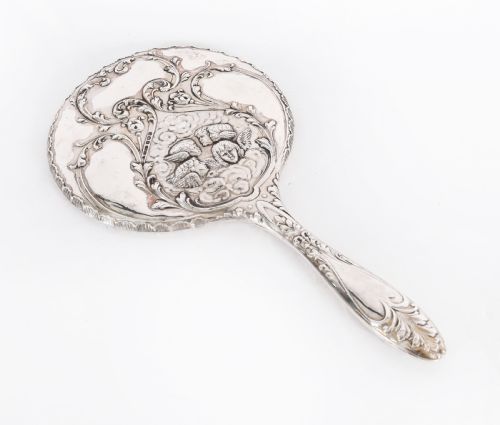


Vintage Silver Table Mirror
A vintage silver table mirror brings functional elegance to a dressing room, combining reflective glass with precious metal work.
Vintage Silver Table Mirror
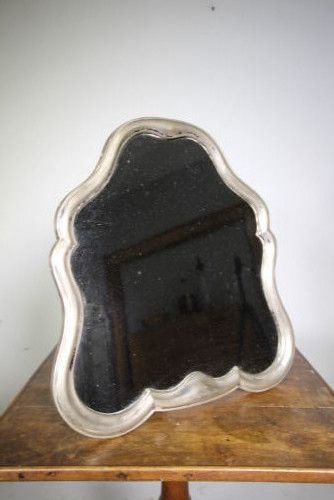
A vintage silver table mirror is a dressing table accessory designed for upright display on furniture using an easel back or strut support. When searching for a vintage silver table mirror, buyers encounter a range of forms from compact vanity items to large dressing table mirrors.
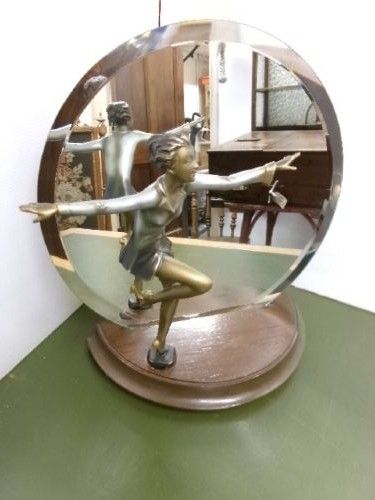
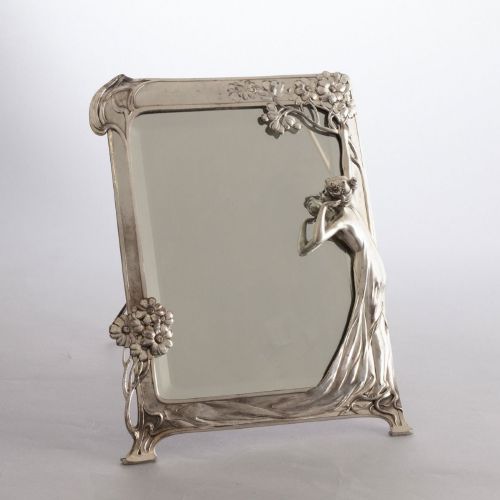
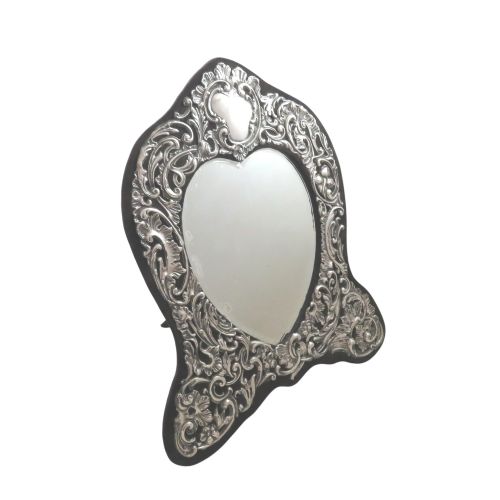
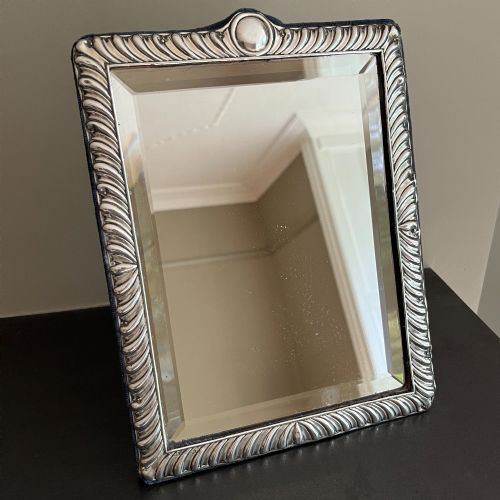
The pieces available span multiple periods including Victorian, Edwardian, and Art Deco designs. Materials include sterling silver, silver plate, and chrome, often paired with glass, wood, and velvet backing.
Makers and origins vary widely, featuring English hallmarks alongside continental European workshops and American pieces. These mirrors function as both practical dressing table items and decorative objects reflecting various historical styles.
How they were made
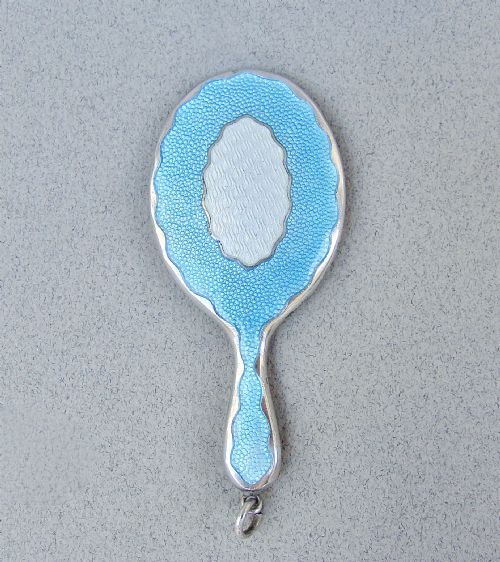
Silversmiths utilised sterling silver and silver plate over structural elements, often incorporating wood or velvet to reinforce the reverse and support the easel mechanism. Metalworking techniques included embossing, engraving, and applying guilloche enamel to the frames.
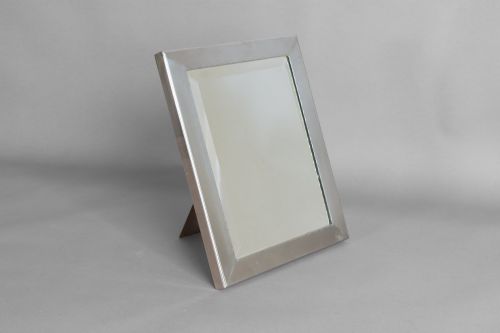
Glass plates were cut and bevelled to fit securely within the metal borders, whilst strut mirrors utilised hinged metal arms for stability. Workshop production combined cast or stamped metal components with hand-finished decorative details.
Listings feature sterling silver, chrome, silver plate, and pewter across Victorian, Edwardian, and Art Deco periods.
What varies in quality
The calibre of a vintage silver table mirror depends largely on the weight of the metal and the crispness of any embossed or enamelled decoration. Pieces featuring fully hallmarked sterling silver frames by recognised makers demonstrate higher baseline quality than unmarked plated alternatives.
The condition and clarity of the original mirrored glass, alongside the structural integrity of the easel back or wooden strut, separate standard dressing accessories from finer examples. Intricate details such as guilloche enamel work or cast cherub motifs indicate superior craftsmanship.
WMF·Henry Williamson·Charles Boyton·S Blanckensee and Son·Elkington
The Vintage Silver Table Mirror Glossary
- Sterling silver
- A silver alloy containing 92.5 percent pure silver by mass, frequently encountered on British dressing table pieces from the Victorian and Edwardian eras. Hallmarks stamped into the metal indicate the assay office and year of manufacture.
- Guilloche enamel
- A decorative technique involving precise engine-turned patterns beneath a translucent coloured enamel layer. This method appears on modernist and Art Deco dressing accessories.
- Strut mirror
- A portable mirror featuring a hinged prop or leg on the reverse to maintain an upright position on a flat surface. These were essential fixtures on Edwardian and Victorian dressing tables.
- Easel back
- A hinged support frame attached to the rear of a mirror or photograph frame, allowing it to stand independently. They are commonly constructed from wood, velvet-covered board, or metal.
- Silver plate
- A layer of silver applied to a base metal such as copper, brass, or pewter. This technique allowed manufacturers to produce decorative items at a lower cost than solid sterling silver.
Vintage Silver Table Mirror: Frequently Asked Questions
How do I date a silver table mirror?
British sterling silver pieces usually bear hallmarks that reveal the assay office, standard mark, and date letter. Examining the specific font of the stamp and the accompanying style clues helps narrow down the decade.
Stylistic indicators also provide strong clues regarding the period. For instance, geometric shapes point towards Art Deco production, whilst embossed floral motifs often align with Edwardian or Victorian manufacturing.
What is the difference between a strut mirror and an easel back?
A strut mirror typically refers to a design supported by a hinged flat prop, often covered in fabric or leather, attached directly to the back of the frame. This style was particularly popular during the Edwardian period for dressing tables.
An easel back describes a similar functional mechanism used to prop up mirrors or photograph frames on flat surfaces. The terminology often overlaps depending on the maker and the materials utilised in the construction.
Are silver plated mirrors less desirable than sterling silver?
Silver plated items generally command lower market interest than solid sterling silver pieces because the base metal is often copper, pewter, or brass. However, quality varies significantly based on the manufacturing firm and the thickness of the plating applied.
Many plated examples from notable European and British makers feature exceptional artistic design and craftsmanship. Collectors often value the aesthetic merit and historical context of a plated piece just as much as its precious metal content.