

Vintage Silver Sugar Bowl
A vintage silver sugar bowl brings tactile weight and period polish to the table, whether forged in sterling or silver plate.
Vintage Silver Sugar Bowl
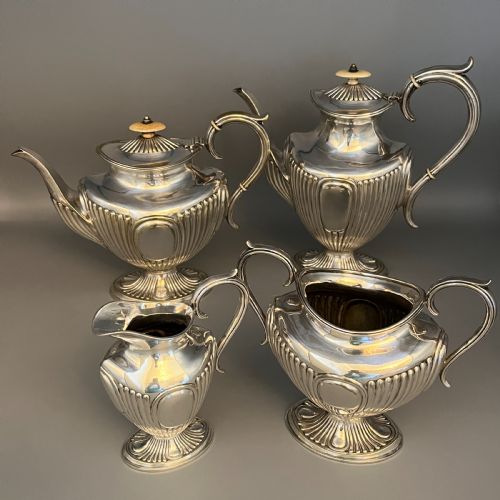
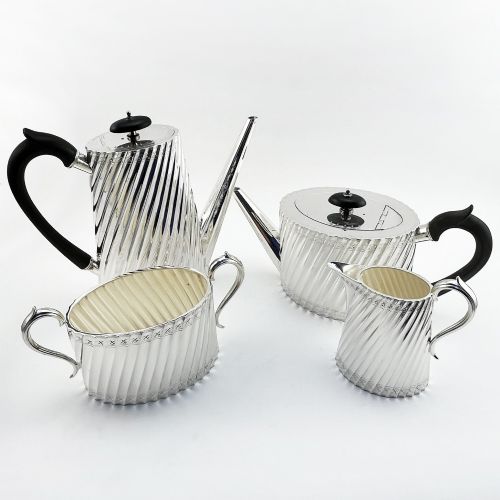
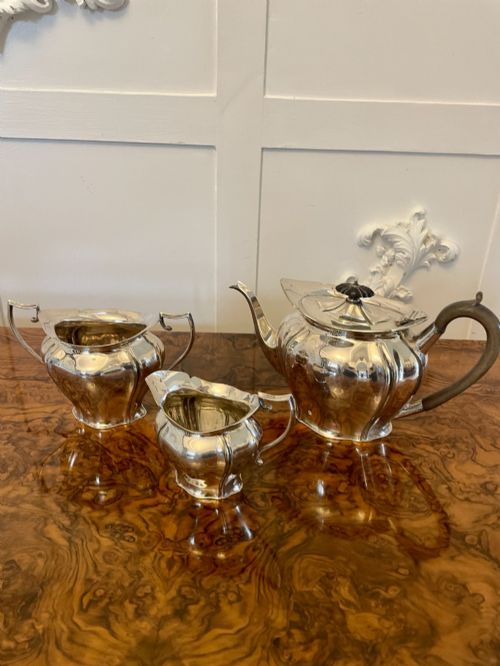
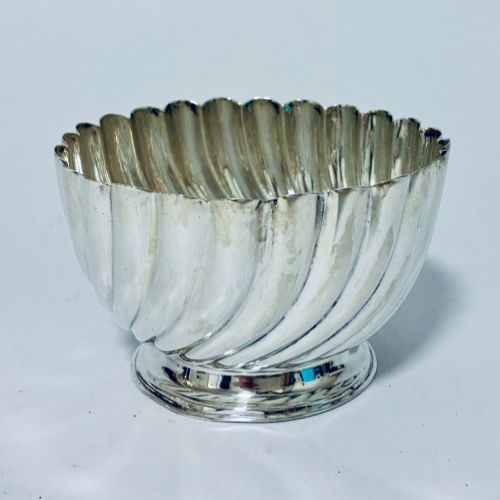
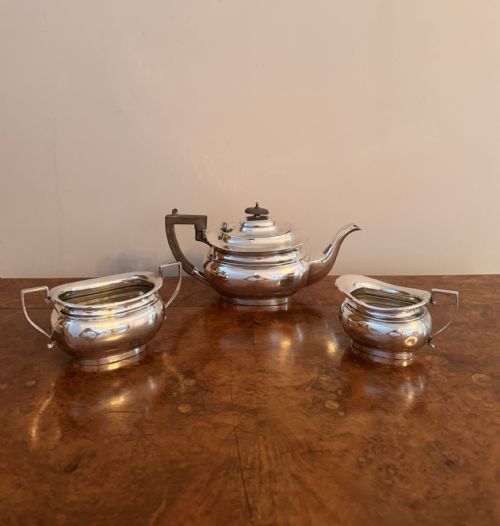
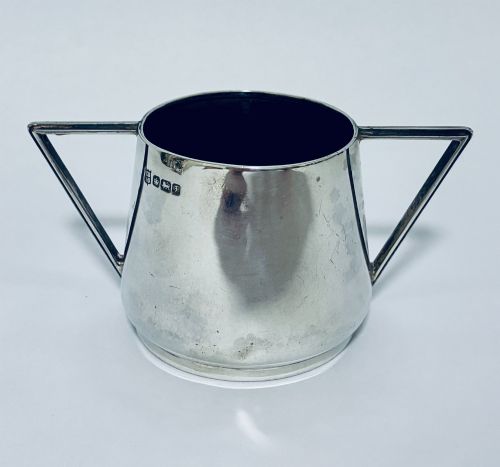
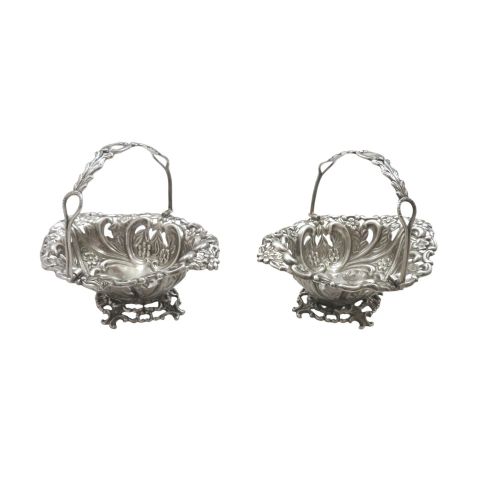
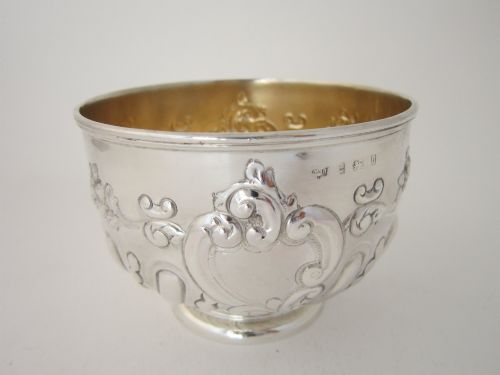
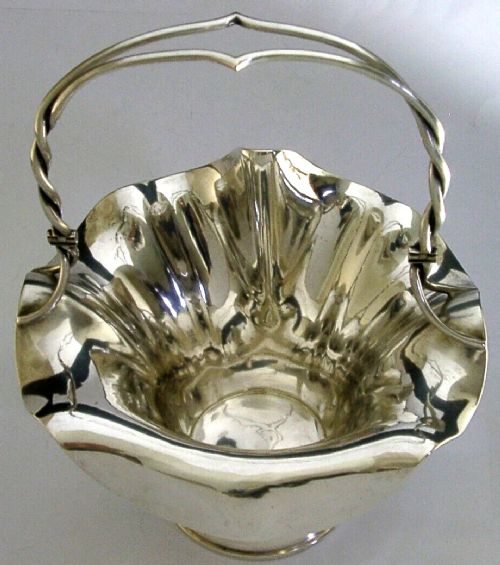
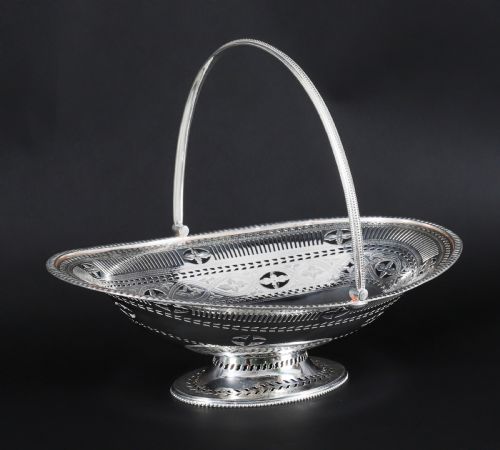
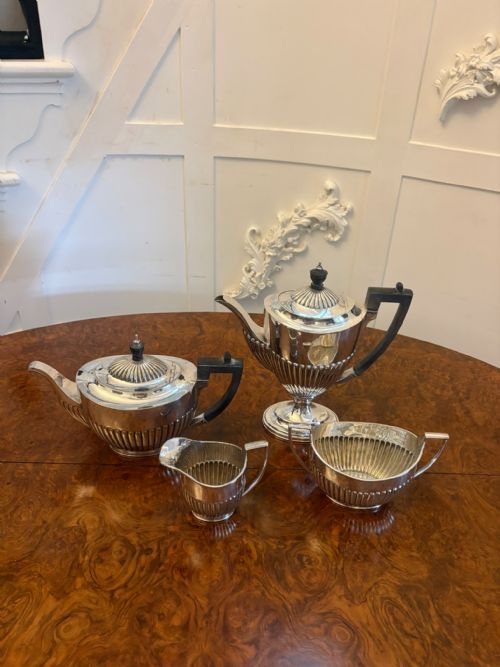
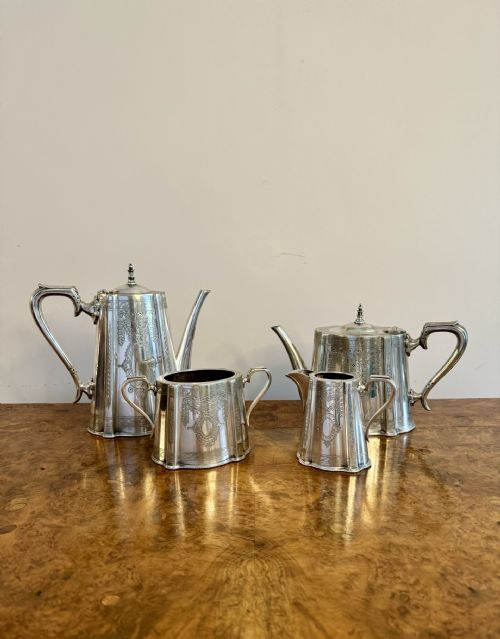
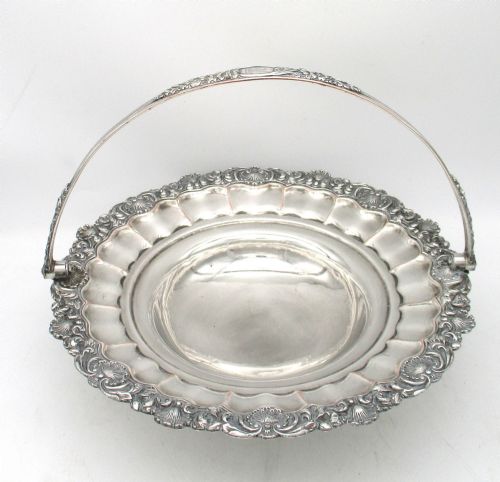
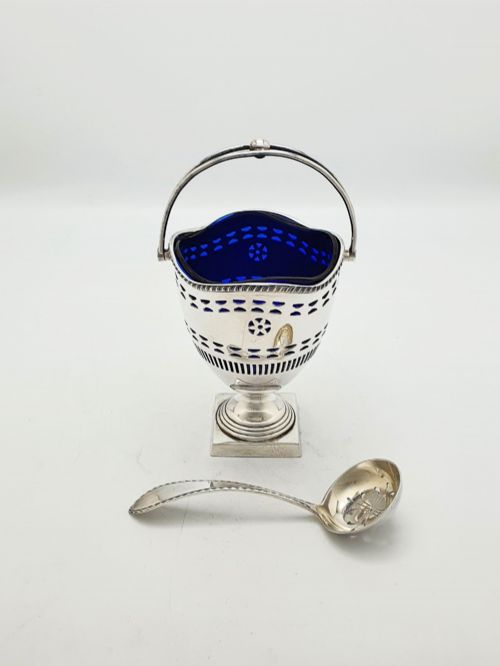
A vintage silver sugar bowl takes many forms across this selection, appearing as standalone open bowls, handled baskets, or components within larger tea and coffee sets. These pieces span multiple decades and centuries, with Edwardian and Victorian examples appearing frequently alongside Georgian and Art Deco designs. Buyers also encounter solid silver and silver plated versions adapted for fruit, bonbons, or preserves.
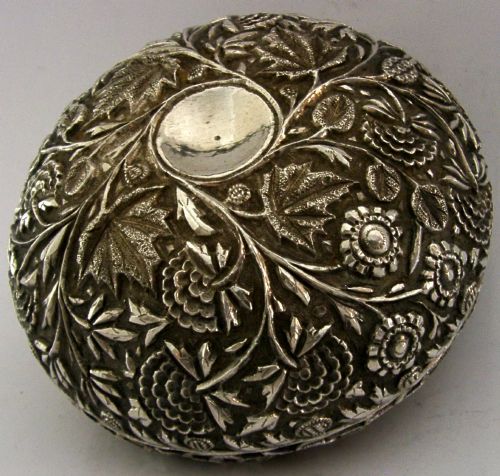
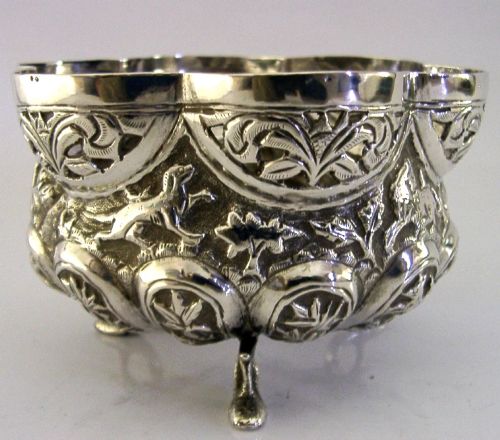
The aesthetic vocabulary stretches from ornate Victorian neo-classical pierced work to clean geometric lines of the 1920s and 1930s. Some items incorporate coloured glass liners in cobalt or cranberry, while others display Anglo-Indian animal motifs or heavy planished hammering typical of the Arts and Crafts movement. Form follows function, yet makers consistently applied decorative detail to everyday vessels.
Assessing craftsmanship and condition
Quality rests heavily on the gauge of the metal and the crispness of decorative chasing, piercing, or hammering. Heavier gram weights signal substantial material use, particularly in solid silver pieces from the Edwardian and Art Deco periods. Makers who invested time in hand-finished details and substantial mounts produced pieces that survive with sharper definition.
The integrity of the silver plating or the density of the sterling silver dictates longevity and wear resistance over decades of use. Superior examples maintain balanced proportions, secure handles, and undamaged glass liners where applicable. Maker marks stamped into the metal also offer tangible proof of origin and workshop standards.
Vintage Silver Sugar Bowl Retail Price Guide 2026
Typical asking prices for vintage silver sugar bowl among the pieces listed under this phrase on Sellingantiques today, from the lower quarter to the upper quarter. They describe what is for sale here now, not the wider market.
Listings feature items from the Georgian period through the Edwardian era, Art Deco, and mid-century.
Walker and Hall·Elkington·Mappin and Webb·Fenton
The Vintage Silver Sugar Bowl Glossary
- Sterling silver
- A silver alloy containing 92.5 percent pure silver and 7.5 percent other metals, usually copper, to increase durability.
- Old Sheffield plate
- An early fusing technique where a sheet of silver is fused to a copper core by heat and pressure before rolling.
- Planishing
- A smithing technique using a polished hammer to smooth and texture metal surfaces with small facets.
- Electroplated nickel silver
- A base metal alloy of copper, nickel, and zinc coated with a layer of pure silver through an electrolytic process.
- Cobalt glass
- A deep blue glass frequently utilised for liners inside pierced silver baskets and bowls.
Vintage Silver Sugar Bowl: Frequently Asked Questions
What is a vintage silver sugar bowl?
A vintage silver sugar bowl is a small vessel designed to hold sugar for tea or coffee service, produced in solid silver or silver plate across various historical periods.
These pieces often feature decorative elements like piercing, handles, or fitted glass liners, reflecting the aesthetic trends of their manufacturing era.
How do I date a silver sugar bowl?
Dating relies on maker marks, assay office stamps, and stylistic cues such as Victorian neo-classical borders or Art Deco geometric forms.
Examining the manufacturing technique, whether old Sheffield plate or modern electroplate, also helps narrow down the production decade.
Can I use these bowls daily?
Many silver and silver-plated sugar bowls remain sturdy enough for everyday table use provided they receive gentle cleaning and care.
Dishes with delicate glass liners or thin plating require softer handling to preserve the finish over time.
What is the difference between solid silver and silver plate?
Solid silver consists of precious metal all the way through, whereas silver plate applies a thin layer of silver over a base metal like copper or nickel.
Solid pieces usually feature hallmarks indicating silver purity, while plated items display manufacturer marks denoting their specific plating method.