
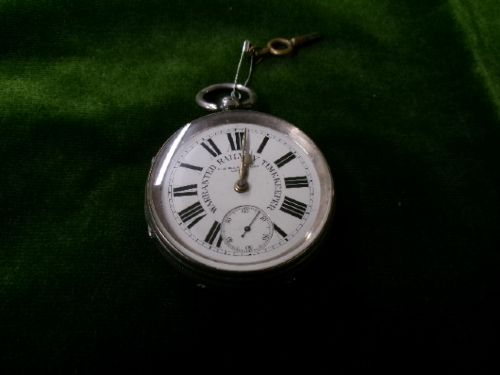
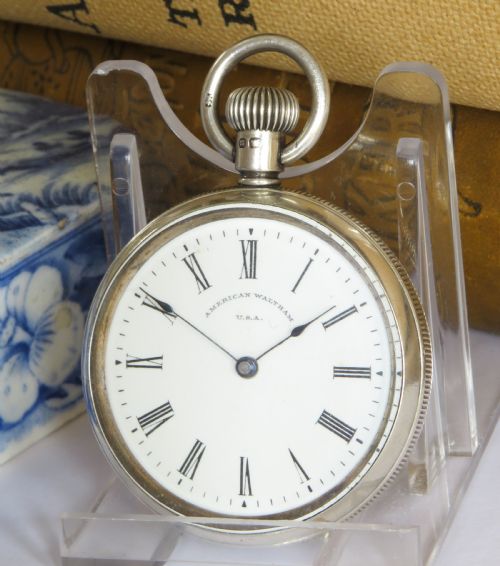
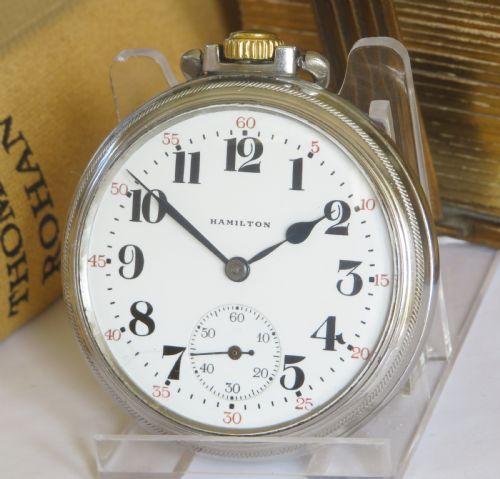


Vintage Silver Pocketwatch
A vintage silver pocketwatch brings a satisfying weight and mechanical pulse to the pocket, offering timeless style and daily reliability.
Vintage Silver Pocketwatch
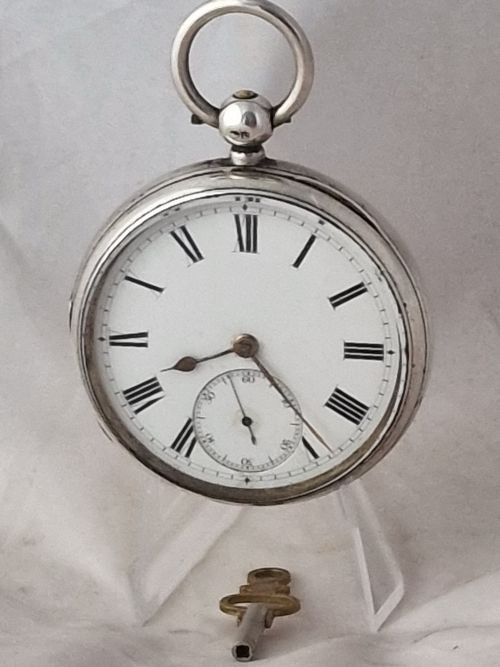
A vintage silver pocketwatch represents a rich variety of timepieces spanning from the Victorian era through the mid-century, capturing decades of horological heritage in a portable format. When searching for a vintage silver pocketwatch, buyers encounter robust everyday timekeepers as well as refined specialty pieces housed in sterling silver cases.
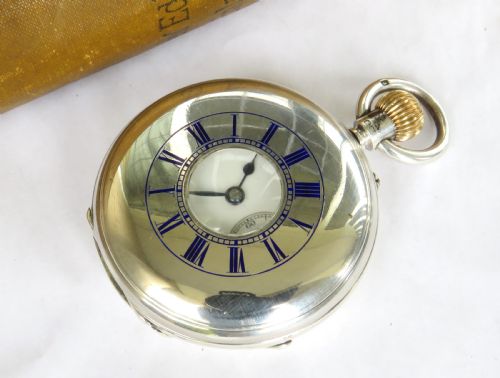
The selections available here range from late-nineteenth-century fusee movements and railway timekeepers to sleek Art Deco designs from the nineteen-twenties and nineteen-thirties. Enamelled dials, half hunter cases, and matching watch chains frequently accompany these pieces, reflecting both British and Continental craftsmanship.
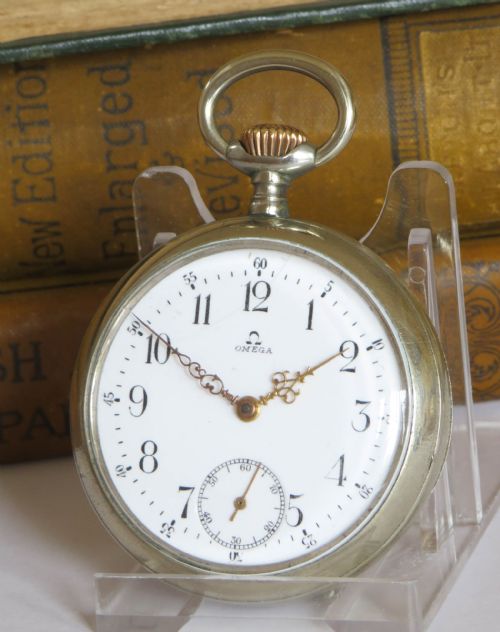
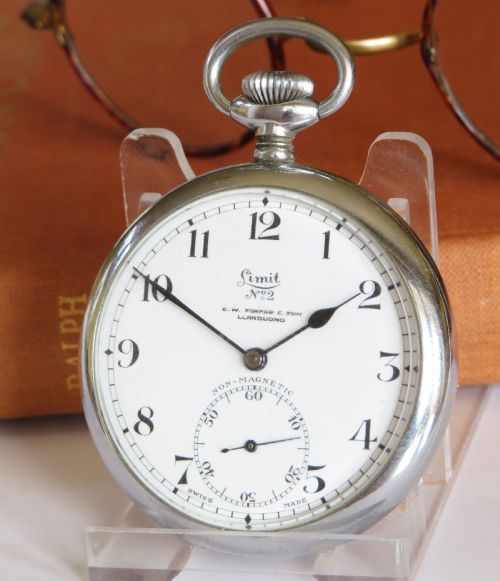
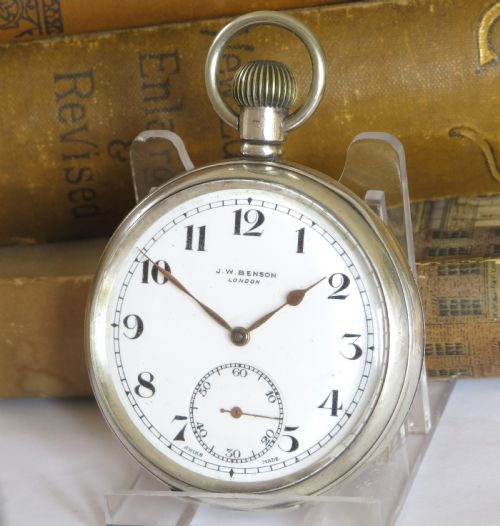
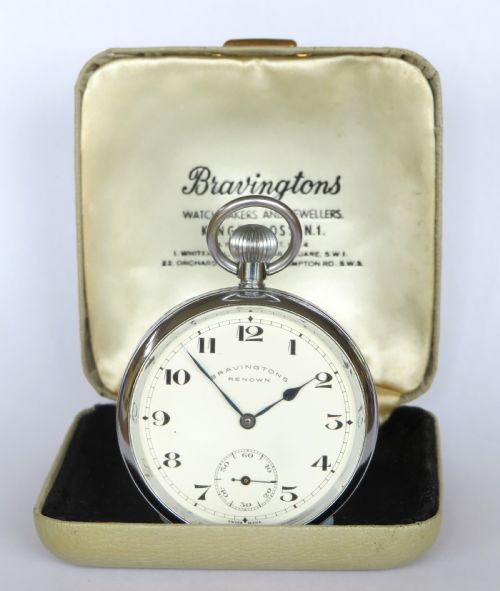
Makers and retailers such as Waltham, Cyma, J W Benson, and Longines feature prominently across these examples, alongside English assay office marks from cities like Chester. Buyers are most likely to meet solid silver cases paired with traditional mechanical lever movements preserved from the Victorian, Edwardian, and later twentieth-century periods.
How They Were Made
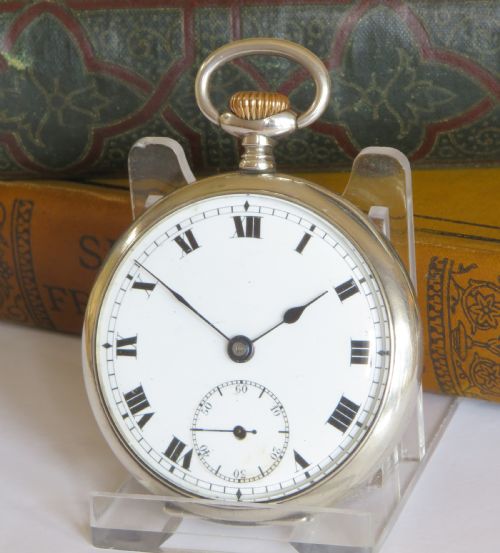
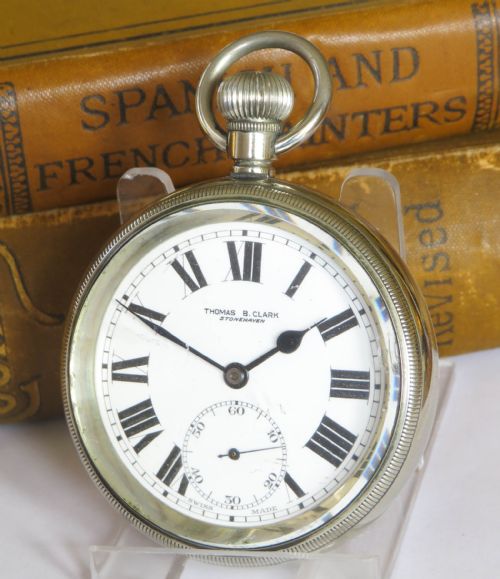
Cases are formed primarily from sterling silver, with occasional elements of brass, chrome, and steel utilised in internal components and alternative housings. Glass protects the delicate dials, while vitreous enamel forms the smooth white faces marked with Roman or Arabic numerals.
Mechanisms rely on intricate brass and steel gear trains driven by mainsprings, requiring skilled hand-assembly and fine adjustment by period horologists. Fusee movements incorporate a specialised conical pulley and chain to ensure even tension as the mainspring unwinds.
What Varies in Quality
The refinement of the movement determines the upper echelon of these timepieces, distinguishing standard mass-produced calibres from high-grade jewelled lever mechanisms. Finer examples exhibit intricate damaskened or gilt finishes on the internal plates and greater precision in timekeeping regulation.
Case execution and hallmarks further elevate a piece, with heavy gauge sterling silver and crisp, legible town marks indicating superior original manufacture. Preservation of the original enamel dial free from hairline cracks and the retention of matching silver chains complete the higher tier of quality.
Bickley London·Record·Limit No 2·Cyma·J W Benson·Revue·Bravingtons Renown·Waltham·Hamilton·Omega·Longines·Electa·Alliance Lever·H.W. Bedford
The Vintage Silver Pocketwatch Glossary
- Half hunter
- A pocket watch case featuring a solid outer cover with a central glass or open aperture, allowing the time to be read without opening the case.
- Fusee
- A conical pulley device connected to the mainspring by a chain, designed to equalize the driving force as the spring unwinds.
- Assay office
- An official body that tests the purity of precious metals and stamps items with hallmarks, such as the marks applied in Chester.
- Lever escapement
- A mechanical linkage that controls the release of power from the gear train to the balance wheel, standard in reliable watches.
- Pocket watch
- A portable timepiece designed to be carried in a waistcoat pocket, typically secured with a chain or ribbon.
Vintage Silver Pocketwatch: Frequently Asked Questions
How do I wind a mechanical pocket watch?
Gently rotate the crown between your thumb and forefinger clockwise until you feel firm resistance, stopping immediately to avoid over-tensioning the internal spring.
Most vintage pieces require daily winding to maintain accurate operation throughout a twenty-four-hour cycle.
What is the difference between a hunter and an open face watch?
An open face watch exposes the glass dial directly to the air and requires no cover manipulation to read the time.
A hunter case incorporates a spring-loaded metal lid that shields the dial from scratches and impacts until released by pressing the crown.
Can I wear a pocket watch without a waistcoat?
A pocket watch slips securely into the pocket of modern trousers, jackets, or blazers just as effectively as traditional waistwear.
Attaching the chain to a belt loop or buttonhole keeps the watch secure while moving through daily activities.
How do I read silver hallmarks on a watch?
Hallmarks stamped inside the case back typically include a standard mark for sterling silver, a town mark indicating the assay office, and a date letter.
Matching these symbols against standard tables reveals the precise year and location where the silver case was tested and certified.