




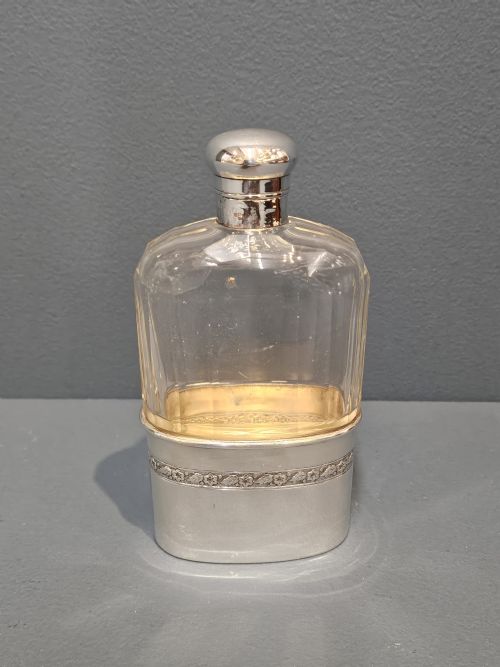

Vintage Silver Pocket Flask
A vintage silver pocket flask is a pocket container for spirits, combining utility with craftsmanship from the Victorian period through the mid-twentieth century.
Vintage Silver Pocket Flask
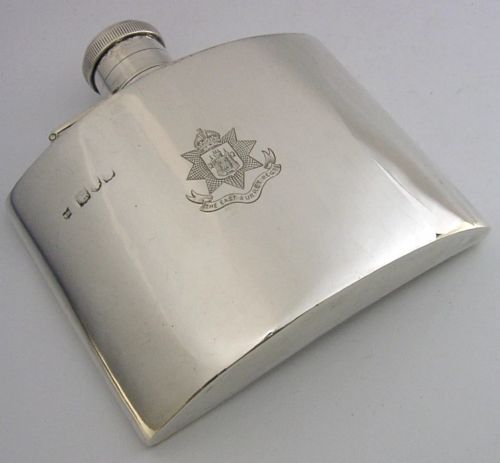
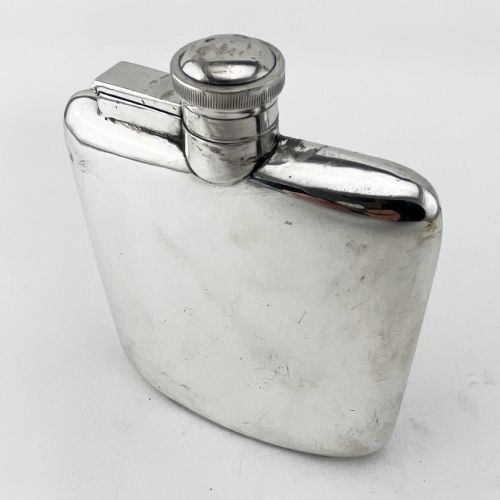
A vintage silver pocket flask serves as a portable container for spirits, designed to slip easily into a pocket or hunting coat. These items emerge primarily from the Victorian, Edwardian, and Art Deco periods, spanning the late nineteenth century into the 1940s.
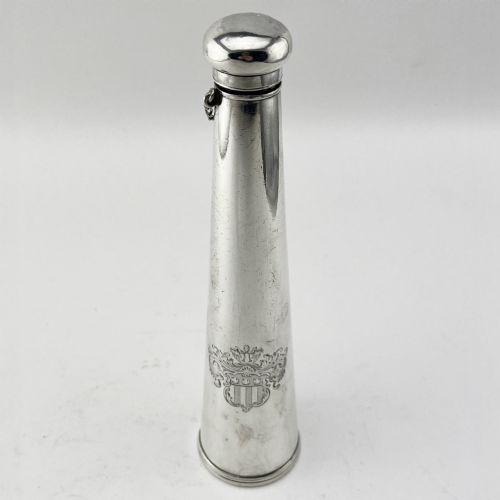
Makers produced these objects for outdoor pursuits, travel, and social occasions, resulting in a variety of forms from plain curved shapes to large locking variations. Buyers will encounter both solid sterling silver and silver-plated editions across these eras.
How they were made
Silversmiths utilised sterling silver and silver plate, shaping metal through hammering, rolling, and soldering. Many vessels combine metal mounts with cut glass or crystal interiors to hold liquids securely.
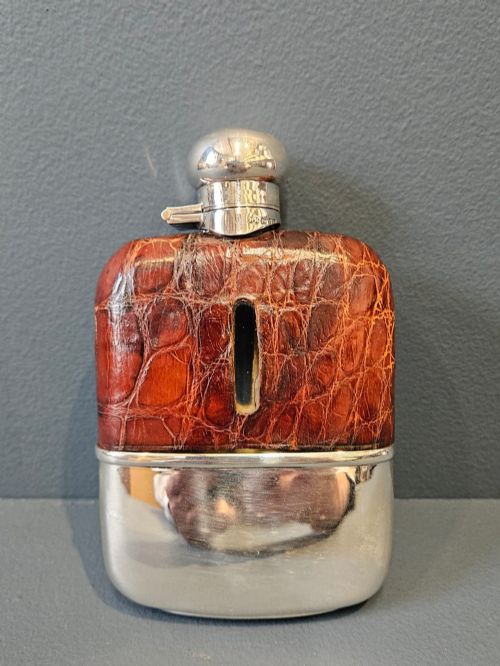
External coverings often employ genuine crocodile leather, crocodile skin, or standard leather bindings stitched around the central body. Artisans integrated screw caps, flip tops, and removable cups, sometimes adding gilt interiors known as silver gilt.
Vintage Silver Pocket Flask Retail Price Guide 2026
Typical asking prices for vintage silver pocket flask among the pieces listed under this phrase on Sellingantiques today, from the lower quarter to the upper quarter. They describe what is for sale here now, not the wider market.
Listings span from the Victorian period through the 1940s, combining sterling silver, glass, and crocodile leather materials.
What varies in quality
The distinction between standard production and superior work rests on the weight of the metal and the precision of the mechanics. Heavier gauge sterling silver and tightly fitted, secure screw mechanisms or hinged lids denote higher workshop standards.
Execution of decorative details, such as hand-hammered finishes, crisp hallmarks, and well-fitted removable base cups, separates basic items from pieces produced by notable makers.
Hukin & Heath·J Dixon·Asprey London·William Neale·JB Chatterley & Sons·G H James & Co·Mappin & Webb·James Dixon & Sons·WA Ellwick Ltd
The Vintage Silver Pocket Flask Glossary
- Sterling silver
- A silver alloy containing 92.5 percent pure silver by mass, forming the primary metal for high-grade pocket vessels.
- Silver plate
- A layer of silver applied to a base metal core, offering the appearance of solid silver at a different cost level.
- Silver gilt
- Sterling silver that has been coated with a thin layer of gold on the interior to prevent corrosion from alcohol.
- Removable cup
- A metal cup fitted to the bottom of a flask that slides off for drinking, often held in place by a bayonet mount.
- Cut glass
- Glass decorated by cutting facets into the surface, frequently paired with silver mounts in spirit containers.
Vintage Silver Pocket Flask: Frequently Asked Questions
Can I still use these flasks for drinking?
Many solid metal and glass flasks remain functional for carrying spirits if the seals and caps are intact. Examine the interior and closure mechanisms to ensure the vessel holds liquid safely before use.
Pieces with internal silver gilt or glass linings are generally well-suited for holding alcohol. Antiques with delicate leather bindings or historical significance are often best preserved as display objects.
What do hallmarks tell me about a flask?
Hallmarks indicate the assay office, the purity of the metal, and the year of manufacture through specific date letters. These official stamps help verify whether a vessel is solid sterling silver or silver plate.
Maker marks stamped alongside the assay stamps identify the specific silversmith or firm responsible for production. This evidence allows collectors to date pieces accurately to periods like the Victorian era or the 1920s.
Why do some flasks have leather coverings?
Leather and crocodile skin bindings provided a secure, non-slip grip for users participating in outdoor sports and hunting. These organic coverings protected the metal body from scratches during travel and field use.
Such materials also offered a tactile contrast to the polished silver mounts typical of Edwardian and Victorian designs. Today, these bindings help distinguish field flasks from formal pocket companions.