



Vintage Silver Plate
Vintage silver plate brings the gleam of formal dining and hospitality into your rooms through durable metalwork shaped across the nineteenth and twentieth centuries.
Vintage Silver Plate
When you search for vintage silver plate, you are looking at functional dining wares, serving pieces and decorative items produced from the nineteenth century into the mid-twentieth century. The selection spans the Victorian and Edwardian eras, progressing through Art Deco designs and into mid-century modern interpretations.
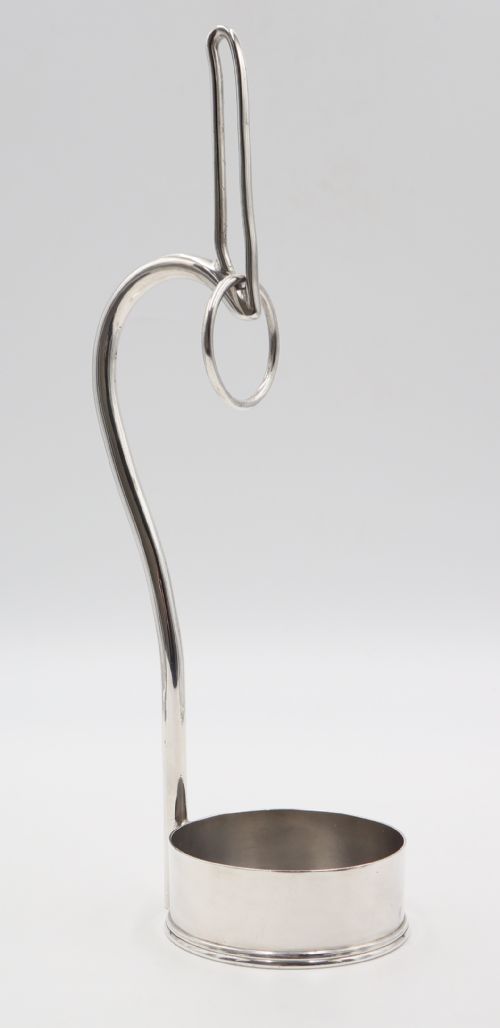
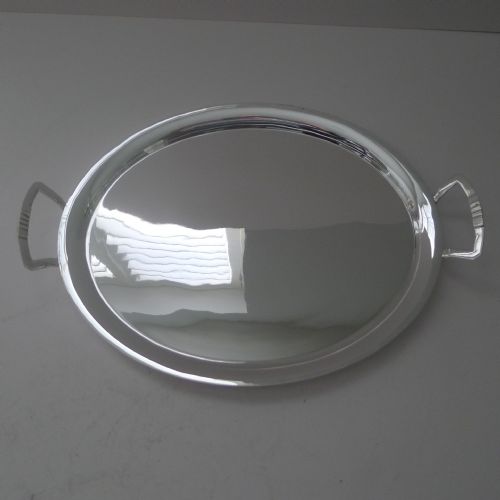
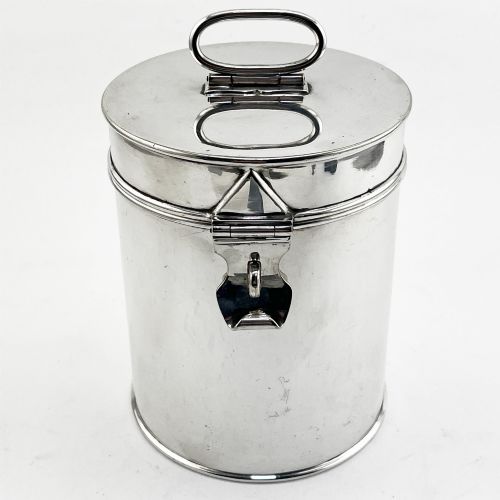
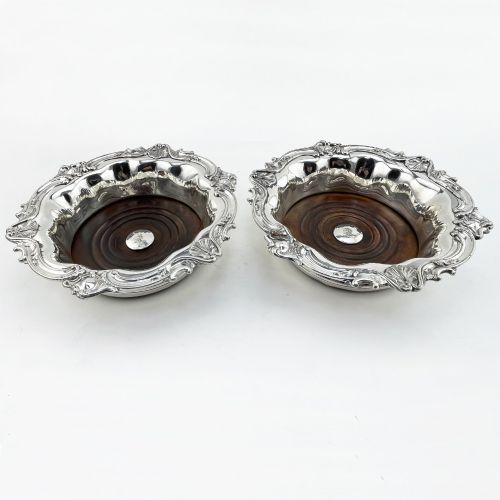
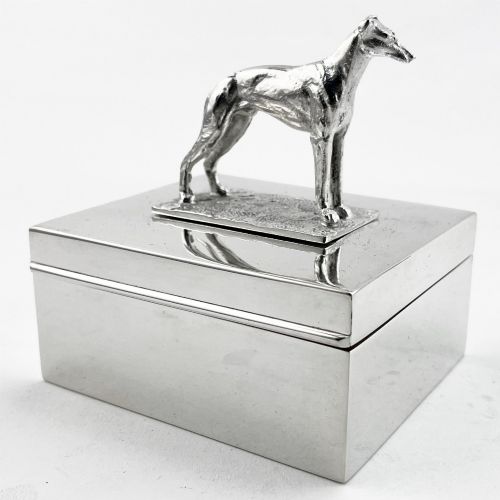
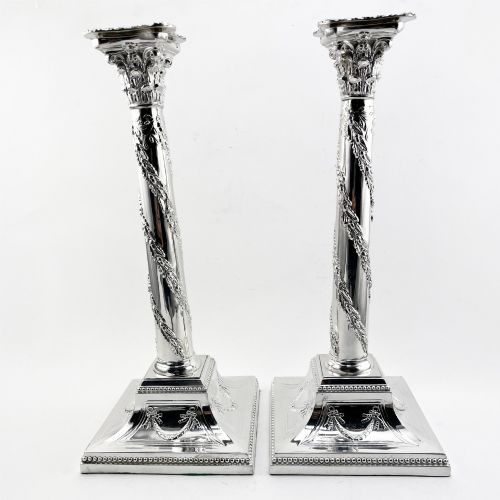
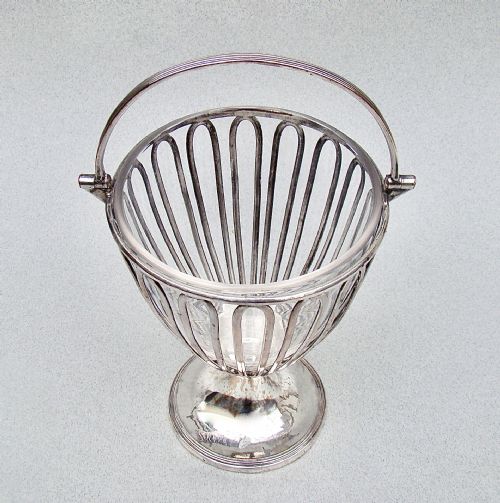
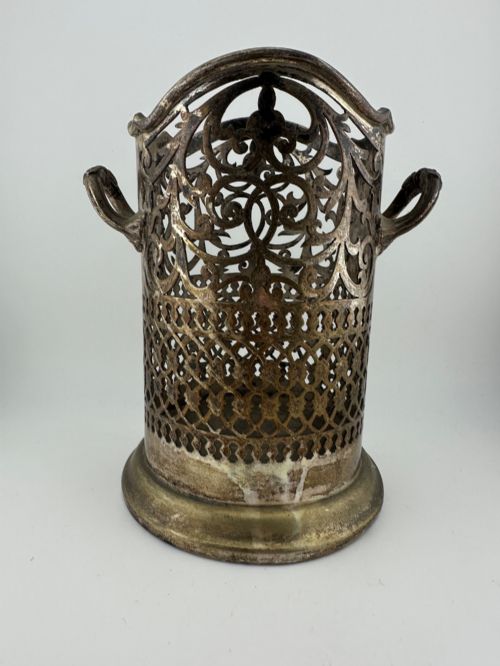
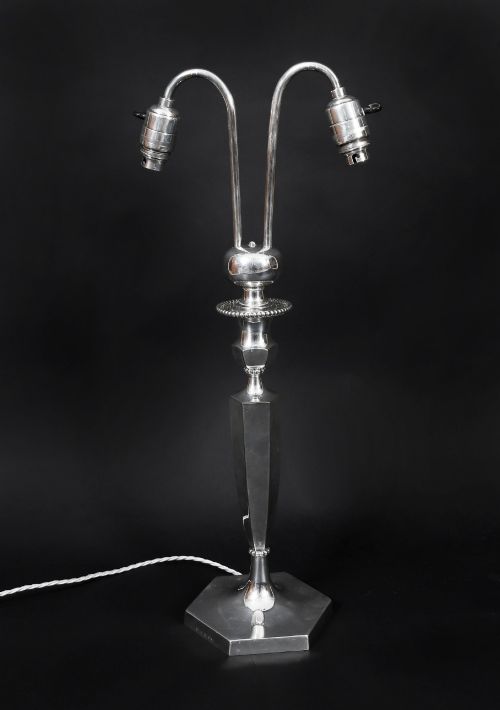
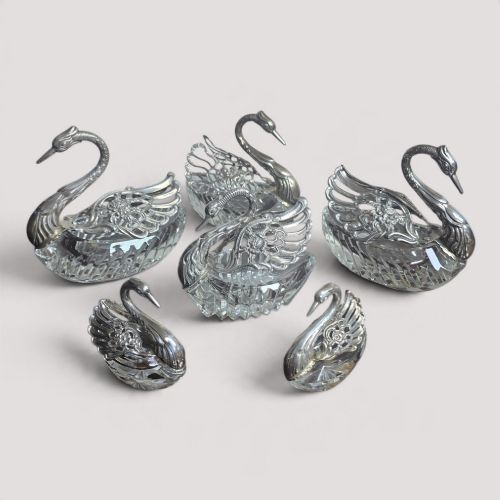
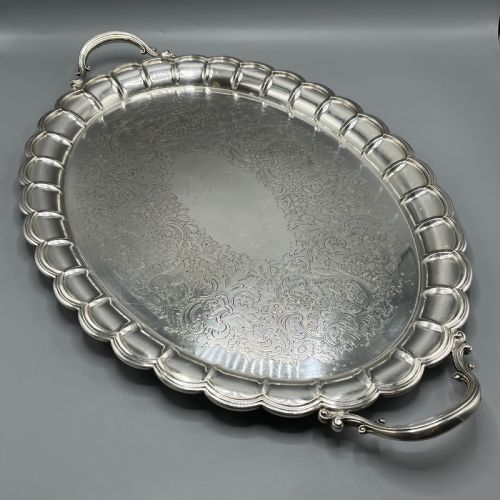
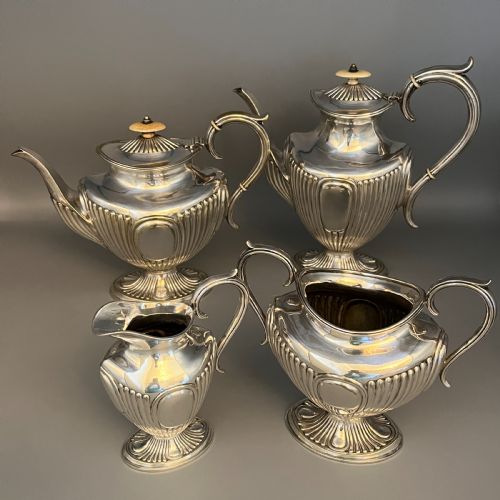
The objects take many forms, including tea sets, serving trays, claret jugs, candelabras, wine coolers and desk accessories. You are most likely to meet Edwardian tea services, Art Deco cocktail trays and nineteenth-century candelabras on this page.
Origins range across British workshops, French design houses and international makers. Pieces incorporate materials such as glass, oak, velvet and porcelain alongside the core metal construction.
Materials and construction methods
The pieces rely on a base metal substrate, frequently electroplated nickel silver or standard metal and copper, coated in a layer of silver. Early items utilise Old Sheffield plate methods, fusing a sheet of silver to a copper core.
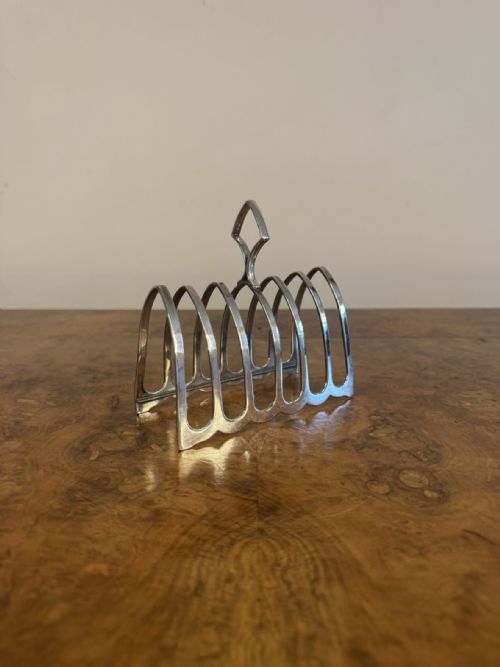
Makers combine the plated metal with contrasting organic and inorganic materials, such as English oak for gallery trays, glass for claret jugs and decanters, and ceramic inserts for toast racks and biscuit boxes.
Vintage Silver Plate Retail Price Guide 2026
Typical asking prices for vintage silver plate among the pieces listed under this phrase on Sellingantiques today, from the lower quarter to the upper quarter. They describe what is for sale here now, not the wider market.
A railway sleeping compartment sink proves that nineteenth and twentieth-century silver plate standards reached into the most utilitarian travel spaces.
Distinctions in craftsmanship and design
Quality rests in the weight of the base metal, the thickness of the silver deposition and the crispness of chased or cast ornamentation. Finer examples display balanced proportions, secure joints and maker marks from notable firms.
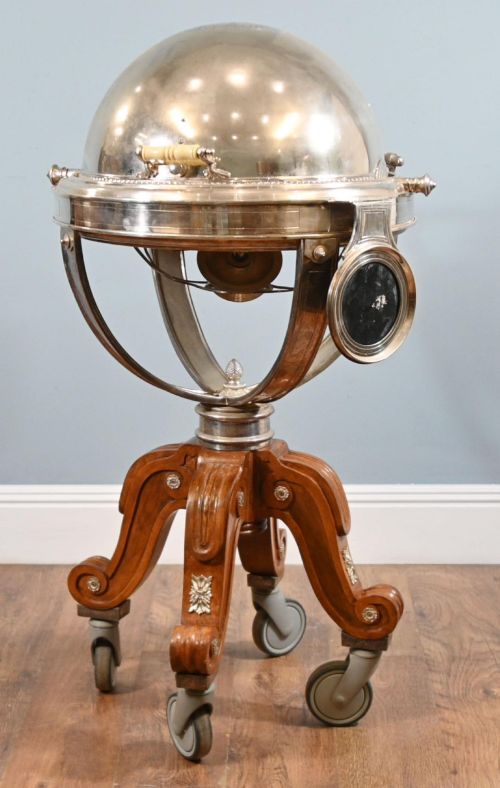
Design ambition separates standard production wares from pieces styled by prominent designers or created for specific institutions, such as steamship lines and railway companies.
Christofle Paris·Hermes Paris·Joseph Rodgers And Sons·Mappin And Webb·Deakin And Francis
The Vintage Silver Plate Glossary
- Electroplated Nickel Silver
- A base alloy of copper, nickel and zinc coated with a layer of silver via an electrolytic process. This method largely replaced older plating techniques by the late nineteenth century.
- Old Sheffield Plate
- An early method of fusing a thin sheet of sterling silver onto a thicker copper ingot before rolling and shaping. This technique produces a distinct warm tone as the underlying copper occasionally shows through high points.
- Claret Jug
- A vessel designed for serving red wine, typically combining a glass body with a silver-plated handle, collar and hinged lid. Victorian and Edwardian examples often feature cut glass patterns.
- Gallery Tray
- A serving tray featuring a pierced or solid raised metal gallery rail around its perimeter. These frequently incorporate wooden bases like English oak to provide structural rigidity.
- Candelabra
- A branched candlestick holding multiple lights, standing on a weighted base. Victorian and Edwardian versions often allow the branched top section to be removed, leaving a single candlestick.
Vintage Silver Plate: Frequently Asked Questions
How do I clean vintage silver plate?
Clean these items with a non-abrasive silver cloth or a specialist liquid polish designed for plated wares. Avoid harsh scrubbing to preserve the thin layer of silver on the underlying metal.
Wash pieces by hand in warm soapy water rather than submerging items that incorporate organic materials like wood, velvet or fitted glass inserts.
How can I tell Old Sheffield plate from electroplate?
Look closely at the edges and high points for any subtle hints of a copper tint shining through the silver layer. Old Sheffield plate reveals a red-gold copper hue beneath due to the fusion method used.
Electroplated items generally show a uniform silver tone over a white metal alloy base when wear occurs.
Were these items used daily?
Many objects were produced for formal dining rooms, hotel hospitality and railway dining cars during the nineteenth and twentieth centuries. Tea sets, toast racks and claret jugs saw regular service at dining tables.
Other items like cocktail trays and champagne coolers belonged to domestic entertaining spaces and lounge settings.
How do I date a silver plated piece?
Examine the style of the decoration, drawing on periods such as Victorian, Edwardian, Art Deco or mid-century modern. Structural clues and manufacturing techniques also provide chronological boundaries.
Maker marks and registration numbers stamped into the base offer further reference points for identifying the decade of production.