

Vintage Silver Plate Tableware
Vintage silver plate tableware brings nineteenth and twentieth century dining traditions to the table through durable plated metals, cut glass and fitted ceramics.
Vintage Silver Plate Tableware
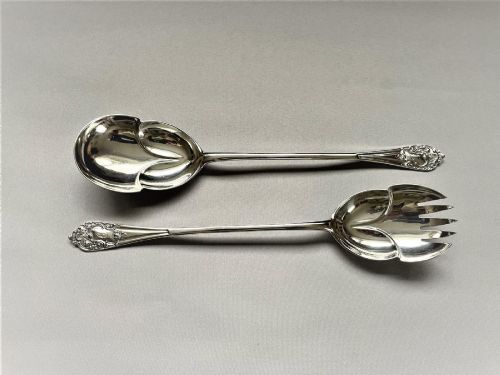
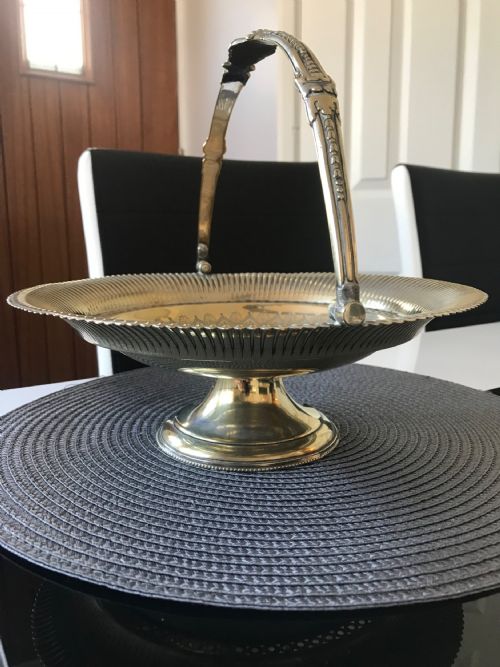
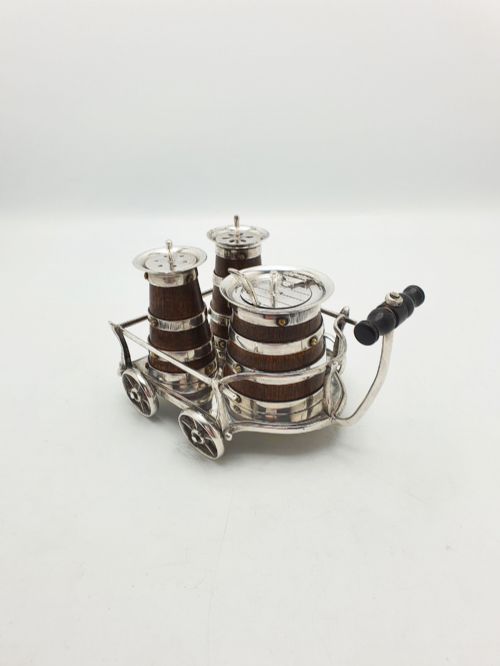
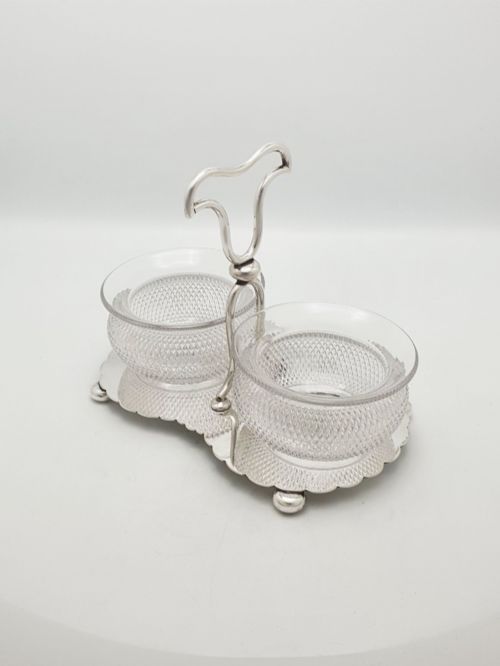
Vintage silver plate tableware covers everyday and formal dining accessories spanning the Victorian, Edwardian, Art Deco and mid-century periods. When exploring this selection, buyers frequently encounter serving pieces, toast racks, cruet sets, biscuit barrels and sauce boats.
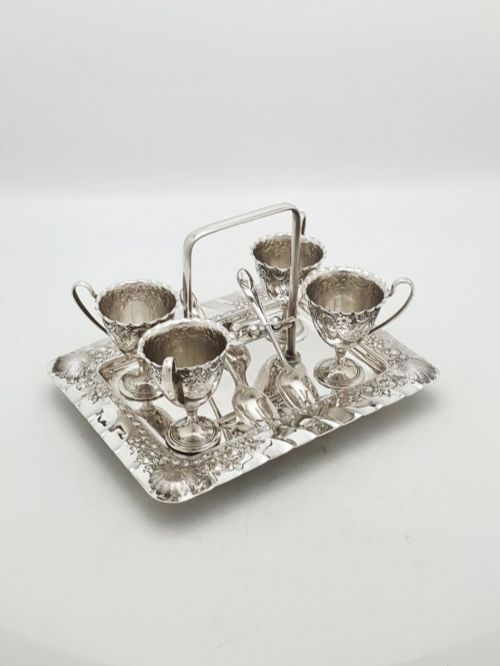
The objects originate from English, French and international makers, encompassing both utilitarian kitchenware and ornate dining table centrepieces. Pieces range from plain functional items to decorative designs incorporating embossed details and figural motifs.
Materials and construction
Manufacturing methods rely on base metals coated with a layer of silver, frequently utilising electroplated nickel silver alongside traditional Sheffield plating techniques. Cut glass liners, ceramic bodies, oak barrels and velvet accents complement the metalwork.
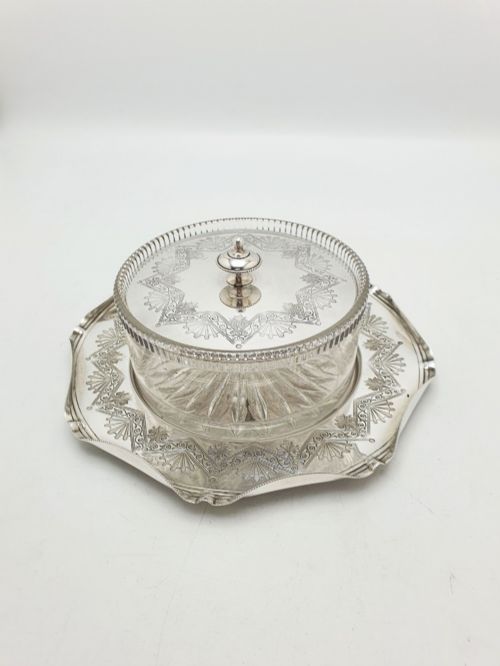
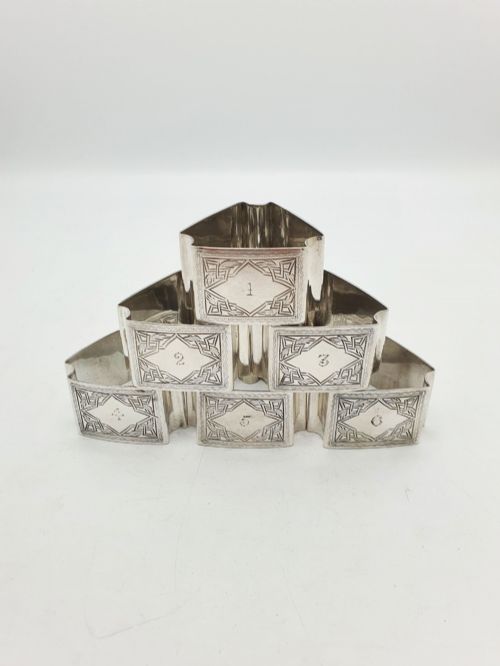
Details are applied through embossing, engraving, casting and piercing. Many serving vessels incorporate fitted glass inserts, hinged lids and turned wooden handles.
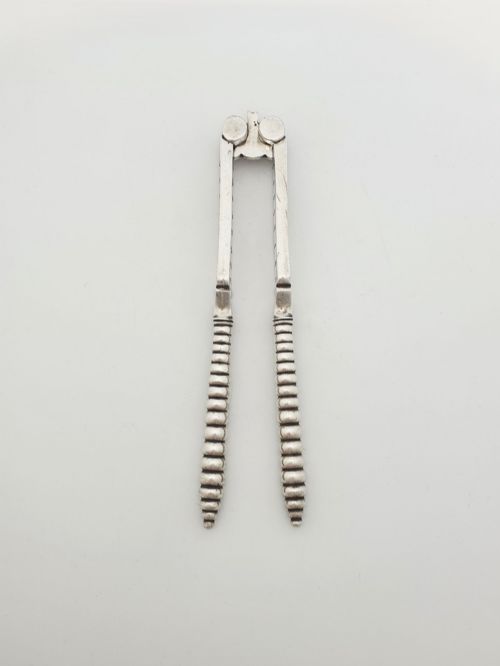
Victorian dining tables once accommodated specialist tools like lobster crackers and bull head knife rests alongside standard cutlery.
Quality and execution
Quality rests on the crispness of the chased or embossed ornament and the structural integrity of hinged mechanisms on items such as revolving butter dishes and tea urns. Substantial weight in the base metal indicates robust manufacture.
The preservation of the silver surface plating across high-contact areas distinguishes superior examples. Maker marks from established firms often signal precise standards of production.
Elkington·Christofle·Hermes Paris
The Vintage Silver Plate Tableware Glossary
- Electroplated nickel silver
- A copper, nickel and zinc alloy coated with a layer of silver through an electrolytic process.
- Cruet set
- A matched group of bottles, cruets or castars for holding condiments, vinegar, oil, salt and pepper at the dining table.
- Toast rack
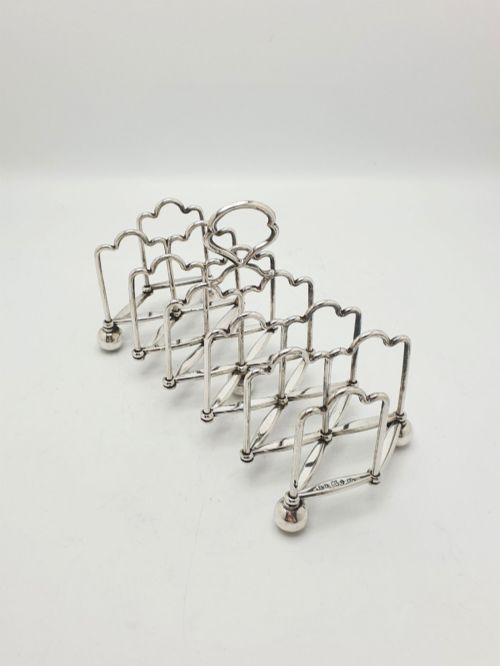
- A small metal frame featuring vertical divisions designed to hold slices of toast upright.
- Biscuit barrel
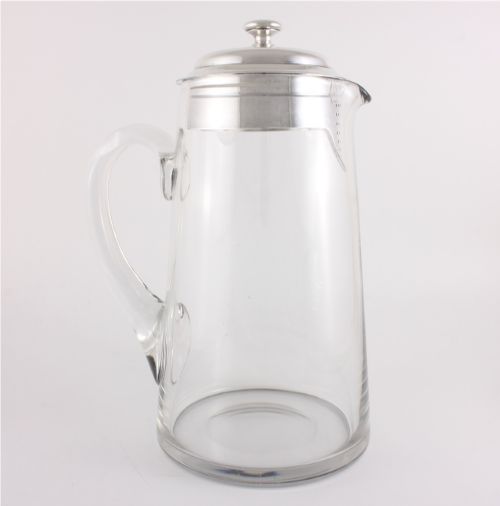
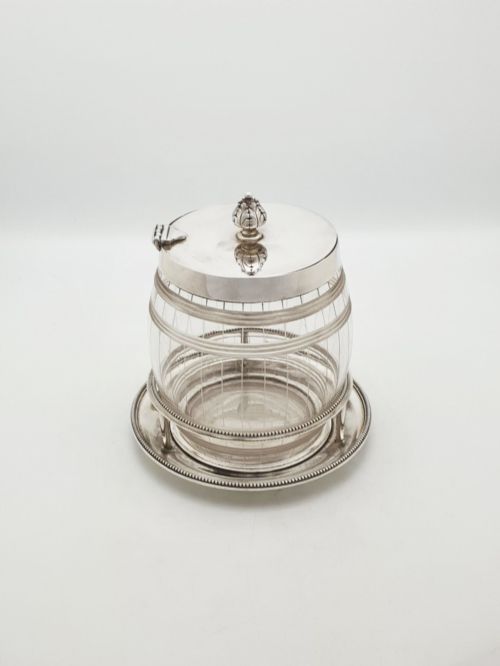
- A covered container used for storing and serving dry biscuits or crackers, frequently featuring a ceramic or glass body with a metal mount and lid.
- Sauce boat
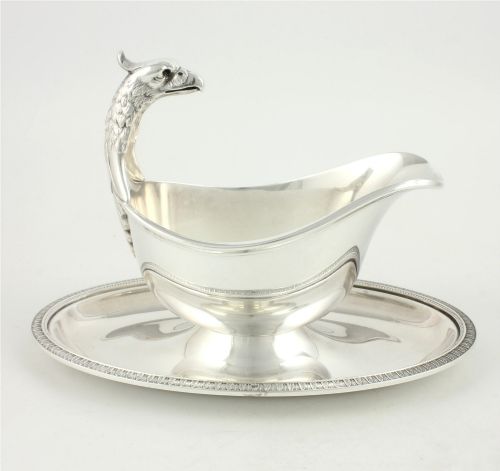
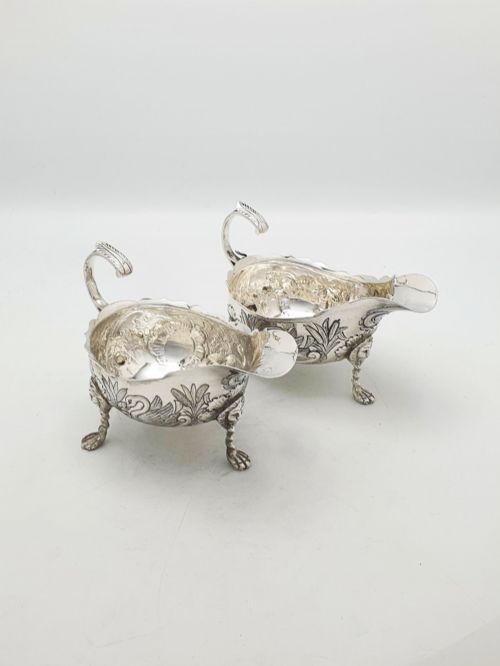
- A boat-shaped vessel designed for serving gravies or sauces, often accompanied by an integral or separate matching base tray.
Vintage Silver Plate Tableware: Frequently Asked Questions
How do I clean silver plate tableware?
Clean pieces gently using a soft cloth and a specialised silver polish formulated for plated items. Avoid abrasive pads or harsh chemical dips that strip the thin silver layer.
Wash components featuring glass liners or wooden elements separately by hand in lukewarm soapy water. Dry thoroughly with a soft lint-free cloth to prevent tarnishing and water spots.
Can I use these items daily?
Many vintage dining items remain suitable for regular use provided they receive careful hand washing after each meal. Avoid putting plated metal, glass liners or ceramic parts into the dishwasher.
Acidic foods left in contact with the metal surface for extended periods can damage the plating. Rinse and dry serving pieces promptly following use.
How do I date an antique piece?
Examine the style of decoration, such as the geometric lines of Art Deco pieces or the ornate embossed floral motifs typical of the Victorian and Edwardian eras. Maker marks stamped onto the base often provide clues to production dates.
Patent dates, registry numbers and specific script styles used in manufacturer stamps help narrow down the decade of manufacture. Comparing the weight and construction techniques also assists in placing the object in a specific period.
What is the difference between Sheffield plate and electroplate?
Sheffield plate involves fusing a thin sheet of silver to a thicker copper ingot through heat and pressure before rolling them together into sheets. This older technique often reveals a faint line of copper along cut edges.
Electroplate uses an electric current to bond silver particles onto a base metal alloy, typically nickel silver. This later nineteenth-century method provides a uniform silver coating across complex shaped items.