
Vintage Silver Ornament
These vintage silver ornament pieces range from animal figures to desk accessories, bringing tactile metalwork and period character directly to your mantelpiece or cabinet.
Vintage Silver Ornament
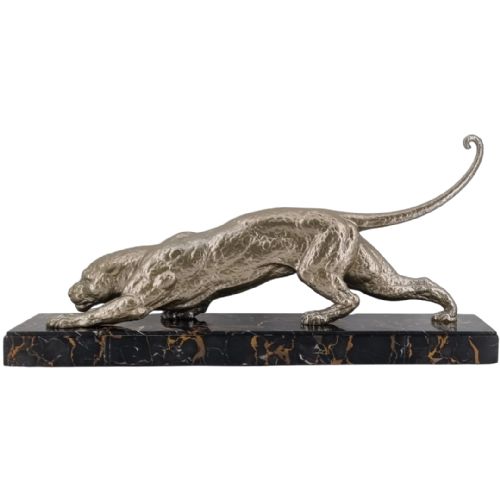
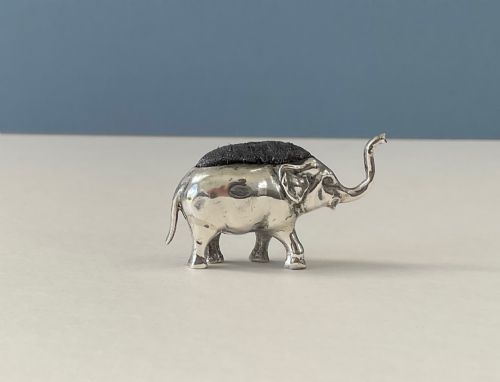
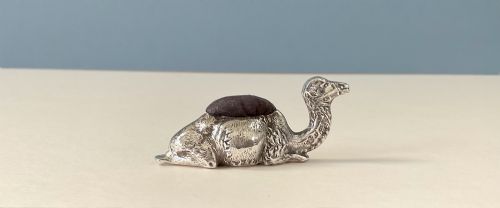
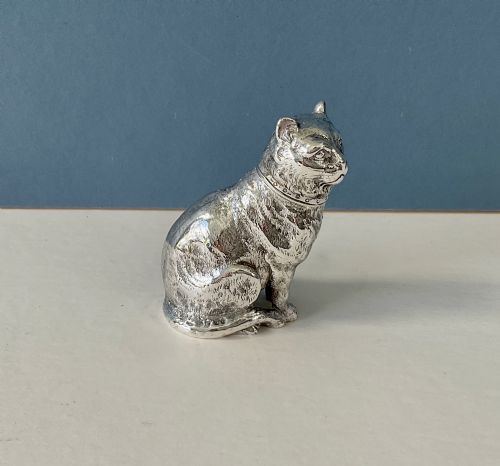
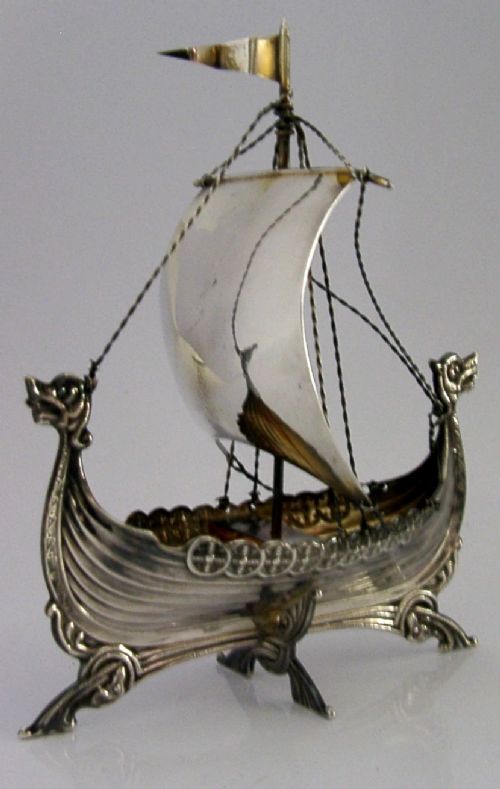
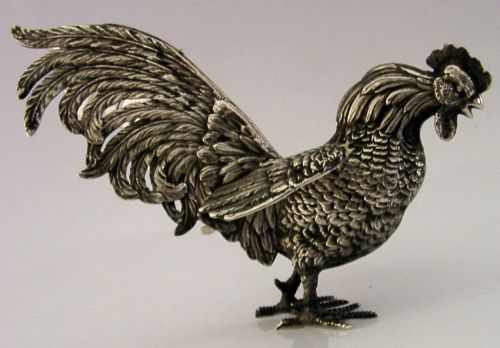
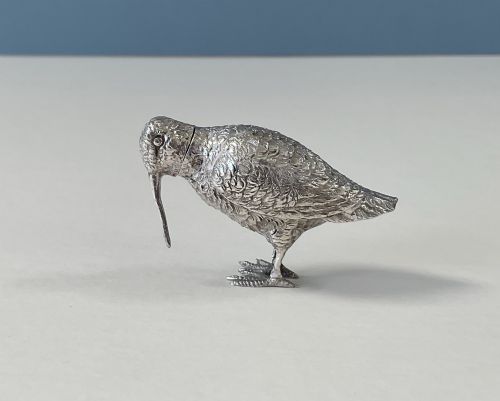
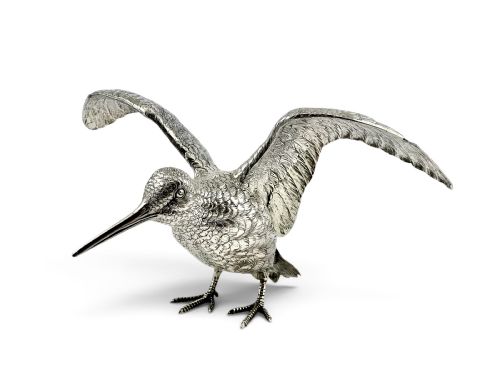
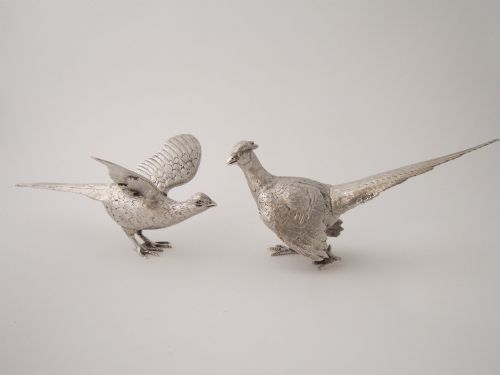
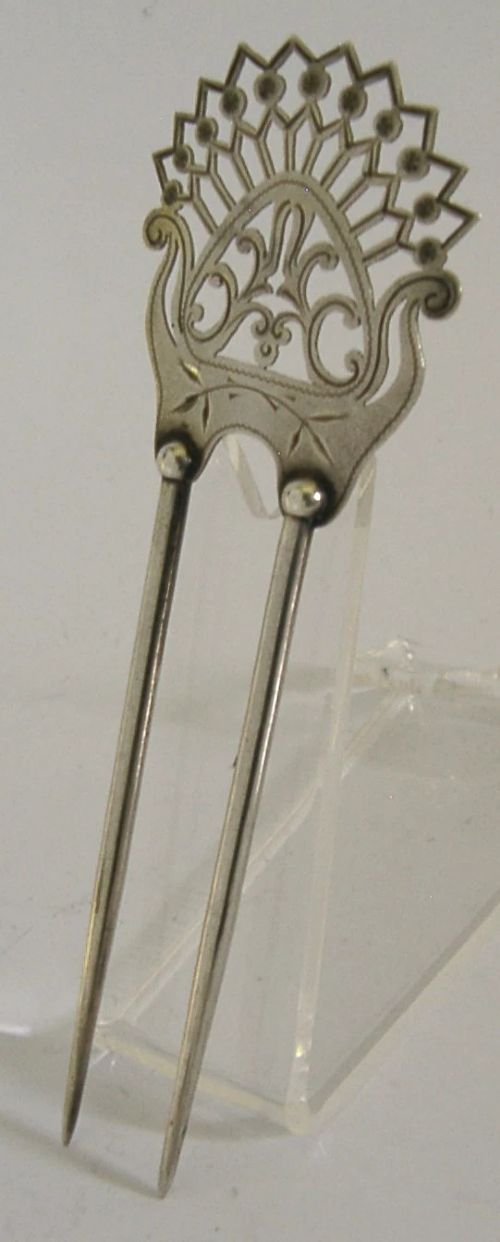
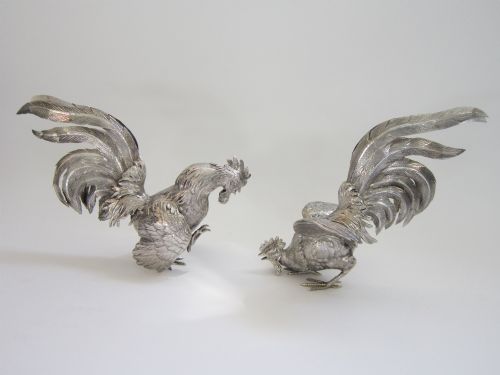
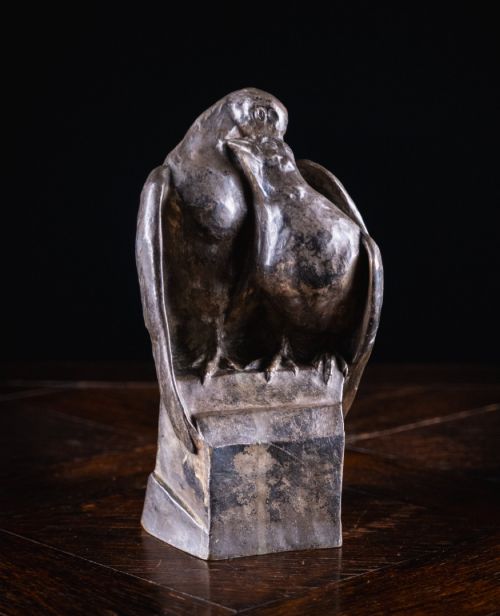
When you search for a vintage silver ornament, you encounter a diverse collection of small sculptures, desk accessories, and decorative figures spanning from the Victorian era through the mid-twentieth century. The selection leans heavily toward animal forms, including detailed bird pin cushions, novelty peppers, and realistic models of foxes, cockerels, and camels.
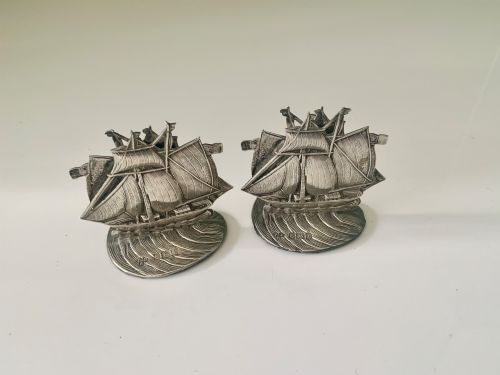
Beyond animal subjects, the offerings encompass functional items adapted for display, such as magnifying glasses, photo frames with velvet backs, inkwells, and menu holders. Pieces from the Edwardian period and the Art Deco years appear frequently, alongside mid-century British and continental European works.
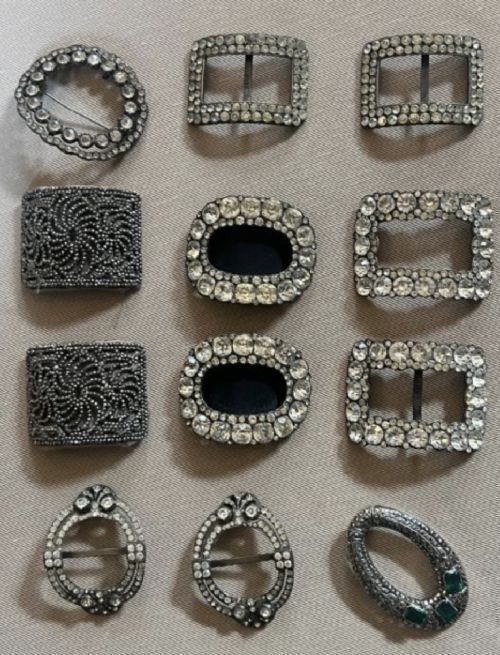
Buyers also find specialised items like shoe buckles and miniature furniture, reflecting the broad interpretation of decorative metalwork across different decades. Sterling silver and silver plate dominate the material record, frequently paired with glass, wood, and velvet.
How they were made
The construction of these items relies primarily on casting, smithing, and cold-painting techniques applied to sterling silver, silver plate, and specialised metal alloys. Artisans shaped solid metal and plated bases into intricate forms, utilising manual chasing and engraving to define plumage, fur, and architectural details.
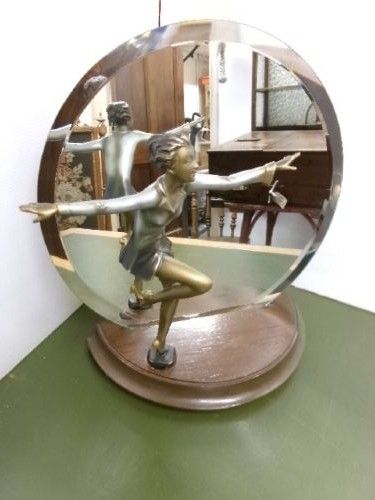
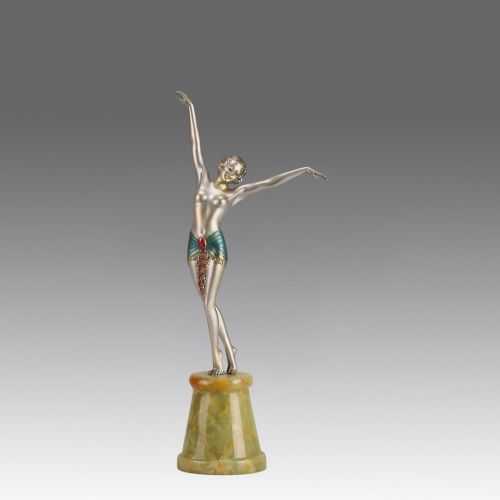
Many animal figures and desk items incorporate mixed materials, combining silver with glass inserts, carved jade, or velvet backings for photo frames. Cold-painted finishes on bronze, spelter, and aluminium appear in twentieth-century pieces, adding colour and surface texture to dancers and animal subjects.
The inventory spans multiple design movements, including Victorian, Edwardian, Art Nouveau, Art Deco, and Mid-Century British styles.
What varies in quality
The weight and gauge of the metal also distinguish finer items, with heavier solid silver pieces offering a more substantial tactile presence than plated or lighter alloy alternatives. Maker attribution, discernible hallmarks, and the preservation of original cold-painted surfaces elevate the standing of individual works.
Frederique Cederlund-Ozanne·Josef Lorenzl·H H Curtis
The Vintage Silver Ornament Glossary
- Sterling silver
- A silver alloy containing 92.5 percent pure silver and 7.5 percent other metals, usually copper, chosen for durability.
- Silver plate
- A base metal object coated with a thin layer of silver through electroplating or older mechanical methods.
- Pin cushion
- A small decorative object, often formed as an animal, designed to hold sewing pins in its velvet or stuffed pad.
- Cold-painted bronze
- A sculpture technique where oil paint is applied to unheated bronze metal, common in Austrian and continental figures.
- Novelty piece
- An item made in a whimsical or amusing shape, such as an animal or object, serving a dual decorative and practical purpose.
Vintage Silver Ornament: Frequently Asked Questions
How do I clean tarnished vintage silver?
Use a specialised soft silver cloth and gentle cleaning agents designed for precious metals to remove tarnish safely without stripping fine details.
Avoid abrasive pastes and harsh chemical dips, which can damage original patinas, cold-painted surfaces, and delicate chased textures on antique ornaments.
Where were most novelty animal ornaments made?
Makers across Britain and continental Europe produced novelty animal figures, desk accessories, and pin cushions during the late nineteenth and early twentieth centuries.
English workshops in Birmingham and London dominated sterling production, while Austrian and German foundries excelled in cold-painted bronze and plated novelty items.
How can I date my vintage silver ornament?
Examine the piece for official hallmarks, maker marks, and registration numbers that link directly to assay office records and production years.
Stylistic indicators such as Art Deco geometric lines, Edwardian naturalism, or Victorian ornamentation also help narrow down the period of manufacture.