
Vintage Silver Napkin Holder
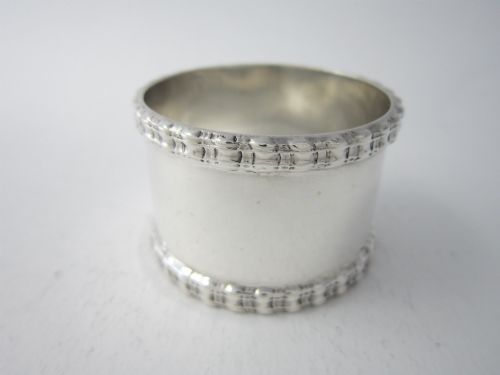
A vintage silver napkin holder brings everyday formality to the table, combining solid metal work with period craftsmanship.
Vintage Silver Napkin Holder
When you search for a vintage silver napkin holder, you encounter items designed to keep table linen organised during meals. These objects include individual rings, paired sets, fitted presentation boxes, and distinct clips or holders from past decades.
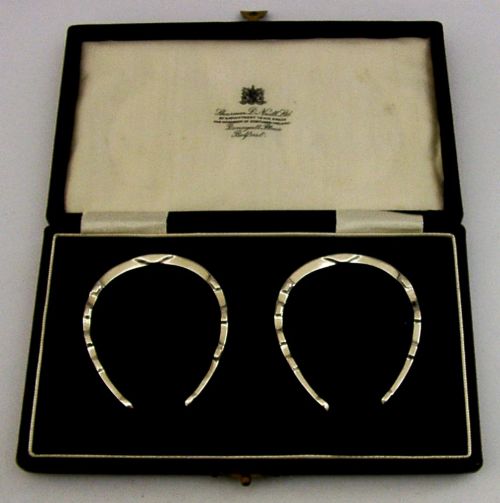
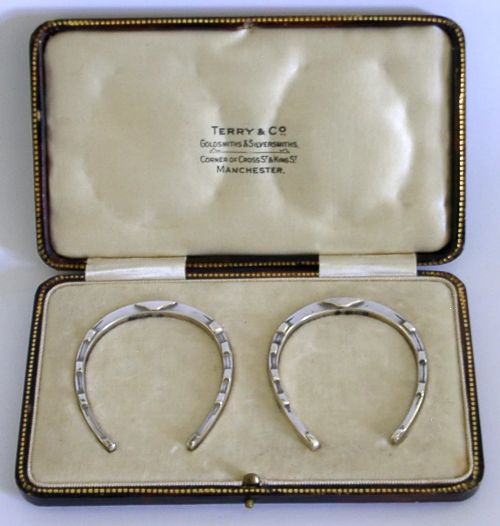
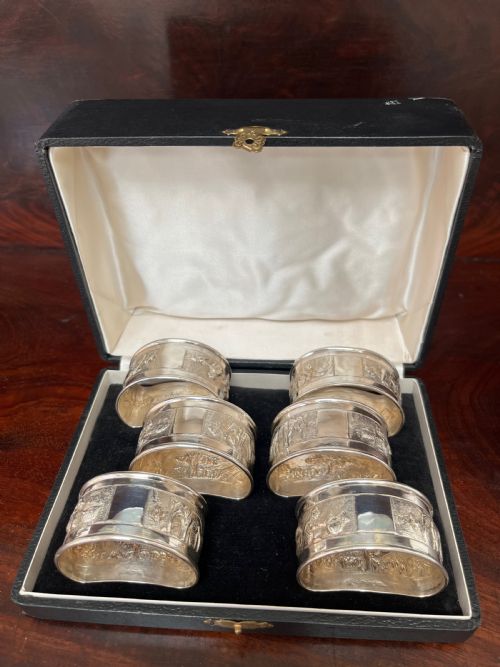
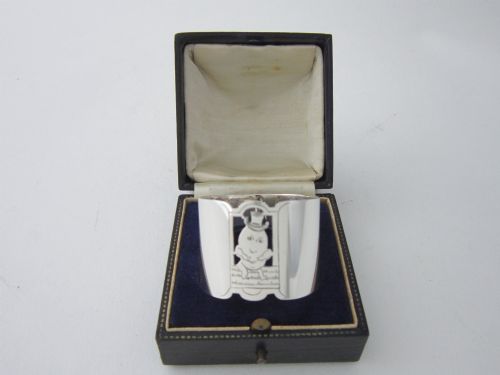
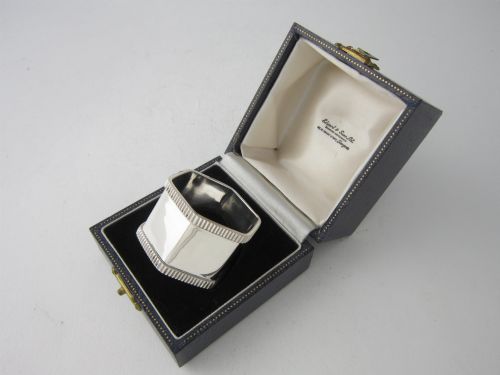
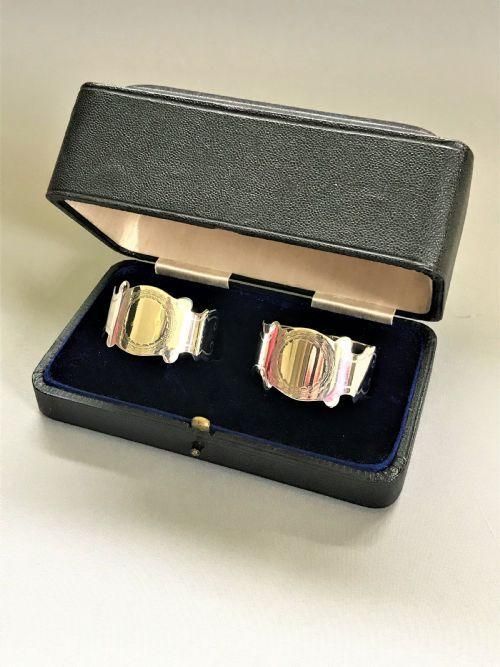
The pieces appearing on this page span from Victorian and Edwardian examples to mid-century creations. Single items and complete sets often arrive in original leatherette, silk, or velvet-lined cases.
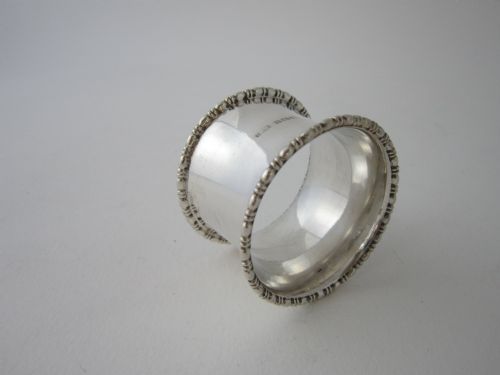
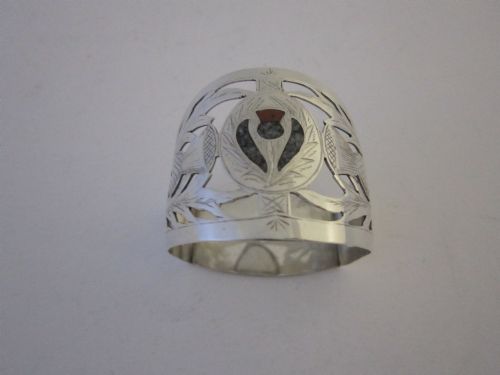
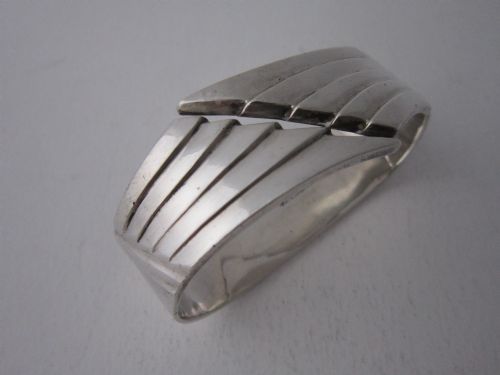
Forms range from plain circular bands to novelty shapes such as horseshoes, belt buckles, stirrups, and shield designs. Many reflect specific artistic movements like Arts and Crafts, Art Deco, and Mid-Century British design.
How they were made
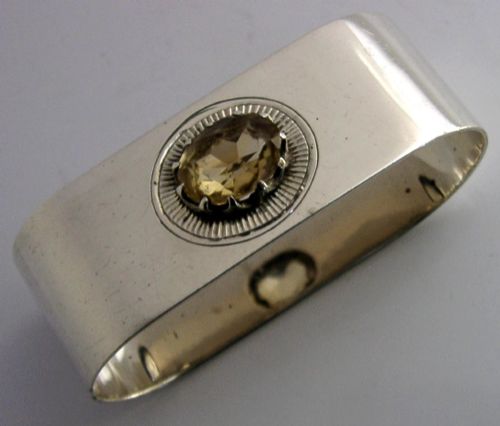
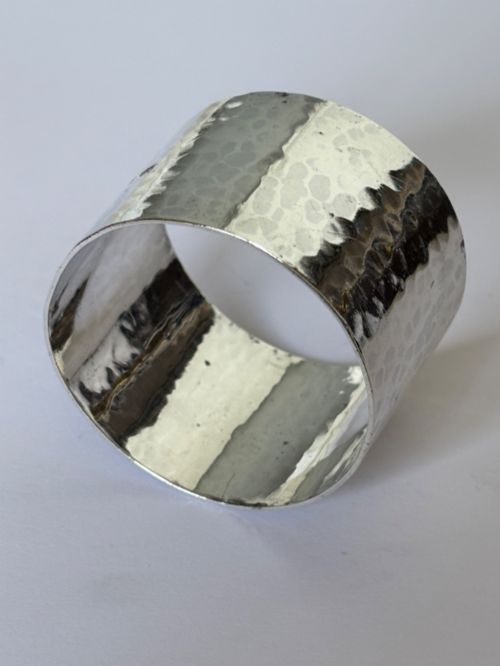
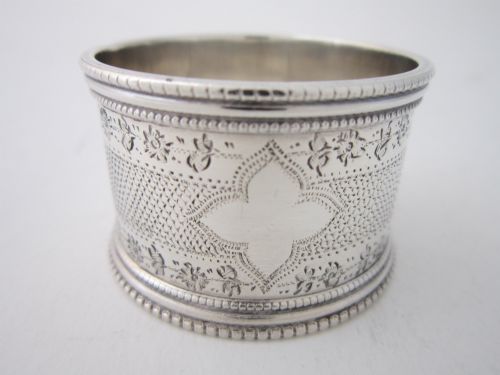
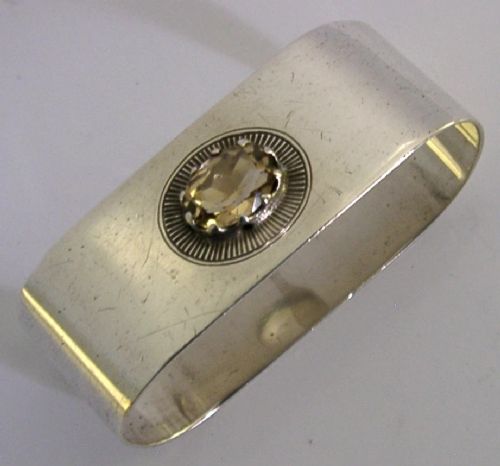
Silversmiths shaped these pieces from sterling silver or silver plate, frequently employing techniques such as hand hammering to create textured surfaces. Some designs incorporate applied decoration like enamel work or feature set gemstones including citrine and agate.
Maker workshops utilised stamping, casting, and engraving to produce both simple functional bands and elaborate novelty forms. Fitted storage cases lined with velvet or silk were constructed to house sets securely.
Vintage Silver Napkin Holder Retail Price Guide 2026
Typical asking prices for vintage silver napkin holder among the pieces listed under this phrase on Sellingantiques today, from the lower quarter to the upper quarter. They describe what is for sale here now, not the wider market.
Listings feature items from the Victorian, Edwardian, and mid-century periods, constructed in sterling silver, silver plate, and pewter.
What varies in quality
The distinction between standard items and exceptional pieces rests upon the maker's reputation and the weight of the metal used. Heavy gauge sterling silver items from recognised workshops demonstrate superior durability compared to thinner plated alternatives.
Superior examples often retain their original fitted presentation cases and feature complex hand-worked details, such as hammered textures or secure stone settings, rather than mass-produced stamped decoration.
Albert Edward Jones·C.T. Burrows & Sons·Tiffany & Co·Liberty & Co·Mappin & Webb·Cartier·Georg Jensen·Hermes, Paris·R. E. Stone
The Vintage Silver Napkin Holder Glossary
- Sterling silver
- A silver alloy containing 92.5 percent pure silver by mass and 7.5 percent other metals, usually copper. This standard composition provides the strength required for daily dining accessories.
- Silver plate
- A layer of silver applied to a base metal core, such as copper or nickel brass. This technique offered an affordable alternative to solid silver table services.
- Hallmark
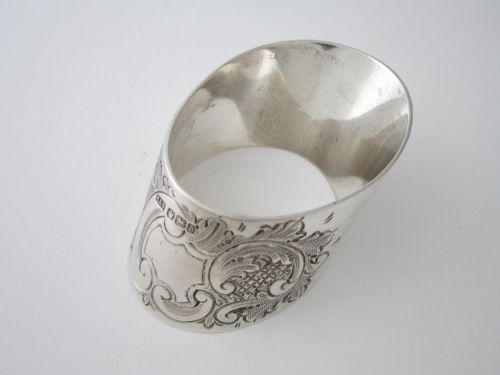
- An official mark stamped onto precious metal items in Britain to indicate the standard of purity, the assay office, and the year of manufacture.
- Novelty piece
- An object shaped into an amusing or unusual form, departing from standard geometric designs. These items often mimic everyday objects like stirrups or horseshoes.
- Cased set
- A collection of items housed in a fitted presentation box, frequently lined with velvet, silk, or satin. These boxes protected the contents during storage and transport.
Vintage Silver Napkin Holder: Frequently Asked Questions
What materials are used?
These items are constructed primarily from sterling silver or silver plate. Some examples incorporate additional elements such as enamel, agate, citrine, and leatherette presentation cases.
Interior linings in fitted boxes frequently utilise materials like silk and velvet to protect the metal surfaces.
How do I date them?
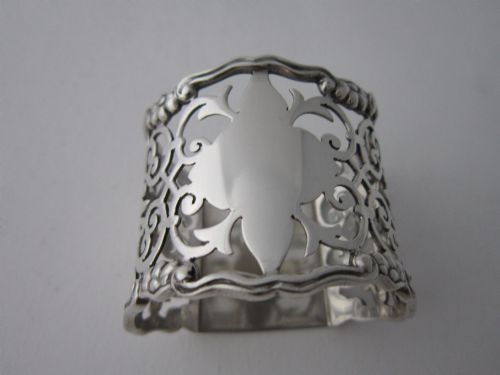
Dating relies heavily on British hallmarks stamped directly onto the metal, which indicate the specific assay office and year mark. Stylistic indicators like Art Deco geometric lines or Edwardian scrollwork also help identify the period.
Reference guides to assay letters provide precise verification for pieces bearing official silver stamps.
Are they sold in sets?
Many examples appear as individual pieces or pairs intended for domestic use. Larger groupings of four or six items are also common, frequently housed within their original fitted boxes.
Numbered sets allowed individual household members to identify their specific linen placement at the table.
How were they used?
These pieces kept personal table napkins organised and identifiable between meals in family dining rooms. Diners placed their rolled linen inside the ring or secured it with a clip until the next meal.
Complete cased sets served as popular gifts for weddings, christenings, and anniversaries.