


Vintage Silver Medallion Pendant
These vintage silver medallion pendant examples combine sporting history, enamel work, and period design from the Victorian era to the mid-twentieth century.
Vintage Silver Medallion Pendant
A vintage silver medallion pendant encompasses heavy sporting fob medals from the 1920s and 1930s, alongside floral shield charms and portrait pieces. Buyers seek these items for their distinct commemorative nature, reflecting golf, football, and cricket achievements alongside decorative enamel work.
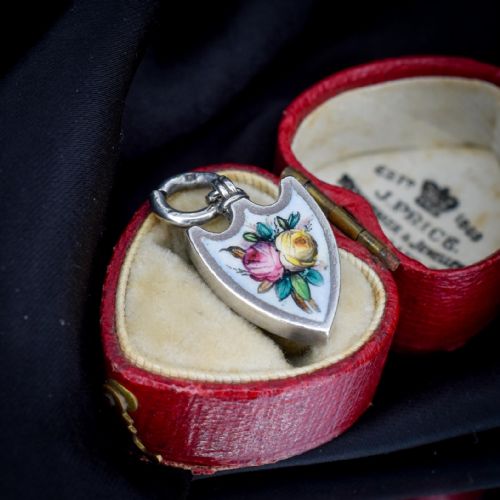
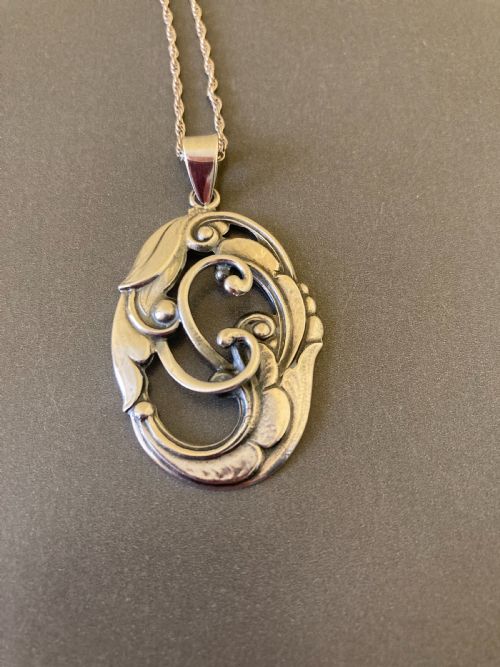
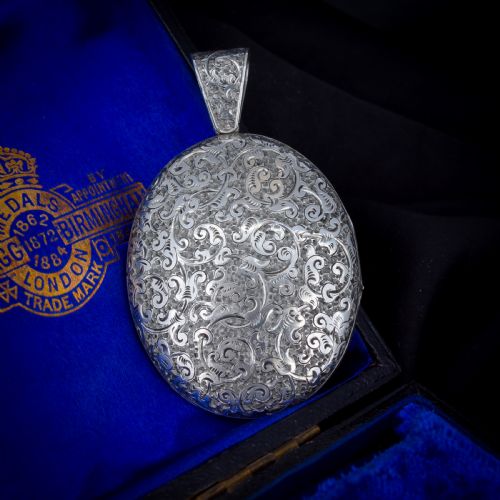
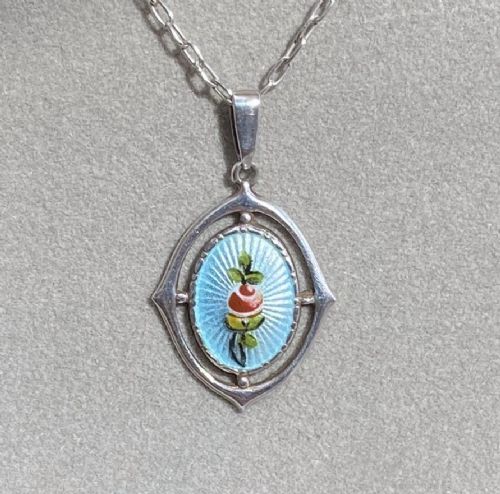
The pieces on this page span the Victorian and Edwardian periods through to Art Deco and Art Nouveau designs. Examples range from engraved photo lockets and pocket watch chains converted into pendants to Danish and Scandinavian floral enamel creations.
How they were made
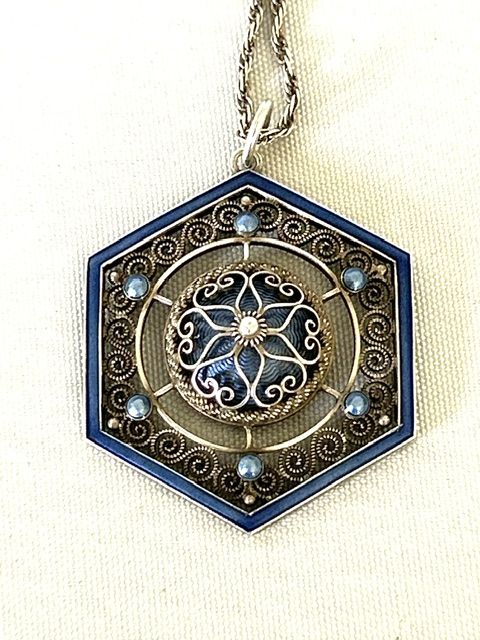
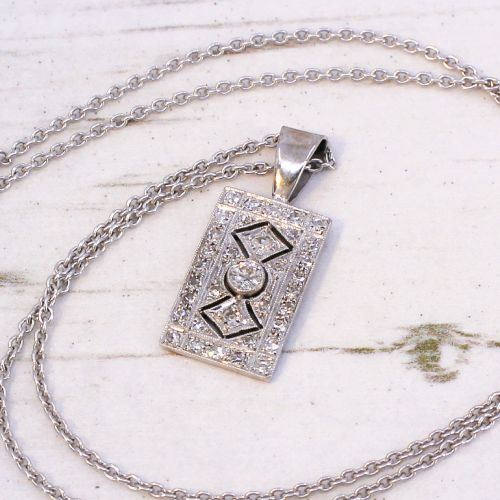
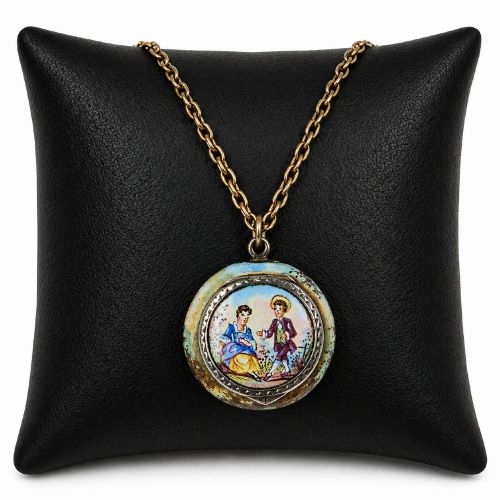
Silversmiths utilised sterling silver and standard silver as the primary base for these medallions and pendants, often applying guilloche, vitreous, or cloisonne enamel to the metal surface. Gemstones including pearls, turquoise matrix, opal doublets, paste, and old cut diamonds appear set into the silver frames.
Techniques involve hand engraving, die stamping for sports medals, and intricate enamel work applied to floral shields or novelty dartboard designs. Pieces date from the nineteenth century through the 1940s, showing craftsmanship from makers such as Marius Hammer and Charles Horner.
Listings span the Victorian period, Edwardian era, Art Nouveau, Arts and Crafts movement, and Art Deco styles, alongside Scandinavian work.
What varies in quality
Quality differences lie in the complexity of the enamel work and the precision of the hand engraving on the silver surface. Pieces featuring guilloche patterns or detailed portraits display a higher level of artisanal skill than plain stamped medals.
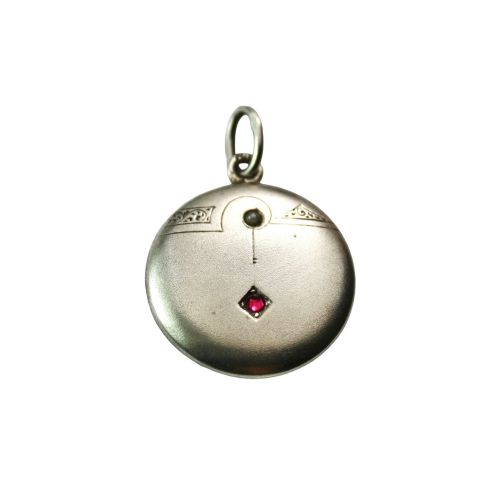
The inclusion of gemstones such as diamonds, pearls, or opal doublets elevates the fineness of the pendant. Heavier gauge silver and well-preserved enamel without loss or damage distinguish superior examples within the range.
Marius Hammer·Charles Horner
The Vintage Silver Medallion Pendant Glossary
- Guilloche enamel
- A decorative technique where transparent enamel is layered over engine-turned metal engraving. This method creates geometric patterns that show through the glossy coloured surface.
- Watch fob
- A short chain or ornament attached to a pocket watch, frequently adapted into a pendant. Many sports medallions originated as these fob awards.
- Cloisonne enamel
- A technique where enamel paste is applied within compartments created by soldered wire on a metal base. The piece is then fired and polished flat.
- Old cut diamond
- A precursor to the modern brilliant cut diamond, featuring fewer facets and a smaller table. These stones appear in Art Deco period pieces.
- Opal doublet
- A gemstone composed of a thin slice of natural opal glued to a backing material such as ironstone. This method strengthens the fragile opal for use in jewellery.
Vintage Silver Medallion Pendant: Frequently Asked Questions
Are these sports medals meant to be worn?
Many sports medals and watch fobs from the 1920s and 1930s are fitted with loops to function as pendants today. They were originally awarded for football, cricket, and golf achievements.
Buyers often hang these heavy silver medallions from modern chains to wear them as statement necklaces. Their solid construction makes them suitable for regular daily wear.
How do I date a silver medallion pendant?
Dating relies on stylistic markers such as Art Deco geometric lines, Art Nouveau floral motifs, or specific engraved dates found on sports medals. Hallmarks and maker marks stamped on the silver also help establish the decade.
Pieces range from Victorian photo lockets to Edwardian Arts and Crafts designs and 1940s novelties. Comparing the lettering style and enamel techniques provides further chronological clues.
How do I care for antique silver and enamel?
Silver components benefit from gentle cleaning with a soft cloth to maintain the metal finish without harming adjacent stones or enamel. Harsh chemical dips should be avoided, particularly on pieces with pearls or fragile enamel.
Enamel is glass and can chip under sharp impact, so these pendants require careful storage away from harder jewellery items. Keeping them dry protects the older silver mounts and internal locket hinges.