

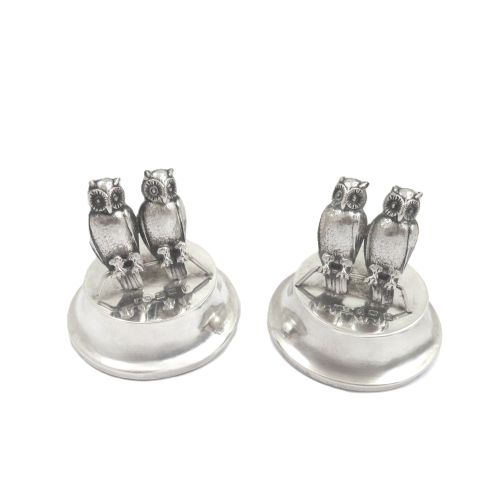


Vintage Silver Marker
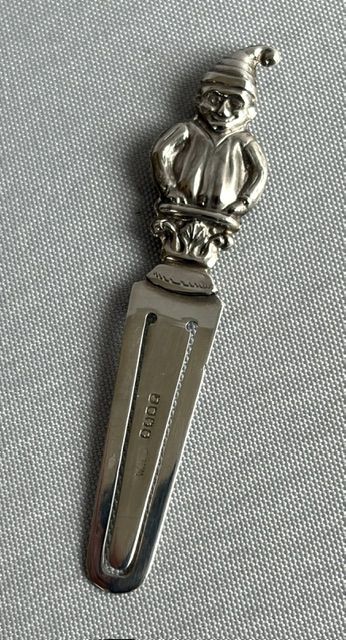
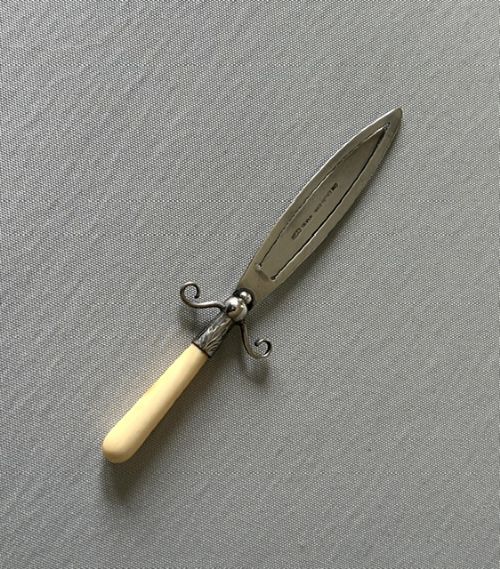
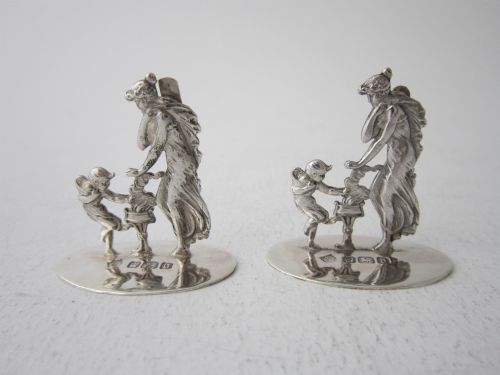
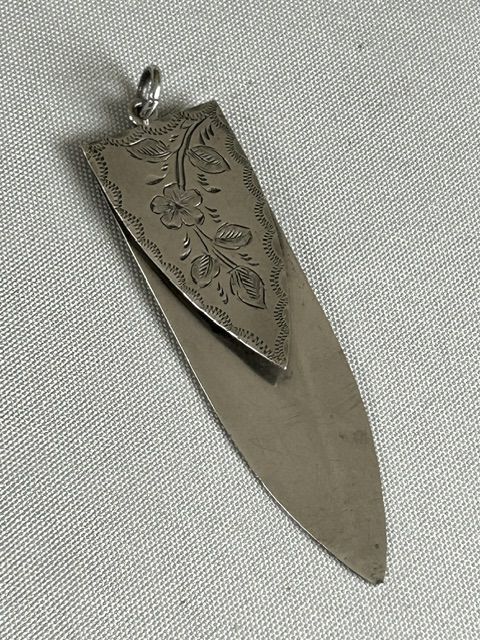
These vintage silver marker pieces encompass small domestic items like bookmarks and place card holders designed to organise dining and reading.
Vintage Silver Marker
When you search for vintage silver marker pieces, you encounter a specialised selection of small functional items primarily spanning the Victorian, Edwardian, and mid twentieth century periods. The most common forms appearing here are menu holders, place card holders, and bookmarks used during formal dining or leisure activities.
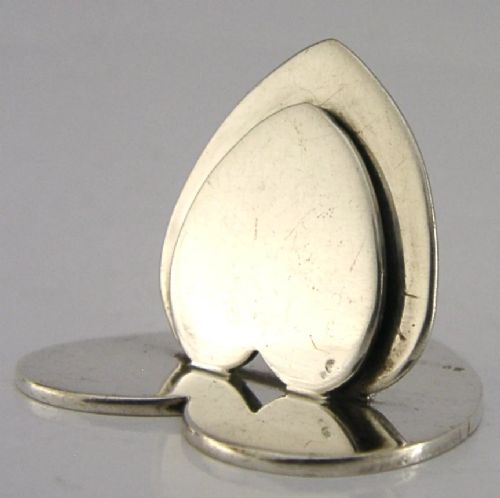
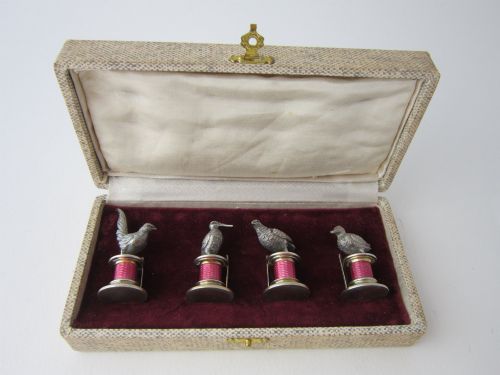
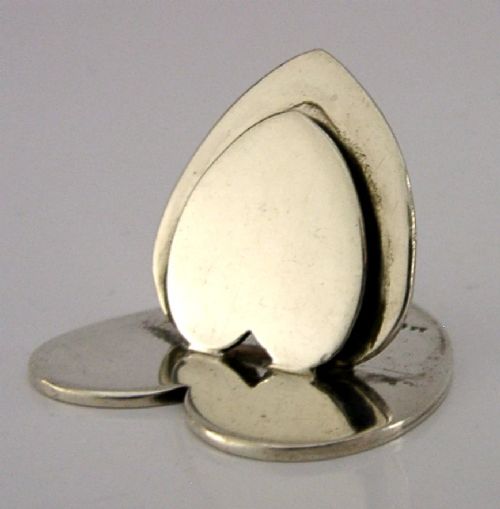
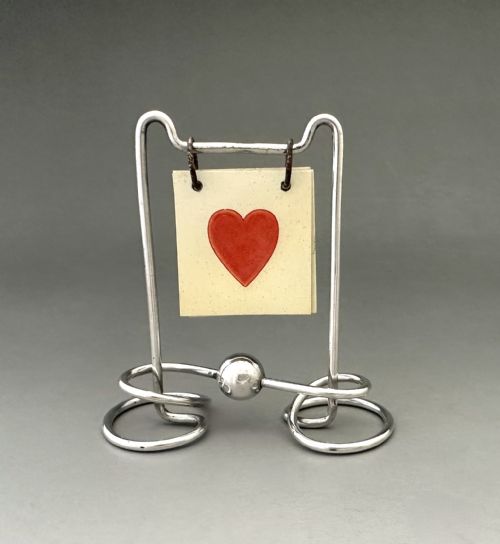
The objects frequently take figurative or novelty shapes, including animals, hearts, and trowels, reflecting the decorative tastes of their original makers. These pieces originate predominantly from British assay offices and workshops operating in the late nineteenth and early twentieth centuries.
Materials and construction
Makers utilised sterling silver and silver plate as the primary metals, often combining them with supporting elements such as oak, brass, mother-of-pearl, and stainless steel. Enamel and guilloche enamel details were also applied to add colour and contrast to the surface of the metal.
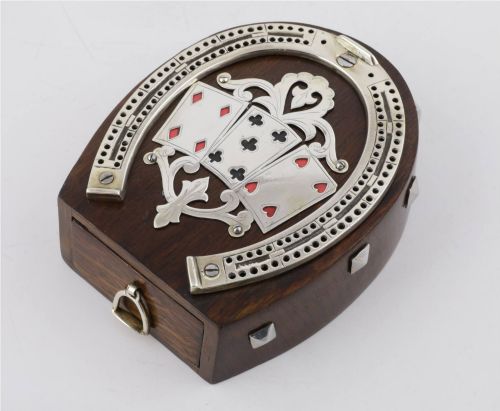
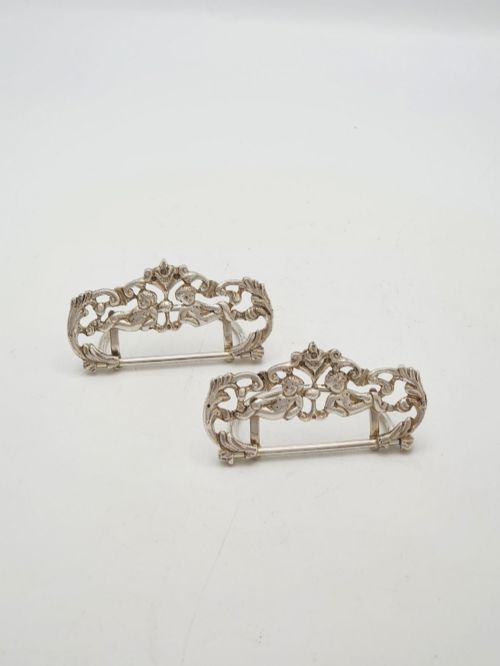
Techniques included casting figurative elements like cherubs, owls, and horses heads, alongside hand engraving and structural assembly for items such as cribbage boards and card boxes. Hallmarks stamped directly into the silver provide official records of the assay town, purity, and year of manufacture.
Vintage Silver Marker Retail Price Guide 2026
Typical asking prices for vintage silver marker among the pieces listed under this phrase on Sellingantiques today, from the lower quarter to the upper quarter. They describe what is for sale here now, not the wider market.
Dinner guests in the Edwardian era regularly consulted menus held upright by miniature silver grouse, owls, and love hearts.
Understanding quality differences
The degree of crispness in the casting and engraving distinguishes standard production pieces from finer examples, particularly in figurative novelty items where anatomical detail matters. Well preserved enamel work without chips or restoration elevates the standard of a piece significantly.
Makers marks and clear hallmarks contribute to the distinction of individual items, indicating workshop origin and verifying metal purity. The weight and gauge of the silver used in construction also affect the overall tactile solidity of the object.
Sampson Mordan·Adie And Lovekin·Liberty
The Vintage Silver Marker Glossary
- Sterling silver
- An alloy containing a high proportion of pure silver by weight, standard for British tableware and decorative items. This material standard is guaranteed by official assay office hallmarks.
- Menu holder
- A small desk or table accessory designed to support a printed dinner menu upright. These pieces often match place card holders used at formal settings.
- Place card holder
- A miniature stand intended to display the name of a guest at a dining table. They frequently share thematic designs with contemporary menu holders.
- Guilloche enamel
- A decorative technique where transparent enamel is layered over a mechanically engraved metal surface. This creates repetitive geometric patterns visible beneath the coloured glass finish.
- Novelty silver
- Small functional objects cast or shaped into amusing or unusual figurative forms. Collectors prize these items for their whimsical interpretations of everyday tools and animals.
Vintage Silver Marker: Frequently Asked Questions
What is a vintage silver marker used for?
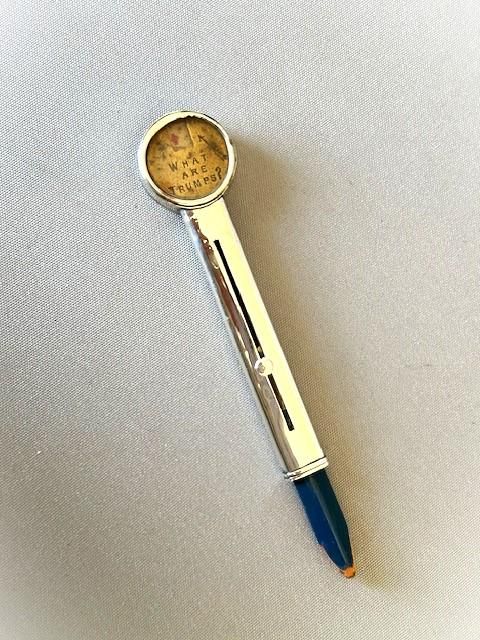
These items serve specific organisational roles in dining, reading, and games, functioning as place card holders, bookmarks, and card game markers. They were produced for domestic use in formal settings.
Dining accessories held menus and names, while bookmarks tracked reading progress in books. Game markers kept score or held cards during evening entertainment.
How can I date these silver items?
Dating relies heavily upon the stamped hallmarks and maker marks found on sterling silver pieces. British marks include symbols for the assay office, standard purity, and a specific date letter.
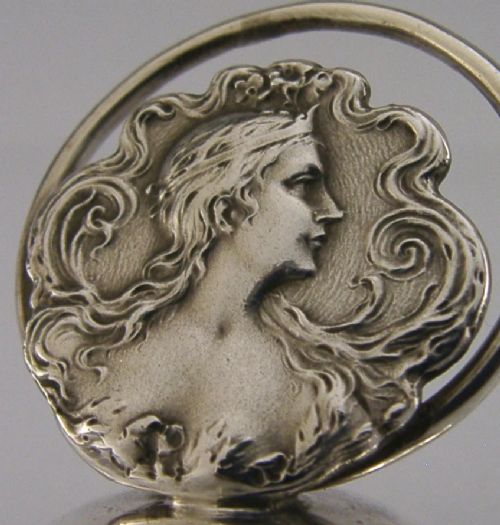
Stylistic cues such as Art Nouveau curves or Edwardian figurative forms also help narrow the period of manufacture when hallmarks are worn or absent.
What materials are used besides silver?
Makers incorporated supporting materials like oak for game boxes and mother-of-pearl for novelty bookmark handles. Enamel work frequently added coloured decoration to the metallic surfaces.
Silver plate and stainless steel also appear in certain items alongside brass and nickel components used in internal mechanisms.
How do I care for silver markers?
Maintenance requires gentle cleaning with appropriate silver polish to remove tarnish without damaging engraved details or enamel inlays. Soft cloths prevent scratching the softer metal surfaces.
Store items in dry environments away from direct sunlight and strong chemicals to preserve the finish of the metal and any organic components.