

Vintage Silver Lighting
Vintage silver lighting brings together period lamps, sconces and chandeliers cast in plate, bronze and chrome to illuminate rooms with metallic warmth.
Vintage Silver Lighting
Vintage silver lighting covers a range of functional fixtures designed to illuminate interiors through reflected metallic surfaces and glass. When buyers search for vintage silver lighting, they encounter forms spanning table lamps, wall sconces, floor lamps and grand chandeliers.
The objects originate from multiple decades including Victorian, Edwardian, and Art Deco periods, drawing on styles such as Neoclassical Revival, Rococo, and French Chateau. Silver plated items and silver gilt pieces dominate the selection alongside chrome and metal alternatives.
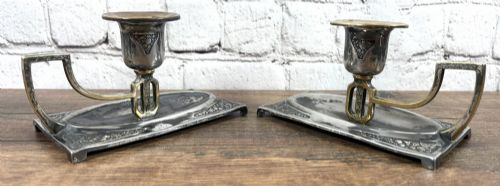
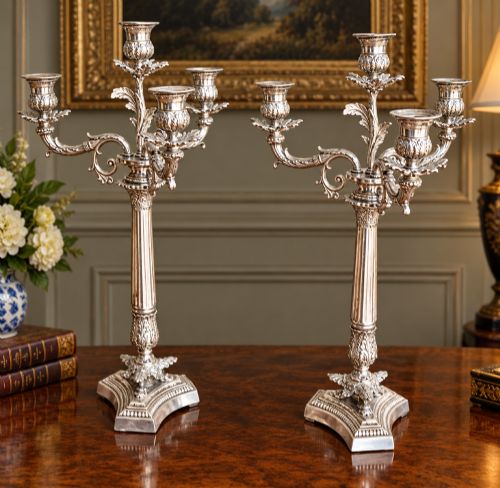
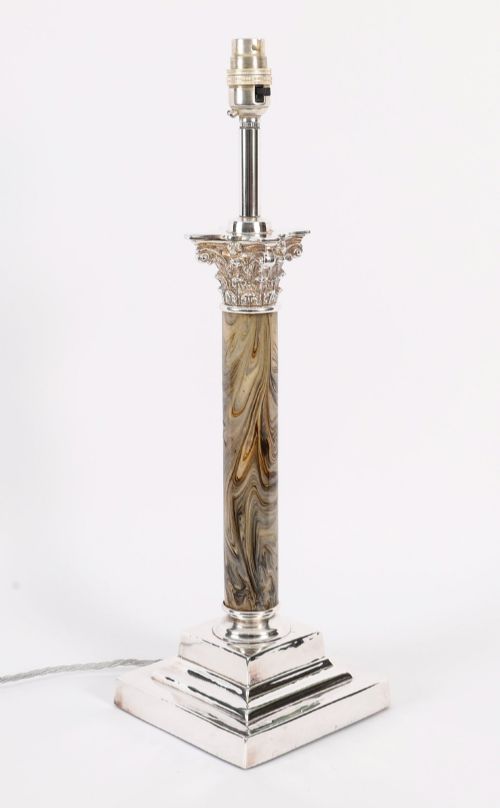
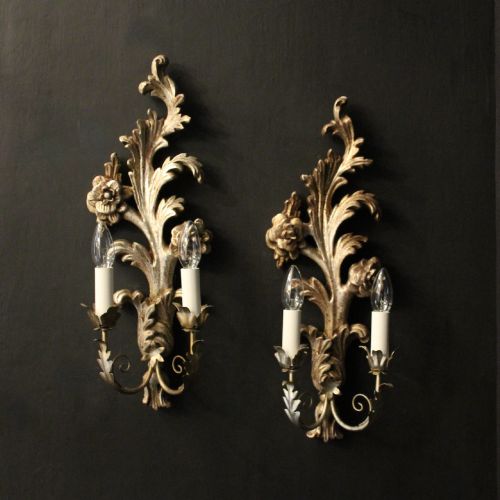
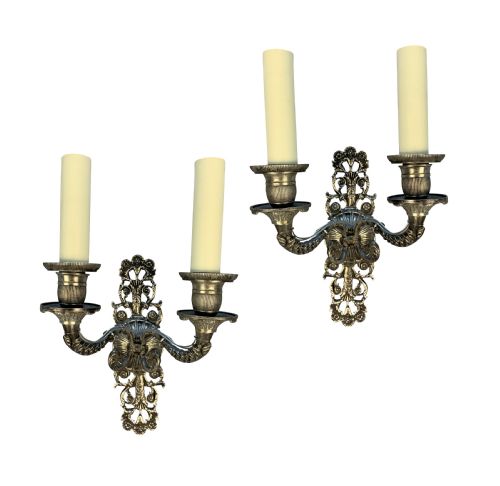
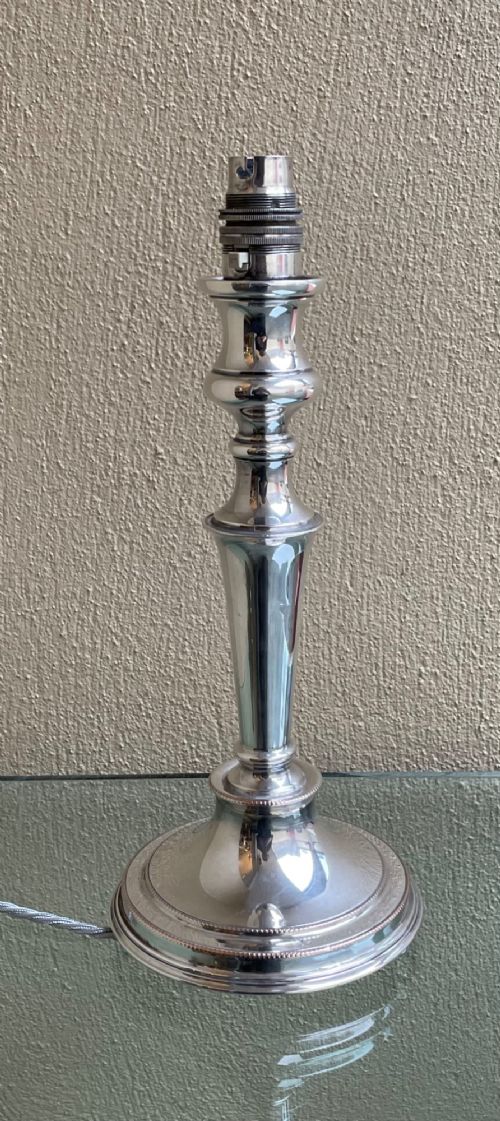
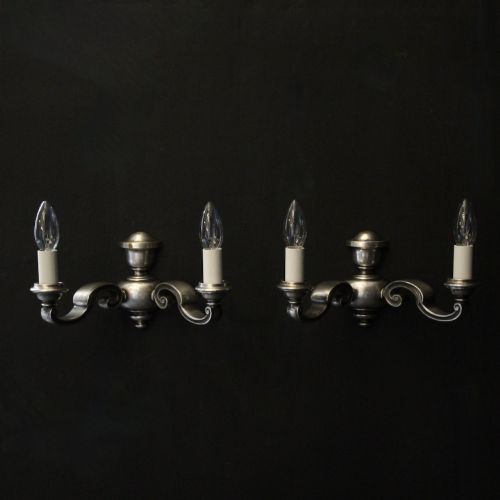
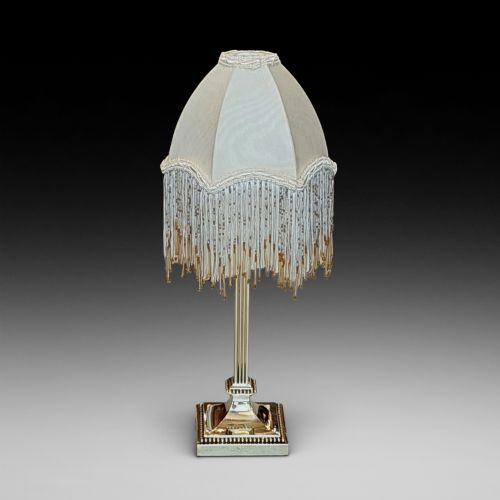
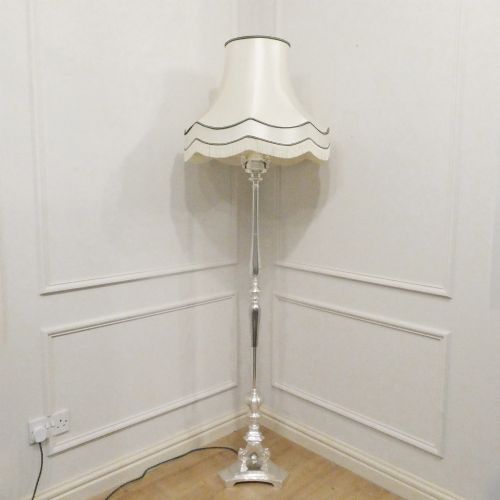
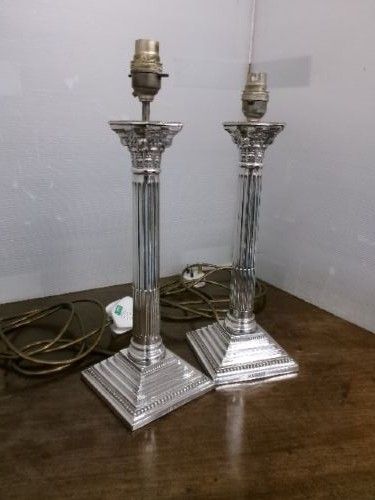
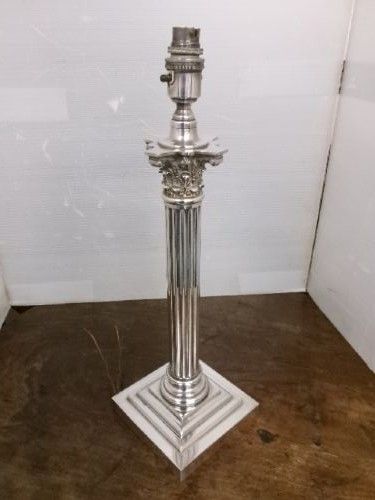
Among these forms, silver plated table lamps and wall lights appear most frequently, often adopting classical columns or geometric modernist shapes. Pairs of candlesticks and multi-arm candelabras adapted for electricity also populate the selection.
Materials and construction methods
Maker workshops utilised base metals such as brass, bronze, and pewter, coating them in silver plate or applying silver gilt layers to achieve a reflective finish. Sheffield plate and standard electroplating techniques formed the basis for many Victorian and Edwardian table lamps and candlesticks.
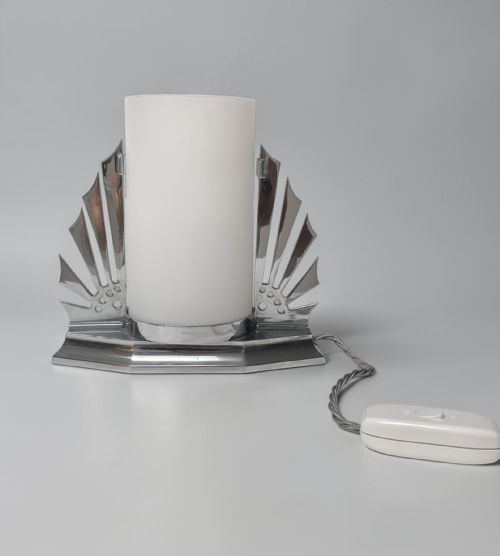
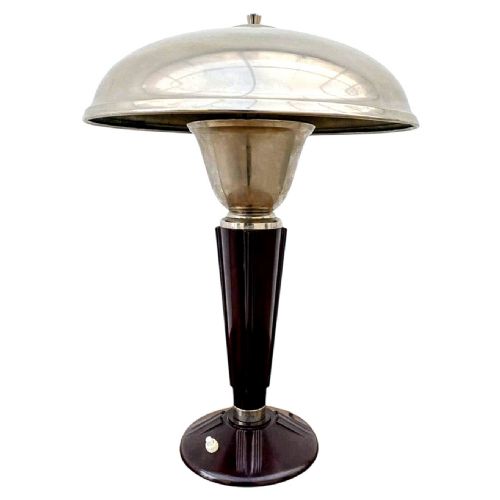
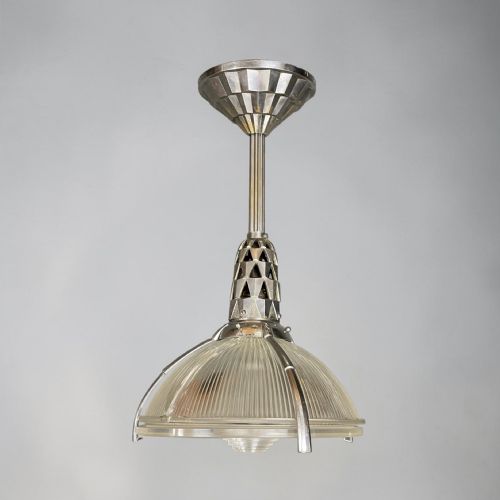
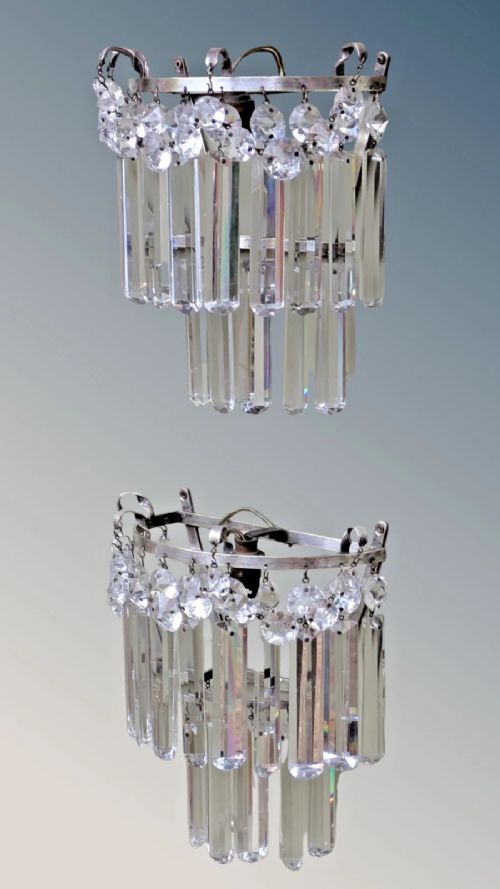
Art Deco and later twentieth century pieces introduced chrome, bakelite, and aluminium alongside glass shades and crystal drops. Chandeliers and wall lights combined cast metal frames with hand blown bullseye glass, cut crystal, and fabric components.
Makers integrated structural elements like Corinthian columns, telescopic shafts, and figural statues into floor lamps and table lighting. Wiring and electrical components were subsequently added to convert traditional candleholders and oil lamps for modern use.
One exceptional desk lamp carries the streamlined geometry of an Alfa Romeo presentation box.
Distinctions in craftsmanship and design
Quality rests upon the weight and purity of the foundational metal, the depth of the silver plating or gilding, and the crispness of cast ornamentation like acanthus leaves or fluting on columns. Superior pieces display hand chased detail and substantial metal thickness rather than thin surface plating over base pot metal.
Design integrity and maker execution separate standard production items from distinguished studio pieces. Items bearing marks from known makers or specific retail houses demonstrate higher standards in proportion, assembly, and decorative restraint.
Eileen Grey·Émile-Jacques Ruhlmann·Mappin & Webb·WMF·Vestaray
The Vintage Silver Lighting Glossary
- Silver Plate
- A thin layer of silver bonded to a base metal such as copper, brass, or nickel silver. Old Sheffield plate involved fusing silver to a copper core.
- Corinthian Column
- An architectural support column with an ornate capital decorated in acanthus leaves. This motif appears frequently on table lamp bases.
- Candelabra
- A multi-branched lighting fixture designed to hold multiple candles or electric bulbs. Many period examples are converted to electricity.
- Giltwood
- Wood that has been coated with a thin layer of gold leaf or silver gilt powder. It provides a decorative frame for wall lights and mirrors.
Vintage Silver Lighting: Frequently Asked Questions
How do I clean tarnished silver plated lamps?
Silver plated lighting requires gentle cleaning with a soft microfibre cloth and a mild silver cream formulated to protect thin plating layers. Avoid harsh chemical dips that strip the remaining silver coating from the underlying brass or copper base.
Test any cleaning product on a small hidden area first, particularly around electrical components or fabric shades. Regular dusting with a dry cloth prevents heavy tarnish buildup without abrasion.
Were these lamps originally electric?
Many Victorian, Edwardian, and nineteenth-century pieces started life as oil lamps, gas fixtures, or traditional candleholders before receiving later electrical conversions. Chandeliers and wall lights from the Art Deco period onwards were largely manufactured specifically for electric bulbs.
Conversions should be inspected by a qualified electrician to ensure modern safety standards are met while preserving the original metal body and sockets.
How do I date a silver plated lamp?
Dating relies on stylistic clues such as Neoclassical revival columns, Victorian rococo scrolls, or Art Deco geometric chrome lines. Maker marks, registry numbers, and construction methods stamped into the metal base also provide clues to the decade of manufacture.
Comparing the wiring style, switch type, and plug configuration offers additional context, though electrical components are frequently updated over time.
Can I use modern bulbs in vintage fixtures?
Modern LED bulbs work well in vintage lighting because they generate less heat, protecting fragile wiring, crystal drops, and old fabric components. Check the maximum wattage guidelines of the lamp holder before installation.
Edison-style LED bulbs replicate the warm glow of early twentieth-century carbon filament bulbs, complementing the aesthetic of period table lamps and wall sconces.