

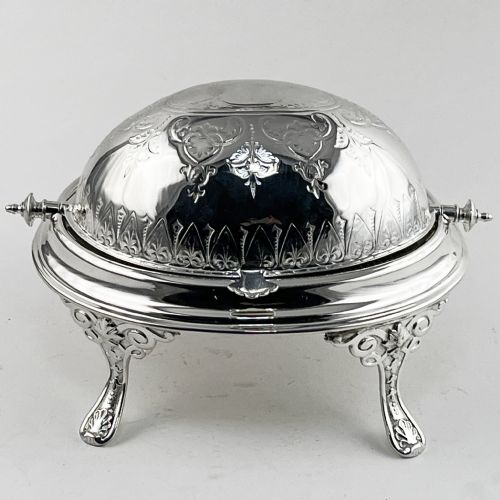


Vintage Silver Lid Dish
A vintage silver lid dish combines polished metal with glass or ceramic, offering a practical way to hold table butter or vanity trinkets.
Vintage Silver Lid Dish
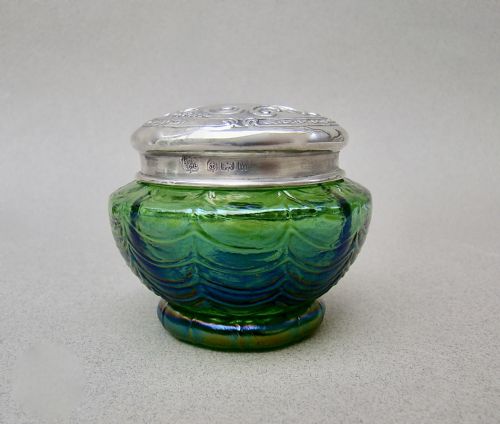
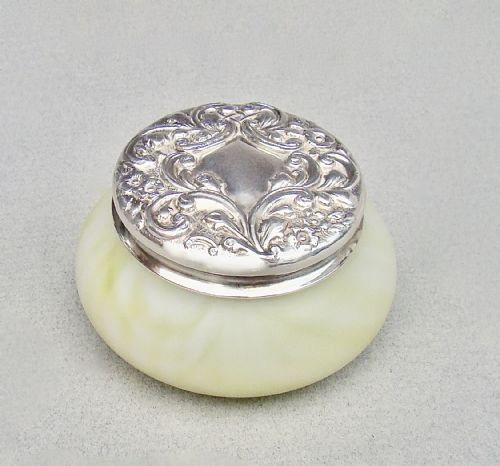
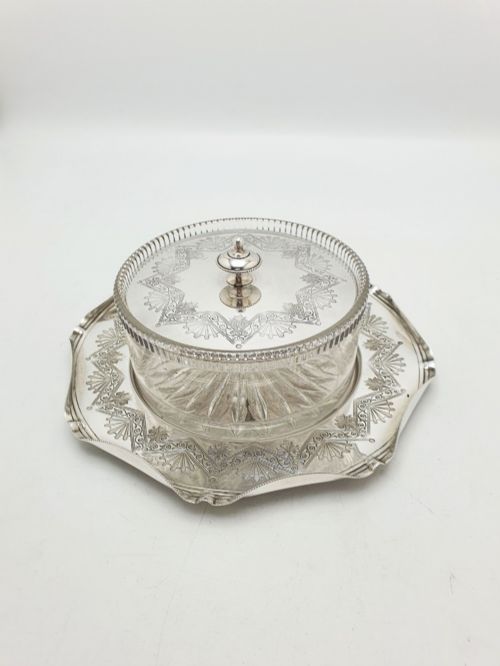
When you search for a vintage silver lid dish, you encounter a varied selection of serveware, trinket boxes, and lidded containers spanning the nineteenth and twentieth centuries. These pieces encompass utilitarian table items like butter dishes and sauce tureens, alongside smaller vanity jars and decorative boxes designed for dressing tables.
The objects originate from multiple decades, including the Edwardian era, the Victorian period, and the Art Deco movement. You will frequently find silver-plated entree dishes and cut glass vessels fitted with heavy metal covers.
Makers from Britain, France, and Austria contributed to this group, employing styles ranging from Regency and Art Nouveau to Austrian Secessionist designs. Every piece serves either a functional dining role or a decorative storage purpose.
Materials and construction
Craftsmen utilised sterling silver, silver plate, Old Sheffield plate, and nickel silver to shape the protective lids and mounts for these items. These metals were often hammered, cast, or rolled onto base metals to provide durability and a bright surface.
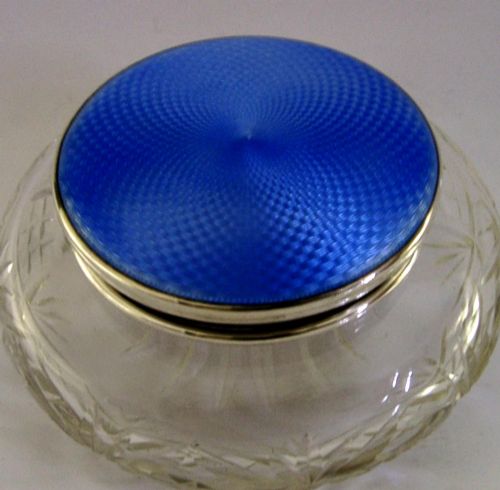
Glass components - such as cut glass, satin glass, cranberry glass, and Kralik glass - were blown, moulded, and wheel-cut to form the main bodies of jars and butter containers. Enamel work was occasionally applied to add colour and decorative detail to the metal lids.
Makers joined the metal rims and glass bodies using secure fittings, sometimes incorporating glass liners inside plated frames to protect perishable contents during dining.
Listings feature items spanning the Georgian period, the nineteenth century, and the early twentieth century, incorporating materials like cut glass, enamel, and silver plate.
Assessing quality in lidded dishes
The weight of the metal and the clarity of the glass establish the baseline standard for each piece. Heavier gauge silver plating and thick, clear cut glass indicate superior manufacture.
Fine detailing, such as crisp chasing on silver mounts, well-executed enamel work, and precise joints between the lid and the base, separate standard production items from workshop pieces created by known designers.
A. J. Pepper & Co·A. Bromet & Co·Hamilton & Inches·Walker and Hall·Matthew Linwood·Christofle·Josef Margold
The Vintage Silver Lid Dish Glossary
- Silver Plate
- A layer of silver fused or electroplated onto a base metal such as copper or nickel. This technique allowed makers to produce durable tableware at a lower cost than solid sterling silver.
- Entree Dish
- A shallow lidded vessel used for serving second-course dishes at the dining table. They are frequently rectangular or oval in shape.
- Tureen
- A deep serving bowl equipped with a lid, used traditionally for soups, sauces, or gravies. Many examples rest on integrated bases or feet.
- Old Sheffield Plate
- An early method of fusing a thin sheet of sterling silver to a copper core before rolling them together into sheets. This process leaves characteristic traces of exposed copper along edges.
- Trinket Box
- A small lidded container intended for storing jewellery, pins, or small personal items on a dressing table. They often combine glass bodies with decorative silver lids.
Vintage Silver Lid Dish: Frequently Asked Questions
How do I clean a silver lid dish?
Use a soft cloth and a gentle silver polish specifically formulated for plated or sterling surfaces. Avoid abrasive pads that can wear away thin silver layers.
Keep moisture away from any glued joints or enclosed glass linings during the cleaning process to preserve the structural integrity of the piece.
Were these dishes used for food?
Many of the larger pieces, including entree dishes, butter dishes, and sauce tureens, were designed specifically for dining and food service. Glass liners inside plated frames held items like butter or preserves safely at the table.
Smaller lidded containers, such as vanity jars and trinket boxes, served cosmetic and personal storage roles rather than culinary functions.
How can I tell an Edwardian piece apart from a Victorian one?
Victorian items often display heavier ornamentation, ornate floral chasing, and robust proportions typical of nineteenth-century manufacturing styles. These pieces frequently utilise Old Sheffield Plate or heavier silver plating.
Edwardian designs tend towards lighter forms, simpler geometric lines, and brighter cut glass bodies reflecting the stylistic shifts of the early twentieth century.
What is Old Sheffield Plate?
Old Sheffield Plate is an early composite material made by fusing silver and copper together through heat and pressure. The resulting sheet metal was then fabricated into tableware.
You can often spot thin lines of copper showing through where the silver has worn down along high-friction edges.