







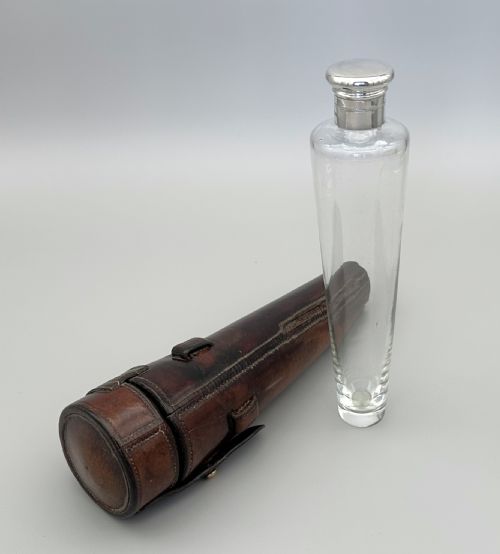

Vintage Silver Hip Flask
When you search for a vintage silver hip flask, you uncover portable spirit containers shaped for the pocket.
Vintage Silver Hip Flask
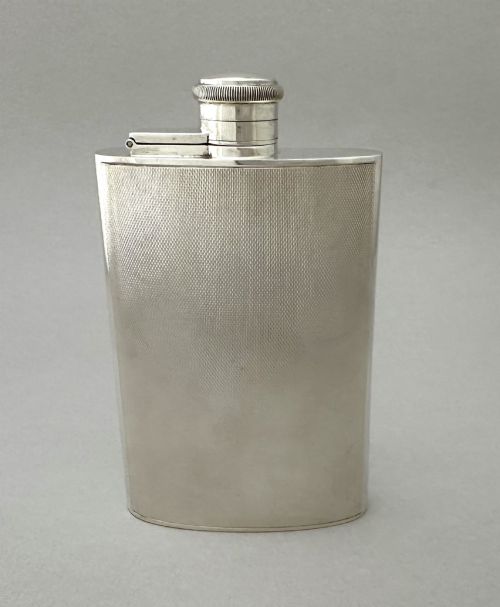
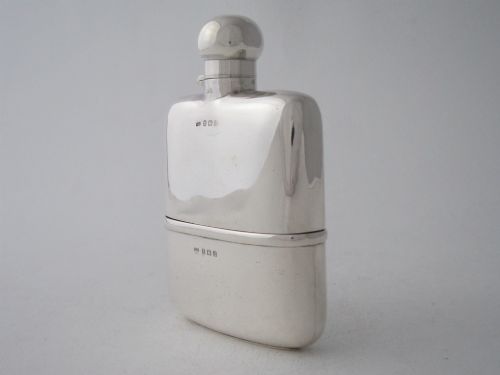
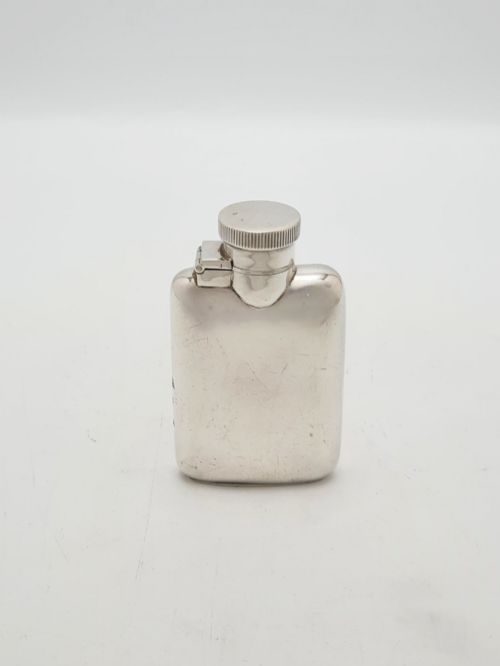
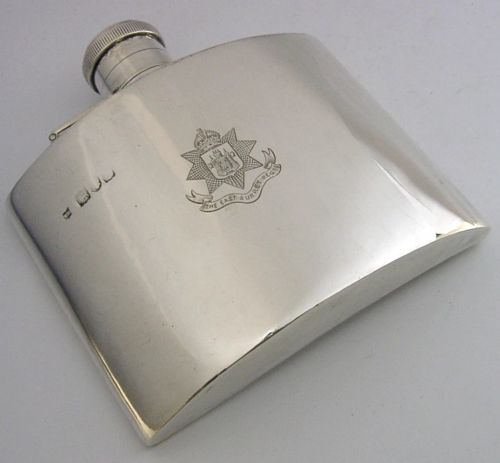
A vintage silver hip flask is a pocket container designed to hold spirits, frequently encountered in curved forms that conform to the body during travel or field sports. The selection ranges from plain sterling silver and silver plate to combinations involving glass, crystal, and leather.
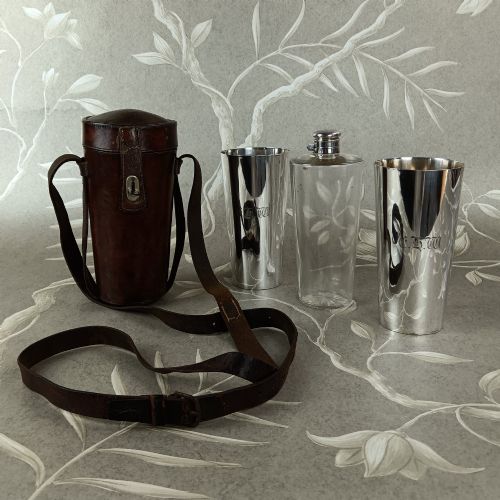
Pieces span the Victorian, Edwardian, and Art Deco periods, encompassing George V eras and the 1940s. Collectors will find hunting styles, campaign spirit sets, and variants equipped with removable cups or flip tops.
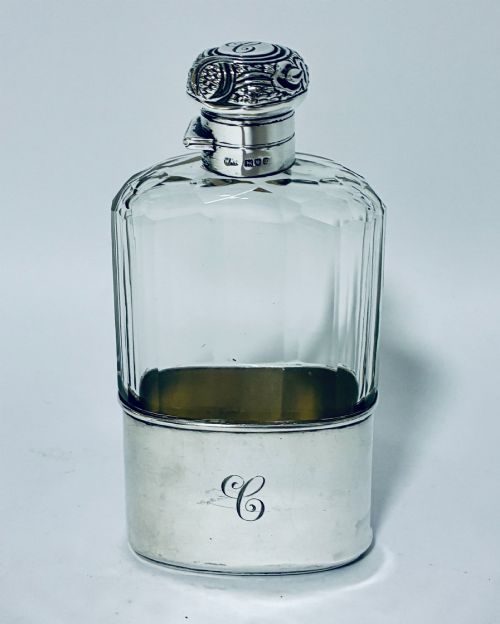
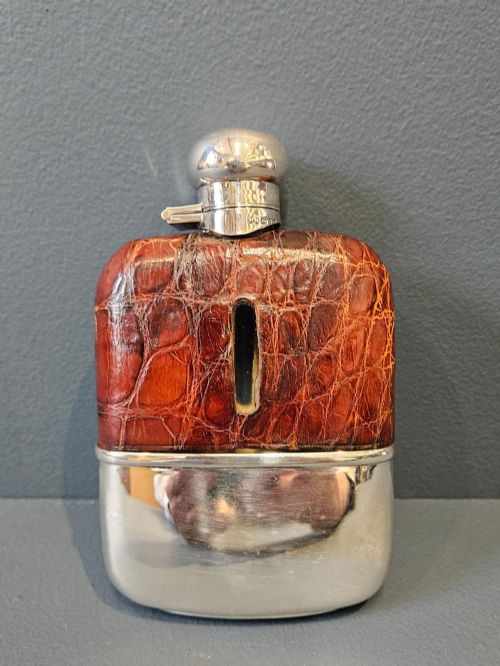
Origins include notable British assay offices such as Birmingham, Sheffield, London, and Chester, alongside continental workshops. Forms alternate between solid metal bodies and cut glass or crystal reservoirs encased in silver mounts and crocodile skin.
Materials and construction
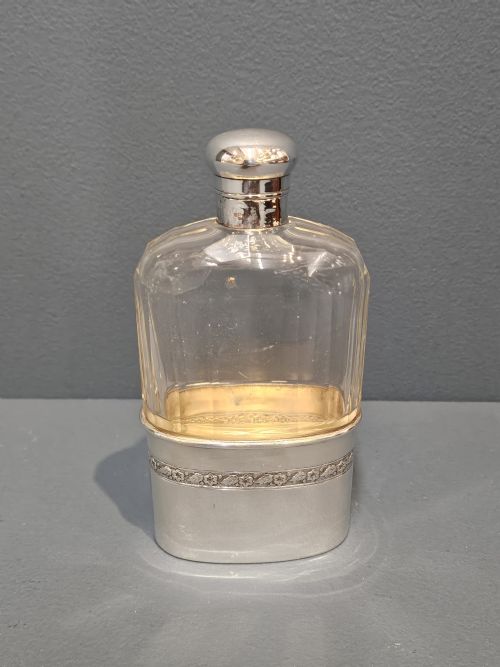
Makers utilised sterling silver and silver plate for the primary bodies, caps, and detachable cups, often applying hammered finishes or floral patterns. Internal gilt linings, known as silver gilt, protected the metal from corrosive spirits.
Glass and cut glass reservoirs provided visibility of contents, securely fitted with silver collars and hinged or screw caps. Organic elements such as crocodile leather, crocodile skin, and tortoiseshell wrapped the central portions of the flasks for secure grip.
Vintage Silver Hip Flask Retail Price Guide 2026
Typical asking prices for vintage silver hip flask among the pieces listed under this phrase on Sellingantiques today, from the lower quarter to the upper quarter. They describe what is for sale here now, not the wider market.
Some Victorian military flasks arrived in the field with secret locking mechanisms to protect the brandy from unauthorised sharing.
Distinctions in quality
Quality rests upon the weight of the metal and the precision of the mechanics, such as the snug fit of a removable cup or the reliable seal of a locking mechanism. Heavy gauge sterling silver bodies and crisp hallmarks denote superior craftsmanship.
The integrity of secondary materials dictates overall merit, visible in the unblemished clarity of cut glass and the careful stitching on leather or crocodile skin wraps. Maker marks from established silversmiths elevate the standing of the piece.
James Dixon & Sons·Hukin & Heath·Asprey London·JB Chatterley & Sons·Mappin & Webb·Stokes & Ireland·Walker & Hall·Arthur & John Zimmerman·William Neale·W A Ellwick Ltd
The Vintage Silver Hip Flask Glossary
- Sterling silver
- An alloy containing 92.5 percent silver by mass, standard for quality British plate and vessels. This metal provides durability and a bright finish.
- Silver plate
- A layer of silver applied to a base metal core, such as copper or brass. This method offered an accessible alternative to solid silver.
- Removable cup
- A base section of the flask that detaches to serve as a drinking vessel. It typically slides off the lower half of the glass or metal body.
- Campaign spirit set
- A portable assemblage containing a flask and matching beakers for field use. These sets were built for military officers and travellers.
- Silver gilt
- Silver covered with a thin layer of gold on the interior surfaces. This treatment prevents the spirituous liquor from tasting of metal.
Vintage Silver Hip Flask: Frequently Asked Questions
What are these flasks made from?
These pieces combine sterling silver or silver plate with glass, crystal, and leather. Many feature crocodile skin wraps and interior gilt linings.
Assay offices marked the metal portions with standard stamps indicating the year and city of testing.
How do removable cups work?
The lower portion of the flask slides out of a friction fit or a locking collar to serve as a small beaker. This allowed the owner to pour a drink without carrying separate glassware.
Such designs were common on hunting and campaign flasks from the Victorian era onward.
How do I date a flask?
Dating relies upon hallmarks stamped into the silver, which record the assay office, date letter, and maker's mark. Stylistic clues like Art Deco geometry or Victorian engraving also help place the item.
Documented eras range from the nineteenth century through the 1940s.
Can I use these flasks today?
Most solid metal and glass flasks remain structurally sound for carrying spirits, provided the seals and caps close tightly. Checking the interior for cleanliness is recommended before use.
Leather-wrapped or antique glass examples require gentle handling and hand washing.