
Vintage Silver Easel Frame
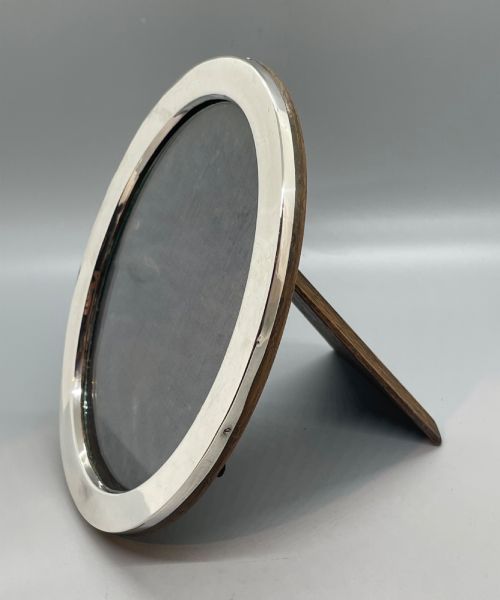
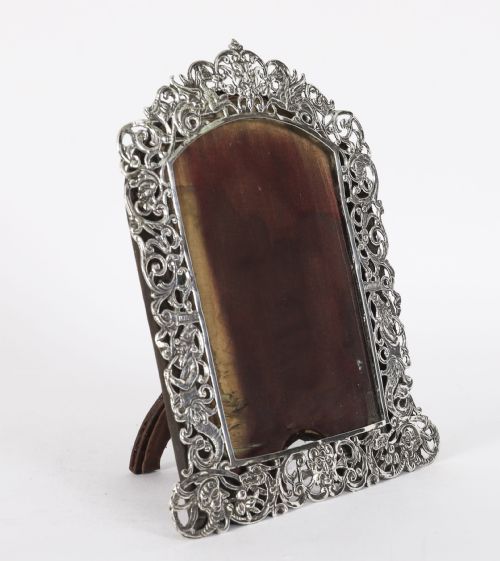
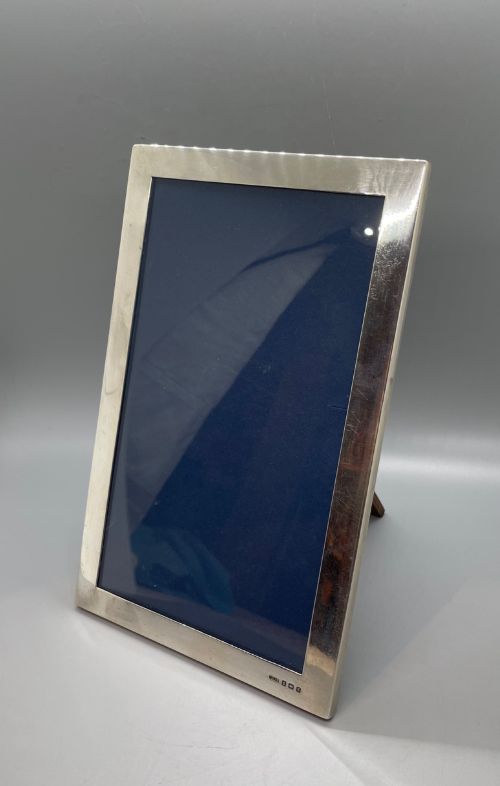
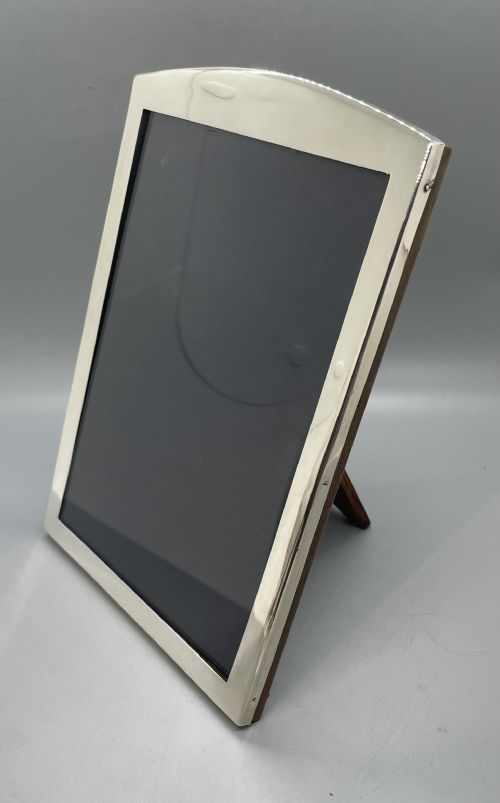
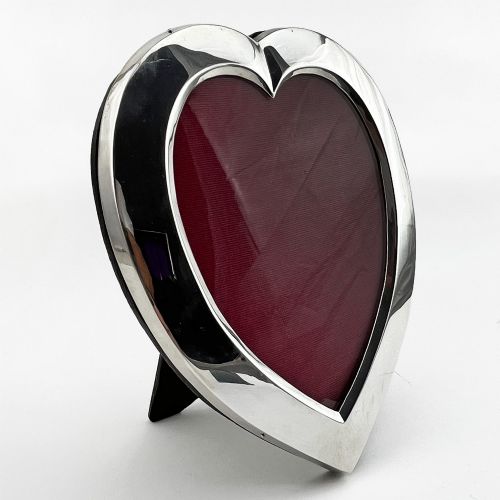
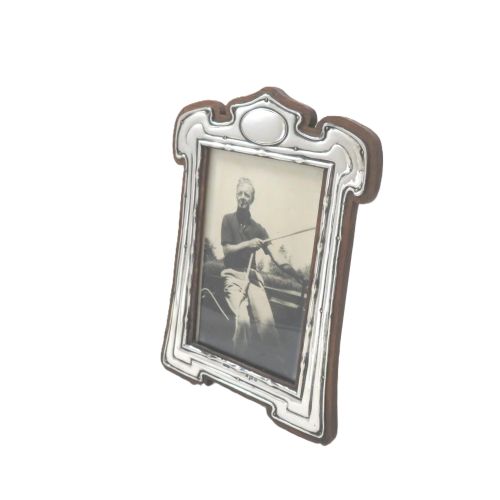
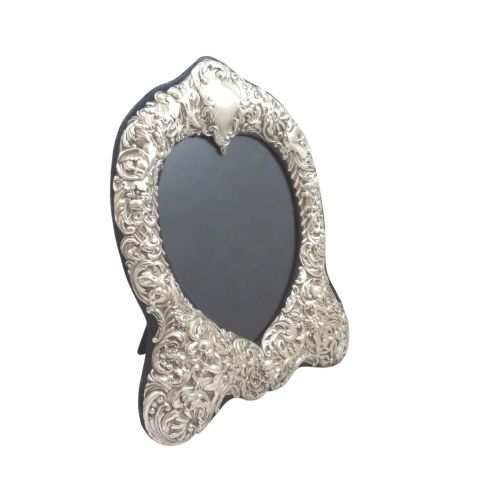
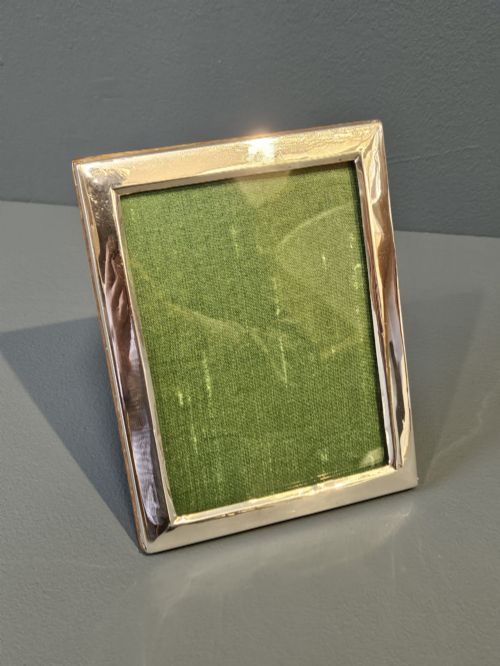
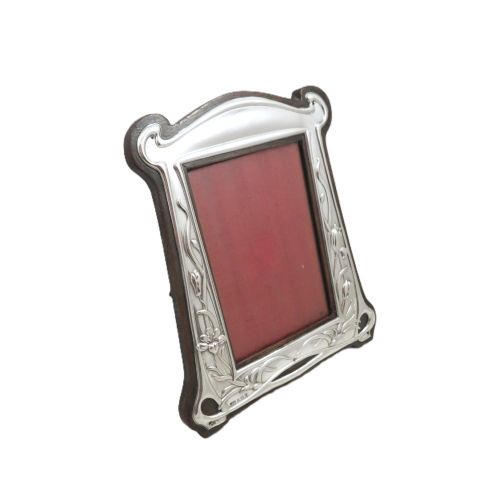
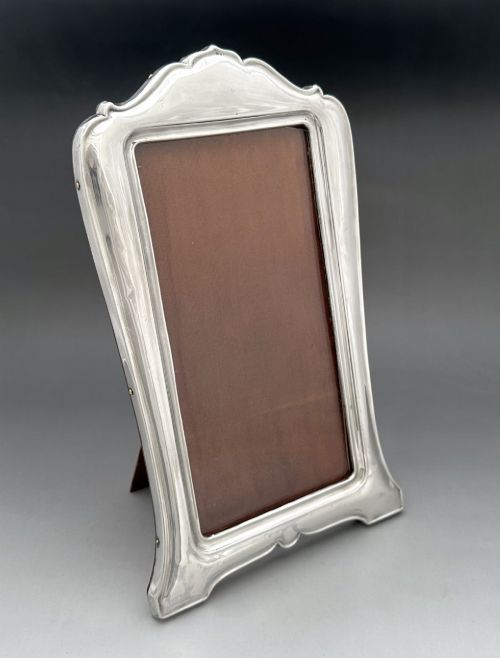
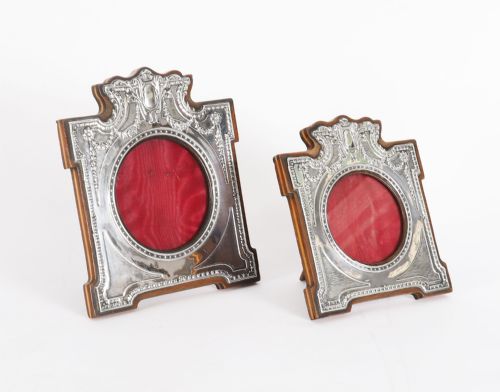
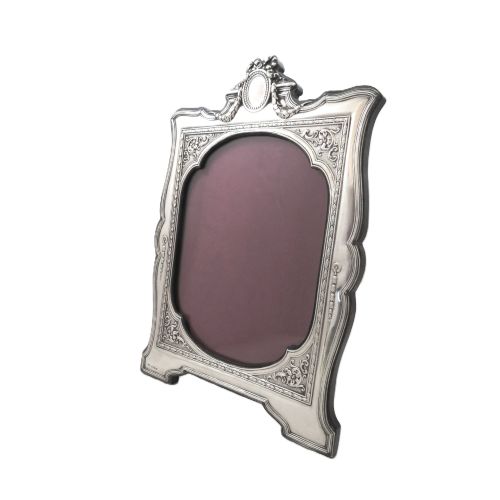
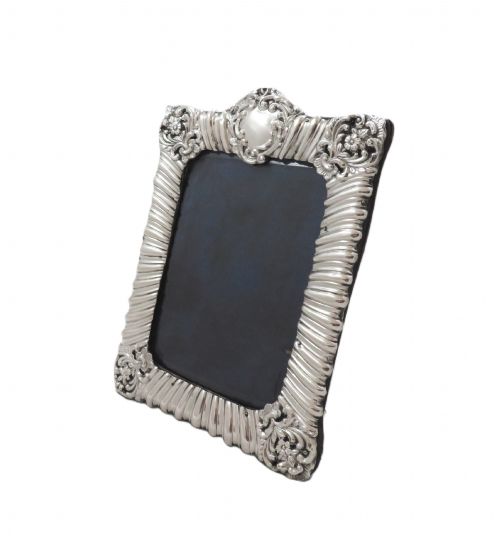
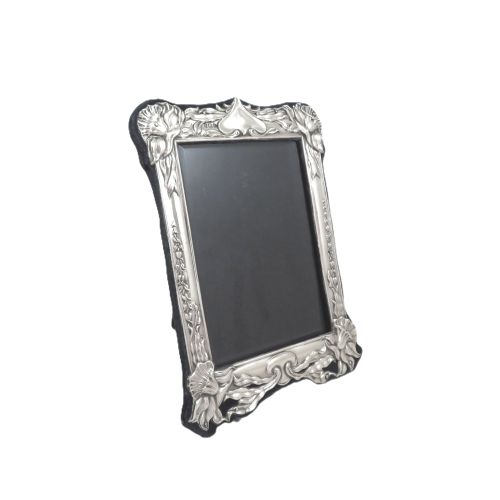
A vintage silver easel frame holds a treasured photograph upright on a tabletop using a hinged strut.
Vintage Silver Easel Frame
When searching for a vintage silver easel frame, buyers encounter portable desk accessories designed to display portraits and landscape photographs. These objects primarily originate from the Victorian, Edwardian, and George V periods, extending into the mid-twentieth century with Italian examples.
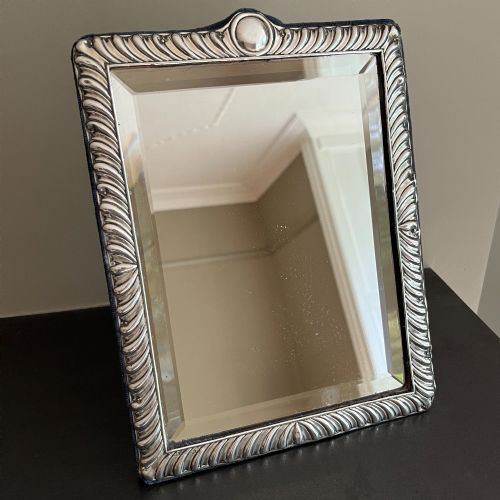
The most common formats on this page are rectangular, oval, and heart-shaped picture frames alongside tabletop mirrors. They serve as functional interior ornaments intended for dressing tables, desks, and mantelpieces.
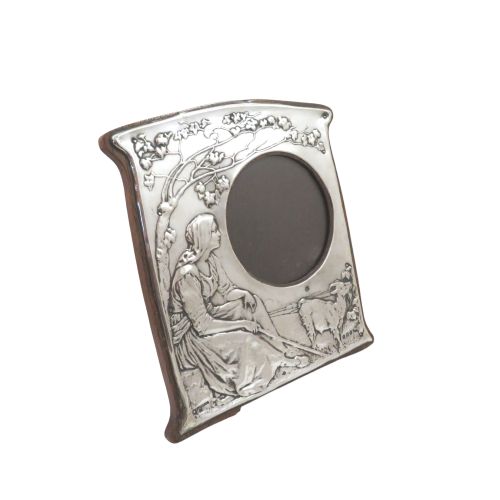
Origins range widely from English assay offices in Birmingham, Chester, and London to continental workshops. Pieces frequently incorporate decorative motifs such as ribbons, bows, buckles, and figurative elements like the girl with a goat.
Materials and construction methods
Construction relies heavily upon sterling silver or solid silver mounts fronting structural wooden or fabric components. Backings typically consist of timber, such as wood, paired with supporting easel struts.
Interiors and structural supports utilise textile linings including velvet or fabric alongside glass, mirror glass, and protective enamel. Many pieces employ leather backings to secure the internal panel holding the photograph or mirror glass.
Listings span from the late Victorian era through the Edwardian period and George V reign into mid-century Italian production, utilising sterling silver, wood, glass, velvet, and enamel.
Distinctions in quality and execution
Quality depends upon the depth and clarity of the silversmith's metalwork, particularly in embossed styles, Art Nouveau whiplash lines, and Art Deco geometric borders. Substantial gauge metal and crisp hallmarks from recognised makers elevate an object above standard production pieces.
The integrity of the original backing mechanism and support strut dictates structural merit. Intact velvet or leather linings and undamaged mirror glass or picture glass reflect superior preservation of domestic furnishings.
Rosenthal Jacob And Co·William Comyns·Mappin Bros·Henry Matthews·WMF·Deakin And Francis
The Vintage Silver Easel Frame Glossary
- Easel back
- A hinged folding leg attached to the reverse of a frame to allow upright display on a flat surface.
- Strut mirror
- A portable mirror fitted with an integrated rear support leg for tabletop placement.
- Sterling silver
- An alloy of silver containing ninety-two point five percent pure silver and seven point five percent other metals, typically copper.
- Assay office
- An official body that tests the purity of precious metals and stamps items with hallmarks indicating origin and standard.
Vintage Silver Easel Frame: Frequently Asked Questions
What is an easel back?
An easel back is a hinged wooden or metal prop attached to the rear of a picture frame or mirror. It swings outward to support the object at an angle on horizontal surfaces.
This structural feature allows portable frames and table mirrors to stand securely without wall fixings.
How do I change the photograph?
Most frames utilise a removable wooden backboard held in place by small metal turn-buttons or pins. Lifting these fasteners allows the protective glass and backing to slide out.
Insert your photograph behind the glass, replace the backing board, and secure the fasteners to complete the process.
Are these frames made of solid silver?
The listings feature solid sterling silver mounts alongside standard silver and silver-plated options. Maker marks and assay office hallmarks stamped into the metal verify the specific silver standard.
Backing panels are typically constructed from wood or fabric rather than solid precious metal.
How do I clean silver frames?
Cleaning requires a soft microfibre cloth and a specialised silver polish formulated to remove tarnish without scratching the metal surface. Care must be taken to avoid applying liquid polish directly onto fabric backings, leather, or glass.
Gentle buffing restores the reflective shine of Edwardian and Victorian silver mounts.