




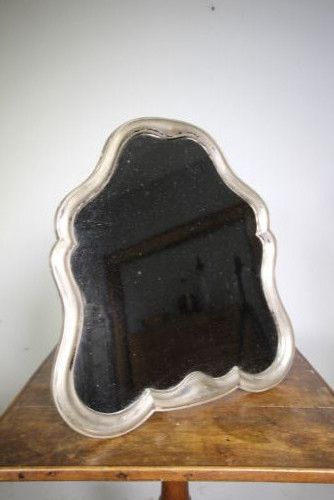
Vintage Silver Dressing Glass
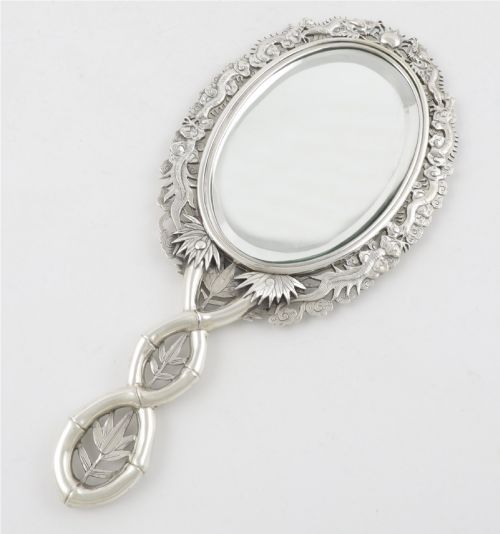
Vintage silver dressing glass items combine polished precious metal mounts with weighty cut vessels intended for daily vanity use on a dressing table.
Vintage Silver Dressing Glass
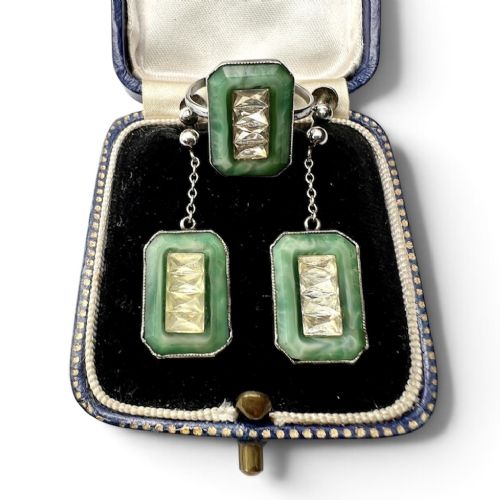
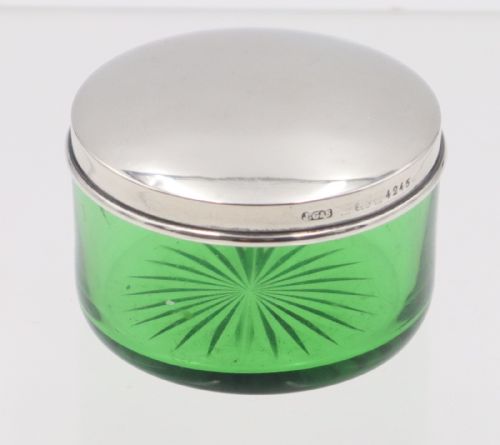
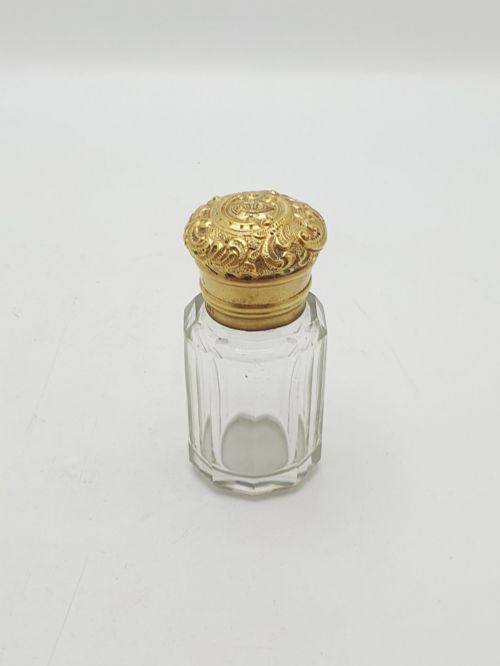
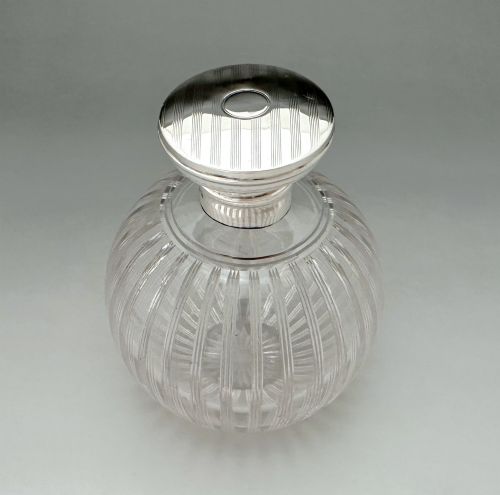
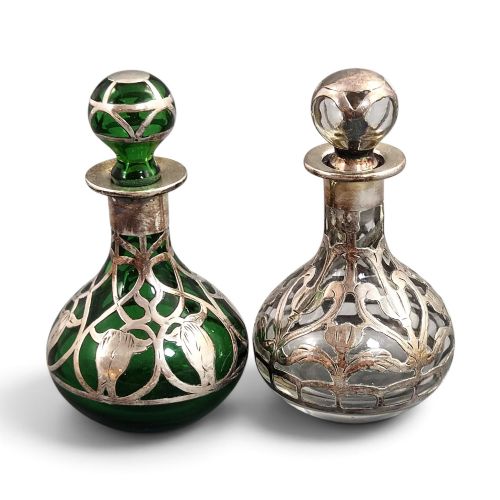
A vintage silver dressing glass piece typically takes the form of a scent bottle, perfume decanter, trinket box or vanity jar incorporating glass and silver elements. These objects emerge from periods spanning the Victorian era, Edwardian years, and the Art Deco decades of the twentieth century.
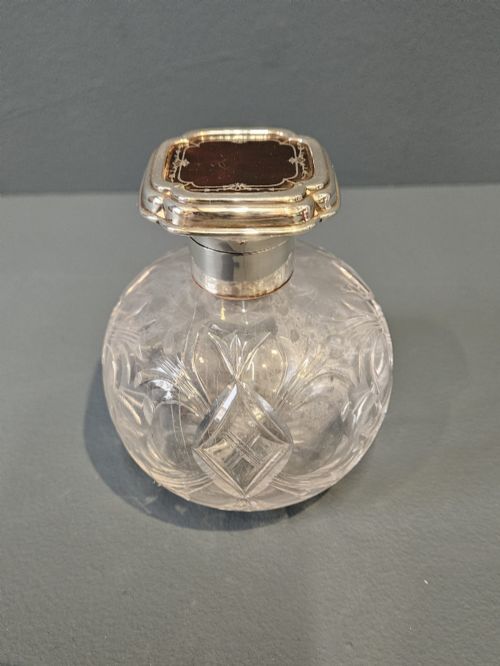
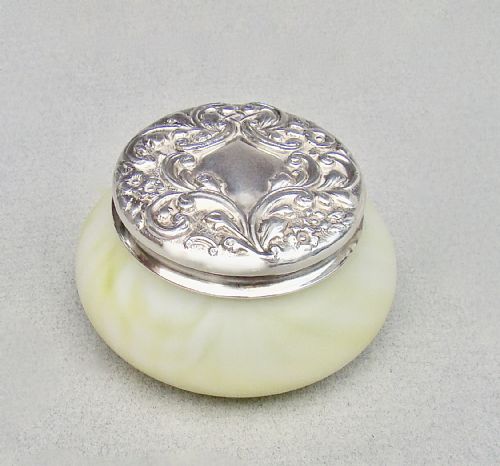
Buyers will most frequently encounter compact vessels featuring heavy cut glass bodies surmounted by hallmarked silver collars, screw lids or hinged covers. Forms range from travelling cologne bottles and small powder jars to larger vanity ensembles created for boudoir use.
Materials and technique
The construction relies on the union of sterling silver or silver plate with blown, moulded or deeply cut glass vessels. Silversmiths shaped collars and lids to fit irregular glass necks, often adding intricate repoussé decoration, engine-turned patterns or translucent guilloché enamel.
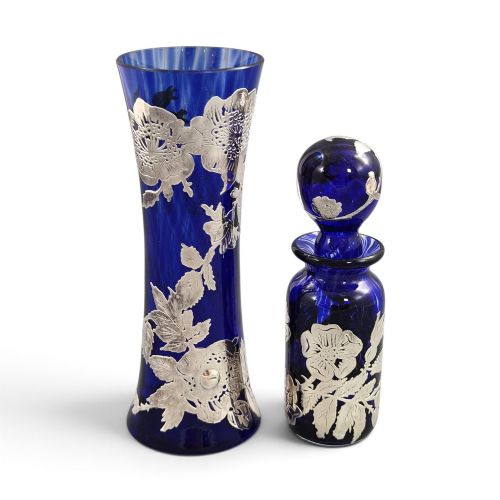
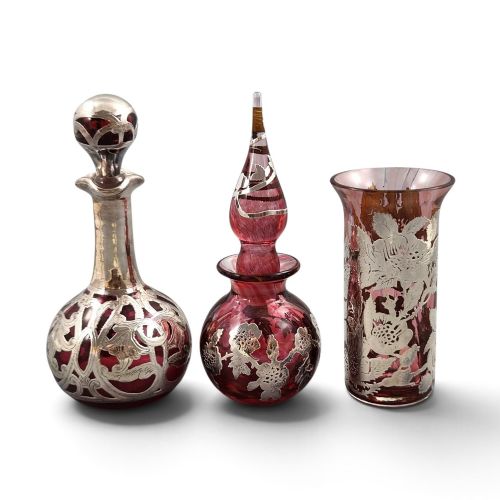
Many examples incorporate contrasting organic materials such as tortoiseshell or carved wood beneath silver piqué work or mounts. Glass bodies vary from clear cut crystal to coloured satin glass, cranberry glass, and flashed overlay designs.
Vintage Silver Dressing Glass Retail Price Guide 2026
Typical asking prices for vintage silver dressing glass among the pieces listed under this phrase on Sellingantiques today, from the lower quarter to the upper quarter. They describe what is for sale here now, not the wider market.
Some dressing table sets include novelty scent bottles shaped like walking cane handles or tiny birds, adding a touch of Victorian whimsy to the boudoir.
Assessing the work
Quality rests upon the crispness of the silversmith's chasing, the precision of the glass cutting, and the integrity of any applied enamel. Superior pieces display unblemished guilloché patterns and tight-fitting hinged lids that seal correctly without play.
The weight of the glass body and the thickness of the silver mount distinguish finer workshops from mass-produced items. Intricate additions like layered tortoiseshell or delicate glass overlays elevate the execution of a piece.
A. J. Pepper & Co·A. Bromet & Co·Gorham·Henry Clifford Davis·Crisford & Norris·Henry Perkins·Karl Palda
The Vintage Silver Dressing Glass Glossary
- Guilloché
- A decorative technique where a precise, intricate geometric pattern is mechanically engraved into a metal surface under translucent enamel. This method was widely utilised during the Art Deco period.
- Sterling silver
- An alloy consisting of silver and other metals, usually copper, containing 92.5 percent pure silver by mass. This standard is marked by traditional hallmarks on British wares.
- Piqué
- The decorative art of inlaying tiny pins of gold or silver into a dark organic material such as tortoiseshell. It appears frequently on vanity boxes and bottle caps.
- Cranberry glass
- A rich red glass produced by adding gold chloride to the molten metal batch during manufacture. It was a popular choice for Victorian and Edwardian scent bottles.
Vintage Silver Dressing Glass: Frequently Asked Questions
How do I clean the silver mounts safely?
Use a soft microfibre cloth and a gentle, non-abrasive silver polish applied sparingly to the metal. Take care to avoid getting liquid polish into porous materials like tortoiseshell or onto fragile enamel surfaces.
Keep cleaning solutions away from the interior of glass bottles where residue can become trapped against cork or glass stoppers.
How can I date a piece of vintage dressing glass?
British silver mounts usually feature hallmarks that indicate the assay office, the maker's mark, and a date letter corresponding to the exact year of production. Style markers such as Edwardian garlands or Art Deco geometric enamel also point toward specific decades.
Glass manufacturing techniques and colours can offer further clues, though the silver hallmarks remain the most reliable guide to age.
How were these pieces used originally?
Owners kept perfumes, powders, pins, and small jewellery inside these vessels on bedroom dressing tables. Scent bottles often travelled inside fitted leather cases or dressing bags for journeys.
Matching sets formed coordinated displays known as vanity ensembles, reflecting the grooming rituals of the period.