



Vintage Silver Dining Cutlery
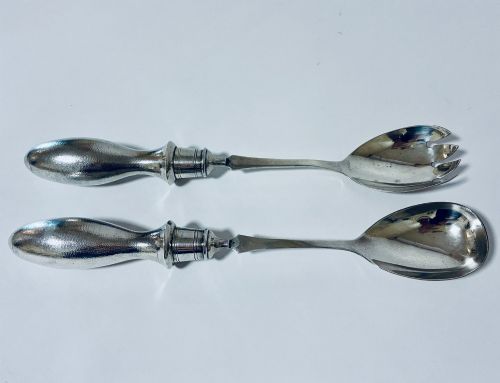
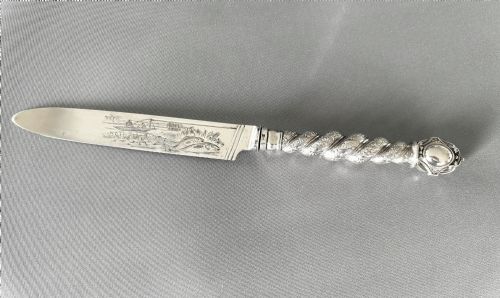
These vintage silver dining cutlery pieces bring refined historical weight to the table, offering everything from cased sets to specialised serving tools.
Vintage Silver Dining Cutlery
When buyers search for vintage silver dining cutlery, they encounter a diverse range of implements designed for formal dining, from complete cased canteens to specialised serving tools. The selection spans distinct eras including the Victorian, Edwardian, and Art Deco periods, alongside mid-century pieces.
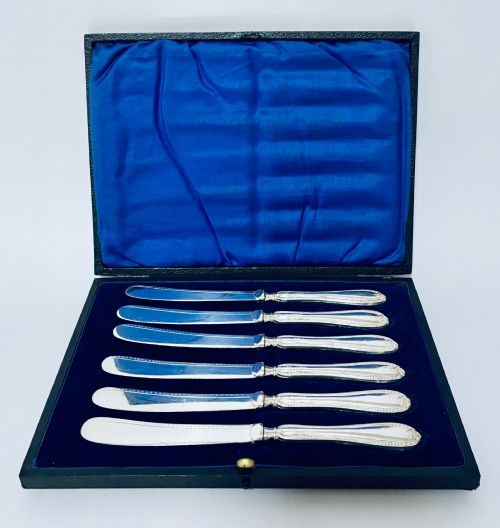
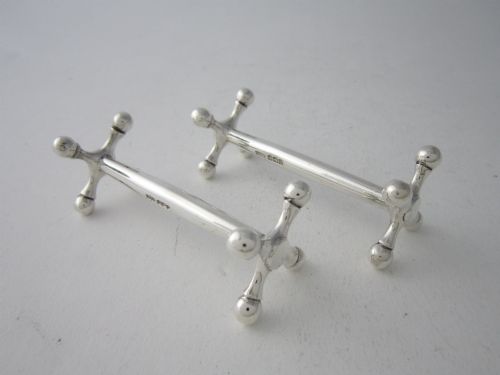
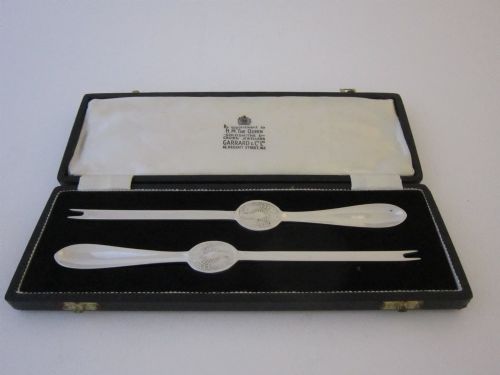
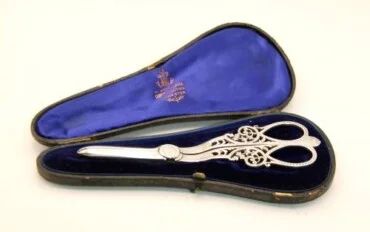
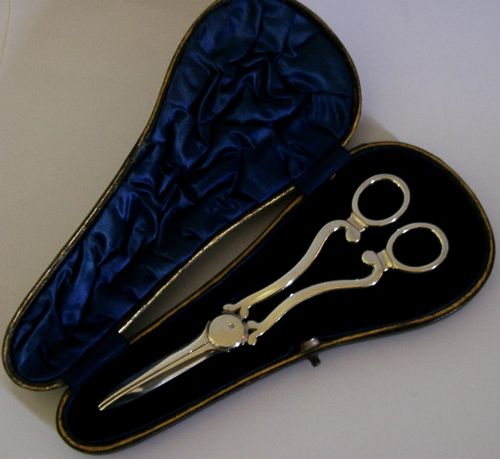
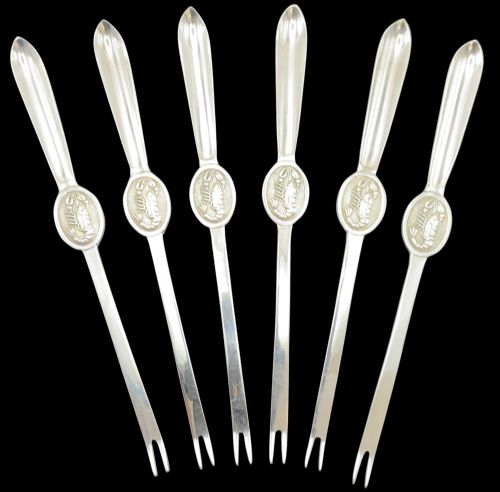
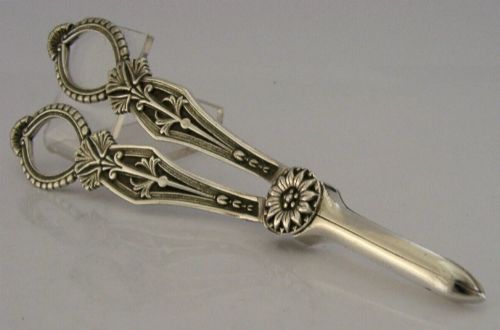
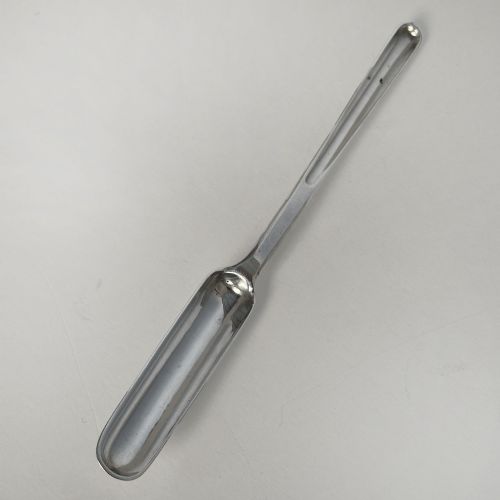
The assortment includes everyday items such as butter knives alongside specialised dining utensils like grape scissors, marrow scoops, lobster picks, and knife rests. Many pieces survive in fitted presentation cases lined with materials like velvet or silk, preserving them for contemporary dining use.
Originating predominantly from British workshops and makers, these items reflect changing dining habits across the nineteenth and twentieth centuries. Buyers are most likely to meet silver-plated or sterling silver implementations, often paired with handles of mother of pearl, horn, or antler.
Materials and construction methods
The pieces rely heavily on sterling silver and silver plate over base metals, combined with functional steel for cutting edges in items like fish servers and knives. Solid casting and heavy gauge silver plating provide durability for items subject to regular handling.
Handles introduce organic textures through the use of mother of pearl, horn, and antler, secured to metal shafts with pins. Presentation and storage involve fitted boxes lined with velvet, leatherette, and silk to protect the polished surfaces.
Vintage Silver Dining Cutlery Retail Price Guide 2026
Typical asking prices for vintage silver dining cutlery among the pieces listed under this phrase on Sellingantiques today, from the lower quarter to the upper quarter. They describe what is for sale here now, not the wider market.
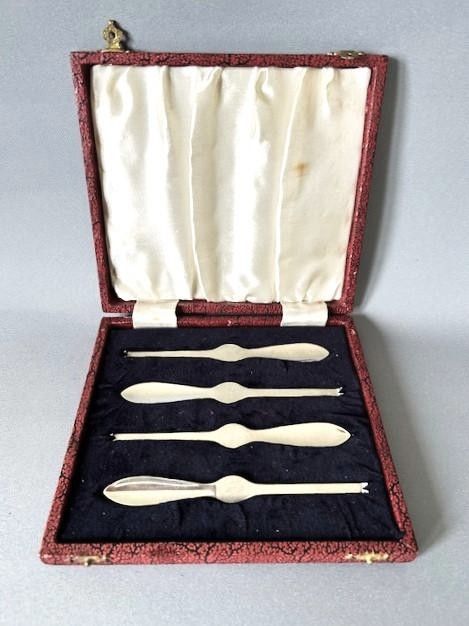
Dining tables of the past required specialised implements for every conceivable delicacy, including tiny picks specifically designated for individual crustaceans.
Factors determining quality
Superior examples demonstrate crisp casting and deep engraving, particularly on specialised items like cast grape scissors and pictorial knife rests. The weight of the metal gauge dictates the sturdiness of servers, marrow scoops, and flatware sets.
The integrity of the original presentation case, complete with intact fabric linings such as velvet or silk, elevates the standing of cased sets and boxed picks. Maker marks and clear hallmarks also contribute significantly to the standing of sterling silver pieces.
Garrard·Jonathan Hayne·Christofle·Reilly & Storer·C.J. Vander
The Vintage Silver Dining Cutlery Glossary
- Sterling silver
- A silver alloy containing 92.5 percent pure silver by mass, standard for high-quality British tablewares. It carries hallmarks indicating the assay office, maker, and date.
- Silver plate
- A layer of silver applied to a base metal core, common in nineteenth and twentieth-century dining wares. It offers the appearance of solid silver at a different weight.
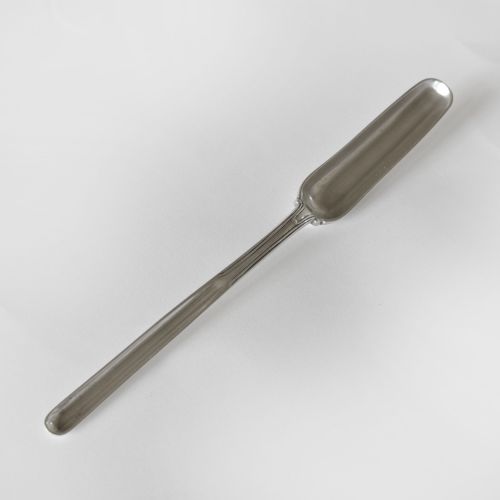
- Marrow scoop
- A narrow, elongated utensil with shallow troughs at each end, designed for extracting bone marrow. Victorian and Georgian examples often double as serving implements.
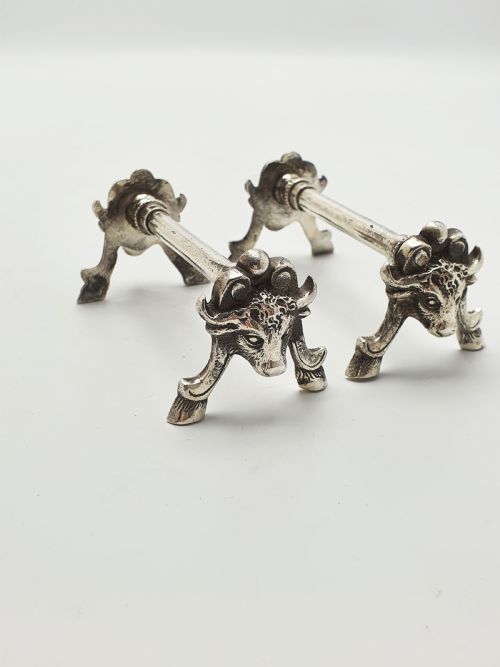
- Knife rest
- A small support used to keep carving or dining knives elevated above the tablecloth between courses. They appear in silver, silver plate, cut glass, and cast metal forms.
- Canteen
- A fitted box or chest containing a coordinated set of flatware and cutlery for multiple diners. Art Deco and earlier examples often comprise dozens of individual pieces.
Vintage Silver Dining Cutlery: Frequently Asked Questions
What is the difference between sterling silver and silver plate?
Sterling silver is a solid precious metal alloy containing 92.5 percent silver, marked with official assay office hallmarks.
Silver plate consists of a thin layer of silver bonded to a base metal substructure, offering a similar polished appearance.
How were marrow scoops used at the dining table?
Marrow scoops were utilised during formal meals to extract marrow from roasted bones. Their double-ended design accommodated different bone sizes.
They evolved into prized collector items due to their sleek, functional nineteenth-century forms.
Why use knife rests during a formal meal?
Knife rests kept greasy or stained blades elevated off fine tablecloths between courses. They sat beside each setting in pairs.
Victorian and Edwardian hosts used designs ranging from simple silver bars to cast animals like lions and bull heads.
How should I care for silver cutlery and serving pieces?
Wash silver items by hand in warm soapy water and dry them immediately with a soft cloth. Avoid abrasive cleaners that wear down silver plating.
Store pieces in tarnish-resistant cloth or their original fitted cases lined with velvet or silk.
Are cased cutlery sets complete with all original pieces?
Cased sets often retain their full complement of matching implements, such as fish servers or fruit knives, inside fitted presentation boxes. Checking the specific item counts and slot layouts reveals if any tools are missing.
The presence of the original leatherette or velvet-lined box generally preserves the set's historical context.