
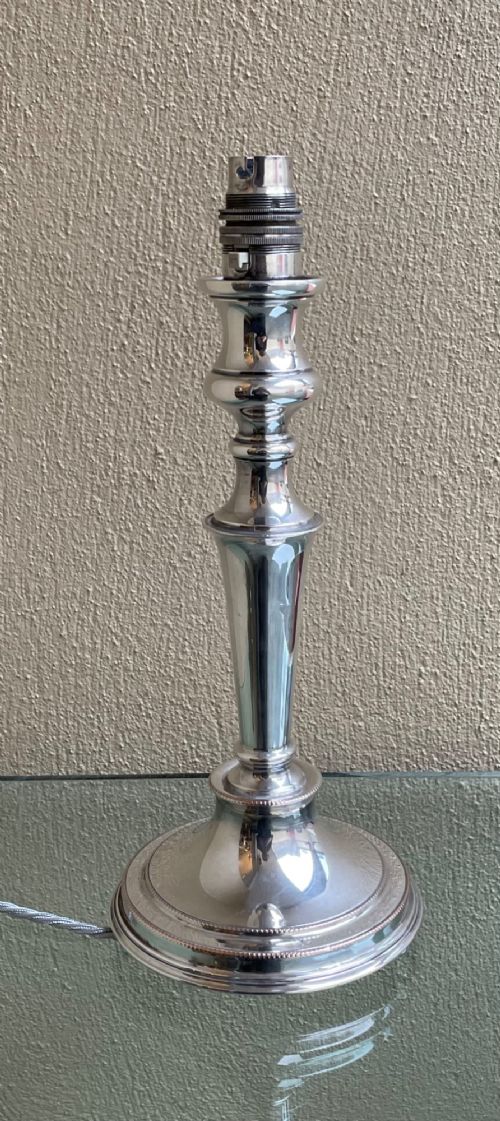
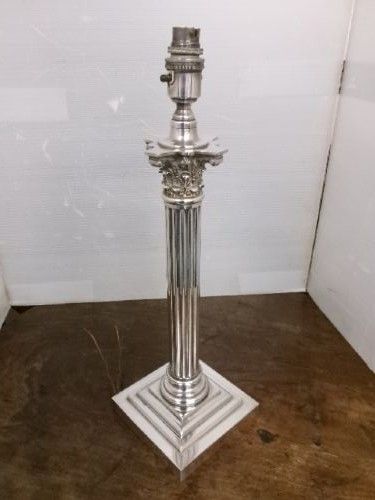
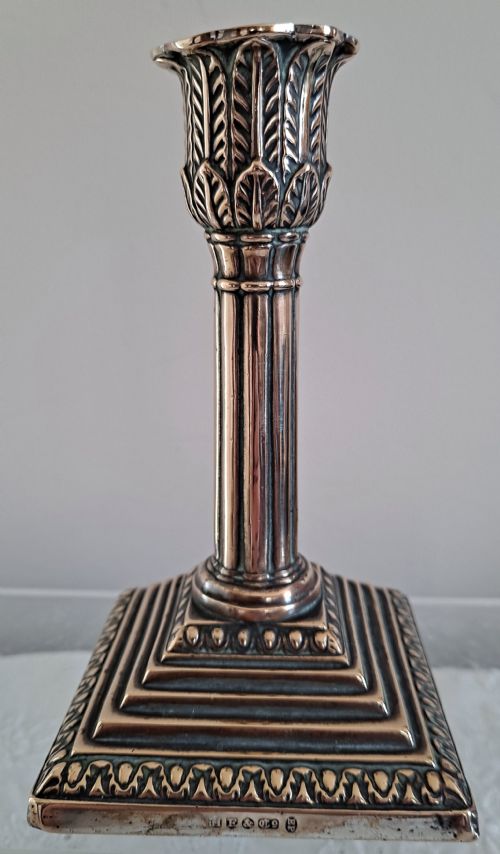
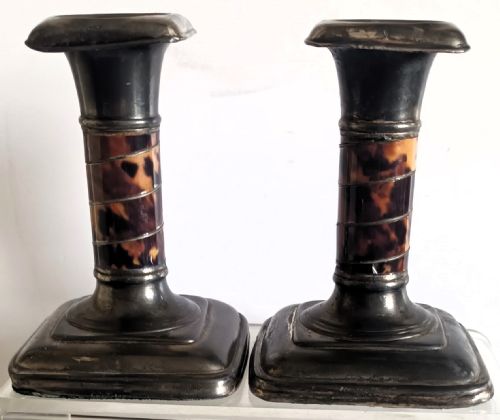
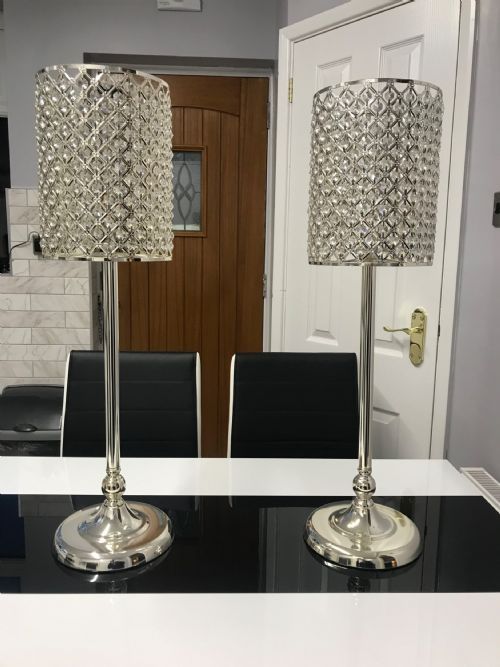
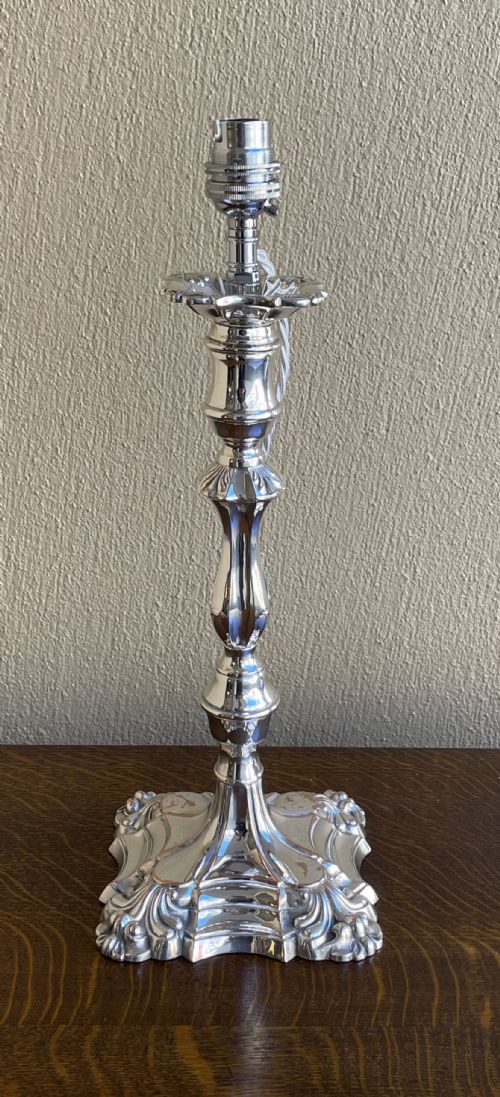


Vintage Silver Desk Candlestick
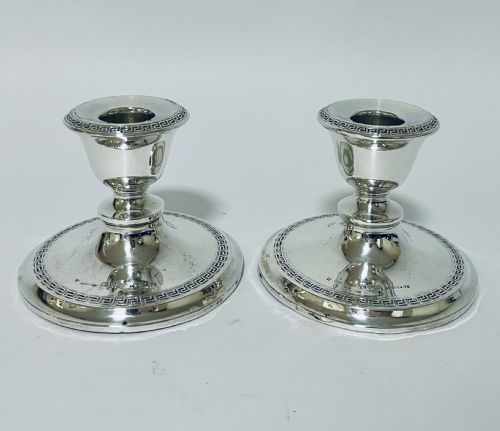
These vintage silver desk candlesticks offer compact illumination and period character for a workspace, combining practical utility with refined metalwork.
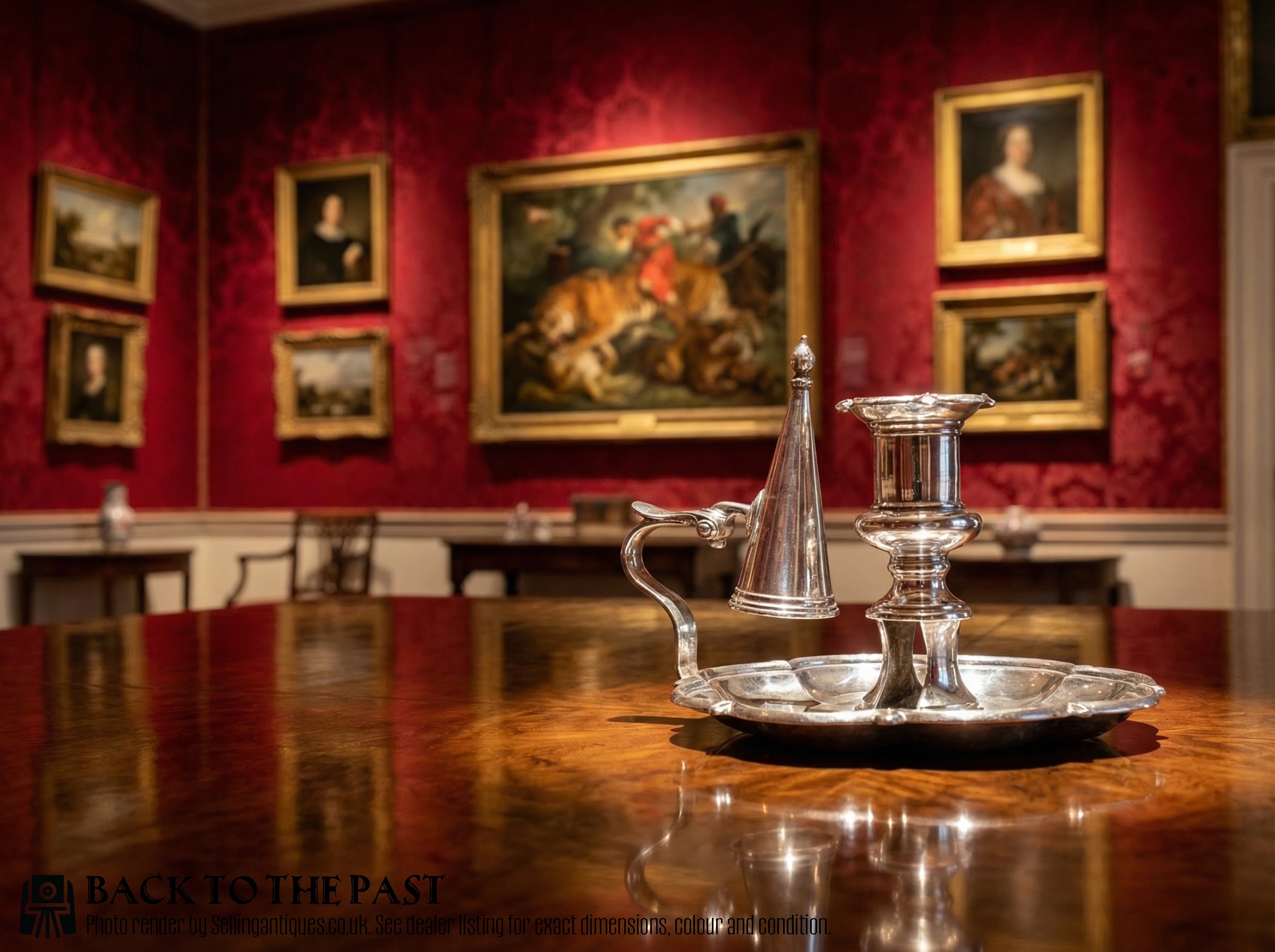
Vintage Silver Desk Candlestick
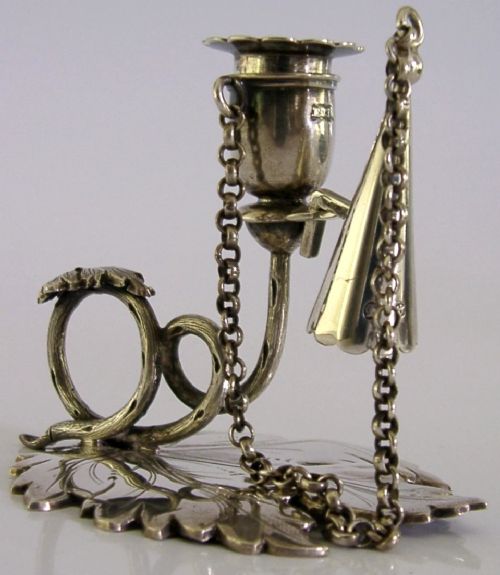
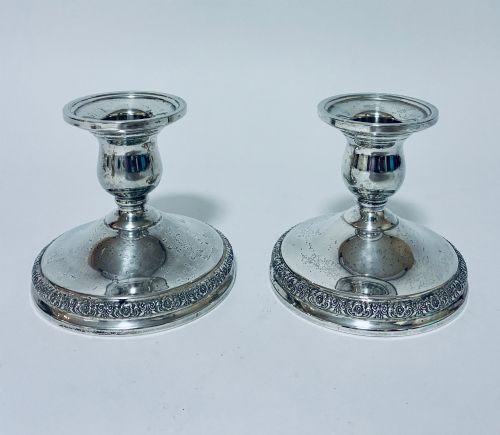
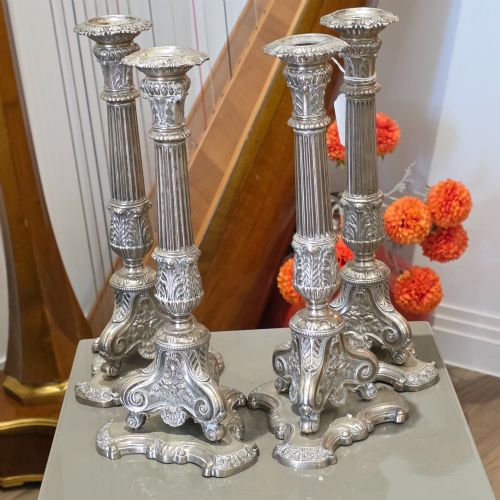
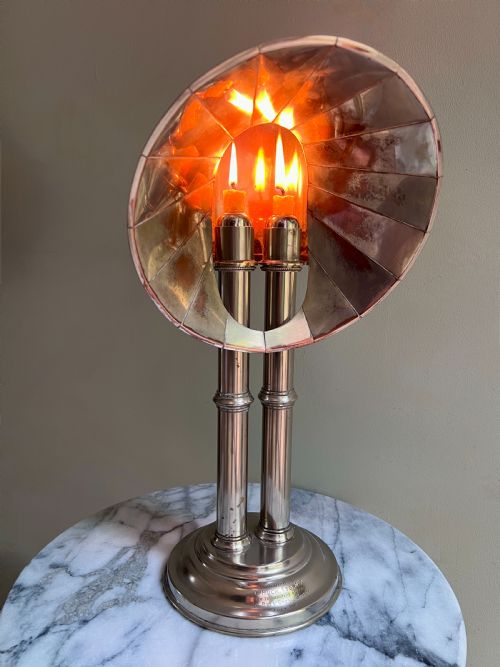
When you search for a vintage silver desk candlestick, you encounter functional lighting pieces designed for workspaces and surfaces. These objects appear in forms ranging from traditional single holders to reflector lamps and multi-piece desk sets. The selection spans the nineteenth century through the Edwardian period, George V era, and into twentieth-century iterations.
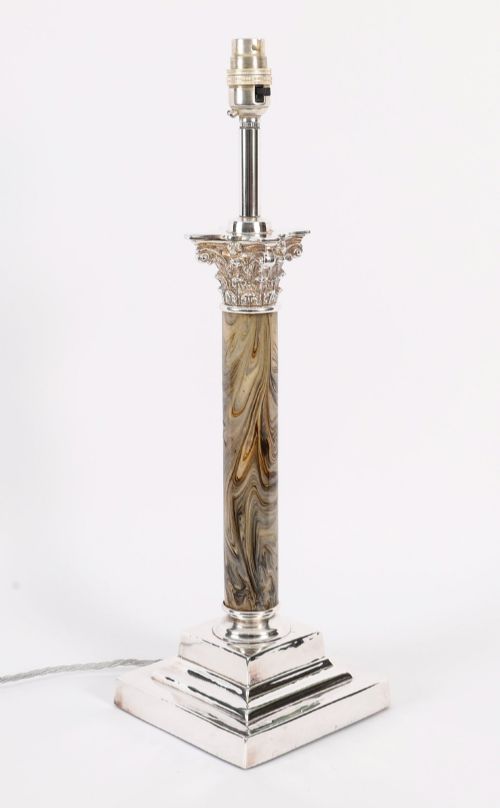
The majority of pieces meeting this description utilise silver plate over base metals, alongside sterling silver and nickel-plated variations. Stylistic influences draw heavily on Victorian tastes, Edwardian refinement, and neoclassical revival motifs such as Corinthian columns. Makers and origins stretch across English, German, and French workshops.
Materials and construction methods
Construction relies primarily on silver plate and sterling silver applied to supportive cores of base metal, brass, or pewter. Many examples incorporate secondary materials like horn, tortoiseshell, crystal, walnut, and fabric to enrich the design.
Techniques range from column casting and plating to specialised components like telescopic mechanisms, reflector shields, and stamped maker signatures. Ecclesiastical and domestic pieces alike demonstrate detailed chasing, engraving, and structural assembly typical of their respective periods.
Several travel-friendly reading lamps from the collection pack down neatly, proving that Victorians took their bedtime reading habits very seriously indeed.
Factors of distinction
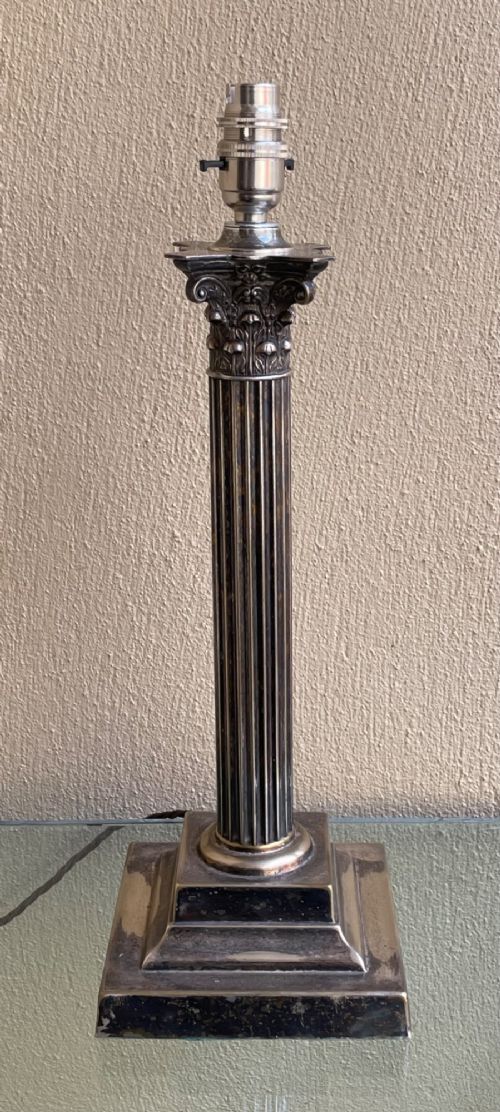
The distinction between standard utility items and superior examples lies in the crispness of the metalwork detail, such as the fluting on Corinthian columns or the precision of cast lion paw feet. Heavier gauge silver plating and substantial structural weight elevate the physical presence of the piece.
Provenance and maker attribution contribute significantly to the standing of an item, particularly when accompanied by clear hallmarks, stamps from recognised workshops, or documented inscriptions and dates. The integration of unusual secondary materials like tortoiseshell or horn further separates standard production from exceptional work.
Conrad Eduard Mappe·Marson and Jones·Harrison Brothers and Howson·Veritas Lamp Works·Walter Latham and Son·Barker Ellis·Palmer and Co
The Vintage Silver Desk Candlestick Glossary
- Silver plate
- A layer of silver bonded to a base metal core such as copper or brass. This technique allowed makers to produce substantial domestic objects at a lower cost than solid sterling silver.
- EPNS
- Electroplated nickel silver. A common base metal alloy of copper, nickel, and zinc coated with silver via an electrolytic process.
- Corinthian column
- A classical architectural order featuring ornate capitals decorated with acanthus leaves. This motif frequently inspired the vertical shafts of nineteenth and twentieth-century table lamps and candlesticks.
- Bouillotte lamp
- An adjustable desk or table lamp featuring a central shade and candleholders. French examples often include a central stem with multiple arms.
- Sheffield plate
- An early method of fusing a thin sheet of silver to a thicker copper ingot by heat and pressure. Items produced this way often date from the eighteenth and early nineteenth centuries.
Vintage Silver Desk Candlestick: Frequently Asked Questions
How do I clean a silver plated desk candlestick?
Clean silver plated items gently using a soft cloth and a specialised silver cream designed to protect thin metal coatings. Avoid harsh scrubbing or abrasive dips that can wear away the plating over time.
Regular dusting with a dry microfiber cloth prevents tarnish buildup in recessed decorative details. Store or display the pieces in stable humidity away from direct sunlight.
Were these candlesticks converted from oil lamps?
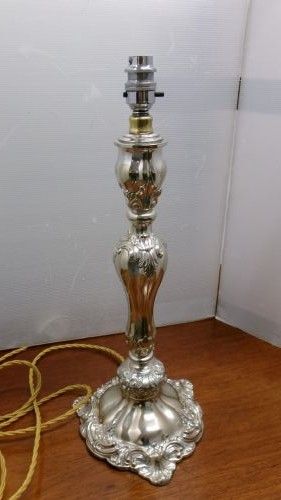
Many desk lamps and candlesticks from the nineteenth and early twentieth centuries were originally designed for candles, oil, or early burning fluids. Some pieces underwent later adaptations to accommodate electrical wiring.
Examine the internal stem and base for original wick mechanisms, drip pans, or threaded collars. Retaining original components adds historical interest to the piece.
How can I tell Victorian pieces from Edwardian ones?
Victorian examples often feature heavier, more ornate neoclassical revival styling, dark patination, and robust cast elements like Corinthian capitals or paw feet. They span the nineteenth century up to nineteen hundred.
Edwardian and George V pieces tend toward lighter proportions and refined classical restraint. Examining hallmarks, stamps, and inscribed dates provides the most accurate dating evidence.