





Georgian Revival Silver
Georgian revival silver unites the restraint of earlier centuries with the polished craftsmanship of the Edwardian and later eras.
Georgian Revival Silver
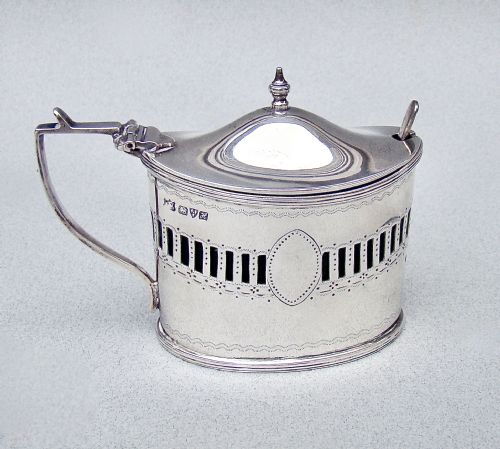
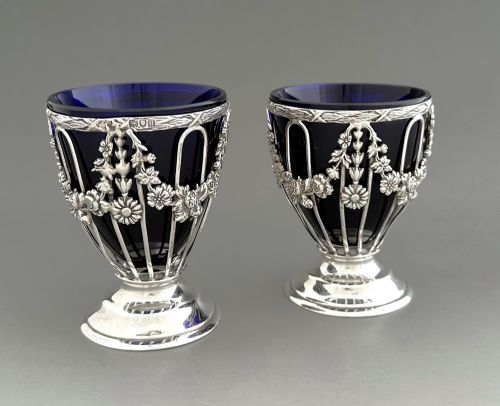
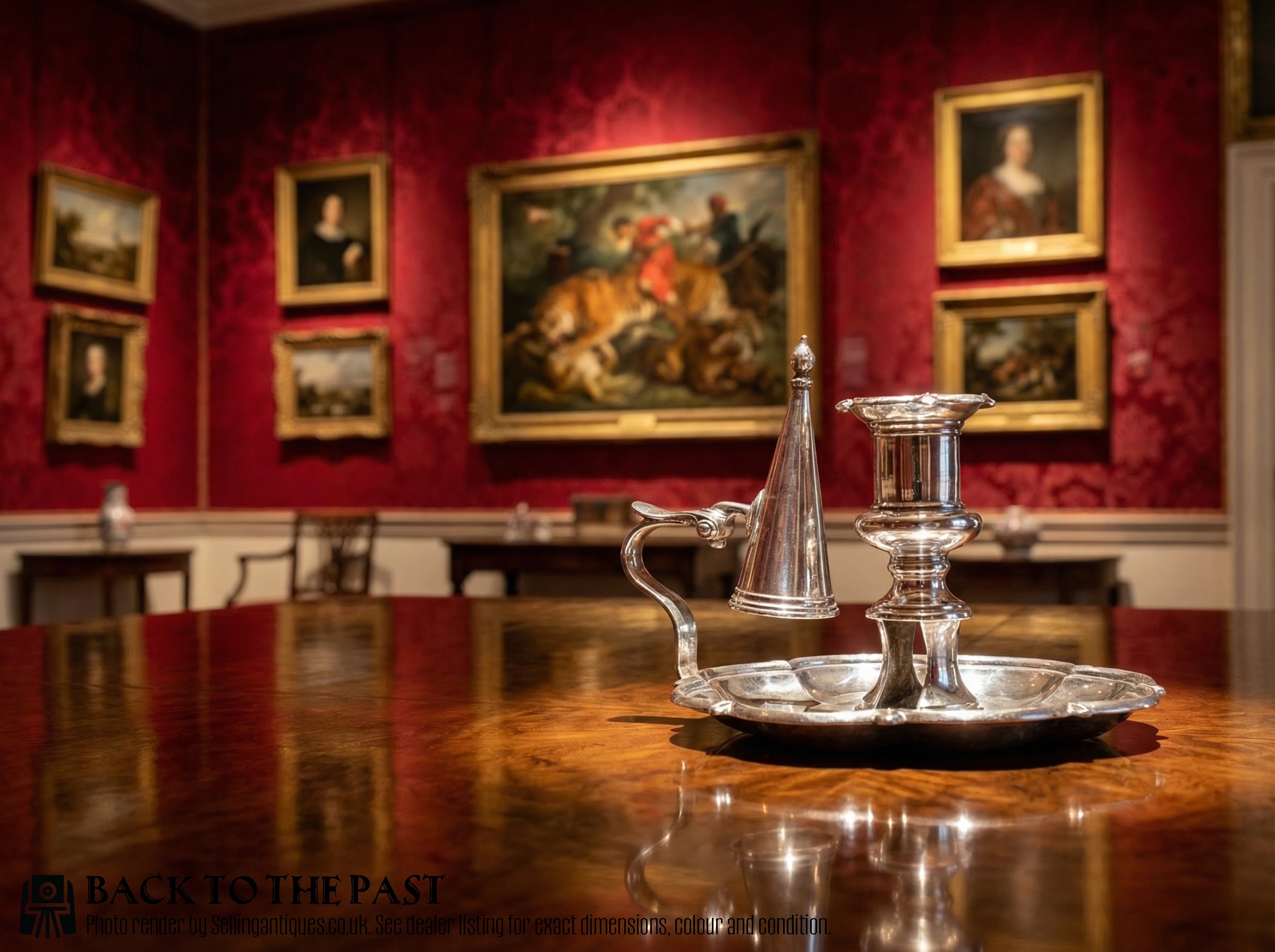
When you search for georgian revival silver, you encounter items created to echo the dominant aesthetic forms of the eighteenth century. These pieces include mustard pots, sugar casters, salt cellars, sauce boats, tea caddies, candlesticks, and larger serving vessels fashioned in sterling silver or silver plate.
The selections span distinct manufacturing periods, appearing most frequently in Edwardian productions and items dated through the 1920s and 1930s. Alongside solid sterling items, the category encompasses silver plate wares produced by established nineteenth and twentieth-century firms.
Makers drew directly upon stylistic idioms associated with earlier reigns, incorporating rococo flourishes, classical restraint, and detailed piercing. The resulting objects provide the functional utility of dining and tea service accessories combined with historical revival ornament.
What varies in quality
The standard of execution depends heavily upon the crispness of the chased or pierced ornamentation and the relative gauge of the silver used in the body. Higher quality examples demonstrate deep, clean piercing and substantial weight in the hand rather than thin, pliable sheeting.
Assay office markings and maker's stamps contribute significantly to the standing of a piece, with clear hallmarks offering verifiable provenance. The refinement of secondary materials, such as the depth of cut in glass inserts or the stability of handles and feet, further distinguishes superior production.
The archive and active selections feature specialised dining vessels, ranging from salt cellars and sauce boats to inkstands and toast racks.
Alfred Marston·The Barker Brothers·Hawksworth Eyre And Co·William Hutton And Sons·The Goldsmiths And Silversmiths·E Viner·Robert Garrard
The Georgian Revival Silver Glossary
- Sterling silver
- A silver alloy containing 92.5 percent pure silver by mass and 7.5 percent other metals, usually copper. This standard composition provides the durability required for functional domestic tablewares.
- Silver plate
- A layer of silver applied to a base metal core, such as copper or nickel brass. This technique permitted the manufacture of large service items at a lower cost than solid silver.
- Caster
- A small container with a perforated lid used for sprinkling sugar or spices over food. These vessels often feature baluster forms and footed bases derived from earlier eighteenth-century designs.
- Condiment pot
- A small vessel designed to hold table accompaniments like mustard or relish, frequently fitted with a hinged lid and a blue glass liner. They appear widely in Edwardian table settings.
- Hallmark
- An official mark stamped onto precious metals in the United Kingdom to indicate the purity of the metal, the assay office, and the year of manufacture.
Georgian Revival Silver: Frequently Asked Questions
How do I identify a revival piece?
Revival pieces are identified by consulting the hallmarks stamped on the metal, which often reveal Edwardian or later twentieth-century dates combined with eighteenth-century style motifs. Stylistic execution also points to the later period of manufacture.
Makers working in the revival style adopted earlier forms like rococo casting or neo-classical piercing, but the manufacturing methods and secondary marks generally reflect the technology of the time they were actually made.
Are these pieces made of solid silver?
The listings contain a mix of solid sterling silver items and silver-plated wares produced by various workshops. Hallmarks on the object confirm if the item is sterling.
Silver-plated items utilise a base metal core beneath a thin coating of silver. Examining the marks or areas of wear helps determine the underlying material composition.
What periods do these items come from?
The items originate primarily from the late nineteenth century, the Edwardian era, and the interwar decades of the 1920s and 1930s. These decades saw a strong commercial demand for historical revivals.
Earlier eighteenth-century aesthetics were deliberately copied during these later periods to satisfy contemporary domestic tastes for traditional dining accessories.
How should I care for silver tablewares?
Silver tablewares require gentle cleaning with specialised silver polish to remove tarnish without abrading the surface details. Frequent soft dusting preserves the finish.
Storing pieces in dry conditions away from direct humidity prevents rapid re-tarnishing. Glass inserts should be washed separately with warm soapy water.