


Vintage Silver Condiment Caddy
These vintage silver condiment caddys organise table seasoning with genuine elegance.

Vintage Silver Condiment Caddy
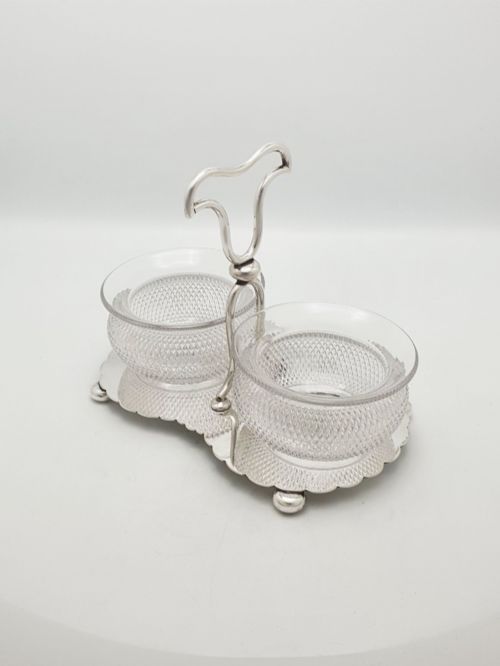
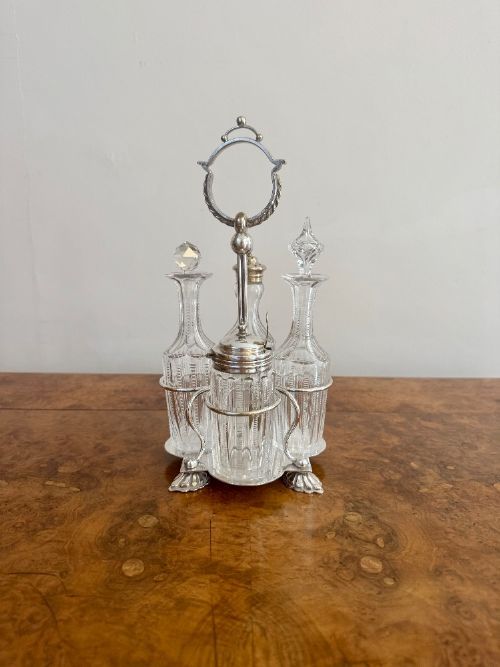
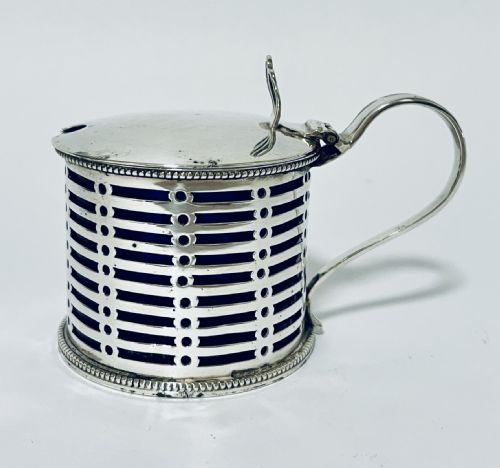
A vintage silver condiment caddy brings together cruet sets, condiment stands, and table tableware designed to hold seasoning bottles and jars. When exploring this selection, buyers encounter everything from compact mustard pots and twin glass bowl stands to large eight-piece configurations.
The pieces span periods from the 18th century through the Victorian and Edwardian eras up to the early 20th century. Edwardian silver plated cruet sets appear most frequently, alongside Georgian silver examples and Scandinavian modern caviar ice servers.
Design styles range from straightforward domestic tableware to elaborate Victorian novelty pieces, such as carriage cruet sets. Whether housing six bottles or a simple relish caddy, these items reflect formal dining traditions of past centuries.
Materials and construction
Maker workshops utilised sterling silver and silver plate over base metal frameworks to form the structural stands, handles, and bottle mounts. These metal components were often shaped into decorative frames that secured individual glass vessels safely.
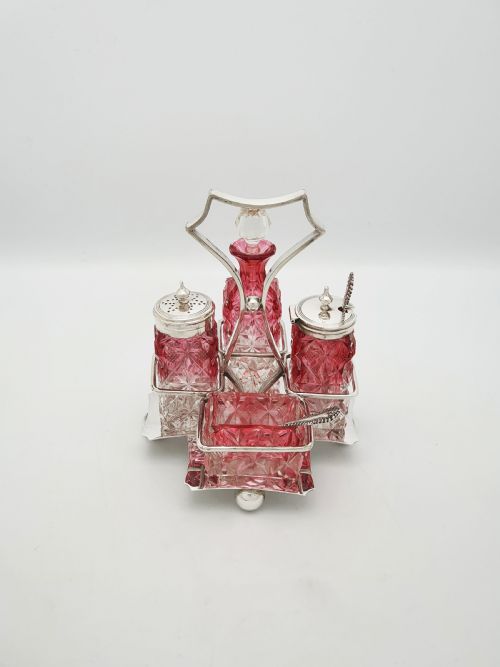
Vessels within the caddys were formed from clear glass, cut glass, and distinctive cranberry flashed cut glass. Artisans combined these glass inserts with metal frames to create functional table accessories capable of holding multiple condiments simultaneously.
Listings span from the 18th century to the 1920s, featuring silver plate, sterling silver, cut glass, and cranberry glass.
Assessing quality and craftsmanship
Superior examples demonstrate substantial weight, evident in pieces like the Georgian Warwick cruet set, alongside balanced proportions across multiple bottles and casters. The integration between the metal stand and its glass components reveals the underlying standard of manufacture.
The intricacy of the metalwork and the clarity of the cut glass inserts distinguish finer productions from standard domestic tableware. Complete sets retaining their original matching bottles and mustard pots hold greater cohesion than assembled groupings.
Wade Wingfield Wilkins
The Vintage Silver Condiment Caddy Glossary
- Cruet set
- A matched collection of bottles, jars, or castors designed to hold liquid and dry seasonings for the dining table.
- Condiment caddy
- A structured metal frame or stand equipped with a handle, used for carrying and presenting table condiments.
- Silver plate
- A layer of silver bonded to a base metal foundation, widely utilised for domestic tableware throughout the 19th and 20th centuries.
- Cranberry glass
- A rich red-pink glass created by adding gold chloride to the molten batch, often cut to reveal clear glass underneath.
- Caster
- A small jar or pot with a perforated lid used for sprinkling sugar, pepper, or dry spices over food.
Vintage Silver Condiment Caddy: Frequently Asked Questions
What is a silver condiment caddy used for?
These stands held various table seasonings, sauces, and spices within easy reach during formal meals. They kept the dining table organised by gathering multiple condiment bottles into a single portable unit.
Different configurations held mustard pots, oil cruets, vinegar bottles, and pepper castors depending on the scale of the meal. Today, they serve a similar decorative and functional role on dining tables or sideboards.
How do I identify an Edwardian cruet set?
Edwardian sets typically date from around 1900 to 1910 and often feature silver plate combined with cut glass inserts. The design work leans towards lighter, refined domestic tableware compared to heavier Victorian styles.
Many examples recorded from this period consist of six-bottle cruet frames or relish caddys with decorative handles. Their proportions reflect the formal dining habits of the early 20th century.
Are all condiment caddys made of solid silver?
Most surviving examples utilise silver plate over a base metal structure rather than solid sterling silver. Sterling silver pieces do exist, such as specific Georgian sets, but silver plate became the dominant medium for domestic table accessories.
Both solid silver and silver plated versions were paired with cut glass, clear glass, or cranberry glass components. The underlying metal does not diminish the decorative appeal of the stand.
How can I care for my vintage condiment caddy?
Gentle cleaning with a soft cloth helps maintain the finish of silver plate and sterling silver components without removing the plating. Avoid harsh abrasive cleaners that can damage the metal surface or scratch the glass inserts.
Glass bottles and bowls can be washed separately in warm soapy water and dried thoroughly before returning them to the stand. Regular light dusting keeps the metalwork looking bright.