




Vintage Silver Compact Case
A vintage silver compact case brings pocket-sized glamour to the dressing table, combining fine metalwork and hand-painted enamel for everyday elegance.
Vintage Silver Compact Case
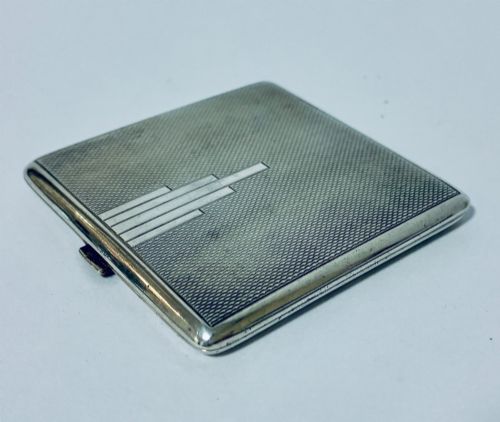
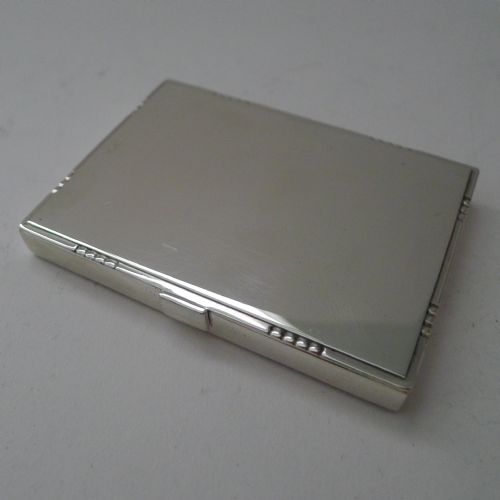
A vintage silver compact case is a small lidded container designed for powder, cards, or cigarettes, often featuring integrated mirrors and cosmetic compartments. The selection spans early twentieth-century designs through to mid-century Italian and continental pieces.
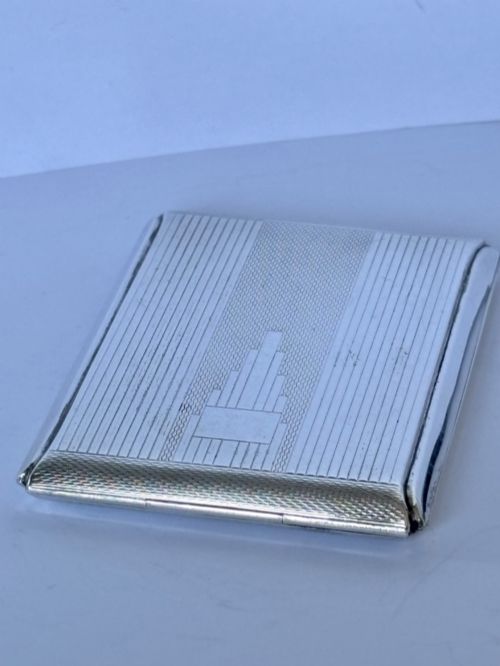
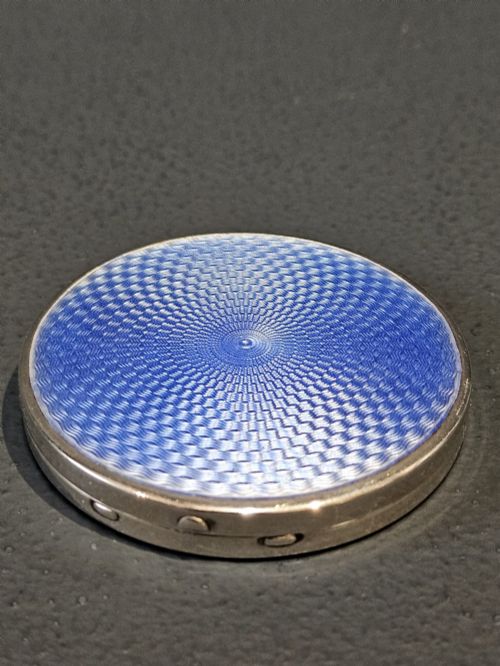
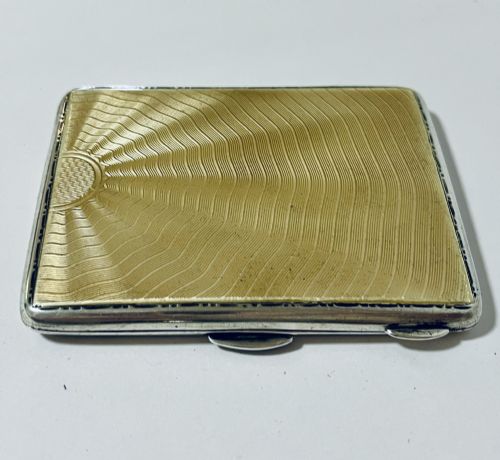
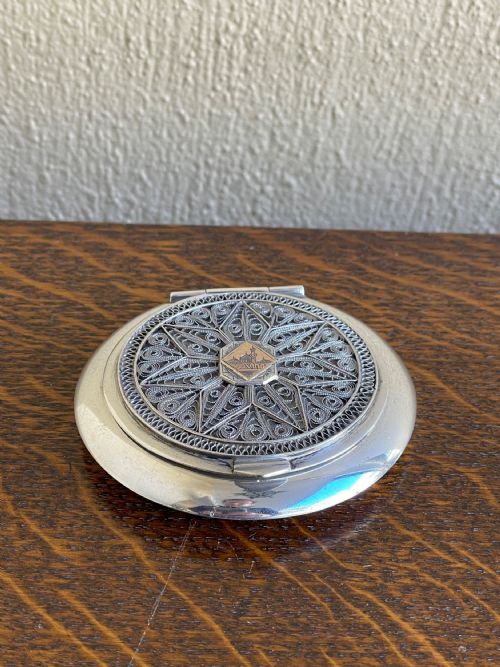
Art Deco examples dominate the selection, bringing geometric precision, engine-turned patterns, and vibrant guilloche enamel surfaces. Alongside these are earlier George V pieces and regional variations from Chinese export silver to Persian filigree work.
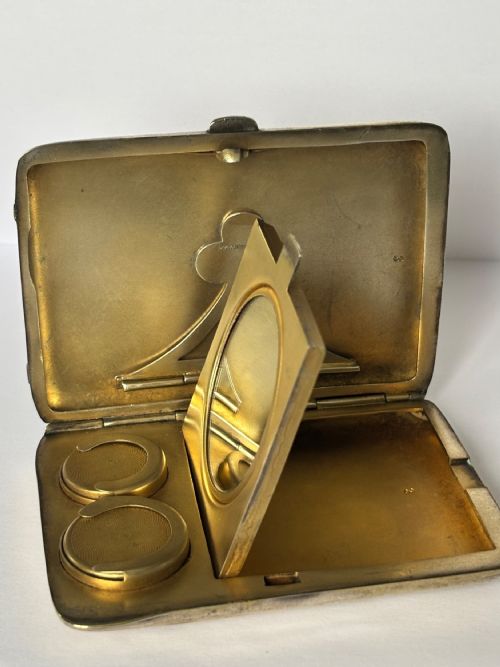
Forms vary widely from standalone powder compacts to complex combination cases that house cigarettes, lipsticks, or sovereign holders. Each piece reflects the social habits and dressing rituals of its decade of manufacture.
Materials and construction
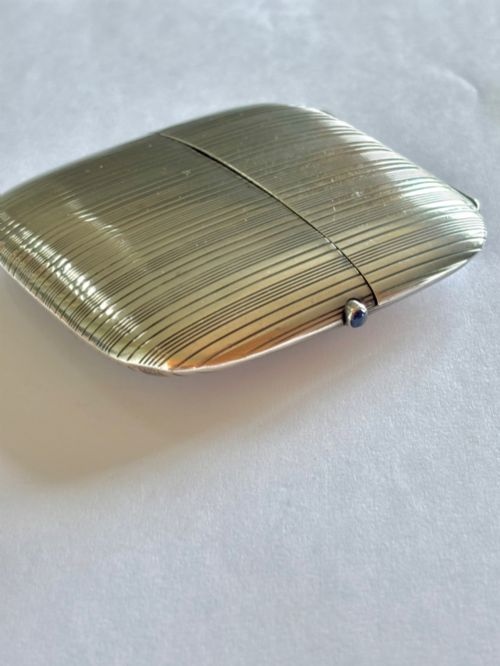
Silversmiths utilised sterling silver, continental grades such as .900 and .800, and silver gilt to form the rigid structural bodies. Engine turning and cast techniques added tactile geometric textures to the exterior surfaces.
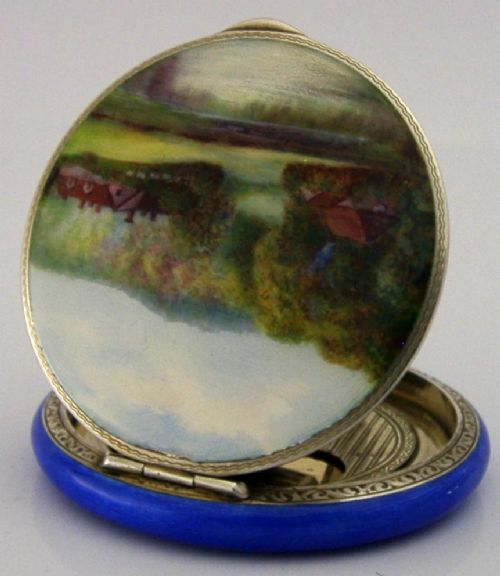
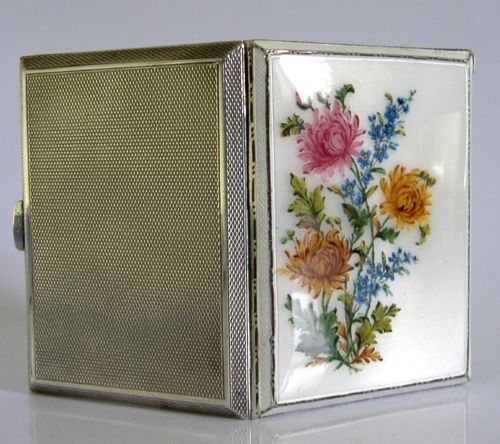
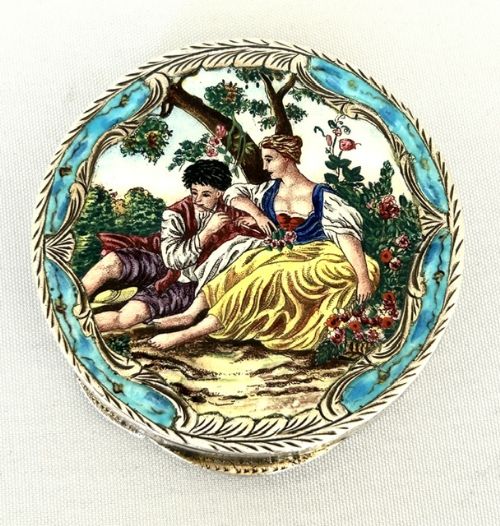
Vitreous and guilloche enamel provided colourful decoration, often laid over patterned machine-engraved backgrounds or hand-painted with floral and scenic motifs. Details such as cabochon gemstones, mirror glass, and suede linings completed the interior fittings.
Vintage Silver Compact Case Retail Price Guide 2026
Typical asking prices for vintage silver compact case among the pieces listed under this phrase on Sellingantiques today, from the lower quarter to the upper quarter. They describe what is for sale here now, not the wider market.
Several compacts double as secret card cases and sovereign holders, proving that past generations took their pocket organisation very seriously indeed.
Factors determining quality
The finesse of the enamel work dictates the upper tier of quality, particularly where complex guilloche patterns catch the light beneath translucent colour. Intact hand-painted details and secure hinges elevate a piece above standard mass-produced items.
Maker marks and regional hallmarks provide clear indicators of workshop origin, with named makers from Birmingham or Florence commanding particular attention. The presence of original fitted interiors, mirrors, and complementary accessories like matching lipsticks adds distinct merit.
Henry Matthews·Henry Perkins and Sons·Richard Hudnut·Houbigant·Giuliano Spinelli
The Vintage Silver Compact Case Glossary
- Guilloche enamel
- A decorative technique where metal is engraved with precise geometric patterns before translucent enamel is applied over the top. This allows the underlying pattern to shine through the coloured glass layer.
- Silver gilt
- Silver that has been coated with a thin layer of gold on its surface. It provides the dual appearance of gold with the structural properties of silver.
- Cabochon
- A gemstone shaped and polished with a smooth, rounded dome rather than faceted edges. These stones are frequently set into clasps or decorative lids.
- Engine turned
- A mechanical method of ornamenting metal surfaces with intricate, precise geometric patterns using a lathe. It creates a durable, light-catching texture.
- Filigree
- Delicate jewellery work formed from fine metal wires twisted and soldered together into openwork patterns. It appears in regional pieces such as Persian silver items.
Vintage Silver Compact Case: Frequently Asked Questions
What is the difference between a compact and a vanity case?
A standard compact is primarily built to hold pressed or loose face powder, featuring an internal mirror and powder sifter. A vanity case is generally larger and designed to house multiple cosmetic items simultaneously.
Many mid-century versions combine compartments for cigarettes, lipstick, and coins alongside the core powder section.
How do I date an enamel compact?
Hallmarks stamped into the metal frame provide the most reliable date, indicating the assay office and year of production. Stylistic markers such as Art Deco geometric layouts or George V monograms also help narrow down the decade.
Makers' marks registered with silversmith guilds offer further chronological context.
Can I still use an antique compact for powder?
Most pieces can hold modern loose or pressed powders with careful cleaning of the interior well. However, original powder sifts and puffs may be fragile due to age and are often preserved rather than used.
Mirrors inside should be checked gently, as vintage glass can occasionally degrade or silver behind the glass can flake.