



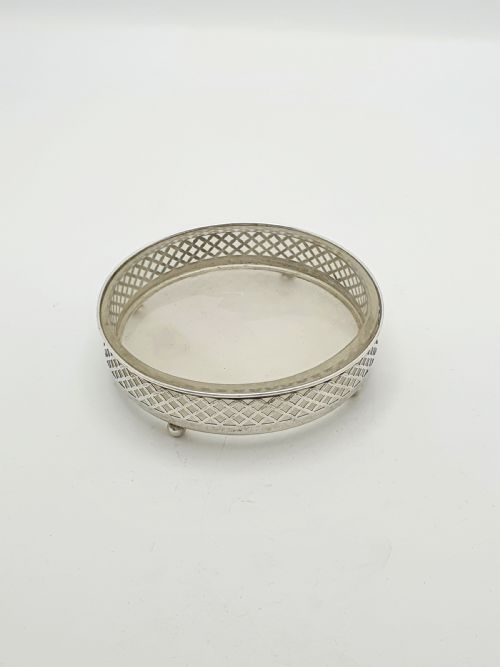

Vintage Silver Coaster
When hunting for a vintage silver coaster, buyers find table accessories designed to hold wine bottles and decanters safely while protecting polished timber surfaces.
Vintage Silver Coaster
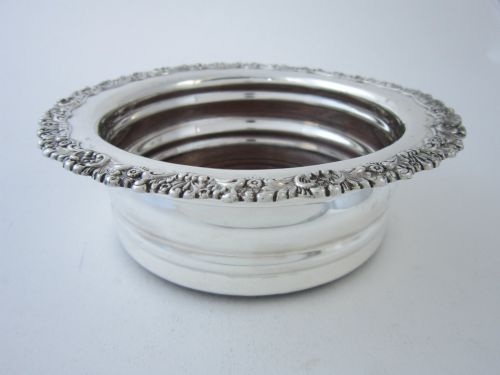
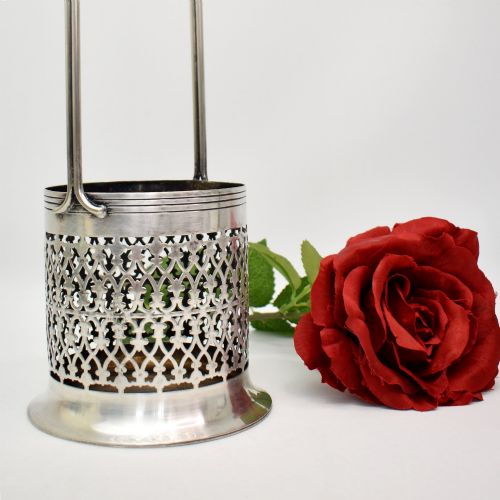
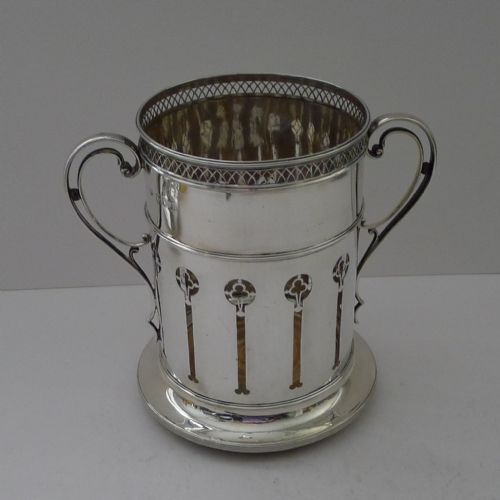
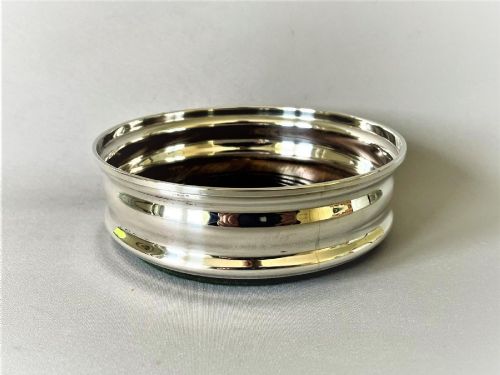
A vintage silver coaster serves primarily as a protective base for wine bottles and decanters on a dining table. Collectors searching this phrase encounter circular vessels engineered to contain condensation and prevent rings on polished wood.
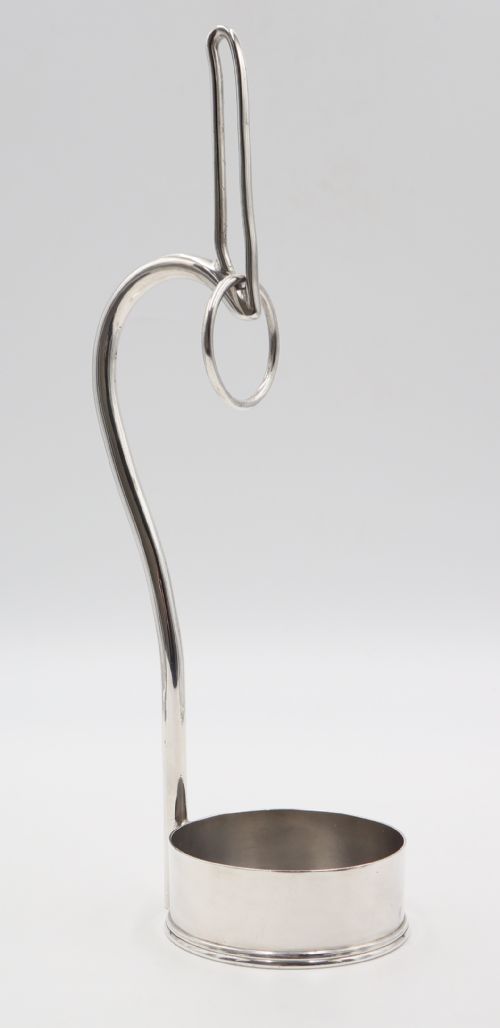
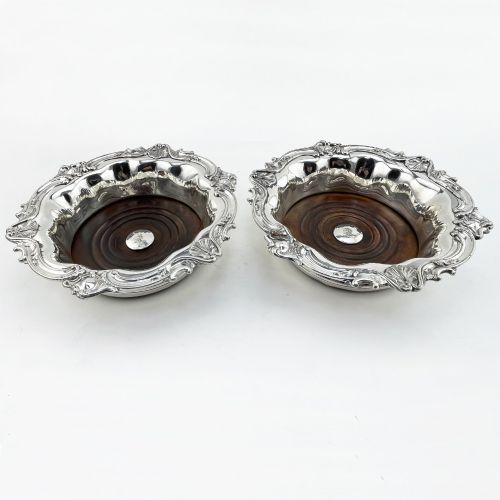
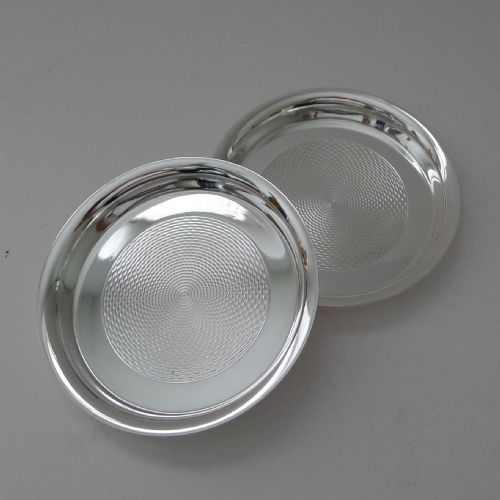
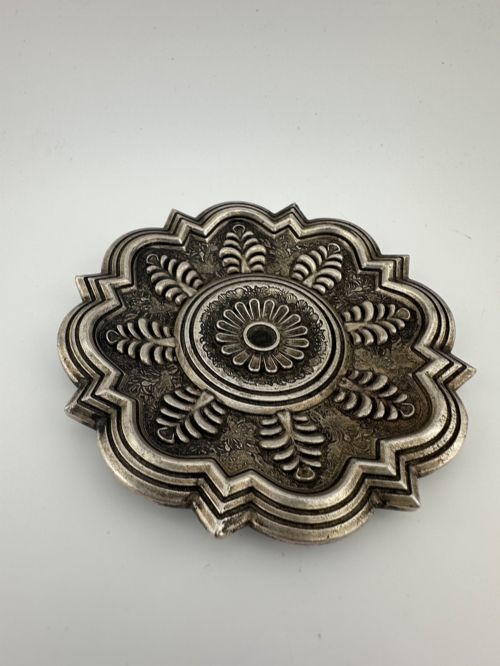
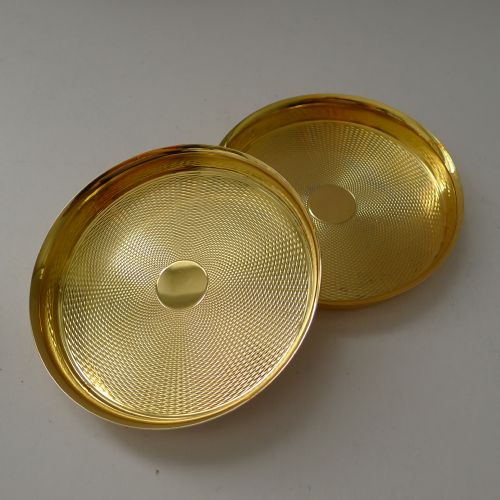
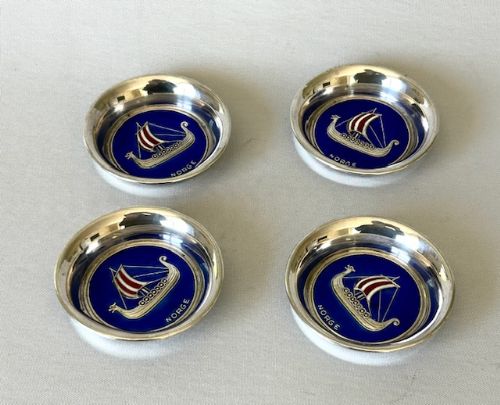
The pieces appearing on this page span several styles, from ornate Victorian and Edwardian examples to mid-century iterations. Many are designed as pairs or sets, while others emerge as individual table centrepieces.
Beyond standard bottle holders, the category encompasses related forms such as small pin dishes, butter dishes, and desk accessories. These smaller vessels share the same metallic construction and decorative motifs as their larger counterparts.
How they were made
Makers utilised solid sterling silver, silver plate, and Old Sheffield Plate as primary metals for these items. Old Sheffield Plate involves a thin sheet of silver fused to a copper core, a technique visible along cut edges on older examples.
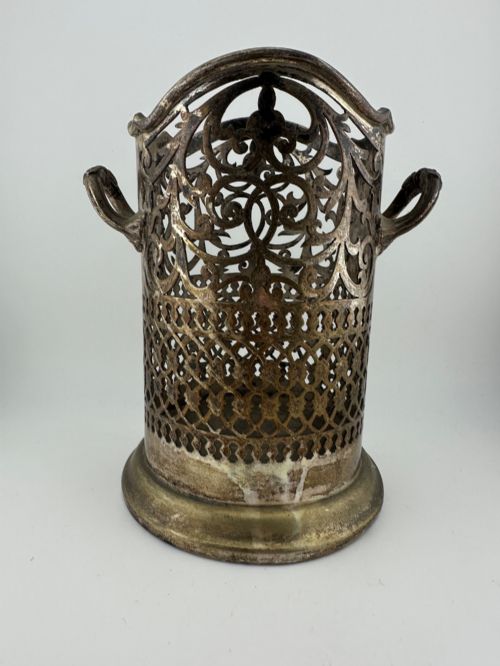
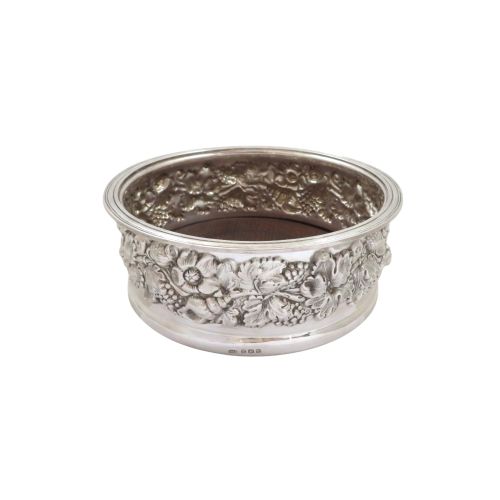
Interior surfaces frequently feature turned wooden inserts or baize linings designed to cushion the base of a decanter. Silversmiths employed techniques like spinning, casting, and piercing to achieve decorative openwork galleries.
Vintage Silver Coaster Retail Price Guide 2026
Typical asking prices for vintage silver coaster among the pieces listed under this phrase on Sellingantiques today, from the lower quarter to the upper quarter. They describe what is for sale here now, not the wider market.
Some Edwardian sets arrive with a built-in cork puller, ensuring the wine flows even if the host misplaces the kitchen opener.
What varies in quality
The crispness of stamped or cast ornamentation dictates the standard of a piece, with sharper grape, vine, and foliate details marking superior workshops. Heavier gauge metal and substantial wooden bases provide a tangible heft that distinguishes finer examples from lighter mass-produced alternatives.
The integrity of the junction between the metal gallery and the wooden insert indicates the skill of the maker. Well-preserved plating without telegraphing of the base metal underneath ensures the longevity of silver-plated and Old Sheffield pieces.
Brook and Son Edinburgh·Christofle·Asprey·Rupert Favell and Co·Matthew Boulton·Barker-Ellis·Garrard·Hermes Paris
The Vintage Silver Coaster Glossary
- Old Sheffield Plate
- A composite material made by fusing a layer of silver to a copper base before rolling into sheets. Edges often reveal the underlying copper core upon close inspection.
- Sterling Silver
- An alloy consisting of silver and other metals, usually copper, meeting a specific standard of purity. This standard is frequently denoted by hallmarks stamped into the metal.
- Silver Plate
- A thin layer of silver applied to a base metal such as copper or white metal. This method offered the visual appeal of solid silver at a lower cost.
- Vermeil
- Sterling silver that has been plated with a layer of gold. This finish provides a warm, yellow-gold appearance while retaining a silver core.
- Gallery
- The upright pierced or solid perimeter wall of a coaster. This architectural feature prevents the bottle from sliding off the base.
Vintage Silver Coaster: Frequently Asked Questions
How do I clean a silver coaster?
Use a specialised silver cloth and a mild polish to remove tarnish gently without damaging the underlying metal. Avoid abrasive materials that can strip thin silver plating.
Take care to keep moisture away from wooden bases and baize linings during the cleaning process. Wipe the surfaces clean with a dry cloth afterwards.
Can I use these for modern wine bottles?
Most standard wine and champagne bottles fit comfortably within the internal diameters of these historical table accessories. Magnum sizes require specific larger coasters designed for wider bottles.
Check the internal measurements of a piece before purchase if you intend to use it with oversized or non-standard bottle shapes.
Why do some coasters have wooden bases?
Wooden bases made from mahogany or oak add crucial weight to keep the vessel stable when heavy glass decanters are placed inside. Timber also protects the table surface from direct friction.
The combination of polished wood and bright metal creates a visual contrast favoured by dining table designers across the Victorian and Edwardian periods.
How do I identify Old Sheffield Plate?
Look closely at the rim or cut edges of the piece where the base copper metal might show through as a reddish hue. This dual-layer construction method predates modern electroplating techniques.
Old Sheffield pieces often display a soft, warm glow and substantial weight derived from the heavy copper foundation beneath the silver skin.