

Vintage Silver Centrepiece Bowl
A vintage silver centrepiece bowl anchors a dining table or sideboard, bringing form and reflective light to a room.
Vintage Silver Centrepiece Bowl
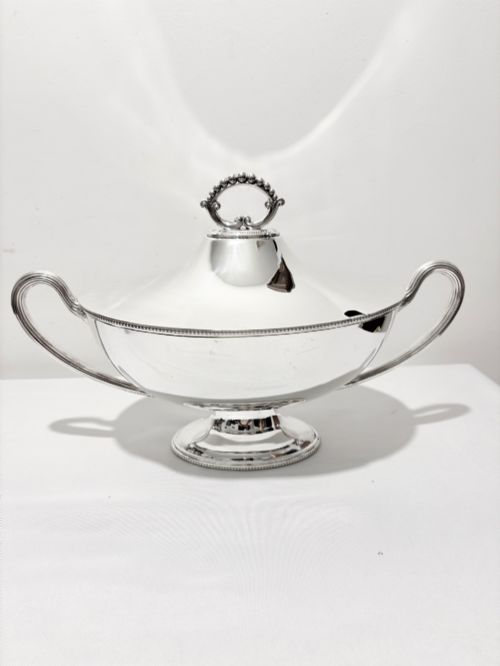
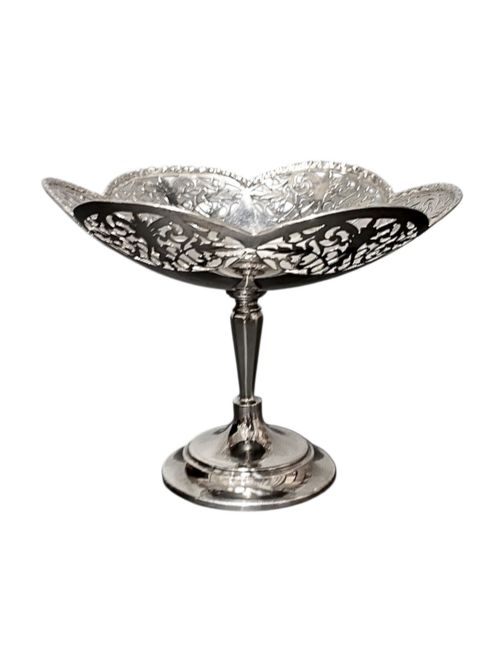
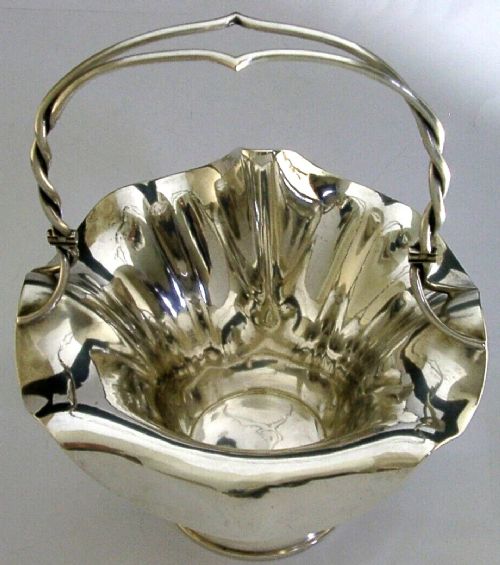
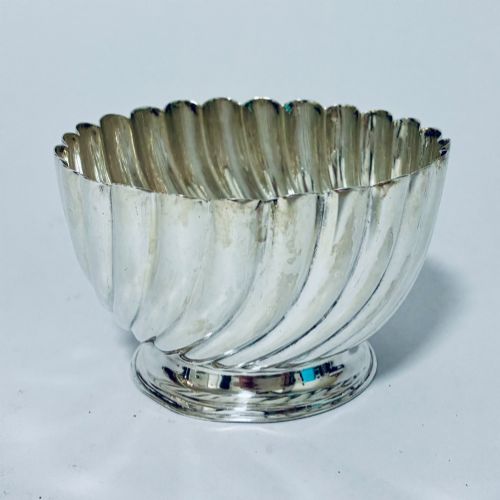
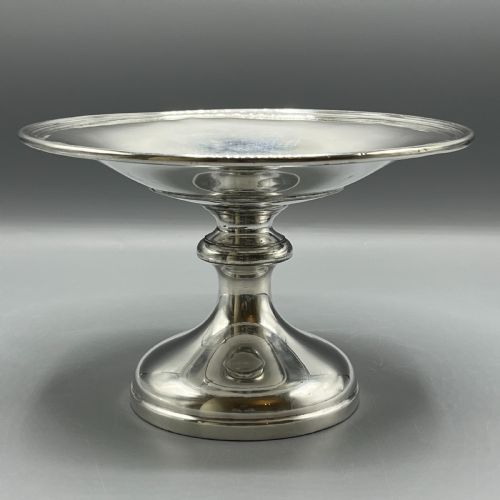
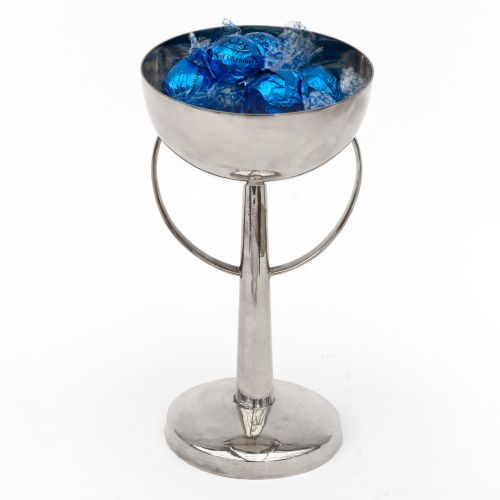
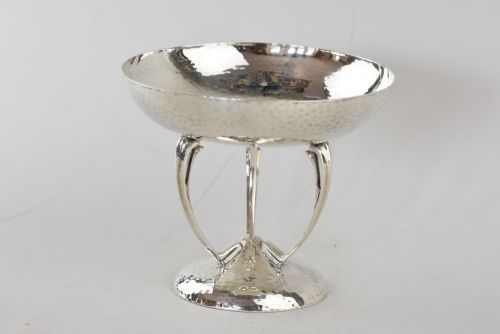
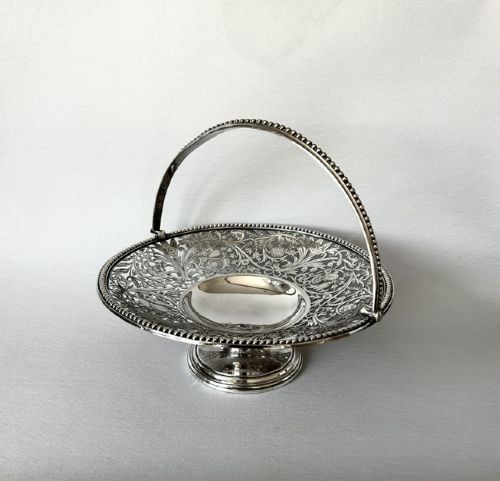
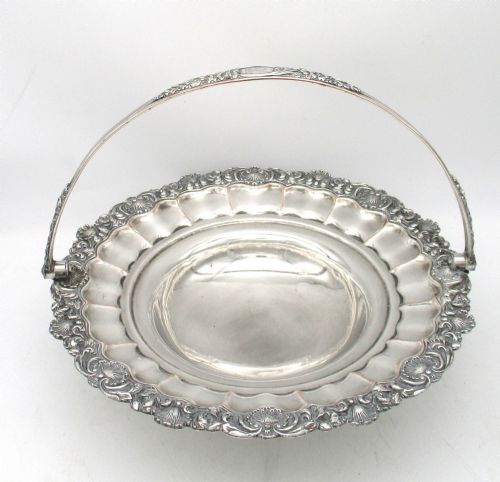
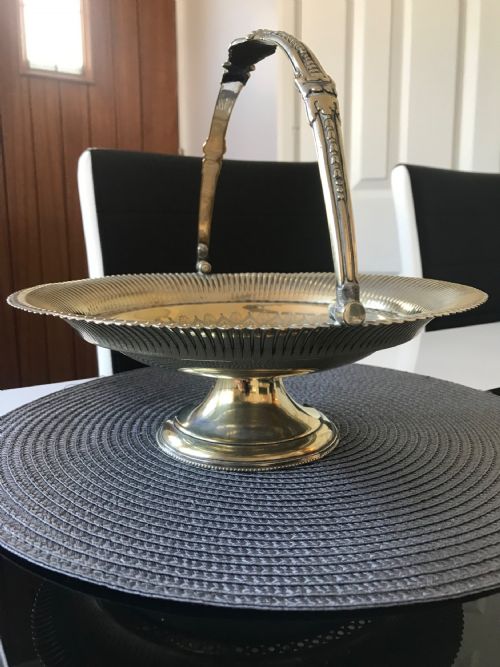
A vintage silver centrepiece bowl takes many shapes across the selection, ranging from shallow bon bon dishes and handled fruit baskets to deep punch bowls and decorative tazzas. These vessels emerge from diverse periods including the Victorian and Edwardian eras, alongside Art Nouveau and Art Deco designs.
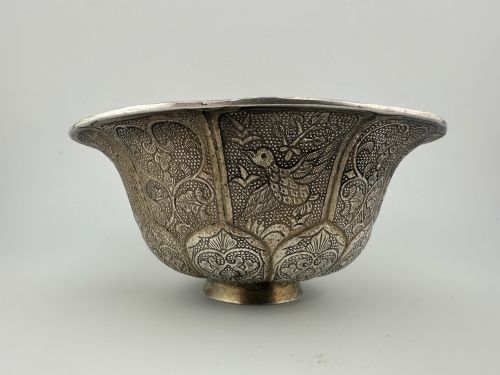
Makers across Britain, Europe, and Asia produced these pieces for presentation, dining, and display. Buyers frequently encounter silver plated vessels alongside solid sterling silver items, Anglo-Indian and Chinese export pieces, and combinations of cut glass and metal.
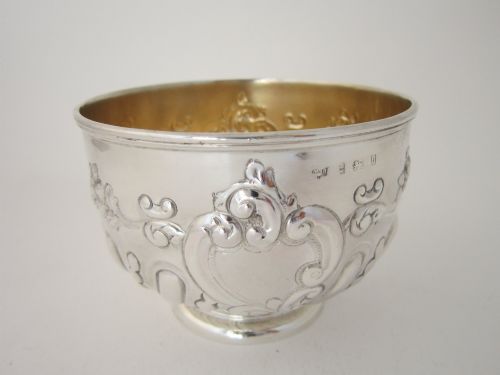
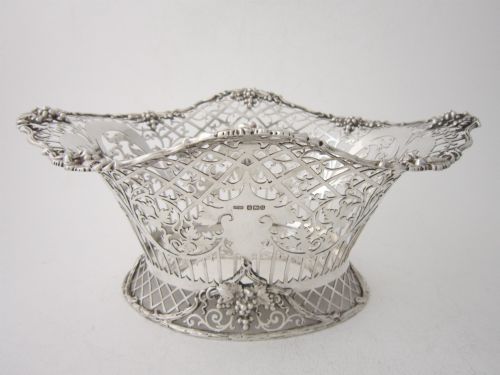
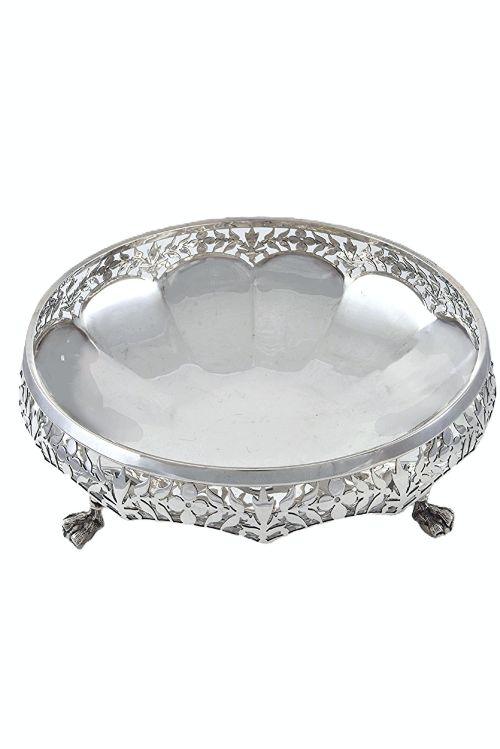
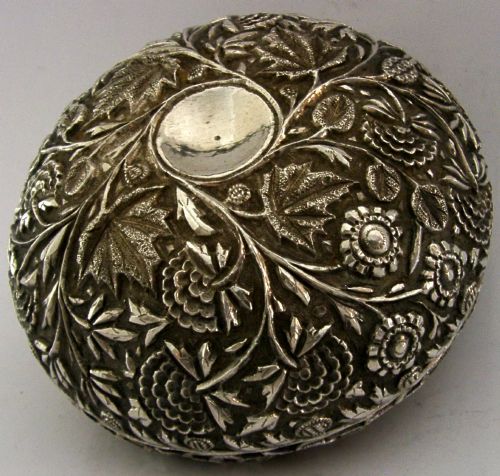
The objects serve multiple functions within a home, operating as fruit bowls, bread dishes, rose bowls, and wine coolers. Their varied styling spans from plain circular forms and neo-classical pierced rims to organic floral repoussé work and hammered surfaces.
Materials and Technique
Silversmiths utilised solid sterling silver, silver plate, and Old Sheffield plate, often mounting bowls on three feet or pedestals. Methods included planishing and hand hammering to create textured surfaces, alongside intricate wirework and pierced lattice designs.
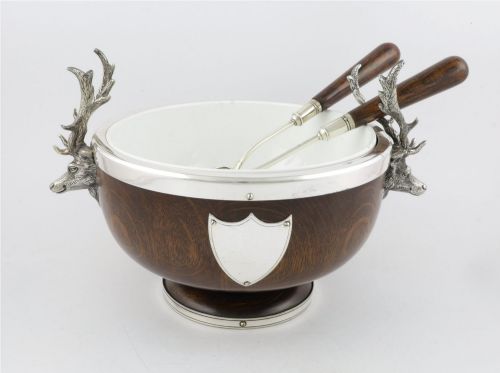
Many items incorporate contrasting media, pairing silver rims and mounts with cut glass bodies, cobalt blue glass liners, or brass and mixed metal bases. Repoussé ornamentation and engraved crests add decorative depth to the metalwork.
Vintage Silver Centrepiece Bowl Retail Price Guide 2026
Typical asking prices for vintage silver centrepiece bowl among the pieces listed under this phrase on Sellingantiques today, from the lower quarter to the upper quarter. They describe what is for sale here now, not the wider market.
The listings on this page span the Victorian and Edwardian periods up through the 1960s, featuring forms in silver, brass, copper, and cut glass.
Design and Execution
Quality rests in the weight of the metal and the crispness of the hand-applied ornamentation. Substantial gauge silver and deep relief floral repoussé demonstrate superior craftsmanship compared to lighter, pressed alternatives.
The integrity of the construction distinguishes standard production from notable workshop output. Integrated handles, balanced footed bases, and well-executed piercing indicate higher manufacturing standards.
Goldsmiths and Silversmiths Company·Mappin & Webb·Barker Ellis·Liberty & Co.·Elkington & Co.
The Vintage Silver Centrepiece Bowl Glossary
- Sterling silver
- An alloy containing 92.5 percent silver by mass, with the remainder consisting of other metals like copper. This standard denoted high-grade British silver objects.
- Silver plate
- A layer of silver applied to a base metal core such as copper or nickel brass. This technique provided the visual appeal of solid silver at a lower production cost.
- Repoussé
- A metalworking technique where the artisan hammers the metal from the reverse side to form a raised design in relief on the front. It appears frequently on floral bowls.
- Tazza
- An ornate pedestal cup or shallow bowl raised on a foot. These pieces served fruit or sweetmeats on formal tables.
- Old Sheffield plate
- An early form of plated metal produced by fusing a sheet of silver to a thicker copper ingot before rolling them together into sheets. Items show a characteristic thin line of copper visible at edges.
Vintage Silver Centrepiece Bowl: Frequently Asked Questions
What is a silver centrepiece bowl used for?
These bowls held fruit, flowers, or bread on large dining tables during formal meals. They also served as decorative presentation pieces on sideboards.
Today, owners utilise them as table centerpieces, floral arrangements holders, or standalone decorative objects in living spaces.
How do I clean silver plate bowls?
Wash the bowl gently in warm water using a mild washing-up liquid and a soft cloth. Dry thoroughly immediately afterwards to prevent water spotting.
Apply a specialist silver polish sparingly if tarnish builds up, avoiding excessive rubbing on plated edges where the base metal might show through.
How do I tell sterling silver from silver plate?
Examine the surface for hallmarks stamped into the metal, which indicate solid sterling silver and identify the maker and assay office. Unmarked pieces often reveal a yellowish base metal tint underneath where plating has worn away.
Hefting the object also helps, as solid pieces typically carry a distinct weight compared to lighter plated vessels.
How do I date an antique silver bowl?
Look for hallmarks on British pieces, which include date letters corresponding to specific assay office registration years. Stylistic clues such as Art Nouveau curves or Victorian neo-classical piercing also narrow down the period.
Comparing construction techniques and maker marks provides further verification of the decade of manufacture.