

Vintage Silver Cellar
When you search for a vintage silver cellar, you are looking at small vessels for salt and condiments spanning the Victorian, Edwardian, and mid-century periods.
Vintage Silver Cellar
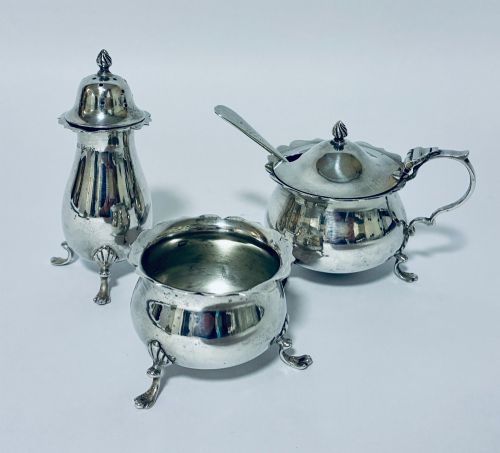
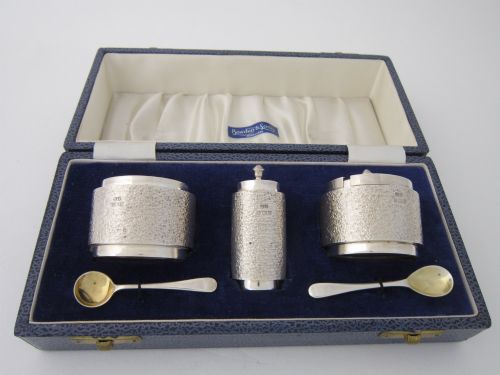
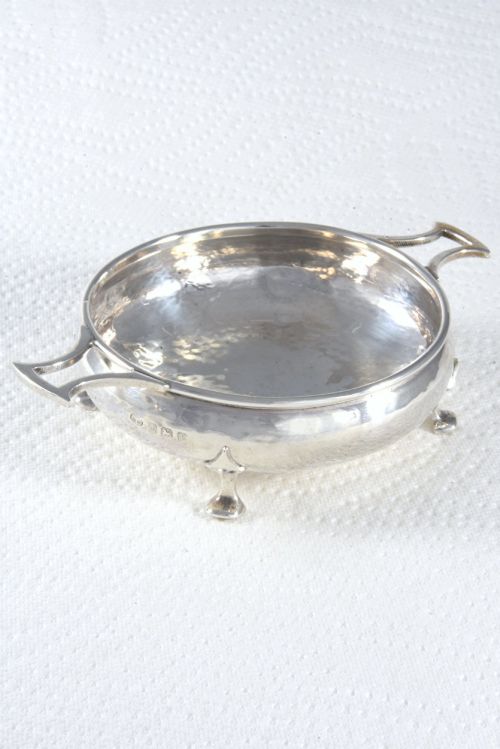
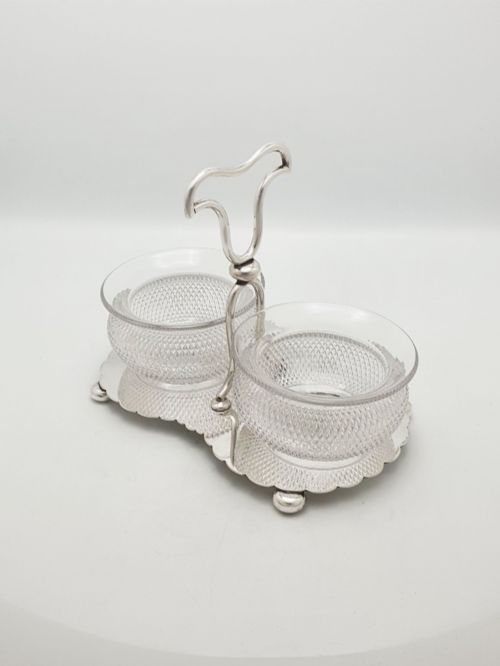
A vintage silver cellar is typically an open salt dish, mustard pot, or part of a larger cruet set used on the dining table. The pieces found here range from Georgian and Victorian designs to Edwardian, Art Deco, and mid-century styles.
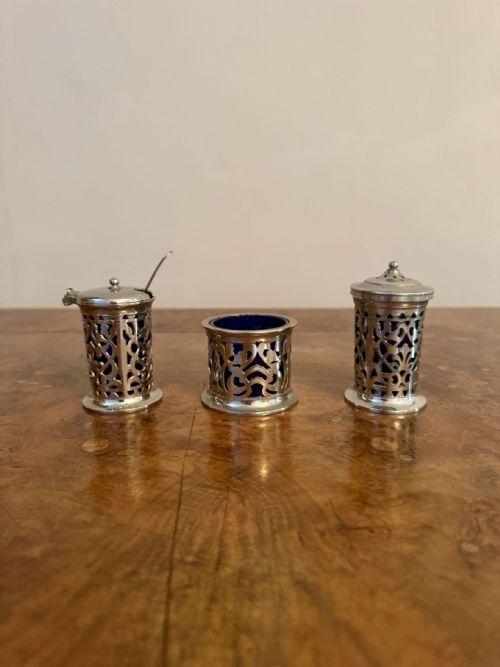
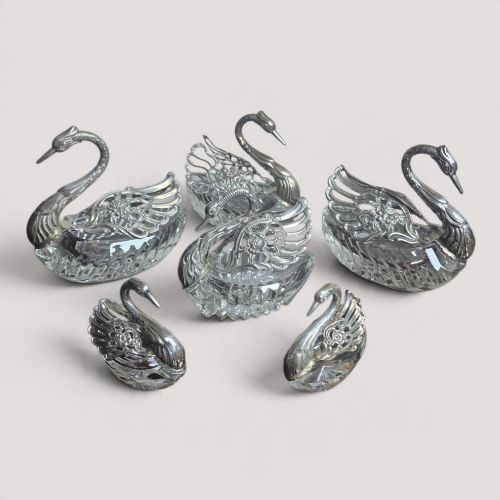
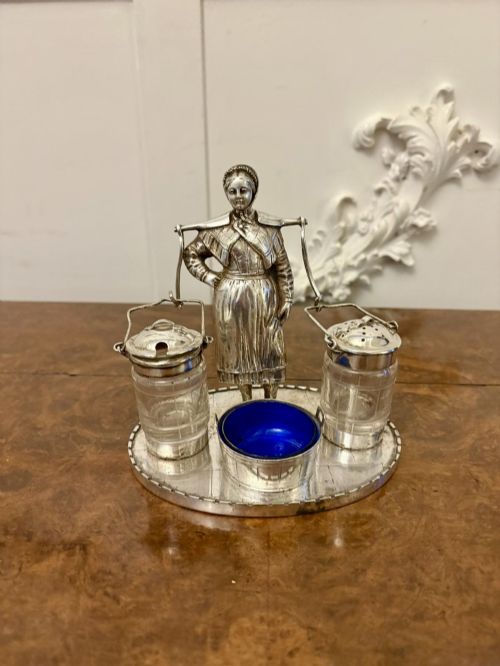
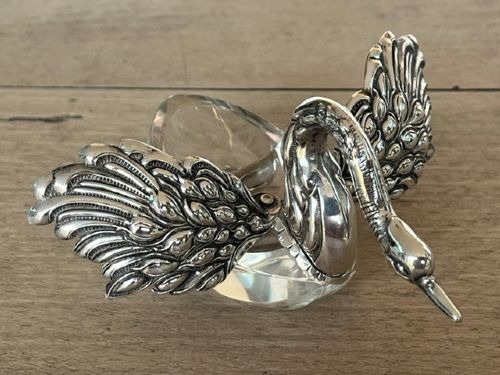
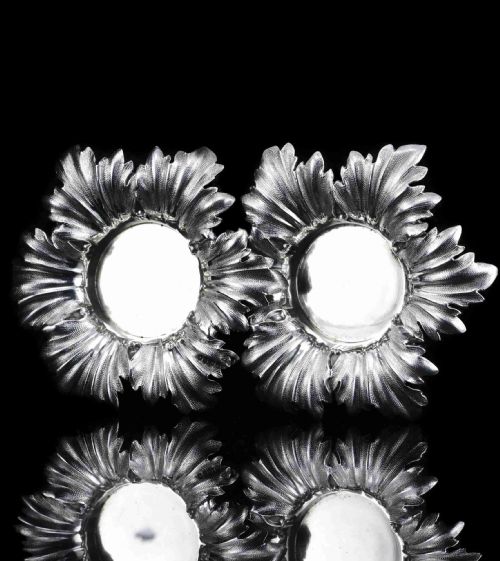
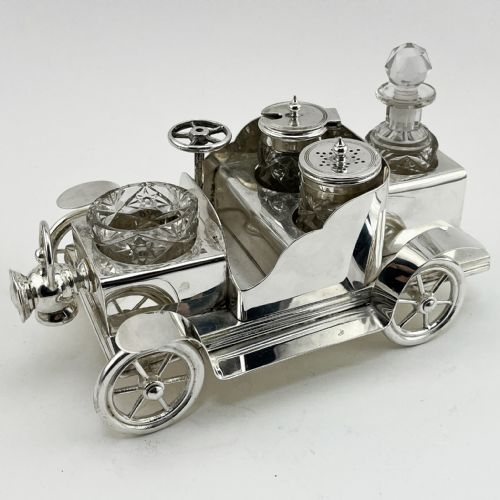
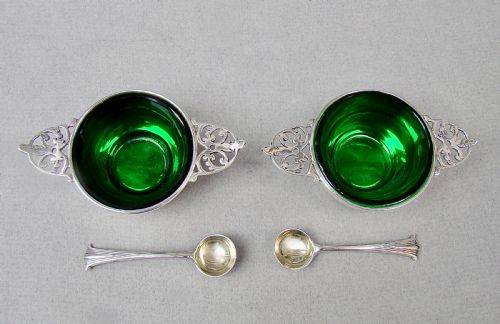
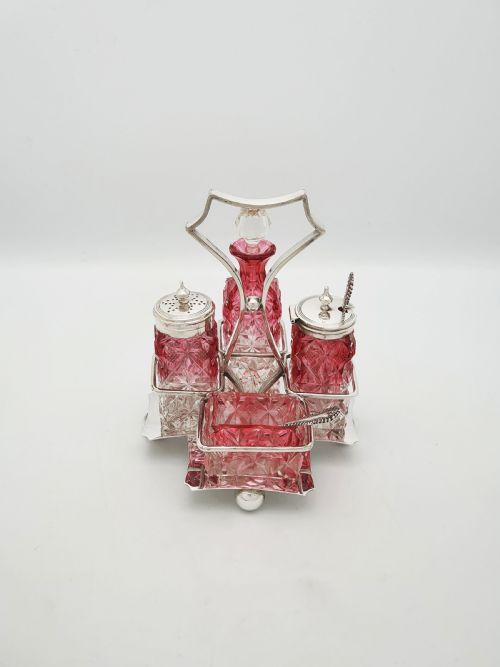
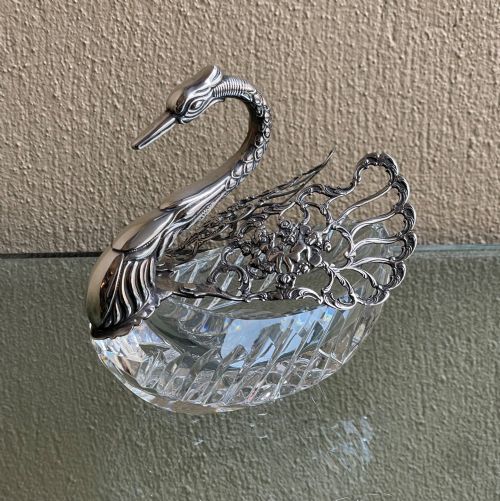
You will frequently encounter pairs or matched sets of open salts, often accompanied by glass liners in cobalt blue or cranberry hues. Novelty forms such as Viking ships, swans, and cars also appear alongside traditional tubs and bowls.
How they were made
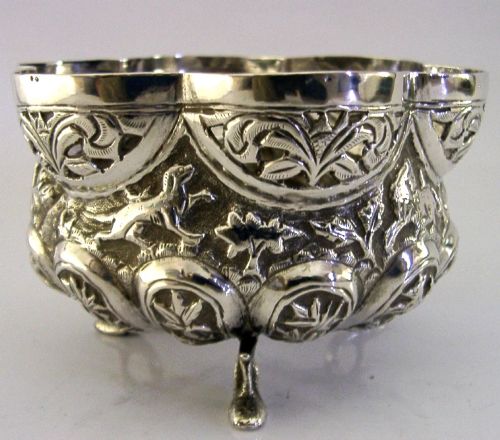
Silversmiths utilised sterling silver and silver plate, shaping metals through casting, chasing, and hallmarking. Many examples incorporate cut glass, crystal, or enamel work to add colour and texture to the vessel.
Liners made from cobalt glass and velvet inserts protected the precious metal from corrosive salt while providing a striking contrast against the polished silver exterior.
Vintage Silver Cellar Retail Price Guide 2026
Typical asking prices for vintage silver cellar among the pieces listed under this phrase on Sellingantiques today, from the lower quarter to the upper quarter. They describe what is for sale here now, not the wider market.
Listings feature sterling silver, silver plate, glass, and enamel across Victorian, Edwardian, Art Deco, and mid-century periods.
What varies in quality
The standard of a vintage silver cellar depends heavily on the crispness of the chasing, the weight of the solid silver, and the maker's mark. Pieces bearing clear hallmarks from notable silversmiths command higher regard than unmarked silver plate.
The condition of the interior glass liners and the precision of hinged lids on mustard pots further separate standard domestic tableware from finer decorative examples.
Goldsmith & Silversmith's·Georg Jensen·Josiah Williams & Co·Berthold Muller·Wilmot Manufacturing Co
The Vintage Silver Cellar Glossary
- Open salt
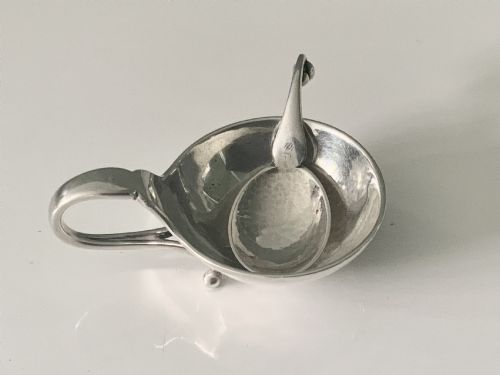
- A small vessel designed to hold loose salt at the table before the invention of the free-flowing shaker. Diners used a tiny spoon or pinched the salt directly from the dish.
- Cruet set
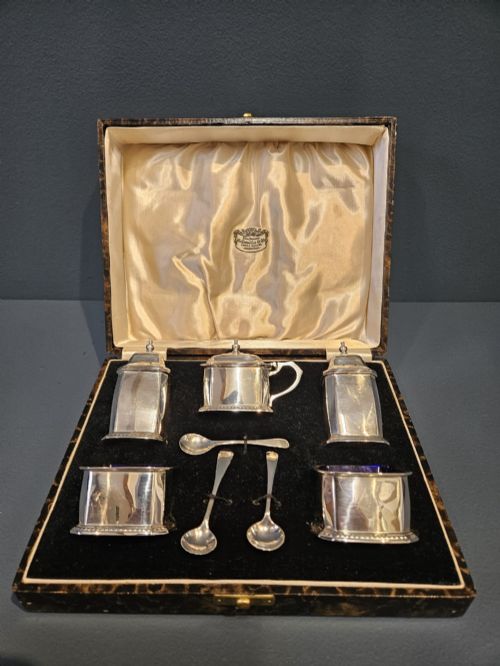
- A matched assembly of bottles, jars, or cellars holding condiments such as salt, pepper, mustard, vinegar, and oil. These sets usually sat in a dedicated frame or stand.
- Hallmark
- An official stamp applied to precious metals indicating the standard of purity, the assay office, and the year of manufacture. These marks help verify the provenance of silver items.
- Chasing
- A metalworking technique where the silversmith depresses the surface with punches to create raised decorative patterns and pictorial scenes. This work is done entirely by hand on quality pieces.
- Cobalt glass
- A deep blue glass frequently utilised for removable liners inside open salt cellars. The dark colour contrasts effectively with polished silver.
Vintage Silver Cellar: Frequently Asked Questions
How were salt cellars used?
Diners used small salt cellars to hold granular salt at the table, taking a pinch with their fingers or utilising a dedicated miniature spoon.
They sat beside individual plates or at intervals along the length of the dining table for shared use.
Are glass liners original?
Many salt cellars retain their original cobalt or clear glass liners, which were designed to protect the silver metal from the corrosive nature of salt.
Replacements are common, so matching liners to the exact interior dimensions of the silver frame is standard practice.
How do I date silver cellars?
Dating relies on reading the stamped hallmarks, which include maker marks, town assay marks, and date letters corresponding to specific years.
Stylistic cues such as Edwardian garland motifs or Art Deco geometric lines also help narrow down the period of manufacture.
How do I clean silver cellars?
Cleaning requires a soft cloth and a specialised silver polish, taking care around delicate glass inserts and enamel work.
Harsh chemical dips should be avoided, particularly on antique pieces with intricate chasing or applied velvet.